
Why Heavy-Duty Trucks Still Rely on Compression-Ignition Powertrains
When it comes to long-haul freight and heavy commercial transport, the diesel engine remains the dominant powertrain choice worldwide. Despite growing interest in alternative fuels and electrification, this combustion technology continues to power over 97% of Class 8 trucks in North America. The reasons come down to physics, economics, and proven reliability over millions of miles on the road.
Understanding why this particular powertrain excels in demanding applications requires looking at fundamental engineering principles, real-world operating costs, and the practical realities of commercial trucking. This article explores the key factors that keep fleet operators committed to compression ignition technology for their heaviest vehicles.
The Physics Behind Superior Performance
How Compression Ignition Works
Unlike spark-ignition systems found in passenger cars, these heavy-duty powertrains compress air to extremely high pressures — typically 15:1 to 25:1 compression ratios — until temperatures reach approximately 500°C. Fuel is then injected directly into this superheated air, igniting spontaneously without a spark plug. This diesel engine working principle explained in simple terms reveals why the technology produces significantly more usable power per unit of fuel consumed.
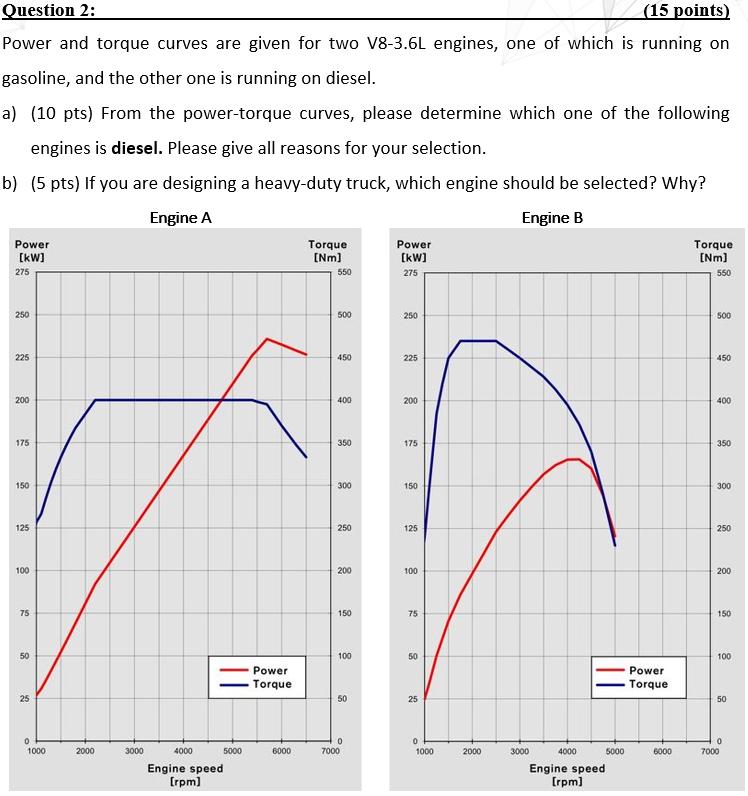
The higher compression ratio translates directly to greater thermodynamic efficiency. Modern iterations of this technology achieve thermal efficiency rates between 45% and 50%, compared to roughly 30-35% for their gasoline counterparts. That efficiency gap matters enormously when a truck burns through 20,000 gallons of fuel annually.
Torque: The Critical Factor for Heavy Loads
Heavy-duty trucking demands massive low-end torque output to move payloads exceeding 80,000 pounds gross vehicle weight. These powertrains deliver peak rotational force at relatively low RPMs — typically between 1,200 and 1,600 RPM — which is ideal for pulling heavy loads up grades and accelerating from stops.
A typical Class 8 truck produces between 1,650 and 2,050 lb-ft of torque, enabling consistent performance under load without excessive engine strain. This characteristic makes compression-ignition power uniquely suited to the stop-start demands of freight hauling and the sustained power requirements of mountain passes.
Efficiency and Operating Cost Advantages
Fleet operators make purchasing decisions based on total cost of ownership over the vehicle’s lifetime. When analyzed through this lens, the economic case for these powertrains becomes compelling. Fuel efficiency advantages of 25-40% over gasoline alternatives translate to savings of $15,000-$25,000 annually per truck at current fuel prices.
The diesel engine vs gasoline engine efficiency comparison becomes even more dramatic under load. While gasoline powertrains lose efficiency rapidly when stressed, compression-ignition systems maintain relatively stable fuel consumption rates even when operating near maximum towing capacity. This predictability helps fleet managers budget accurately and maintain profit margins on tight freight contracts.
| Performance Metric | Compression-Ignition (Class 8) | Gasoline Equivalent | Advantage |
|---|---|---|---|
| Thermal Efficiency | 45-50% | 30-35% | +40% approx. |
| Peak Torque (lb-ft) | 1,650-2,050 | 700-900 | +130% approx. |
| Fuel Economy (loaded, mpg) | 5.5-7.5 | 3.0-4.5 | +65% approx. |
| Typical Engine Life (miles) | 800,000-1,200,000 | 200,000-350,000 | +300% approx. |
| Annual Fuel Cost (avg.) | $55,000-$70,000 | $85,000-$110,000 | 30-40% savings |
Engine Durability and Longevity
Commercial trucking demands extraordinary reliability. A Class 8 truck typically covers 100,000 to 150,000 miles per year, and operators expect powertrains to last through multiple service intervals without major overhaul. The diesel engine lifespan and reliability comparison against alternatives consistently favors this technology by a wide margin.
Heavy-duty compression-ignition powertrains are engineered with cast-iron blocks, forged steel crankshafts, and robust bearing assemblies designed to withstand millions of combustion cycles. Major manufacturers like Cummins, Detroit Diesel, and PACCAR report average overhaul intervals of 800,000 to 1,000,000 miles when maintenance schedules are followed properly.
Real-World Durability Data
According to fleet data compiled by the American Transportation Research Institute in 2025, well-maintained heavy-duty powertrains in long-haul applications averaged 1.05 million miles before requiring major internal repairs. Some operators report individual units exceeding 1.5 million miles with proper care — a testament to the inherent engine durability of this technology.
This longevity directly impacts residual values. Trucks equipped with proven compression-ignition powertrains retain 15-25% more value at resale compared to alternative fuel vehicles of the same age, according to used truck market data from J.D. Power’s 2025 Commercial Vehicle Report.
Fuel Injection Technology: A Key Innovation Driver
Modern heavy-duty powertrains bear little resemblance to the noisy, smoke-producing units of decades past. Advances in fuel delivery systems have dramatically improved power density, emissions performance, and refinement. Understanding diesel engine fuel injection system types helps explain how the technology has evolved to meet increasingly stringent EPA regulations while improving performance.
Common rail direct injection (CRDI) now dominates the heavy-duty market, operating at pressures exceeding 2,500 bar. This allows multiple precisely timed injection events per combustion cycle — pilot injections for noise reduction, main injections for power, and post-injections for emissions aftertreatment regeneration. The result is cleaner, quieter, and more efficient operation than ever before.
Emissions Control Progress
Modern aftertreatment systems — including diesel particulate filters (DPF), selective catalytic reduction (SCR), and diesel oxidation catalysts (DOC) — have reduced NOx and particulate emissions by over 98% compared to unregulated levels. Current EPA standards ensure these powertrains operate far cleaner than many consumers realize.
Maintenance Considerations for Fleet Operators
While these powertrains are inherently durable, they require disciplined maintenance to achieve their full potential. Following diesel engine maintenance tips for trucks can mean the difference between a million-mile powertrain and a premature failure at 400,000 miles.
Critical maintenance practices include strict oil change intervals (typically every 25,000-50,000 miles with synthetic oils), fuel filter replacements, coolant system monitoring, and DPF maintenance. The absence of spark plugs, distributors, and throttle bodies eliminates several failure points common to spark-ignition systems.
| Maintenance Item | Typical Interval | Estimated Cost | Impact of Neglect |
|---|---|---|---|
| Oil & Filter Change | 25,000-50,000 miles | $300-$500 | Bearing failure, shortened life |
| Fuel Filter Replacement | 15,000-30,000 miles | $75-$150 | Injector damage, power loss |
| Coolant Service | 300,000 miles / 5 years | $200-$400 | Overheating, liner pitting |
| DPF Cleaning | 200,000-400,000 miles | $500-$1,000 | Derating, forced regeneration |
| Injector Replacement | 400,000-600,000 miles | $2,000-$4,000 | Rough running, excess emissions |
The Competitive Landscape: Alternatives and Their Limitations
Battery-electric trucks have gained significant attention, with manufacturers like Tesla, Freightliner, and Volvo offering Class 8 BEV options. However, as of early 2026, these vehicles face meaningful constraints for long-haul applications. Battery weight reduces payload capacity by 8,000-12,000 pounds, charging infrastructure remains limited along freight corridors, and purchase prices remain 2-3x higher than conventional equivalents.
Hydrogen fuel cells represent another emerging alternative, though commercial availability remains limited to pilot programs. Natural gas options exist but offer lower energy density and require specialized fueling infrastructure. For the foreseeable future, compression-ignition technology remains the pragmatic choice for operators prioritizing towing capacity, range, and proven economics.
Key Takeaways
The dominance of compression-ignition powertrains in heavy-duty trucking is not inertia — it reflects genuine engineering and economic advantages that alternatives have not yet matched at scale. Superior thermal efficiency, extraordinary longevity, unmatched low-speed torque, and a mature support ecosystem make this technology the rational choice for commercial operators focused on total cost of ownership.
As the industry evolves, fleet managers must stay informed about emerging technologies while making sound decisions based on current operational realities. If you’re evaluating powertrain options for your fleet or need guidance on heavy-duty vehicle specifications, feel free to Contact Us for expert consultation tailored to your specific requirements.
Frequently Asked Questions
Why do heavy-duty trucks use compression-ignition power instead of gasoline?
These powertrains produce significantly more low-end torque, achieve 25-40% better fuel economy under load, and last 3-4 times longer than gasoline alternatives. For vehicles that cover 100,000+ miles annually carrying heavy payloads, these advantages translate to hundreds of thousands of dollars in lifetime savings per truck.
How long can a well-maintained heavy-duty truck powertrain last?
With proper maintenance, modern Class 8 powertrains routinely achieve 800,000 to 1,200,000 miles before requiring major internal work. Some well-maintained units exceed 1.5 million miles. This exceptional longevity is a primary reason fleet operators continue choosing this technology.
Are these powertrains still relevant given the push toward electric trucks?
Yes. While battery-electric options are gaining ground in short-haul and regional applications, weight penalties, charging time, infrastructure gaps, and higher acquisition costs currently limit their viability for long-haul heavy freight. Industry analysts project that compression-ignition power will remain dominant in Class 8 long-haul through at least 2035.
What makes modern fuel injection systems superior to older mechanical systems?
Common rail direct injection operates at pressures above 2,500 bar with electronic precision, enabling multiple injection events per cycle. This produces cleaner combustion, lower noise, better fuel economy, and dramatically reduced emissions compared to older mechanical pump systems — all while increasing power output.
What are the most critical maintenance practices for maximizing powertrain life?
Strict adherence to oil change intervals, timely fuel filter replacement, coolant system monitoring, and proper DPF maintenance are essential. Using manufacturer-specified fluids and filters, avoiding extended idle periods, and addressing diagnostic codes promptly can add hundreds of thousands of miles to a powertrain’s service life.


