Fuel Injector Problems: Causes, Symptoms, and Solutions
Understanding Common Injection System Failures: Causes, Symptoms, and Solutions
The injection system is one of the most critical components in any modern internal combustion engine. When a fuel injector begins to malfunction, it can trigger a cascade of performance issues ranging from rough idling to complete engine failure. With over a decade of hands-on experience in automotive diagnostics and engine component analysis, this guide walks you through everything you need to know about identifying, troubleshooting, and resolving injection-related problems.
Whether you manage a fleet of commercial vehicles or maintain passenger cars, understanding how these precision spray nozzles deteriorate over time is essential. This comprehensive resource covers the most common failure modes, diagnostic approaches, and proven solutions that keep engines running at peak efficiency.
How Modern Injection Systems Work
Before diving into failure modes, it helps to understand the basic operating principles of electronic injection components. These devices are electromechanical valves that atomize fuel into a fine mist, delivering it directly into the combustion chamber or intake manifold at precisely timed intervals. The entire process is controlled by the engine control unit (ECU), which adjusts spray duration and timing based on multiple sensor inputs.
Modern systems operate at extremely high pressures — direct injection engines can exceed 2,000 bar in some designs. This precision engineering means that even microscopic contamination or wear can significantly affect performance. The spray pattern, droplet size, and injection timing all must remain within tight tolerances for optimal combustion.
The system works in concert with other engine components including the intercooler, turbocharger, and exhaust management systems. When one element fails, it often places additional stress on others, creating compounding issues that can be expensive to resolve if left unaddressed.
Fuel Injector Clogging: The Most Common Failure
What Causes Clogging
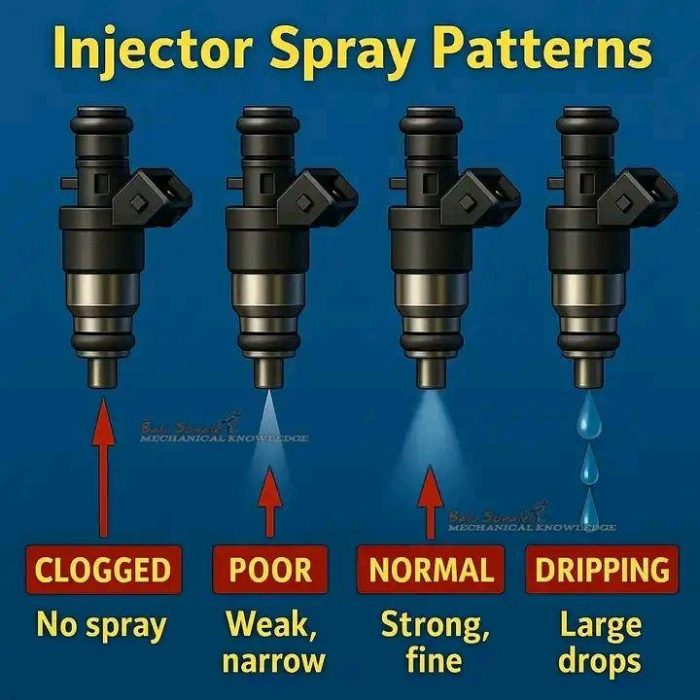
Clogging is by far the most frequently encountered issue with spray nozzles across all engine types. The problem develops when fuel deposits — primarily composed of olefins, waxes, and other hydrocarbon compounds — accumulate on the nozzle tip and internal passages. Over thousands of operating cycles, these deposits restrict flow and distort the spray pattern.
According to a 2024 study by the Society of Automotive Engineers (SAE), approximately 35% of all injection-related warranty claims are attributable to deposit formation. The problem is particularly acute in engines that frequently operate on short trips, as the components never reach optimal operating temperature to burn off light deposits naturally.
Several factors accelerate deposit formation. Fuel that sits in the tank for extended periods undergoes oxidation, forming varnish-like substances. Low-quality fuel with inadequate detergent additives also contributes significantly. Additionally, engines with forced induction systems often run hotter around the nozzle tip area, baking deposits into harder formations that are more difficult to remove.
Symptoms of a Clogged Nozzle
A partially clogged spray nozzle typically manifests through several observable symptoms. Engine misfires at idle or low RPM are often the first sign, as reduced fuel delivery to one or more cylinders creates an imbalanced combustion process. Drivers may notice rough idling, hesitation during acceleration, or a subtle loss of power that worsens over time.
More advanced clogging can trigger the check engine light, typically with codes P0171 (system too lean) or P0300-P0308 (misfire detected). Fuel economy typically decreases by 10-25% depending on severity, as the ECU compensates for lean conditions by increasing injection duration on functioning cylinders.
| Clogging Severity | Flow Restriction | Typical Symptoms | Recommended Action |
|---|---|---|---|
| Mild | 5-15% | Slight rough idle, minor fuel economy decrease | Additive-based cleaning treatment |
| Moderate | 15-30% | Noticeable hesitation, intermittent misfire codes | Professional ultrasonic cleaning |
| Severe | 30-50%+ | Persistent misfires, power loss, failed emissions | Component replacement |
Solutions for Clogged Components
For mild to moderate clogging, a professional cleaning service can restore flow rates to near-original specifications. Many vehicle owners search for a fuel injector cleaning service near me when they first notice symptoms — this is often the most cost-effective initial approach. Ultrasonic cleaning baths combined with specialized solvents can dissolve even stubborn deposits without damaging internal seals.
For direct injection engines, choosing the best fuel injector cleaner for direct injection engines matters significantly because these systems operate at much higher pressures and temperatures. Products containing polyether amine (PEA) chemistry have been shown in independent testing to be most effective at dissolving carbonaceous deposits specific to GDI systems.
If professional cleaning fails to restore acceptable flow balance (typically within 5% between cylinders), replacement becomes necessary. Quality aftermarket components from reputable suppliers often match or exceed original equipment specifications at a fraction of the dealer price.
Fuel Injector Leakage: A Dangerous Condition
Understanding Leak Pathways
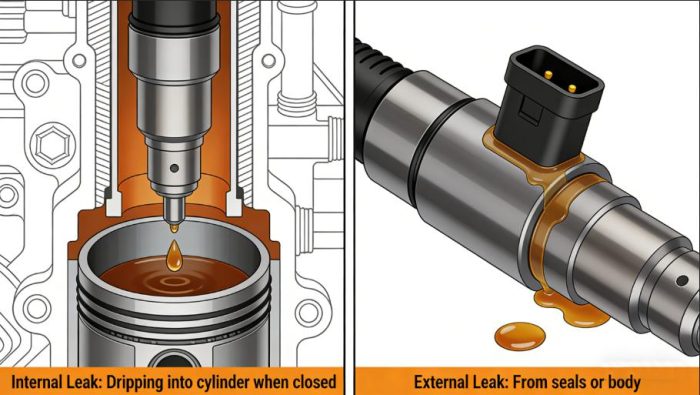
Leaking injection components represent a serious safety concern that demands immediate attention. Leaks can occur at several points: the O-ring seals where the component meets the fuel rail or intake manifold, the pintle seat inside the nozzle body, or through cracks in the component housing itself. Each leak pathway presents different risks and requires different remediation approaches.
External leaks — fuel escaping around seals — create a fire hazard and are often detectable by the smell of raw fuel in the engine bay. Internal leaks, where the nozzle fails to seal completely when closed, allow fuel to drip into the cylinder when the engine is off. This can wash lubricant from cylinder walls, dilute engine oil, and cause hydraulic lock on startup in severe cases.
Common Causes of Leakage
O-ring deterioration is the leading cause of external leakage. These rubber seals harden and crack over time due to heat cycling, fuel chemical exposure, and normal aging. The problem is accelerated in engines that frequently reach high operating temperatures or those with turbocharger systems that generate significant boost pressure in the intake manifold area.
Internal seat leaks typically result from contamination scoring the precision-machined sealing surfaces. Even a particle as small as 10 microns can prevent proper sealing when dealing with the tight tolerances involved. Corrosion from water contamination in fuel also attacks these surfaces, creating micro-pitting that allows fuel to seep past when the valve is closed.
Diagnosing and Resolving Leaks
External leaks are often visible during a careful engine bay inspection. Look for wet spots, fuel staining, or discoloration around the fuel rail connections. A pressure drop test — where the fuel system is pressurized and then monitored for decay — can confirm the presence and approximate location of leaks.
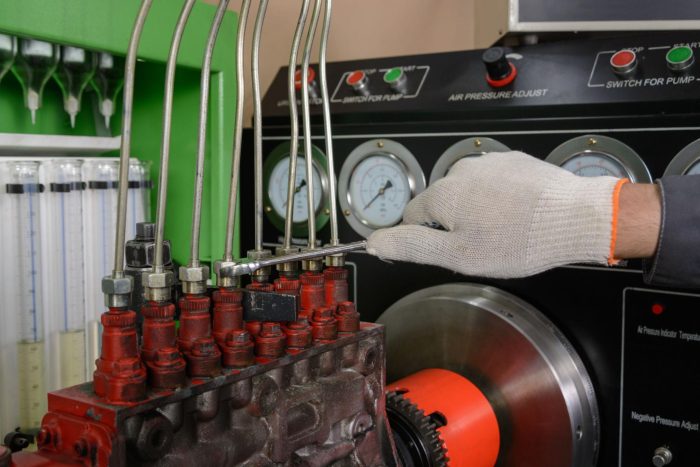
Internal leaks require a more sophisticated diagnostic approach. A leak-down test performed with the components removed, or monitoring fuel pressure bleed-down rate with the engine off, can identify which specific unit is not sealing properly. Many professional shops use flow bench testing to simultaneously evaluate spray pattern, flow volume, and leak-back rate.
For external seal leaks, replacement O-rings and seals are inexpensive and relatively straightforward to install. Internal leaks, however, typically require complete component replacement, as the sealing surfaces cannot be economically repaired to the required precision.
Injector Nozzle Wear: Degradation Over Time
How Wear Develops
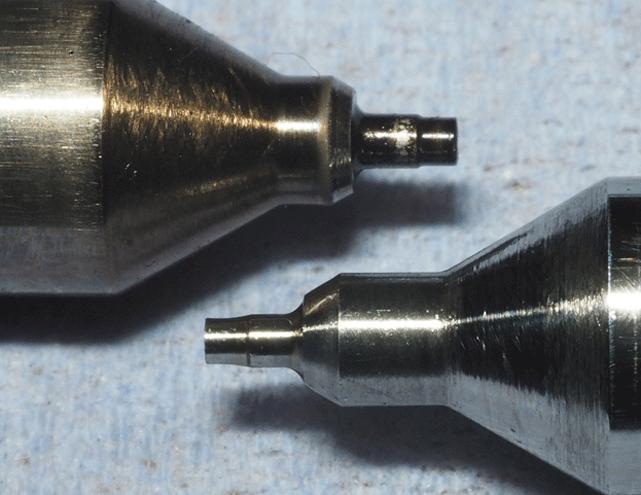
The nozzle tip is the most mechanically stressed portion of any injection component. Opening and closing thousands of times per minute, at pressures measured in hundreds or thousands of bar, the precision-ground surfaces gradually erode. This wear changes the spray geometry in ways that compromise combustion efficiency.
In diesel applications especially, nozzle wear is a primary concern. The tiny orifices through which fuel passes — often less than 0.2mm in diameter — are subject to cavitation erosion, abrasive wear from fuel contaminants, and thermal fatigue. High-sulfur or contaminated fuel dramatically accelerates this process.
For gasoline direct injection (GDI) engines, nozzle wear combines with deposit formation to create increasingly poor spray patterns over time. Research published in 2025 by the International Journal of Engine Research documented that GDI nozzles can lose up to 15% of their original flow area after 100,000 miles of typical use, even with quality fuel.
Symptoms of Worn Nozzles
Worn nozzles produce symptoms that often overlap with clogging, making diagnosis challenging without specialized equipment. The key differentiator is that worn components will not respond to cleaning treatments. If professional cleaning fails to restore performance, physical wear is the likely culprit.
Specific indicators of nozzle wear include increased smoke production (particularly in diesel engines), progressively worsening fuel economy that does not respond to maintenance, and a gradual loss of peak power. In diesel applications, the exhaust gas may take on a noticeably darker color under load as combustion deteriorates.
Flow bench testing reveals worn nozzles through asymmetric spray patterns and flow rates that exceed new-specification values (worn orifices become larger, flowing more fuel rather than less). This distinguishes wear from clogging, which restricts flow.
Addressing Nozzle Wear
Unlike clogging, physical wear is irreversible. Once nozzle orifices have eroded beyond tolerance, the only solution is replacement. The good news is that modern replacement components are engineered to meet or exceed original specifications. When selecting replacements, look for units that specify the correct spray angle, flow rate, and operating pressure for your application.
Preventive strategies can significantly extend nozzle life. Using high-quality fuel, maintaining clean fuel filters, and avoiding prolonged idling all reduce the rate of wear. For high-mileage engines, proactive replacement before symptoms appear can prevent the cascading damage that worn nozzles cause to catalytic converters and other emission components.
Electrical Failure in Electronic Injectors
Types of Electrical Failures
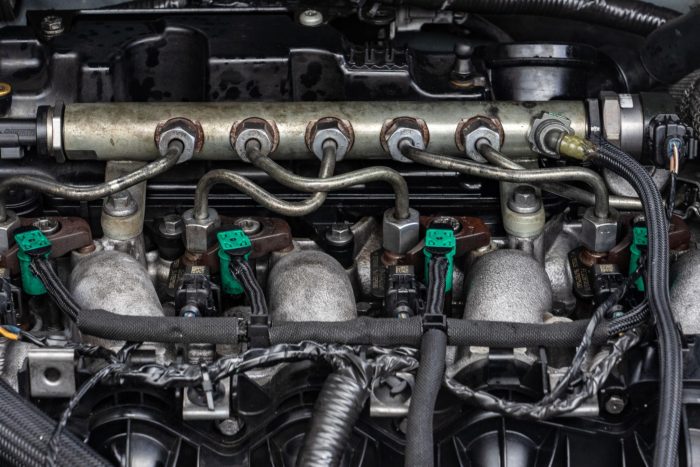
Modern electronic injection components rely on precisely controlled electrical signals to open and close at the correct timing. Electrical failures can manifest as open circuits (complete loss of signal), short circuits (component stuck open or drawing excessive current), or high-resistance conditions (sluggish response). Each failure mode produces distinct symptoms and requires different diagnostic techniques.
Solenoid coil failure is the most common electrical issue. The coil windings can break due to thermal stress, vibration fatigue, or corrosion. Over time, insulation between windings degrades, creating short circuits that change the component's impedance. The ECU detects this change and typically sets a diagnostic trouble code specific to the affected cylinder.
Connector and wiring harness problems account for approximately 25% of all injection electrical faults. Engine bay heat, vibration, and chemical exposure degrade connectors over time. Rodent damage to wiring is also surprisingly common, particularly in vehicles that sit unused for extended periods.
Diagnostic Approach for Electrical Issues
Diagnosing electrical injection failures requires a systematic approach. Start with a scan tool to identify which cylinder codes are present. Then measure coil resistance with a multimeter — most gasoline solenoid units should read between 11-18 ohms for high-impedance types or 2-5 ohms for low-impedance types. Values outside the specified range indicate coil damage.
For intermittent electrical faults, a noid light or oscilloscope can verify that the ECU is sending the correct trigger signal. This differentiates between a failed component and a failed driver circuit in the ECU itself — an important distinction that prevents unnecessary parts replacement.
| Measurement | Normal Range (High-Z) | Normal Range (Low-Z) | Indicates Failure When |
|---|---|---|---|
| Coil Resistance | 11-18 Ω | 2-5 Ω | Open (infinite) or shorted (near zero) |
| Insulation Resistance | >10 MΩ | >10 MΩ | Below 1 MΩ between pins and body |
| Voltage Drop (activated) | 0.5-2.0 V | 0.5-2.0 V | Excessive drop indicates high resistance |
| Current Draw | ~1 A peak | ~4 A peak | Significantly higher or lower than spec |
Resolving Electrical Failures
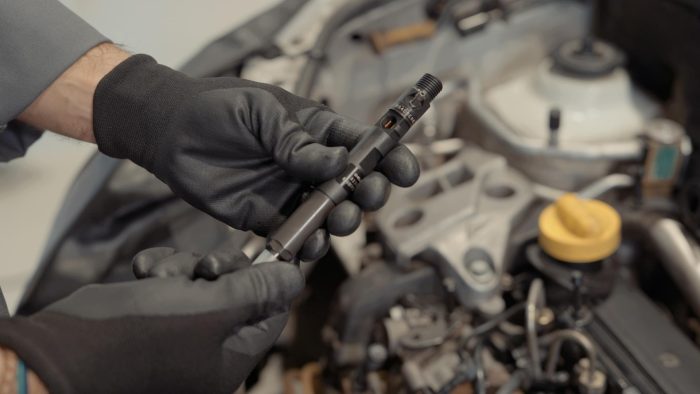
Connector issues can often be resolved by cleaning terminals with electrical contact cleaner and applying dielectric grease to prevent future corrosion. Damaged pins should be replaced using proper terminal repair kits rather than splicing, which can introduce resistance into the circuit.
For coil failures within the component itself, replacement is the only practical solution. When replacing a single unit due to electrical failure, it is advisable to test all remaining units on that bank, as they have experienced identical operating conditions and may be approaching failure as well.
For comprehensive technical support on diagnosing and resolving electronic injection system issues, professional resources can guide you through even complex failure scenarios with step-by-step procedures tailored to your specific engine platform.
Poor Fuel Quality: The Hidden Destroyer
How Bad Fuel Damages Injection Systems
Fuel quality is arguably the single most important factor determining injection system longevity. Contaminated or substandard fuel introduces abrasive particles, water, and chemical compounds that attack precision components from the inside. The damage is often cumulative and irreversible once it reaches critical levels.
Water contamination is particularly destructive. Even small amounts of water in fuel create corrosion on internal metal surfaces, promote microbial growth that generates acidic byproducts, and can cause catastrophic damage in diesel systems during cold weather when ice crystals form within tiny orifices. A 2025 industry survey found that water contamination was the root cause in 18% of all premature injection system failures in commercial vehicles.
Ethanol-blended fuels present their own challenges. While modern components are designed for standard E10 blends, higher ethanol concentrations can degrade certain seal materials and accelerate corrosion of brass and zinc components. Vehicles that sit for extended periods with ethanol fuel are particularly vulnerable as the alcohol absorbs atmospheric moisture through the tank vent system.
Identifying Fuel Quality Issues
Fuel quality problems often affect all cylinders simultaneously, unlike mechanical failures that typically present in individual units first. If all cylinders show lean codes, misfire randomly, or the engine runs poorly immediately after refueling, contaminated fuel should be suspected.
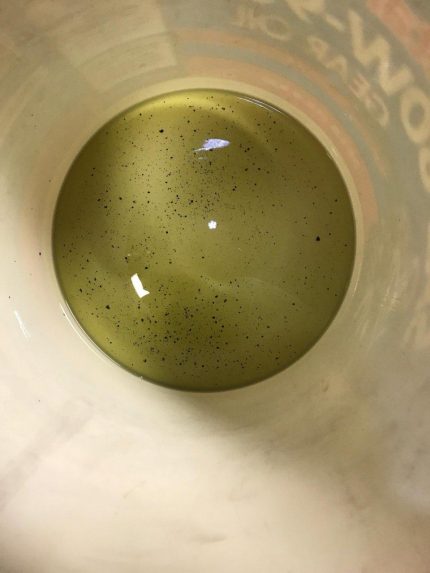
Visual inspection of fuel samples can reveal obvious contamination. Healthy gasoline should be clear and amber-colored; cloudiness indicates water emulsion, while dark sediment suggests tank corrosion or microbial contamination. Diesel fuel can be similarly evaluated, with any visible particulate matter indicating filtration system failure upstream of the injection components.
The wastegate and other exhaust system components can also provide clues about fuel quality issues. Turbocharger failures or excessive exhaust component fouling that coincides with injection system problems often points to a common cause in fuel contamination affecting the entire combustion process.
Protection Strategies
The most effective protection against fuel quality issues is sourcing fuel from reputable stations with high turnover. Fuel that has sat in underground tanks for extended periods is more likely to contain water from condensation and sediment from tank degradation. Top-tier fuel programs guarantee minimum detergent additive levels that provide measurable protection against deposit formation.
For vehicles in storage or infrequent use, fuel stabilizers prevent oxidation and moisture absorption. Keeping tanks full minimizes condensation space. Regular fuel filter replacement — typically every 20,000-30,000 miles for gasoline systems — ensures that any contamination is captured before reaching sensitive injection components.
Carbon Build-Up Around Injectors
The GDI Carbon Problem
Gasoline direct injection engines face a unique challenge that port injection systems largely avoid: carbon accumulation on intake valves and around injector tips. In port injection designs, fuel washing over intake valves acts as a natural solvent, preventing carbon deposits from forming. GDI systems spray fuel directly into the combustion chamber, leaving intake valves exposed to crankcase vapors and EGR gases that deposit carbon with nothing to wash them clean.
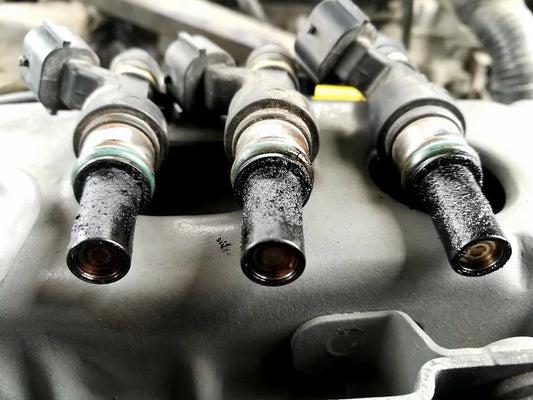
This carbon buildup affects injection system performance in several ways. Deposits around the nozzle tip alter spray geometry, creating poor atomization that leads to incomplete combustion — which generates more carbon in a self-reinforcing cycle. Heavy carbon buildup on valves reduces airflow, changing the air-fuel ratio that the injection system must deliver.
Research from the Automotive Engineering Institute published in early 2026 found that GDI engines can accumulate measurable carbon deposits within as few as 30,000 miles under certain driving conditions. Short trips, cold climates, and extended idling all accelerate the process.
Identifying Carbon-Related Performance Issues
Carbon buildup presents gradually, making it easy to miss until performance degradation becomes significant. Key indicators include a subtle reduction in throttle response, increasing fuel consumption over time with no other obvious cause, and occasionally a faint clicking or ticking noise from hardened deposits interfering with valve seating.
Borescope inspection through the spark plug port can visually confirm the extent of carbon accumulation. Many shops offer this as part of a comprehensive injection system diagnostic. Severe cases show intake valves almost completely coated in thick, hard carbon — sometimes restricting valve movement itself.
Removal and Prevention
For existing carbon deposits, several removal methods exist depending on severity. Chemical walnut-shell blasting has become the industry standard for intake valve cleaning in GDI engines. This process mechanically removes deposits without damaging valve surfaces. For nozzle-tip carbon, professional ultrasonic cleaning combined with appropriate solvents is typically effective.
Preventive measures include using catch cans to prevent crankcase oil vapors from reaching intake valves, periodic highway driving to raise operating temperatures and burn off light deposits, and running quality fuel with robust detergent packages. Some engine designers have adopted dual injection systems that supplement direct injection with port injection at certain operating conditions specifically to combat this carbon issue.
High Mileage and Natural Wear
Expected Service Life
All precision mechanical components have a finite service life, and injection system parts are no exception. Under ideal conditions — quality fuel, regular maintenance, normal operating temperatures — modern components can last 150,000 to 200,000 miles or more. However, real-world conditions rarely match the ideal, and many units begin showing degradation significantly earlier.
Understanding how often should fuel injectors be replaced depends heavily on the specific application, fuel quality available in your region, and maintenance practices. Ratherthan following a rigid mileage-based schedule, monitoring performance indicators and conducting periodic flow testing provides a more accurate picture of component health. Fleet operators typically establish replacement intervals based on their own historical failure data for specific engine platforms.
Signs of Age-Related Degradation
High-mileage injection components exhibit a combination of the failure modes discussed above. Seals harden and begin to seep, nozzle orifices erode to out-of-specification dimensions, solenoid coils develop increased resistance from heat-cycling stress, and internal passages accumulate deposits that resist cleaning. The challenge is that these changes happen gradually, so drivers often adapt to declining performance without realizing how far from optimal their engine is running.
A useful benchmark: if a component has been cleaned professionally and still fails to meet flow balance specifications within 5% of its cylinder-bank peers, age-related wear has likely progressed beyond the point of economical restoration. At this stage, replacement with quality aftermarket components delivers the best return on investment.
When considering fuel injector replacement cost 2026, prices vary significantly depending on vehicle make, engine type, and whether you choose dealer-sourced or quality aftermarket parts. The table below provides general guidance for common applications.
| Vehicle Type | Parts Cost (Set) | Labor Cost | Total Estimated Cost |
|---|---|---|---|
| 4-Cylinder Gasoline (Port Injection) | $120 - $300 | $100 - $200 | $220 - $500 |
| 4-Cylinder Gasoline (Direct Injection) | $250 - $600 | $200 - $400 | $450 - $1,000 |
| 6-Cylinder Gasoline (Port Injection) | $180 - $450 | $150 - $300 | $330 - $750 |
| 6-Cylinder Gasoline (Direct Injection) | $400 - $900 | $300 - $500 | $700 - $1,400 |
| 8-Cylinder Gasoline | $350 - $800 | $250 - $500 | $600 - $1,300 |
| Diesel (Common Rail) | $800 - $2,500 | $400 - $800 | $1,200 - $3,300 |
When to Replace vs. When to Repair
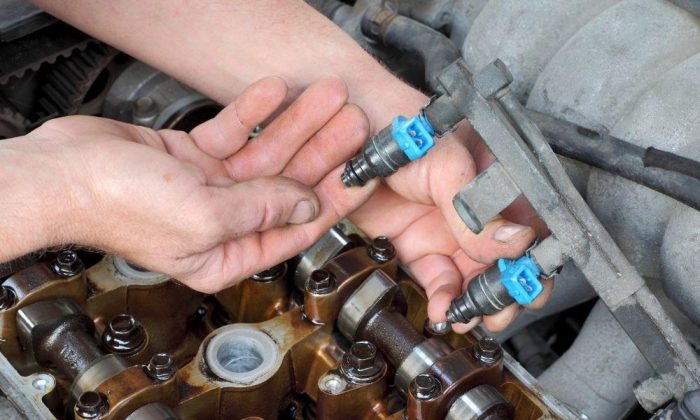
The decision between replacement and repair depends on several factors. If only one unit has failed in a set with moderate mileage, replacing the individual component may be appropriate. However, if the vehicle has accumulated significant miles, replacing the entire set simultaneously ensures balanced performance and prevents the frustration of sequential individual failures over the following months.
For commercial and fleet applications, the economics strongly favor proactive set replacement at predetermined intervals. The cost of unplanned downtime far exceeds the parts expense in most professional operations. Many fleet managers schedule replacement during other planned major maintenance events to minimize total shop time.
Sourcing quality replacement components is critical. Not all aftermarket parts deliver equal performance and longevity. Look for suppliers that provide detailed technical specifications, flow-testing data, and warranty coverage. Browsing by product category brand allows you to find components matched to your specific engine requirements from trusted manufacturers.
| Vehicle Type | Parts Cost (Set) | Labor Cost | Total Estimated Cost |
|---|---|---|---|
| 4-Cylinder Gasoline (Port Injection) | $120 - $300 | $100 - $200 | $220 - $500 |
| 4-Cylinder Gasoline (Direct Injection) | $250 - $600 | $200 - $400 | $450 - $1,000 |
| 6-Cylinder Gasoline (Port Injection) | $180 - $450 | $150 - $300 | $330 - $750 |
| 6-Cylinder Gasoline (Direct Injection) | $400 - $900 | $300 - $500 | $700 - $1,400 |
| 8-Cylinder Gasoline | $350 - $800 | $250 - $500 | $600 - $1,300 |
| Diesel (Common Rail) | $800 - $2,500 | $400 - $800 | $1,200 - $3,300 |
How to Extend Injection Component Life
Fuel System Maintenance Best Practices
The single most impactful action for preserving injection system health is maintaining a clean fuel supply chain. This starts with purchasing fuel from stations with high volume turnover, using top-tier brands that guarantee adequate detergent additive levels, and keeping the tank above one-quarter full to minimize condensation risk.
Regular fuel filter replacement is non-negotiable. The filter is the last line of defense before fuel reaches precision injection components. A clogged filter not only reduces fuel pressure (starving the system) but can also begin releasing trapped contaminants back into the fuel stream when its capacity is exceeded. Follow manufacturer intervals, or shorten them if operating in dusty environments or regions with questionable fuel quality.
Periodic use of quality fuel system cleaners helps maintain clean internal passages and nozzle tips between professional service intervals. Choose PEA-based products from established brands, and follow recommended dosage ratios. Over-concentration of cleaning additives can actually damage seals and coatings in some systems.
Professional Maintenance Schedule
Beyond daily driving practices, a structured professional maintenance schedule maximizes component life. The following recommendations represent industry best practices based on data from multiple fleet operations and independent repair facilities.
| Maintenance Action | Interval (Miles) | Interval (Time) | Purpose |
|---|---|---|---|
| Fuel filter replacement | 20,000 - 30,000 | Every 2 years | Prevent contaminant bypass to injection system |
| Fuel system cleaner additive | 5,000 - 7,500 | Every oil change | Maintain clean passages and nozzle tips |
| Professional flow testing | 60,000 - 80,000 | Every 5 years | Identify degradation before symptoms appear |
| Professional ultrasonic cleaning | 80,000 - 100,000 | As indicated by testing | Restore flow balance and spray pattern |
| O-ring and seal inspection | 60,000 | Every 4 years | Prevent external leaks before they develop |
| Complete fuel system inspection | 100,000 | Every 7 years | Comprehensive assessment of all system components |
Environmental and Storage Considerations
Vehicles stored for extended periods face unique injection system risks. Fuel left in the system oxidizes, forming varnish deposits that are particularly difficult to remove. Before long-term storage, add a quality fuel stabilizer, run the engine long enough to circulate treated fuel throughout the system, and ideally fill the tank completely to minimize the air space where condensation forms.
Operating environment matters significantly. Vehicles in coastal areas face salt-air corrosion risks to external electrical connections. Those in extremely hot climates experience accelerated seal degradation. Cold-climate vehicles may encounter fuel gelling issues (diesel) or moisture-related problems that stress injection components during cold starts.
For fleet managers and businesses exploring how different product category system configurations can address specific environmental challenges, consulting with experienced suppliers ensures the right components are specified for your operating conditions.
Choosing Quality Replacement Components
What to Look for in Aftermarket Part
Not all replacement injection components are created equal. Quality varies enormously across the aftermarket landscape, from precision-engineered units that match or exceed original specifications to budget parts that may fail prematurely or deliver suboptimal performance from day one.
Key quality indicators to evaluate include: precise flow rate matching (measured in cc/min at a standardized pressure), correct spray angle specification for your engine's combustion chamber geometry, appropriate impedance rating (high or low) matching your ECU's driver circuits, quality materials for internal seals and O-rings, and independent testing certification.
Reputable suppliers provide detailed technical data for each component, including flow tolerance specifications, spray pattern documentation, and material compatibility information. This transparency indicates confidence in product quality and enables informed purchasing decisions.
The Importance of Proper Matching
Installing incorrectly specified components can cause immediate performance issues or subtle long-term problems. Flow rate must match within tight tolerances — a 10% mismatch between cylinders creates noticeable roughness and emissions increases. Spray angle must match combustion chamber design to ensure proper fuel-air mixing and prevent cylinder wall washing that dilutes lubricant.
Electrical specifications must match the ECU's drive characteristics. Installing high-impedance components in a system designed for low-impedance units (or vice versa) can damage the ECU driver circuits, creating an expensive secondary failure. Always verify impedance compatibility before installation.
Mettlead offers comprehensive catalogs with precise cross-referencing to ensure correct component matching for your specific application. Their technical data includes all critical specifications needed to verify compatibility before purchase.
Working with Professional Suppliers
Whether you are a professional technician, fleet manager, or knowledgeable vehicle owner, having a reliable supplier for quality injection components and technical information makes a significant difference in outcomes. The right supplier provides not just parts, but the application expertise to ensure correct selection and the technical data needed for proper installation and verification.
Look for suppliers that offer comprehensive cross-referencing databases, detailed technical specifications for every component, and responsive support for application questions. The ability to verify flow rates, spray patterns, and electrical specifications before purchase prevents costly misapplication errors.
To learn more about available products, technical capabilities, and support services, visit the about us page for detailed company background and capabilities. For specific application questions or bulk pricing on fleet orders, the contact us page connects you directly with knowledgeable support staff who understand the technical requirements across thousands of applications.
Frequently Asked Questions
What are the most common signs that my injection system needs attention?
The most reliable early indicators include rough or uneven idling, unexplained decreases in fuel economy (typically 10-25%), hesitation or stumbling during acceleration, and the illumination of the check engine light with misfire or lean-condition codes. If you notice a raw fuel smell in the engine bay or from the exhaust, this may indicate a leak that requires immediate inspection. A single symptom may not confirm the diagnosis, but multiple symptoms occurring simultaneously strongly suggest injection system degradation.
Can I use fuel additives instead of professional cleaning or replacement?
Quality fuel system additives containing PEA (polyether amine) chemistry can effectively maintain clean injection components and address mild deposit accumulation. However, they have limitations. Additives work best as preventive maintenance rather than remediation for severe deposits. If components are heavily clogged (flow restriction exceeding 20-25%), additives alone typically cannot restore proper function. Similarly, additives cannot repair worn nozzle orifices, failed solenoid coils, or damaged seals. Think of additives as routine maintenance — effective at prevention, but not a substitute for professional service when significant problems have developed.
Should I replace all injection components at once, or just the one that failed?
This decision depends on vehicle mileage and how the components have been maintained. On a relatively low-mileage vehicle (under 60,000 miles) where one unit has experienced a manufacturing defect or isolated electrical failure, replacing only the failed component is reasonable. However, on high-mileage vehicles where all units have experienced identical operating conditions, replacing the complete set ensures balanced flow delivery across all cylinders and prevents the frustration of sequential individual failures. For fleet and commercial applications, replacing complete sets during scheduled maintenance events is almost always more cost-effective when factoring in labor and downtime costs.
How does direct injection differ from port injection regarding maintenance needs?
Direct injection systems operate at dramatically higher pressures (200-350+ bar vs. 3-5 bar for port injection) and face harsher operating conditions because the nozzle tip is directly exposed to combustion temperatures and pressures. This means direct injection components wear faster, are more sensitive to fuel quality, and cost significantly more to replace. They also face the unique challenge of carbon buildup on intake valves that port injection systems naturally prevent. Maintenance intervals for direct injection systems should generally be shorter, and fuel quality is even more critical. The higher operating pressures mean that any wear or contamination has amplified effects on spray quality and combustion efficiency.
What fuel practices best protect my injection system long-term?
The most impactful practices are: purchase fuel from high-volume top-tier stations that guarantee minimum detergent additive levels; replace fuel filters at recommended intervals (or sooner in harsh conditions); avoid running the tank to empty, as settled contaminants concentrate at the bottom; use a quality PEA-based system cleaner every 5,000-7,500 miles; for vehicles in storage, add stabilizer and fill the tank completely; and for diesel applications, ensure water separators are drained regularly and fuel is stored properly. These practices collectively can double or triple the service life of injection components compared to neglected systems operating on marginal-quality fuel.
Conclusion
Injection system health is fundamental to engine performance, fuel efficiency, and emissions compliance. Whether dealing with clogging, leakage, nozzle wear, electrical failures, poor fuel quality, carbon accumulation, or simpleage-related degradation, a systematic diagnostic approach combined with quality replacement parts delivers reliable, long-lasting results. The key principles to remember are: maintain clean fuel supply, follow structured maintenance schedules, address symptoms early before they cascade into larger problems, and source components from suppliers who provide verified technical specifications and application support.
Proactive maintenance is always more economical than reactive repair. By investing in regular fuel system care — quality fuel, timely filter changes, periodic professional testing, and appropriate cleaning intervals — you protect not only the injection components themselves but also downstream systems including catalytic converters, oxygen sensors, and emission control devices that suffer collateral damage from poorly performing spray nozzles.
For vehicle owners and fleet operators seeking reliable components, expert guidance, and proven solutions for injection system challenges, partnering with knowledgeable suppliers who understand the technical demands across diverse engine platforms ensures that every repair delivers maximum performance and longevity. Your engine deserves precision-engineered components backed by real technical expertise — and your operation deserves the reliability and efficiency that proper injection system maintenance provides.


