Introduction
Heavy-duty diesel trucks operate in extremely demanding conditions. Long-haul routes, full-load cargo transport, and continuous engine runtime push every fuel system component to its operational limit. Unlike light vehicles, commercial trucks require precise, consistent fuel pressure to sustain torque, maintain speed, and avoid unexpected downtime.
Most fleet owners and professional technicians prioritize high-profile fuel components. Fuel injectors, main fuel pumps, and filter assemblies routinely get checked during service intervals. Even with strict maintenance routines, one tiny yet critical component is consistently overlooked: the fuel pressure regulator.
The fuel pressure regulator acts as the fuel system’s pressure gatekeeper. It balances incoming fuel flow, stabilizes line pressure, and returns excess diesel to the fuel tank. Without a fully functional regulator, fuel pressure will either spike too high or drop too low, breaking the precise air-fuel ratio required for clean, efficient combustion.
What makes regulator failures so dangerous is their gradual progression. These faults do not appear overnight. Instead, minor pressure inconsistencies slowly worsen over thousands of miles. Early symptoms are subtle and easy to dismiss as normal truck performance variations.
As the problem escalates, drivers face weak acceleration, excessive fuel burn, rough idling, and even sudden engine shutdowns on highways. For commercial fleets, these issues translate directly into delayed shipments, expensive roadside repairs, and shortened engine lifespan.
To help truck operators identify and resolve regulator-related issues before they escalate, this guide breaks down unique failure causes, recognizable warning signs, professional troubleshooting steps, and long-term prevention strategies. For complementary fuel system protection tactics, explore our detailed guide on heavy truck fuel system maintenance to build a full-coverage service routine.
What Is a Fuel Pressure Regulator, and How Does It Work in Heavy Trucks?
Before diving into fault diagnosis, it is essential to understand the unique role of a heavy-duty fuel pressure regulator. Many new technicians confuse this component with fuel pumps or pressure sensors, leading to misdiagnosis and unnecessary part replacements.
In simple terms, the fuel pressure regulator is a precision control component designed to maintain constant fuel rail pressure under all engine load scenarios. Whether the truck is idling, climbing steep gradients, or cruising at highway speeds, the regulator adjusts fuel volume to match engine demand.
Heavy truck regulators differ drastically from passenger vehicle versions. Commercial-grade units feature thicker internal diaphragms, heavy-duty calibrated springs, and reinforced housing. These upgrades allow them to withstand high diesel pressure, constant vibration, and long-hour operation.
Two primary regulator types dominate modern heavy-duty truck fleets: mechanical fuel pressure regulators and electronic fuel pressure regulators. Each type has distinct working principles and failure patterns.
Mechanical regulators operate passively using internal spring and diaphragm mechanics. They react automatically to fuel line pressure without ECU input. When pressure exceeds factory preset levels, the return port opens to redirect excess fuel back to the tank. When pressure drops, the port closes to preserve stable line pressure.
Electronic regulators offer smarter, more precise control. Connected directly to the truck’s engine control unit, they adjust fuel pressure in real time based on RPM, load weight, coolant temperature, and driving conditions. This adaptive control optimizes fuel efficiency and reduces engine wear during variable operation.
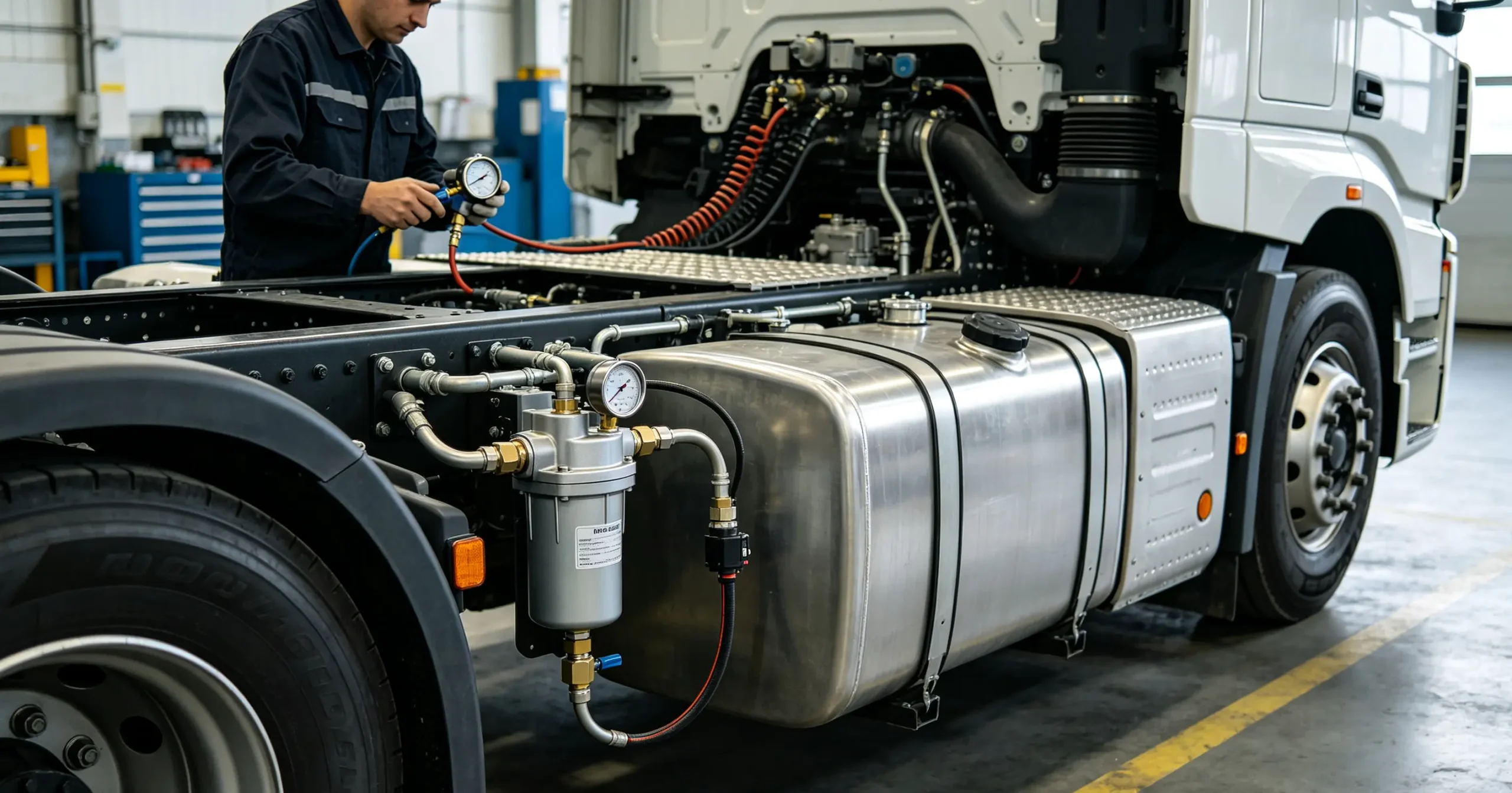
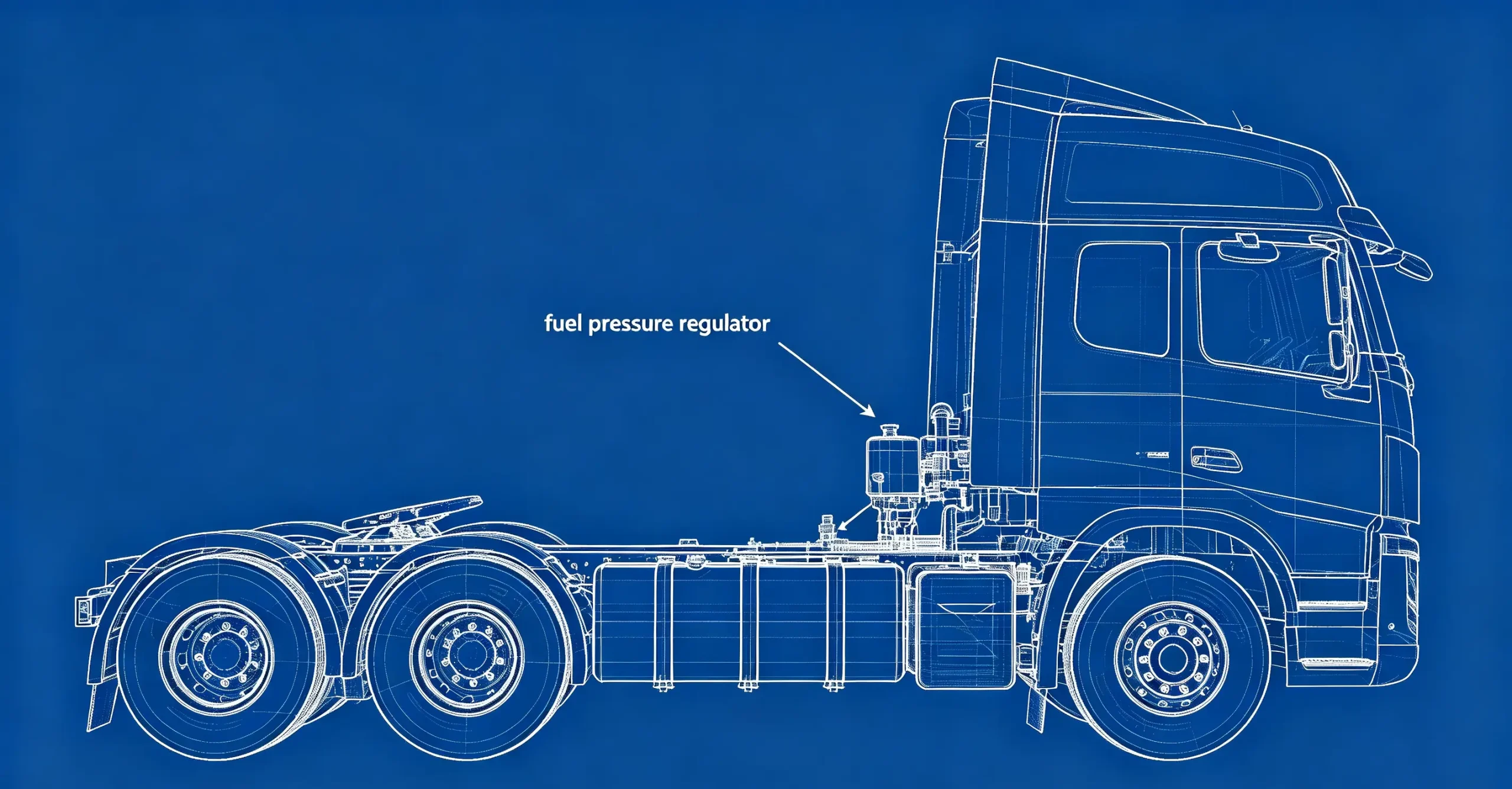
Common mounting locations also vary by truck model. Regulators typically install on the fuel rail, adjacent to the secondary fuel filter housing, or near the fuel transfer pump on the chassis frame rail. Understanding your regulator’s exact position helps speed up inspection and replacement during repairs.
Since pressure regulators work closely with filter systems, confusion between related components is common. You can clarify functional differences between core fuel system parts by reviewing our analysis of truck fuel filter and water separator functions.
Core Root Causes of Fuel Pressure Regulator Failure in Heavy-Duty Trucks
After analyzing thousands of fleet repair records, industry technicians have identified six leading causes of premature regulator failure in commercial trucks. Unlike sudden mechanical breakdowns, these issues develop progressively due to poor fuel quality, neglected maintenance, and harsh operating environments.
Each cause creates unique internal damage to the regulator assembly, leading to specific drivability faults. Learning to match failure causes with symptoms allows for accurate, one-time repairs instead of repeated trial-and-error fixes.
1. Contaminated Diesel and Unfiltered Fuel Impurities
Poor fuel quality is the number one cause of regulator damage in global heavy-duty fleets. Many long-haul drivers purchase low-cost, unregulated diesel to cut operational costs. While this saves money temporarily, it introduces massive amounts of harmful impurities into the fuel system.
Subtle contaminants including fine metal shavings, carbon sediments, colloidal sludge, and suspended water particles flow directly into the regulator. The component’s ultra-fine internal passages and flexible diaphragm are extremely vulnerable to these abrasive materials.
Over time, solid particles scratch and erode the diaphragm surface. Tiny micro-leaks form, which disrupt pressure holding capacity. Meanwhile, sticky sludge accumulates on valve components, restricting movement and preventing proper pressure adjustment.
This type of damage is cumulative. Even small amounts of contaminated fuel, used consistently, will degrade regulator performance within 12 to 24 months, far earlier than the factory-designed service life.
2. Natural Aging of Internal Rubber and Elastomer Parts
Every fuel pressure regulator relies on rubber gaskets, O-rings, and flexible diaphragms to maintain airtight, pressure-sealed operation. These elastomer materials have a finite service life, regardless of driving conditions.
Continuous contact with diesel fuel gradually breaks down rubber elasticity. Materials slowly harden, become brittle, and develop micro-fractures. Temperature fluctuations between hot engine operation and cold outdoor weather accelerate this aging process further.
Once the diaphragm loses flexibility, it can no longer expand and contract accurately to regulate pressure. Degraded sealing rings allow air intrusion and minor fuel leakage. Both issues create unstable fuel pressure that directly impacts engine combustion quality.
Trucks operating for three or more years without fuel system component servicing are highly susceptible to this failure mode. Routine visual inspections can catch aging seals before they cause full system failure.
3. Chassis Vibration and Road Debris Impact Damage
Heavy trucks regularly travel over rough rural roads, uneven construction pavements, and bumpy mountain terrain. These conditions generate constant high-frequency vibration across the entire chassis.
Since fuel pressure regulators mount externally on frame rails or fuel rails, they absorb full vibration force during every trip. Over time, persistent shaking loosens mounting bolts and creates internal component fatigue.
Internal spring tension weakens, diaphragm alignment shifts, and valve seating becomes imperfect. In severe cases, road debris like flying gravel and loose asphalt strikes the regulator housing, causing physical deformation and internal misalignment.
Unlike internal engine parts, externally mounted fuel components face constant environmental exposure, making vibration and impact damage unavoidable without regular inspections.
4. Mismatched Fuel Pressure From a Degraded Transfer Pump
The fuel transfer pump and pressure regulator work as a paired system. The pump delivers consistent fuel volume, while the regulator stabilizes pressure. When the transfer pump begins to fail, the entire system balance collapses.
A weakening transfer pump produces inconsistent fuel flow, including sudden pressure spikes and low-pressure dips. These irregular pressure cycles force the regulator to work overtime, constantly adjusting far beyond its normal operational range.
Extended overworking fatigues the internal regulator spring and weakens diaphragm responsiveness. In many repair cases, technicians replace the regulator only to find the same issue returns weeks later, simply because the faulty transfer pump was overlooked.
5. Overdue Fuel Filter Replacements
Fuel filters act as the primary defense line for all precision fuel system components. They trap sediment, rust, and debris before contaminants reach injectors, pumps, and regulators.
When truck operators skip scheduled filter changes, clogged filters lose their filtering capacity. Debris bypasses the filter media and flows directly into the delicate regulator assembly.
Gradual internal clogging restricts the regulator’s movable parts. The unit begins to stick open or closed, creating fixed high pressure or chronic low-pressure issues. This is one of the most preventable yet most common causes of regulator failure.
6. Electrical Faults in Electronic Regulator Systems
Electronic fuel pressure regulators rely on clean power supply, stable ECU signals, and intact wiring harnesses to function correctly. Any electrical disruption directly disables pressure regulation accuracy.
Road salt, rain moisture, and chassis dust accumulate on electrical connectors over time. This buildup causes pin corrosion, poor contact, and intermittent signal loss. Frayed wiring from chassis vibration also creates unstable power delivery.
When the ECU loses communication with the regulator, the component defaults to a fixed safety mode. It can no longer adapt pressure to engine load, resulting in poor performance, rough idling, and reduced fuel economy.
Key Warning Signs of a Failing Fuel Pressure Regulator
Recognizing early regulator failure signs is the best way to avoid costly roadside breakdowns. Many drivers mistake these symptoms for injector issues or engine wear, leading to incorrect repairs and wasted budget.
The following symptoms directly correlate with regulator degradation. Each sign indicates a specific type of internal failure, allowing precise diagnosis during service.
1. Sluggish Acceleration and Reduced Load Power
When fuel pressure fails to reach factory specifications, the engine cannot receive sufficient fuel during high-demand scenarios. This becomes extremely noticeable when hauling heavy cargo, climbing hills, or merging onto highways.
The truck will feel slow to respond to throttle input, struggle to maintain consistent speed, and lack the usual torque required for heavy-duty work. This symptom typically points to a pressure leak or weakened internal spring inside the regulator.
2. Unstable Idling and Persistent Engine Vibration
Stable idle depends entirely on balanced fuel pressure across all engine cylinders. A faulty regulator creates fluctuating fuel delivery, leading to uneven cylinder combustion.
You will notice constant RPM fluctuation while stationary, paired with noticeable engine shaking that transfers into the cabin. This issue worsens significantly when the engine reaches full operating temperature.
3. Drastically Increased Fuel Consumption
A stuck-open regulator causes excessive fuel pressure, flooding the combustion chamber with more diesel than required. The excess fuel cannot fully burn and exits the engine as wasted exhaust.
Additionally, the engine ECU compensates for unregulated pressure inconsistencies by adjusting injection timing and fuel volume. This compensation further increases fuel burn, creating a sharp, unexplained rise in weekly fuel costs for fleets.
4. Thick Black Exhaust Smoke
Black smoke is a definitive sign of a rich fuel mixture, which occurs when too much diesel enters the cylinders without matching air volume. Regulator over-pressure is one of the top causes of this issue in heavy trucks.
If you observe dense black smoke during acceleration or idle, the regulator is likely stuck in an open position, allowing unregulated high fuel pressure into the fuel rail.
5. Long Crank Times and Difficult Cold Starts
A leaking fuel pressure regulator cannot hold residual line pressure after engine shutdown. All fuel pressure bleeds back into the tank overnight or during short stops.
As a result, the transfer pump must rebuild full fuel pressure from zero every time you start the truck. This creates extended cranking cycles, hard starting, and occasional failed ignition attempts.
6. Visible Fuel Leaks and Strong Diesel Odors
Degraded gaskets and cracked diaphragms create external fuel seepage around the regulator housing. You will notice damp, dark staining around mounting ports and fuel line connections.
Accumulated leaked diesel produces a strong, persistent fuel odor around the chassis and inside the cabin. This issue poses both environmental and fire safety risks if left unaddressed.
7. Spontaneous Engine Stalling During Operation
In advanced failure stages, the regulator completely loses pressure control ability. Fuel flow becomes highly erratic, causing sudden engine shutdown while driving.
This is an extremely hazardous symptom on busy highways. It creates immediate traffic safety risks and requires emergency roadside service. Many underlying power-related issues mimic this fault, so you can differentiate causes with our guide on truck engine power loss common causes.
Pre-Service Preparation for Regulator Inspection & Testing
Proper preparation ensures safe, accurate testing and prevents secondary component damage during repairs. Skipping these preparatory steps often leads to inaccurate test results and repeat failures.
Start by parking the truck on flat, level workshop ground. Always engage the parking brake and chock all tires to prevent accidental rolling during service. Working on sloped ground increases fuel spill risk and creates unsafe working postures.
Shut off the engine completely and allow a 15-minute cooling period. This waiting period lets residual fuel pressure bleed naturally from lines and reduces hot-surface burn risks.
Prepare all required tools beforehand: precision fuel pressure gauge, socket wrench set, clean collection basin, lint-free workshop rags, insulated gloves, and a multimeter for electronic regulator testing.
Clean dust, mud, and road grime from the regulator and surrounding chassis area. Debris falling into open fuel lines during disassembly causes new clogging issues after repair.
Clear the work zone of all flammable materials. Spilled diesel is highly flammable, and enclosed workshop spaces amplify fire hazards. Always follow standard heavy truck chassis safety protocols outlined in truck chassis parts installation tips.
Step-by-Step Regulator Testing, Troubleshooting & Replacement Process
This professional workflow applies to all mainstream heavy-duty truck models, including Sinotruk, FAW, Shacman, and Dongfeng. Independent mechanics and fleet maintenance teams can follow these steps for consistent, reliable results.
Step 1: Document All Active Fault Symptoms
Before performing any disassembly, start the engine and record every bad behavior. Note idle stability, throttle response, exhaust smoke density, fuel odors, and stalling incidents.
Documented symptoms help you distinguish regulator faults from pump, injector, or sensor issues. This step eliminates guesswork and ensures targeted repairs.
Step 2: Perform Static and Dynamic Fuel Pressure Testing
Connect a calibrated fuel pressure gauge to the fuel rail test port. Begin with static pressure testing while the engine idles, then perform dynamic testing by gradually increasing engine RPM.
Compare all recorded readings against the manufacturer’s official pressure specifications. Consistent over-pressure indicates a stuck closed return valve, while low-pressure readings point to diaphragm leaks or weak springs.
Step 3: Inspect Fuel Lines, Fittings and External Damage
Visually inspect all inlet, outlet, and return fuel lines connected to the regulator. Check for cracked hoses, loose clamps, swollen tubing, and damp leak marks.
Tighten loose fittings carefully and replace any aged fuel hoses. Damaged line walls can collapse under load and create pressure inconsistencies unrelated to the regulator itself.
Step 4: Test Electrical Connections (Electronic Regulators Only)
Use a multimeter to verify steady power supply, ground continuity, and signal voltage at the regulator connector. Inspect pins for corrosion, water intrusion, and bending damage.
Repair frayed wiring and clean corroded connectors. After repairs, confirm stable ECU signal transmission to rule out electrical causes of pressure irregularities.
Step 5: Safely Remove the Faulty Regulator
Place a fuel collection basin directly beneath the regulator to catch residual diesel during disassembly. Loosen fuel line fittings slowly to release pressure gradually and avoid fuel spray.
Remove mounting bolts gently and detach the regulator from its bracket. Avoid twisting fuel lines excessively to prevent permanent line deformation and cracking.
Step 6: Clean Mounting Surfaces and Inspect Adjacent Parts
Wipe away old gasket residue, dirt, and sludge from the mounting base. Inspect nearby fuel passages for blockages that could impact new regulator performance.
Use this service window to quickly inspect the condition of the fuel transfer pump and filter assembly. Fixing secondary issues at the same time prevents repeat system faults.
Step 7: Install New OEM-Spec Regulator With Fresh Seals
Always install brand-new gaskets and O-rings with the new regulator. Reusing old seals is the top cause of post-repair leaks and air intrusion.
Align the new unit correctly on the mounting bracket, thread bolts by hand to avoid cross-threading, and torque bolts to factory-specified values. Never over-tighten, as this warps the regulator housing.
Step 8: Reconnect Lines and Electrical Harnesses
Reattach all fuel lines and secure hose clamps firmly. Double-check every connection to eliminate loose fittings. For electronic models, plug in connectors until you hear a firm locking click.
Verify no wiring strands are exposed and no lines are pinched or misaligned before proceeding to the next step.
Step 9: Fully Bleed Trapped Air From the Fuel System
Any time fuel lines are opened, air enters the closed system. Trapped air creates unstable pressure, rough idling, and false regulator fault symptoms.
Operate the manual fuel pump repeatedly until no more air bubbles appear at the bleed port. Secure all bleed screws tightly once purging completes.
Step 10: Test Run and Verify Pressure Stability
Start the engine and idle for several minutes while monitoring for fuel leaks. Recheck fuel pressure at idle and elevated RPM to confirm readings match factory standards.
Complete a short low-speed test drive to confirm all previous symptoms are resolved. For standardized professional service workflows, reference our heavy truck maintenance steps guide.
Common Technician Mistakes During Regulator Replacement
Even professional technicians frequently make avoidable errors during regulator service. These small mistakes lead to premature failure, repeat repairs, and customer complaints.
1. Reusing Worn Seals and Gaskets
Removed rubber seals retain permanent compression deformation. They cannot form airtight seals after reinstallation. Reused gaskets always lead to slow leaks and air intrusion within hundreds of miles.
2. Installing Universal Aftermarket Regulators
Generic regulators feature generic spring calibration and pressure thresholds. These values rarely match specific engine requirements. Improper pressure ratings cause persistent performance issues even after successful installation.
3. Skipping Post-Installation Pressure Testing
Many technicians finish assembly and release the truck without verifying pressure readings. Hidden fitting issues or minor misalignments remain undetected, creating breakdown risks on the road.
4. Neglecting System Air Bleeding
Unbleached air disrupts pressure stability. This creates rough running that mechanics often misdiagnose as a faulty new regulator, leading to unnecessary part returns and rework.
Long-Term Maintenance Strategies to Prevent Regulator Failure
Preventive maintenance is far more cost-effective than emergency repairs. Simple routine checks can double or triple the service life of your fuel pressure regulator and entire fuel system.
1. Use Only High-Quality, Filtered Diesel Fuel
Premium clean diesel minimizes internal component wear significantly. Reduced sediment and water content protects delicate diaphragms and valve structures from abrasion and corrosion.
Avoid unregulated low-cost fuel sources, especially for fleet trucks logging high annual mileage.
2. Follow Strict Fuel Filter Replacement Intervals
Fuel filters serve as the primary barrier against contaminants. Adhere to factory replacement mileage intervals, and shorten service cycles if operating in dusty, high-pollution environments.
3. Conduct Monthly Fuel System Visual Inspections
Set a monthly inspection routine to check regulator conditions, hose integrity, and connection tightness. Early detection of minor leaks or loose bolts prevents major failures later.
Standardize your inspection process with our downloadable truck monthly maintenance checklist.
4. Avoid Prolonged Full-Load Operation
Continuous peak-load operation keeps the fuel system at maximum pressure for hours. This accelerates fatigue wear on all pressure-control components. Schedule regular engine rest breaks during long hauls.
5. Regularly Drain Water From Fuel Water Separators
Water accumulation in fuel systems corrodes metal parts and degrades rubber components. Scheduled water draining preserves fuel system cleanliness and protects regulator internal structures.
OEM-Grade Heavy Truck Fuel System Parts Supply
The reliability of your fuel pressure regulator directly determines fuel system stability and engine health. Generic aftermarket parts often fail prematurely, leading to repeated downtime.
We supply full OEM-standard fuel pressure regulators, sealing kits, and supporting fuel system components for all major heavy truck brands. Every part matches factory dimensional and pressure specifications for direct bolt-on installation.
We support retail single-unit orders and large fleet wholesale bulk purchases. Global shipping and professional remote technical support help fleet owners and repair shops minimize downtime worldwide.
For one-stop heavy truck spare part sourcing and professional maintenance guidance, visit our official website at mettlead.com.
Frequently Asked Questions About Fuel Pressure Regulators
1. Can I continue driving with a minor regulator fault?
It is not recommended. Minor regulator faults progress rapidly under load. Delayed repairs can damage expensive fuel injectors, wear out the fuel pump, or cause sudden highway stalling with serious safety risks.
2. How do I tell if low pressure comes from the regulator or fuel pump?
Static pressure testing differentiates the two faults. If the pump builds stable pressure but cannot maintain it, the regulator is leaking. If pressure fails to build at all, the transfer pump is the primary fault.
3. What is the average service life of a heavy-duty fuel pressure regulator?
With clean fuel and regular maintenance, regulators last 2 to 4 years. Poor fuel quality and neglected filters can reduce service life to under 1 year.
4. Can mechanical and electronic regulators be interchanged?
No. Each type matches unique ECU programming and fuel circuit design. Swapping regulator types causes total pressure control failure and engine running faults.
5. Why is fuel pressure still high after installing a new regulator?
Common reasons include blocked fuel return lines, incorrect regulator specifications, or trapped air in the fuel circuit. Addressing these three issues resolves post-repair pressure spikes.
Conclusion
The fuel pressure regulator is one of the most critical yet underappreciated components in heavy-duty truck fuel systems. Its role in stabilizing fuel pressure directly impacts engine power, fuel efficiency, combustion quality, and overall fleet reliability.
Most regulator failures stem from preventable causes: contaminated fuel, overdue filter service, aging seals, and continuous chassis vibration. Learning to spot early warning signs allows fleet managers to shift from emergency repairs to planned maintenance.
When replacement is necessary, always choose OEM-matched components, complete full system air bleeding, and verify pressure accuracy post-installation. These small professional steps eliminate repeat faults and extend fuel system service life.
By implementing consistent preventive maintenance routines, truck operators can drastically reduce fuel system downtime, cut repair costs, and maximize the long-term performance of their heavy-duty fleets.


