
Introduction
The clutch release bearing, also known as a throwout bearing, serves as a core wearable component of a heavy-duty truck’s clutch system. Positioned between the clutch pressure plate and transmission housing, it endures high-speed rotation, continuous friction and repeated load impact every time drivers press or release the clutch pedal. As a critical connector for clutch engagement and disengagement, its healthy operation directly governs shifting flexibility and power transmission stability.
Long-haul and construction trucks routinely operate in harsh environments, so minor wear on the release bearing often goes unnoticed in early stages. As time passes, these tiny faults gradually worsen, triggering abnormal noise, clutch jamming, incomplete clutch separation, and even full clutch breakdowns. These issues not only compromise driving experience and operational efficiency but also cause unexpected roadside failures that cost fleet owners substantial time and money in repairs and downtime.
Unlike sudden engine or transmission faults, release bearing damage develops progressively. For this reason, learning to recognize early warning signs, understanding root triggers, and following professional repair and maintenance practices can effectively extend the lifespan of the entire clutch assembly, cut down vehicle failure rates, and keep freight trucks running steadily.
In this practical guide, we break down the most common release bearing failure signs, analyze key internal and external causes, share accurate field diagnosis methods, and offer step-by-step repair solutions and daily upkeep tips to help drivers and mechanics resolve clutch release bearing problems thoroughly.
What Is a Truck Clutch Release Bearing & Working Principle
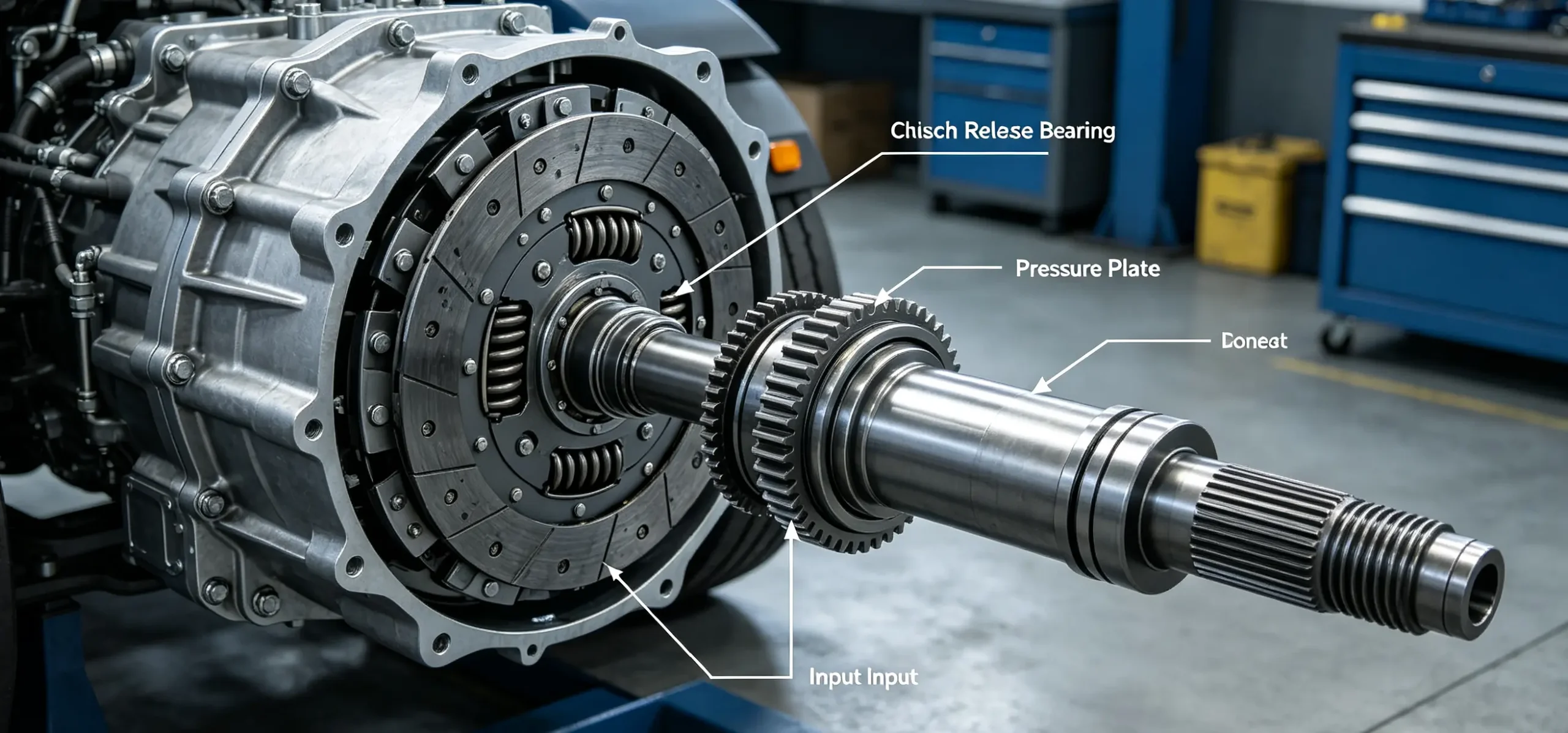
The clutch release bearing is a specialized precision rolling bearing designed to withstand the harsh operating conditions of heavy-duty truck clutches. Mounted on the transmission input shaft sleeve and paired with the clutch release fork, it ranks among the most frequently worn parts in a truck’s chassis transmission system.
Its working mechanism is straightforward yet essential for normal truck operation. When the clutch pedal is depressed, the release fork pushes the bearing axially toward the engine. This action presses the diaphragm spring on the pressure plate, releasing the clutch disc and cutting off engine power to the transmission for smooth gear changes. Once the pedal is released, the bearing resets, the diaphragm spring bounces back, and the clutch disc re-engages to resume power transmission.
Throughout daily operation, the release bearing constantly spins at high speed and switches between friction and idle states. It bears alternating load impacts and frequent start-stop friction, making it highly susceptible to wear, aging, sticking and overheating damage. If the bearing fails, clutch separation will be compromised, and severe cases will trigger cascading faults in the overall clutch and transmission system.
6 Common Symptoms of Faulty Clutch Release Bearing
Release bearing failures produce distinct warning signs that differ from clutch disc wear, pressure plate damage and transmission malfunctions. The following six typical symptoms allow mechanics and drivers to quickly identify bearing issues during routine driving and maintenance checks.
1. Abnormal Humming Noise When Pressing the Clutch Pedal
Unusual noise is the most obvious and earliest indicator of a worn release bearing. With the engine running and the truck in neutral, pressing the clutch pedal creates a consistent humming or buzzing sound near the clutch housing, which disappears immediately once the pedal is fully released.
This issue mainly stems from insufficient lubrication, worn internal rollers or loose bearing clearances. When the worn bearing spins rapidly under pressure, internal friction and vibration generate noticeable noise. Early-stage noise is faint and only audible with a fully pressed clutch, but wear aggravation will make the sound louder and pair it with slight pedal vibration.
2. Clutch Pedal Vibration and Unsmooth Rebound
A defective release bearing creates uneven stress distribution during clutch operation. When stepping on the pedal, drivers can feel obvious jitter and vibration transferring upward. Meanwhile, the pedal rebounds slowly and sluggishly, failing to return to its original position smoothly and instantly.
This problem occurs due to partial eccentric wear and internal jamming inside the bearing. Uneven bearing rotation disrupts the force balance of the release fork and pedal linkage, resulting in poor pedal feedback and delayed rebound. Without timely maintenance, this issue will worsen and cause further wear and deformation of linked components.
3. Incomplete Clutch Separation & Difficult Gear Shifting
If the release bearing is heavily worn or stuck in place, it cannot complete its full axial movement. This limits the diaphragm spring’s pressing stroke, leaving the clutch disc partially attached to the pressure plate and flywheel.
In actual driving, this leads to stiff gear engagement, loud gear grinding sounds during shifts, and even failed gear changes. Many people misdiagnose this as a transmission fault, yet the real root cause is a faulty release bearing preventing complete clutch separation.
4. Slight Noise and Jitter During Idle Operation
In the late failure stage, abnormal noise will appear even when the clutch pedal is untouched during engine idling. The clutch housing produces intermittent faint noise and obvious vibration, which intensifies as engine speed rises.
This symptom indicates severe bearing wear, loose internal structure and failed positioning. The bearing can no longer operate stably at high speed, producing irregular vibration and noise — a clear sign that immediate replacement is necessary.
5. Burning Smell from the Clutch Housing
Long-term dry friction caused by insufficient lubrication or a stuck bearing generates extreme heat. This high temperature burns off internal bearing grease and scorches rubber seals and nearby clutch parts, releasing a sharp, pungent burning odor from the clutch housing area.
At this stage, the bearing has sustained thermal ablation damage. Continuing to drive will lead to complete bearing seizure, total clutch failure and inability to shift gears, posing serious safety risks for on-road operation.
6. Clutch Pedal Stuck and Inflexible
In the final failure phase, the bearing locks up completely and loses all rotational and axial movement. This locks the clutch release fork in place, leaving the clutch pedal stuck either fully pressed or unable to depress. In this state, the clutch remains permanently engaged or disengaged, making normal driving and gear shifting impossible.
Core Causes of Clutch Release Bearing Failure
Most release bearing failures are not caused by manufacturing defects. Instead, they result from improper driving habits, neglected maintenance and harsh working environments. The following causes cover nearly all common failure scenarios for heavy-duty truck release bearings.
1. Unreasonable Clutch Operation Habits
Poor driving practices are the leading cause of premature bearing wear. Many truck drivers habitually keep the clutch half-pressed for long periods, frequently tap the clutch while idling, or hold a half-clutch state while waiting or traveling downhill.
A half-clutch state keeps the release bearing in constant contact with the diaphragm spring and running at high speed. Continuous friction generates excess heat, depletes internal lubricating grease rapidly, and leads to dry friction wear and early component aging.
2. Insufficient Lubrication or Grease Deterioration
Release bearings rely entirely on high-temperature resistant internal grease to minimize operational friction. After long-term use, internal grease volatilizes, oxidizes and degrades, resulting in insufficient lubrication. Additionally, external dust, metal filings and moisture penetrate the bearing interior, breaking down lubrication and accelerating abrasive wear.
Unlike regular engine oil changes, bearing lubrication is often overlooked in routine maintenance. Long-term lubrication shortages remain one of the most common hidden causes of premature release bearing failure.
3. Long-Term Overload and Severe Working Conditions
Heavy-duty trucks often work in mining, construction and long-distance logistics scenarios with heavy payloads, bumpy roads and frequent start-stop cycles. Overloading increases clutch transmission torque, forcing the release bearing to withstand far greater axial pressure and impact force during operation.
Frequent shifting and continuous road vibration create irregular stress on the bearing, triggering local eccentric wear, internal structural loosening and accelerated failure.
4. Incomplete Clutch Pedal Return
Damaged return springs, loose linkage parts or blocked pedal travel can prevent the clutch pedal from fully resetting. As a result, the release bearing stays under constant pressure without idle rest time, speeding up wear and aging significantly.
5. Use of Inferior Aftermarket Bearings
To cut short-term maintenance costs, many fleet managers install low-quality aftermarket release bearings. These cheap parts feature substandard material hardness, poor sealing and weak high-temperature resistance. They often suffer grease leakage, structural deformation and rapid wear after installation, leading to repeated failures and higher long-term operational costs.
6. Transmission Oil and Dust Invasion
Worn clutch housing seals allow external dust, sediment and transmission oil to enter the assembly. These impurities destroy the bearing’s internal lubrication system, create abrasive friction, and eventually cause jamming and premature failure.
Step-by-Step Diagnosis for Release Bearing Faults
In field maintenance, release bearing issues are often mistaken for clutch disc, pressure plate or transmission faults. The following practical diagnosis steps help pinpoint bearing failures accurately and avoid unnecessary disassembly and incorrect part replacement.
Step 1: Idle noise test. Start the engine and leave the truck in neutral. If no noise occurs with the clutch released but a clear humming sound appears when fully pressing the pedal, the release bearing is confirmed worn.
Step 2: Pedal feedback inspection. Press and release the clutch pedal repeatedly to check for vibration, sluggish movement or sticking. A faulty bearing delivers inconsistent pedal resistance, while healthy clutch components provide smooth, uniform feedback.
Step 3: Load and shift test. Test gear shifts at low and medium engine speeds. If gear grinding and difficult engagement coincide with clutch-related noise, the release bearing is causing incomplete clutch separation.
Step 4: Visual and smell check. Open the clutch housing inspection cover. Visible metal debris, black heat marks or a burnt odor inside the housing indicate severe bearing friction and thermal damage, requiring immediate replacement.
Step-by-Step Fixes for Faulty Release Bearings
It is important to note that worn or damaged release bearings cannot be repaired or restored through simple lubrication or adjustment. Direct replacement is the only effective solution. Below is the standardized truck parts replacement procedure for heavy-duty truck release bearings.
1. Prepare Tools and Safety Measures
Park the truck on level ground, engage the parking brake and shut off the engine. Gather basic hand tools, clean rags, high-temperature bearing grease and a new genuine release bearing. Allow the vehicle to cool completely to avoid burns during disassembly.
2. Disassemble the Transmission Assembly
Disconnect the battery negative terminal first to prevent short circuits. Remove transmission wiring, shift linkages and mounting bolts. Carefully separate the transmission from the engine and secure it on a support stand to expose the clutch assembly and release bearing.
3. Remove the Old Release Bearing
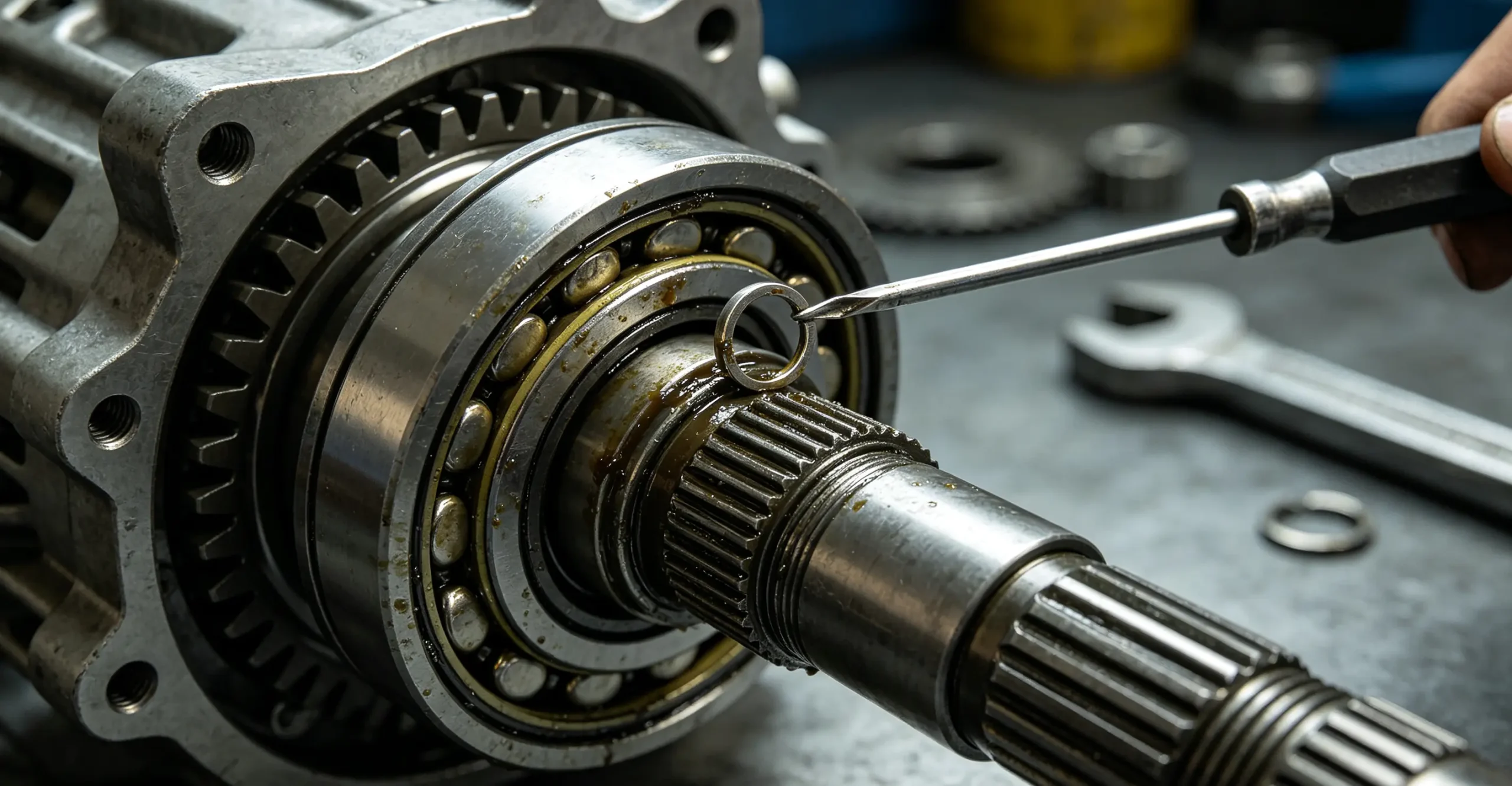
Release the release fork’s retaining snap ring, then slide the old bearing off the transmission input shaft sleeve. Inspect the old bearing for wear, sticking, grease loss and heat damage, and check the release fork for deformation or excessive wear at the same time.
4. Clean and Inspect Matching Parts
Thoroughly wipe away dust, metal shavings and degraded grease from the input shaft sleeve and release fork. Inspect the diaphragm spring for cracks or deformation and check the clutch disc for excessive wear. Replace any damaged matching parts to prevent recurring faults after reassembly.
5. Install the New Release Bearing
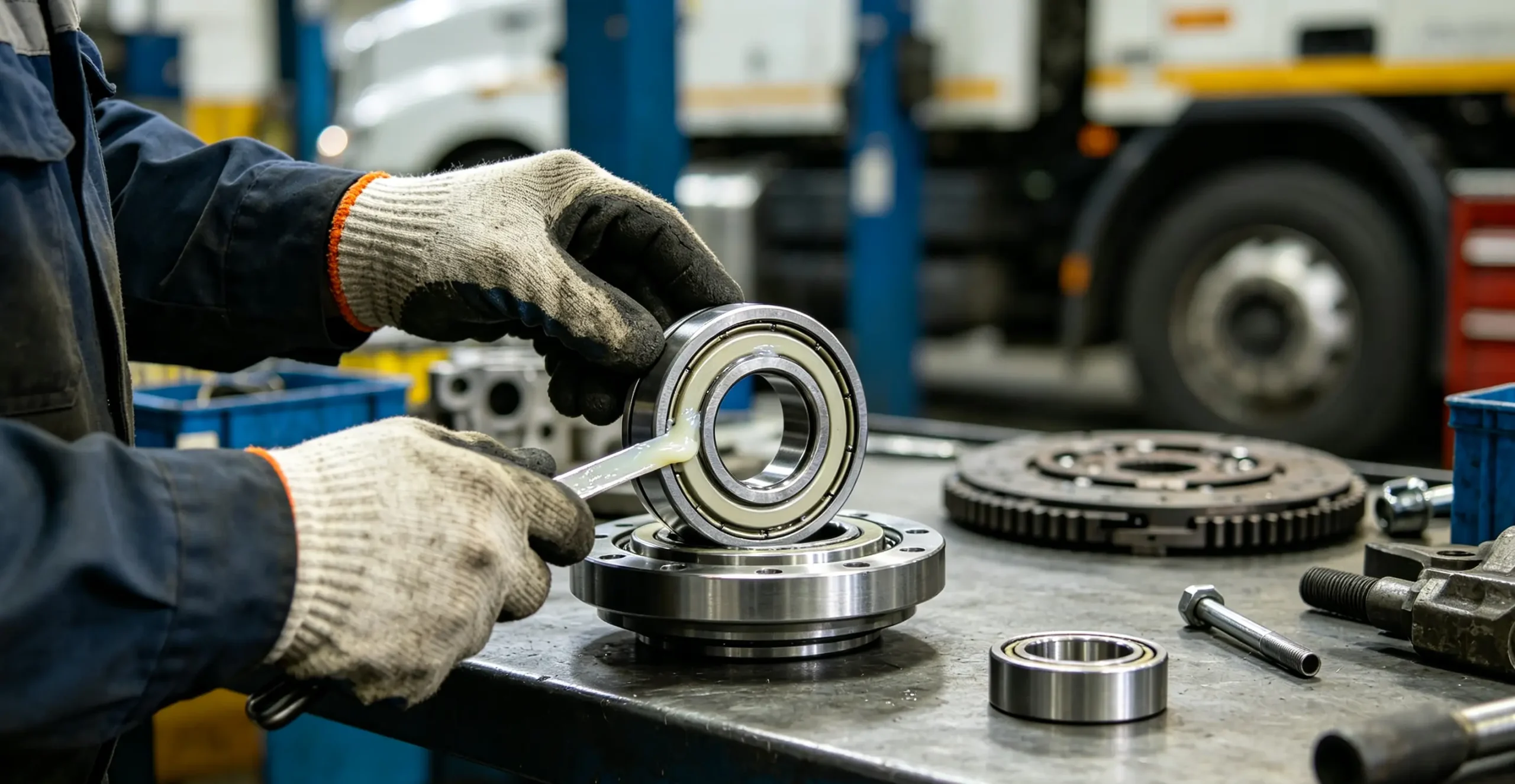
Apply a thin, even layer of high-temperature grease to the bearing inner sleeve and contact surfaces. Fit the new bearing into place and secure it with the snap ring. Confirm the bearing spins freely and slides axially without jitter or sticking.
6. Reassemble and Test
Align and reinstall the transmission assembly, tighten all mounting bolts evenly, and reconnect shift linkages and electrical wiring. After reassembly, start the engine and test clutch pedal response and gear shifting functionality to ensure no abnormal noise or vibration occurs.
Daily Maintenance Tips to Extend Release Bearing Service Life
Nearly all early release bearing failures stem from poor driving habits and neglected maintenance. Adopting scientific daily upkeep practices can greatly extend bearing lifespan and lower fleet maintenance costs over time.
1. Correct Clutch Operation Habits
Avoid half-clutch driving and unnecessary prolonged clutch pressing. Refrain from resting your foot on the clutch pedal while idling or waiting. Always release the pedal fully after shifting to ensure the bearing returns to an idle, unloaded state.
2. Regular Lubrication Maintenance
Apply fresh high-temperature bearing grease to the release bearing and fork contact points every 20,000 to 30,000 kilometers. Clean away old degraded grease and impurities before reapplying lubricant to ensure optimal friction reduction.
3. Avoid Long-Term Overload Driving
Always follow the truck’s rated load capacity. Overloading increases clutch system pressure and places excessive impact stress on the release bearing, accelerating fatigue wear and premature failure.
4. Check Clutch Return System Regularly
Inspect clutch return springs and linkages monthly to guarantee full, flexible pedal reset. Adjust pedal travel promptly if slow rebound or incomplete return appears, preventing continuous loaded operation of the bearing.
5. Use Genuine High-Quality Bearings
Always choose original or premium branded release bearings for replacements. High-precision sealing and professional high-temperature grease withstand harsh truck operating conditions, minimizing failure frequency and repeated repair work.
6. Keep Clutch Housing Sealed and Clean
Routinely check clutch housing seal integrity. Replace worn gaskets immediately to block dust, sediment and transmission oil from entering the housing and causing abrasive bearing wear.
Conclusion
Though small in size, the clutch release bearing plays an irreplaceable role in ensuring smooth shifting and safe operation for heavy-duty trucks. Early warning signs like clutch noise and pedal vibration are easy to overlook, yet delayed maintenance can lead to stiff shifting, clutch locking and costly unplanned downtime.
By accurately identifying failure symptoms, correcting bad driving habits, following professional replacement procedures, and sticking to regular inspection and lubrication routines, drivers and fleet managers can effectively reduce release bearing failure rates, extend the overall clutch system lifespan, and improve vehicle operational efficiency and economic benefits.


