Clutch Slipping: Causes, Symptoms, and Solutions for Truck Drivers
Introduction: Why Clutch Slipping Is a Critical Failure in Heavy Duty Trucks
Clutch slipping is one of the most serious and economically damaging drivetrain problems in heavy-duty trucks. Unlike simple mechanical faults that only affect comfort or noise levels, clutch slipping directly impacts the core function of a commercial vehicle — power transmission from engine to wheels. In real logistics operations, even a small amount of clutch slip can lead to significant reductions in climbing ability, load capacity, fuel efficiency, and overall fleet productivity.
In modern heavy-duty trucks such as SINOTRUK HOWO, SHACMAN X3000, FAW J6, Dongfeng KL series, and global brands like Volvo, Scania, and MAN, the clutch system is engineered to handle extremely high torque loads. However, in real-world working environments such as construction sites, mining transport, long-distance freight corridors, and mountainous routes, the clutch is constantly exposed to extreme stress conditions far beyond standard design expectations.

Over time, this continuous high-load operation leads to progressive wear of friction materials, heat accumulation in the clutch assembly, and gradual weakening of the pressure plate system. The problem is that clutch slipping rarely happens suddenly. Instead, it develops gradually over time, starting with subtle performance degradation and eventually evolving into complete power transfer failure if not properly addressed.
For fleet operators and maintenance engineers, understanding clutch slipping is not just about repair — it is about preventing downtime, controlling operational cost, and ensuring long-term vehicle reliability. That is why professional maintenance systems and structured inspection processes are essential.
For technical guidance and professional maintenance support, you can refer to our Technical Support page.
What Is Clutch Slipping
Clutch slipping refers to a condition where the clutch system fails to fully transmit engine torque to the transmission due to incomplete frictional engagement between the clutch disc and the flywheel. Under normal conditions, when the clutch pedal is fully released, the pressure plate applies strong mechanical force that locks the clutch disc tightly between the flywheel and pressure plate, creating a solid connection that allows full torque transfer.
However, when slipping occurs, this frictional connection becomes unstable. Instead of full engagement, partial contact occurs, meaning the clutch disc rotates at a different speed compared to the flywheel. This leads to a loss of energy efficiency and a mismatch between engine RPM and actual vehicle speed.
In heavy-duty truck applications, this issue becomes significantly more severe because torque loads are much higher than in passenger vehicles. When slipping begins, the friction surfaces rapidly generate heat. This heat further reduces friction coefficient, causing even more slipping. This creates a self-reinforcing failure loop: slipping generates heat, and heat increases slipping.
If not addressed early, this condition will eventually destroy the clutch friction material completely, requiring full system replacement.
Causes of Clutch Slipping
Clutch slipping is not caused by a single failure point but rather a combination of mechanical wear, thermal stress, environmental contamination, and operational behavior. One of the most common causes is friction material wear on the clutch disc. In heavy-duty trucking environments, especially under frequent stop-start conditions or high-load uphill driving, the friction surface wears significantly faster than normal design expectations.
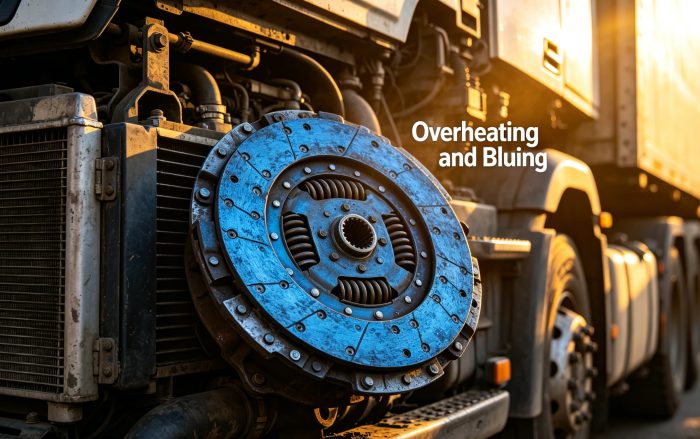
Another major contributing factor is overheating. When the clutch is used excessively under heavy load or improper driving techniques such as half-clutch control, excessive heat is generated. Once the temperature exceeds a critical threshold, the friction material undergoes glazing, which hardens the surface and reduces friction efficiency dramatically.
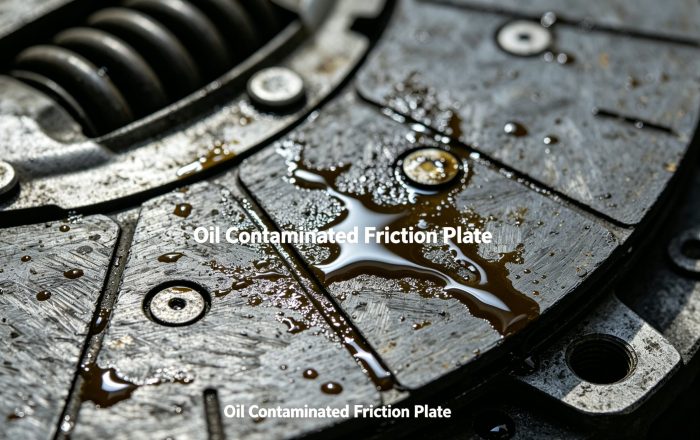
Oil contamination is also a critical but often underestimated issue. Even a small leak from engine rear seals or transmission input seals can contaminate the clutch surface. Because clutch systems rely entirely on dry friction, any oil presence immediately reduces grip strength, leading to rapid slipping.
Improper adjustment of the clutch system is another contributing factor. If hydraulic pressure is inconsistent or mechanical linkage is misaligned, the clutch may not fully engage even when the pedal is released, resulting in partial torque transfer.
For OEM-grade replacement parts, you can explore our Brand Product Category page.
For system compatibility solutions, check our System Product Category page.
Driver Behavior and Long-Term Wear Acceleration
Driver behavior is one of the most underestimated factors in clutch lifespan reduction. In real fleet operations, especially in logistics companies with multiple drivers per vehicle, inconsistent driving habits can significantly accelerate clutch degradation.
One of the most damaging habits is continuous clutch riding, especially in low-speed traffic conditions. This creates constant partial friction between clutch surfaces, generating heat even when the vehicle is not accelerating. Over time, this leads to premature wear of the friction lining.
Another major issue is aggressive load starting. When a fully loaded truck starts from a complete stop, excessive torque is required from the clutch system. If the clutch is released too quickly or too slowly, it creates abnormal stress distribution across the friction surface, resulting in uneven wear patterns.
Improper gear shifting techniques also contribute to long-term damage. Drivers who fail to fully disengage the clutch during shifting introduce micro-friction events that gradually reduce system efficiency.
Heat Damage and Thermal Degradation Mechanism
Heat is one of the most destructive forces in clutch system failure. During heavy load operation, the friction between clutch disc and flywheel generates significant thermal energy. If this heat is not dissipated effectively, it accumulates within the clutch assembly.
At high temperatures, the resin-based bonding materials in the friction lining begin to degrade. This process reduces structural integrity and leads to surface glazing. Once glazed, the clutch surface becomes hardened and loses its ability to generate sufficient friction force.
In extreme cases, excessive heat can also warp the flywheel surface or cause pressure plate deformation, leading to vibration, inconsistent engagement, and further mechanical imbalance.
Fleet Operation Stress Factor
Fleet-operated trucks experience significantly higher clutch wear compared to individually operated vehicles. This is due to continuous operation cycles, varying cargo loads, and multiple driver inputs.
Unlike single-driver vehicles where driving style remains relatively consistent, fleet vehicles are subjected to inconsistent driving behavior, which creates uneven wear patterns across clutch components. Additionally, long operational hours with minimal cooling intervals increase thermal stress accumulation.
These combined factors significantly reduce clutch lifespan and increase maintenance frequency, making structured fleet maintenance programs essential for cost control.
Real-world case studies can be found in our Cooperative Case Studies page.
Symptoms of Clutch Slipping
Clutch slipping symptoms typically begin subtly but become more obvious as the condition worsens. One of the earliest signs is a mismatch between engine RPM and vehicle acceleration. The engine may rev normally, but the truck fails to gain speed proportionally.
Another common symptom is a burning smell originating from the transmission area, especially under heavy load or uphill driving conditions. This smell is caused by overheating of friction material.
Additional symptoms include reduced pulling power, increased fuel consumption, and difficulty maintaining speed under load conditions.
Early Warning Micro-Symptoms
Before full clutch failure occurs, several micro-level symptoms can be detected. These include slight vibration during gear engagement, inconsistent pedal feedback, and minor delays in throttle response.
These early indicators are often overlooked but are extremely important for preventive maintenance. Detecting them early can significantly reduce repair costs and prevent sudden vehicle breakdowns.
Diagnosis Methods
Clutch slipping diagnosis requires a combination of road testing, load simulation, and mechanical inspection. Road testing evaluates RPM and speed correlation, while load testing confirms clutch behavior under stress conditions.
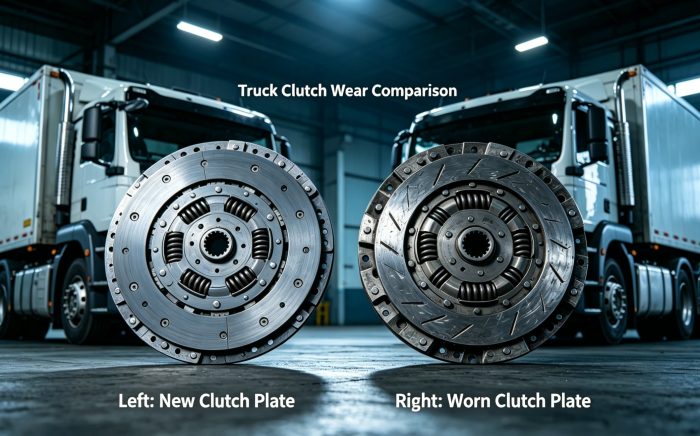
Workshop inspection focuses on clutch disc thickness, pressure plate condition, and flywheel surface integrity. Any signs of glazing, cracks, or uneven wear indicate system failure.
Solutions and Repair Strategy
The most effective solution for clutch slipping is full clutch assembly replacement. This includes clutch disc, pressure plate, and release bearing. Partial replacement is not recommended in heavy-duty applications due to mismatch risk.
If oil contamination is detected, the root cause must be repaired before installing new components.For technical support and direct consultation, please visit our Contact Us page.
Preventive Maintenance Strategy
Preventive maintenance is the most effective way to reduce clutch failure risk. Proper driving habits, regular inspection schedules, and load management play a key role in extending clutch lifespan.
Fleet operators should also monitor hydraulic systems, transmission seals, and clutch adjustment intervals to ensure consistent performance.
Company Support System
As a professional China-based heavy-duty truck parts supplier, we provide complete drivetrain, braking, engine, and electrical system solutions for global fleet customers.Learn more about our company on the About Us page.
FAQ
What causes clutch slipping in trucks?
Clutch slipping in heavy-duty trucks is primarily caused by friction material wear, overheating, oil contamination, and improper clutch adjustment. In real-world logistics operations, especially in long-distance freight and heavy-load transport, these issues are often accelerated by continuous high torque demands.
When the clutch disc becomes worn, the friction surface can no longer maintain proper grip against the flywheel. At the same time, excessive heat generated during uphill driving or overloaded starts can further degrade the friction material, leading to glazing and reduced performance. Oil leakage from the rear engine seal or transmission input shaft can also severely reduce friction efficiency, even if the clutch components are not physically worn.
For fleet operators using Chinese heavy-duty trucks such as SINOTRUK, SHACMAN, and FAW, these conditions are especially common due to mixed driving environments and varying driver behavior.
Can a truck still run with clutch slipping?
Yes, a truck can still operate when clutch slipping is in its early stage, but performance will continuously decline over time. In the beginning, the driver may only notice minor RPM fluctuations or reduced acceleration efficiency. However, as the condition worsens, the vehicle will gradually lose its ability to carry heavy loads or climb steep gradients effectively.
If ignored, clutch slipping will eventually reach a point where the engine produces power, but almost none of it is transferred to the wheels. At this stage, the truck may become completely immobilized, requiring emergency roadside repair or towing.
From a fleet management perspective, continuing to operate a truck with clutch slipping significantly increases the risk of secondary damage to the flywheel, pressure plate, and even transmission components, which dramatically increases total repair cost.
How serious is clutch slipping for fleet operations?
Clutch slipping is a highly critical issue for fleet operations because it directly impacts vehicle uptime, delivery schedules, and overall logistics efficiency. Even a single truck failure can cause chain disruption across multiple delivery routes, especially in time-sensitive freight operations.
In large fleets, repeated clutch failures also indicate deeper operational issues such as poor driving habits, overload conditions, or inadequate preventive maintenance systems. Over time, this leads to increased maintenance budgets and reduced fleet profitability.
For companies relying on continuous transport cycles, clutch system reliability is not just a mechanical concern but a core business performance factor.
What are the earliest signs of clutch failure?
The earliest signs of clutch failure are often subtle and easily ignored. One of the first indicators is a slight mismatch between engine RPM and vehicle acceleration. The engine may respond normally, but the vehicle feels less responsive than usual.
Another early warning sign is a faint burning smell, especially after uphill driving or heavy load operation. This indicates early-stage friction overheating inside the clutch assembly. In addition, drivers may notice small vibrations during gear engagement or a slight inconsistency in clutch pedal feel.
These micro-symptoms often appear weeks or even months before complete failure, which is why early diagnosis is essential for preventing costly breakdowns and downtime.
How can clutch lifespan be extended?
Clutch lifespan can be significantly extended through a combination of proper driving behavior, preventive maintenance, and use of high-quality components. Avoiding excessive clutch riding, reducing aggressive starts under full load, and ensuring smooth gear shifting are key factors in reducing unnecessary friction wear.
From a maintenance perspective, regular inspection of hydraulic systems, transmission seals, and clutch adjustment is essential. Even small leaks or misalignments can gradually reduce clutch efficiency over time.
Using OEM-quality clutch assemblies is also critical in heavy-duty applications. Low-quality components may initially perform normally but tend to fail prematurely under high torque conditions, especially in long-haul freight operations.
Is clutch slipping expensive to repair?
The cost of repairing clutch slipping depends on the severity of the damage. In early stages, adjustment or minor component replacement may be sufficient. However, in most heavy-duty truck cases, full clutch assembly replacement is required, including clutch disc, pressure plate, and release bearing.
If the issue is ignored for too long, additional components such as the flywheel or transmission input shaft may also become damaged due to prolonged heat and friction stress. This significantly increases total repair cost.
From a cost-control perspective, early diagnosis and timely repair are always more economical than waiting for complete failure.