Truck Repair: Common Problems, Causes & Expert Solutions for Heavy Duty Trucks
Introduction
Why Truck Repair Is the Backbone of Heavy-Duty Fleet Operations
Truck repair is not just a maintenance activity—it is a critical operational strategy that determines the efficiency, profitability, and reliability of modern logistics systems. In heavy-duty transportation industries, every minute of downtime directly translates into financial loss, delayed deliveries, and reduced fleet productivity.
Modern trucks such as SINOTRUK HOWO, FAW J6, SHACMAN X3000, and international brands like Volvo and Scania are equipped with highly integrated mechanical, electronic, and digital control systems. This means that even a minor fault in one subsystem can trigger cascading failures across the entire vehicle.
For example, a small fuel injector issue can lead to incomplete combustion, increased exhaust emissions, turbocharger stress, and eventually engine power loss. Similarly, electrical system instability can affect ECU performance, transmission shifting, and braking response.
In global fleet operations, especially in cross-border logistics and mining transportation, the ability to diagnose and repair trucks quickly is essential. Many operators rely on structured maintenance systems supported by technical documentation, spare parts supply chains, and engineering support from platforms such as Technical Support and verified sourcing networks like Brand and System.
Real-World Impact of Truck Failures in Fleet Operations
In real-world fleet operations, truck repair is not an isolated technical issue—it directly impacts logistics efficiency, delivery schedules, fuel cost, and customer satisfaction. A single breakdown can affect an entire transportation chain, especially in cross-border or long-distance freight systems.
Modern fleet managers increasingly rely on predictive maintenance strategies rather than reactive repairs. This shift is driven by the rising complexity of heavy-duty trucks, where mechanical, electrical, and digital systems are deeply interconnected.
For example, a minor sensor failure in the engine system can lead to incorrect ECU signals, which may then affect fuel injection timing and ultimately reduce engine efficiency. Similarly, a weak electrical system can disrupt transmission shifting logic or braking response time.
This interconnected failure model is why modern truck repair is no longer just mechanical—it is system-based diagnostics.
Common Truck Engine Problems and Repair Solutions
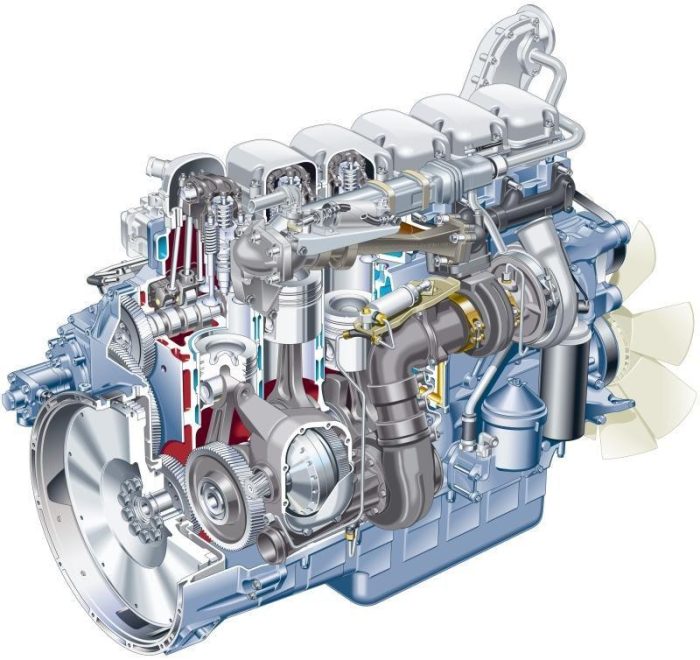
Truck engine problems are among the most frequent reasons for breakdowns in heavy-duty vehicles. Diesel engines operate under high compression and heavy load conditions, making them vulnerable to wear and performance degradation over time.
One of the most common issues is engine power loss, which can result from clogged fuel systems, injector failure, turbocharger inefficiency, or air intake restrictions. In many cases, these problems develop gradually, making early detection difficult without proper diagnostics.
Another major issue is overheating, often caused by coolant system failure, radiator blockage, or poor lubrication. Overheating not only reduces engine efficiency but can also cause permanent damage to internal components such as pistons and cylinder heads.
From a repair perspective, engine issues require systematic diagnosis rather than random part replacement. Fleet technicians typically start by checking fuel delivery systems, air intake flow, and ECU error codes before proceeding to mechanical inspection.
Truck engine systems operate under extreme pressure, heat, and continuous load conditions. Unlike passenger vehicles, diesel engines in heavy-duty trucks are designed for endurance rather than comfort, which makes them more sensitive to long-term wear and maintenance quality.
One of the most serious issues is progressive power degradation, where the engine does not fail suddenly but gradually loses efficiency over time. This is often caused by injector imbalance, turbo lag, carbon buildup in the intake system, or insufficient air-fuel mixture optimization.
Another critical issue is internal combustion instability, which leads to vibration, rough idling, and inconsistent acceleration. This condition is often linked to fuel quality, injector spray pattern distortion, or ECU calibration errors.
Overheating remains one of the most destructive engine conditions. Once engine temperature exceeds safe thresholds repeatedly, it can damage cylinder liners, piston rings, and head gaskets. In fleet operations, overheating is often caused by radiator blockage, coolant leakage, or fan clutch failure.
Truck Transmission Problems and Repair Guide
Transmission systems in heavy-duty trucks are designed to handle extremely high torque loads, especially during uphill driving, heavy cargo transport, or long-distance highway operations. However, over time, transmission components can develop issues such as gear slipping, hard shifting, or complete transmission failure.
One of the earliest warning signs is delayed gear response. This often indicates low transmission fluid quality, clutch wear, or internal hydraulic pressure issues. If ignored, the problem can escalate into complete gearbox failure, requiring costly replacement.
Another common issue is grinding noise during gear changes, which typically signals worn synchronizers or clutch-related problems. In fleet environments, these issues are often accelerated by aggressive driving habits or improper maintenance schedules.
Proper repair involves fluid inspection, clutch system evaluation, and in some cases, full transmission disassembly. Using OEM-quality components is critical to ensuring long-term reliability.
Transmission systems in heavy-duty trucks are responsible for torque distribution under extreme load conditions. When transmission performance declines, it directly affects fuel efficiency, driving stability, and load capacity.
A common issue is gear slippage under load, which occurs when clutch plates or hydraulic pressure systems begin to wear out. Drivers may notice delayed acceleration or RPM increase without corresponding speed gain.
Another frequent problem is gearbox overheating, especially during uphill driving or heavy cargo transport. Overheated transmission fluid loses viscosity, reducing lubrication efficiency and increasing internal friction.
Long-term transmission wear often leads to complete gearbox failure, which is one of the most expensive repairs in fleet operations. Preventive maintenance and fluid monitoring are therefore essential.
Truck Brake System Problems and Safety Repairs
Brake systems are one of the most safety-critical components in any heavy-duty truck. Brake failure or reduced braking efficiency can lead to severe accidents and operational risks.
Common issues include brake shoe wear, air brake leakage, brake drum overheating, and ABS sensor malfunction. Air brake systems, widely used in commercial trucks, are especially sensitive to pressure loss and moisture contamination.
When brake performance declines, drivers may notice longer stopping distances, uneven braking, or warning lights on the dashboard. These symptoms require immediate inspection, as delayed repair can lead to total brake failure.
Maintenance typically includes air system leakage testing, brake pad inspection, and replacement of worn components. Fleet operators are strongly advised to follow preventive maintenance schedules rather than waiting for failure.
Brake systems are the most safety-critical components in any commercial truck. Unlike other systems, brake failure does not allow gradual degradation tolerance—it directly impacts driver safety and cargo protection.
Air brake systems, commonly used in heavy-duty trucks, rely on compressed air pressure to activate braking force. Any leakage in the system can significantly reduce braking efficiency.
Common issues include air compressor failure, brake chamber leakage, worn brake shoes, and ABS sensor malfunction. Moisture contamination in air lines is another major issue, especially in humid environments.
Fleet operators must prioritize brake system inspections at regular intervals, as delayed maintenance can result in catastrophic accidents.
Truck Electrical System Problems and Repair
Modern heavy-duty trucks rely heavily on electrical systems for engine control, safety systems, and driver assistance features. Electrical failures can therefore have widespread effects on vehicle operation.
Common electrical issues include battery failure, alternator malfunction, wiring damage, and ECU communication errors. These problems often present as dashboard warning lights, starting difficulties, or intermittent power loss.
One of the biggest challenges in diagnosing electrical issues is that symptoms often overlap with mechanical failures. For example, engine stalling can be caused by both fuel system issues and electrical voltage instability.
Repair requires systematic voltage testing, wiring inspection, and ECU diagnostic scanning. Many fleet operators rely on integrated diagnostic systems to identify faults early and prevent cascading failures.
Modern heavy-duty trucks rely heavily on electrical systems to operate engine management, transmission control, braking systems, and onboard diagnostics. As a result, electrical system failures often have widespread consequences.
Voltage instability is one of the most common issues. Even small fluctuations can cause ECU malfunction, sensor errors, and communication breakdown between vehicle modules.
Wiring harness damage is another frequent problem, especially in trucks operating in harsh environments. Exposure to vibration, moisture, and heat can gradually degrade insulation and cause intermittent failures.
In advanced fleet systems, electrical diagnostics are integrated into centralized monitoring platforms to detect faults early and prevent breakdowns.
Truck Fuel System Problems and Maintenance
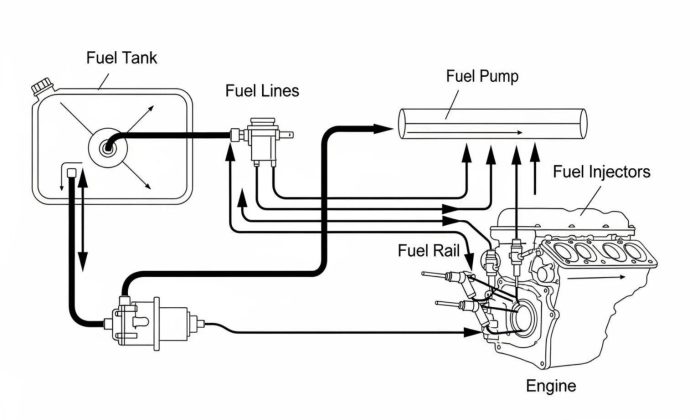
Fuel system issues are a major cause of engine inefficiency and performance loss in diesel trucks. The fuel system is responsible for delivering precise amounts of diesel to the engine under high pressure.
Common problems include clogged fuel filters, injector failure, fuel pump malfunction, and contamination from low-quality diesel fuel. These issues often result in poor acceleration, engine misfiring, and increased fuel consumption.
In heavy-duty applications, fuel injector failure is particularly common due to high pressure and continuous operation. Regular maintenance and fuel filtration are essential to preventing long-term damage.
Repair typically involves cleaning or replacing fuel injectors, checking fuel rail pressure, and ensuring proper filtration.
Truck Air Intake and Turbo System Repair
Air intake and turbocharger systems play a critical role in engine performance. They ensure the engine receives sufficient oxygen for combustion efficiency.
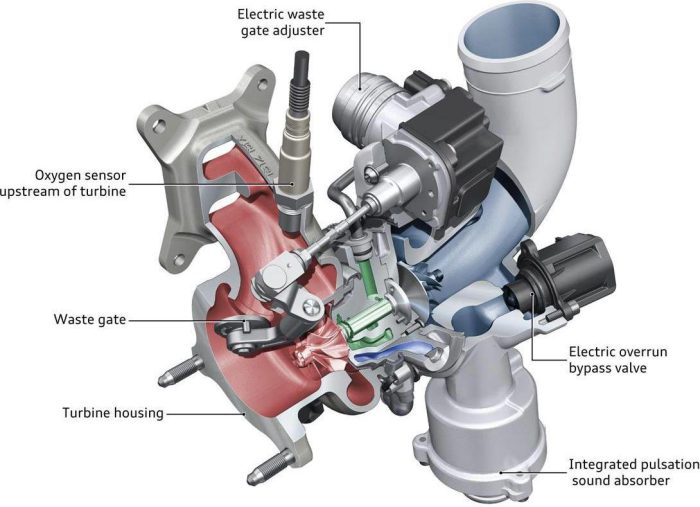
When air filters become clogged, engine performance drops significantly, leading to reduced power and increased fuel consumption. Similarly, turbocharger failure can cause black smoke, power loss, and abnormal engine noise.
Turbo failure is often caused by oil contamination, bearing wear, or excessive heat. Repairing these systems requires precise inspection and replacement of damaged components.
Preventive Maintenance Strategy for Truck Repair Reduction
Preventive maintenance is the most effective way to reduce truck repair costs and avoid unexpected breakdowns. Instead of reacting to failures, fleet operators should implement scheduled inspection programs.
Key maintenance areas include engine oil changes, brake system inspection, electrical system testing, and transmission fluid monitoring. Additionally, using high-quality OEM parts significantly extends vehicle lifespan.
Fleet managers often integrate maintenance planning with digital monitoring systems to track vehicle health in real time. This approach helps reduce downtime and improves operational efficiency.
Truck Failure Chain: How One Problem Leads to System Breakdown
In heavy-duty trucks, failures rarely occur in isolation. Instead, most issues follow a chain reaction where one faulty component gradually affects multiple systems. Understanding this failure chain is essential for accurate diagnostics and cost control.
For example, a failing fuel injector may initially cause incomplete combustion. This leads to increased carbon deposits inside the engine, which then affects airflow efficiency and increases turbocharger stress. Over time, this results in reduced engine power and higher fuel consumption.
Similarly, electrical instability can trigger ECU miscommunication. Once voltage becomes inconsistent, sensors begin to send incorrect data, affecting transmission shifting logic, braking response, and engine timing control.
This interconnected failure pattern is why modern truck repair requires system-level diagnosis instead of isolated part replacement.
🛠️Real Workshop Diagnosis Process in Heavy Duty Truck Repair
Professional truck repair workshops follow a structured diagnostic workflow rather than random component replacement. This ensures faster identification of root causes and reduces unnecessary repair costs.
The first step is visual inspection, where technicians check for leaks, wear signs, loose connections, and abnormal noise sources. This step helps identify obvious mechanical issues before using diagnostic tools.
The second step involves electronic scanning using diagnostic tools connected to the truck ECU system. This allows technicians to read error codes and identify system-level faults across engine, transmission, and electrical modules.
The final step is load testing, where the vehicle is tested under real operating conditions. This helps confirm whether the issue is intermittent or load-dependent, especially in fuel and transmission systems.
💰Cost and Downtime Impact of Truck Repair Failures
Truck repair is not only a technical issue but also a financial one. In fleet operations, every hour of downtime directly affects delivery schedules, fuel efficiency, and operational profitability.
A minor engine issue that is not addressed early can escalate into major repairs involving turbocharger replacement, injector system overhaul, or even complete engine rebuild. These repairs significantly increase maintenance costs.
In logistics operations, downtime costs often exceed repair costs. A single truck breakdown can disrupt an entire delivery chain, especially in time-sensitive freight operations.
This is why preventive maintenance and early diagnostics are considered more cost-effective than reactive repair strategies in modern fleet management.
🌍 Environmental Factors Affecting Truck Performance and Repair Needs
Environmental conditions play a major role in truck wear and failure rates. Trucks operating in extreme temperatures, dusty construction environments, or humid coastal regions experience accelerated component degradation.
High temperatures can reduce lubrication efficiency in engine and transmission systems, while cold environments increase startup stress and battery load. Dust and debris can clog air filters and fuel systems, reducing combustion efficiency.
Moisture exposure is particularly harmful to electrical systems, often causing corrosion in wiring harnesses and connectors. This leads to intermittent faults that are difficult to diagnose without advanced testing tools.
Understanding environmental impact helps fleet operators design better maintenance schedules tailored to real operating conditions.
Frequently Asked Questions (FAQ)
What is the most common truck repair problem?
The most common cause of truck repair issues is a combination of poor preventive maintenance and component wear over time. Heavy-duty trucks operate under extreme conditions including long-distance travel, heavy loads, and continuous engine operation. These conditions accelerate wear on critical systems such as the engine, transmission, braking system, and electrical components.
In many fleet operations, maintenance is performed only after a problem appears, rather than based on scheduled inspection intervals. This reactive approach significantly increases repair costs and downtime. In addition, the use of low-quality or non-OEM replacement parts can further reduce system reliability and increase failure frequency.
How often should a heavy-duty truck be serviced?
Service intervals for heavy-duty trucks depend on usage intensity, load conditions, and operating environment. On average, most trucks require full inspection every 10,000 to 20,000 kilometers, while oil and filter changes may be required even more frequently.
For fleet operations, a structured maintenance schedule is essential. This includes engine inspection, brake system testing, transmission fluid analysis, and electrical system diagnostics. Trucks operating in harsh environments such as construction zones or mining areas may require shorter maintenance intervals due to increased mechanical stress.
What are early warning signs of truck failure?
Early warning signs of truck failure include abnormal engine noise, reduced power output, increased fuel consumption, delayed gear shifting, vibration during driving, and dashboard warning lights.
These symptoms often appear gradually and may be ignored by drivers until a major breakdown occurs. For example, slight power loss may indicate fuel injector clogging, while vibration may suggest drivetrain imbalance or suspension wear.
Recognizing these early indicators is critical for preventing costly repairs and operational downtime.
Why do trucks break down frequently in fleet operations?
Frequent breakdowns in fleet operations are usually caused by a combination of high usage intensity, inconsistent maintenance practices, and environmental stress. Trucks that operate continuously with minimal rest periods experience accelerated wear on key components.
Another major factor is inconsistent part quality. Using non-standard or low-quality replacement parts can significantly reduce system durability. Additionally, lack of real-time monitoring systems makes it difficult to detect early-stage failures before they escalate.
Is preventive maintenance really cost-effective for truck fleets?
Yes, preventive maintenance is one of the most cost-effective strategies for fleet management. Although it requires regular investment, it significantly reduces unexpected breakdowns, roadside repair costs, and operational delays.
Preventive maintenance allows fleet managers to identify worn components early and replace them before failure occurs. This improves vehicle uptime, extends equipment lifespan, and reduces total cost of ownership (TCO).
What systems are most critical in truck repair?
The most critical systems in truck repair include the engine system, transmission system, braking system, fuel system, and electrical system. Failure in any of these systems can result in complete vehicle shutdown or safety risks.
Among these, the braking system is the most safety-critical, while the engine and transmission systems are the most expensive to repair. Electrical system failures are the most difficult to diagnose due to overlapping symptoms.