
The difference between a diesel engine that runs past 400,000 miles and one that fails before 150,000 rarely comes down to luck. It comes down to discipline. Industry service data compiled through 2025 consistently shows that compression-ignition powerplants reward consistent care with longevity that gasoline engines rarely match — and punish neglect with repair bills that can eclipse the value of the equipment itself. Learning how to maintain diesel engines is therefore less about mechanical wizardry and more about following a system, on schedule, every time.
This guide is built for people who depend on these machines: fleet operators, owner-operators, marine and generator users, and first-time pickup owners. It draws on hands-on technician practice and recognized references such as OEM service intervals and SAE/API oil standards. You will leave with a working schedule, a usable checklist, and decision frameworks you can apply today.
One note on why diesels are different. They run far higher compression and injection pressures than spark engines, they are acutely sensitive to fuel cleanliness, and modern emissions hardware adds maintenance dimensions that simply do not exist on gasoline units. Treating a diesel like a gas engine is the fastest route to premature failure.
Quick-Start: Diesel Engine Maintenance Tips for Beginners
If you remember nothing else, internalize five habits that prevent roughly 80% of common failures: change oil on time with the correct specification, keep fuel clean and water-free, never ignore a warning light, let the turbo cool before shutdown, and log everything. These diesel engine maintenance tips for beginners cost almost nothing yet protect the most expensive components.
The most damaging rookie mistakes are predictable. Drivers dismiss a “water in fuel” alert, pour in the wrong oil grade, or idle for hours believing it helps the engine. Each of those choices quietly accelerates wear on injectors, bearings, and after-treatment systems.
For your first 30 days with a new oil-burner, do three things: read the actual owner’s manual rather than forum lore, locate your fuel filter and water separator drain, and establish a baseline by recording oil pressure, coolant temperature, and fuel economy under normal load. That baseline becomes your early-warning system.
Understanding the Core Systems That Demand Attention
Effective upkeep starts with knowing what you are protecting. A compression-ignition unit is really a cluster of interdependent systems, and a weakness in one cascades into the others.
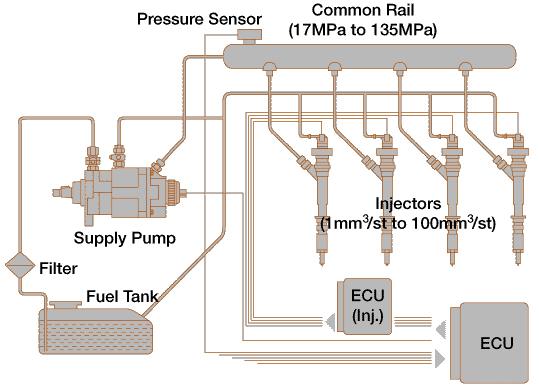
- Fuel system: injectors, lift pump, and high-pressure common rail operate at pressures that demand pristine fuel.
- Air intake and turbocharger: the turbo lives on clean oil and clean air; a single boost leak undermines efficiency.
- Lubrication system: oil here works harder, carrying soot and resisting fuel dilution.
- Cooling system: coolant chemistry degrades and, in wet-liner engines, prevents destructive cavitation.
- Emissions system: DPF, EGR, and SCR/DEF hardware reshape what routine service looks like.
- Cold-start components: glow plugs and intake heaters determine whether the engine wakes reliably in winter.
How Often to Service a Diesel Engine
Knowing how often to service a diesel engine depends on the metric that fits your application. Over-the-road trucks track mileage, generators and marine units track engine hours, and standby equipment tracks calendar time. Whichever applies, the worst approach is “when it feels rough.”
Several conditions justify cutting intervals in half. Short trips that never reach full operating temperature, dusty or coastal environments, heavy towing, and extended idling all qualify as severe duty. When two or more apply, treat the severe-duty column below as your default rather than the exception.
Maintenance Intervals by Component
| Component | Normal Interval | Severe-Duty Interval | Warning Signs |
|---|---|---|---|
| Engine oil & filter | 7,500–10,000 mi / 250 hrs | 5,000 mi / 150 hrs | Dark, gritty oil; low pressure |
| Fuel filter | 15,000–20,000 mi | 10,000 mi | Power loss, hard starts |
| Air filter | 15,000–30,000 mi | Inspect every service | Reduced airflow, black smoke |
| Coolant flush | 30,000 mi / 2 yrs | Annually | Discoloration, pH drift |
| Injectors (clean/test) | 60,000–100,000 mi | As needed | Rough idle, knocking |
| Glow plugs | 80,000–100,000 mi | Climate-dependent | Hard cold starts |
| DPF regeneration check | Per ECU alert | Frequent for stop-start | Forced regen warnings |
Diesel Oil Change Intervals: Getting It Right
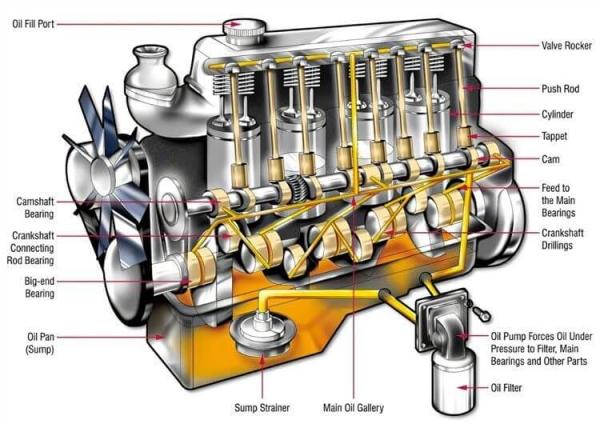
Diesel lubricant shears and contaminates faster than gasoline oil because it absorbs soot and can suffer fuel dilution, especially on engines that perform frequent regenerations. That chemistry is why diesel oil change intervals deserve careful attention rather than a one-size-fits-all number.
Read the specification before you buy. API CK-4 protects older and high-load engines, while FA-4 lowers viscosity for fuel economy on newer platforms — they are not always interchangeable, so honor the OEM approval. Match the viscosity grade to your climate and duty cycle, not to habit.
The smartest operators use used oil analysis (UOA) to set data-driven drain points. A lab report on soot, fuel dilution, and wear metals can confirm whether you are changing too early and wasting money, or too late and risking the engine. Over a fleet, that evidence reshapes cost-per-mile more than any synthetic-versus-conventional debate.
Fuel System Maintenance: The Heart of Reliability
Diesel Fuel Filter Maintenance
Most diesels use a primary filter with a water separator and a finer secondary filter ahead of the injectors. Proper diesel fuel filter maintenance means draining the water trap regularly — weekly in humid or coastal climates — because water is the single most common cause of injection-system corrosion.
After any filter change, prime the system per the manufacturer’s procedure. Cranking a dry high-pressure pump to self-prime can score precision surfaces and shorten injector life, so use the hand primer or key-cycle method specified for your engine.
Fuel Injector Cleaning
Clogged or worn injectors announce themselves through rough idle, hard starts, knocking, and a drop in fuel economy. The response should scale with severity: a quality detergent additive for mild deposits, professional ultrasonic fuel injector cleaning for moderate fouling, and replacement when flow tests fail.
Prevention beats repair here. Sourcing clean fuel and using a reputable additive keeps the precision spray pattern intact, which protects both combustion efficiency and the after-treatment hardware downstream.
Cold-Weather and Glow Plug Care
Glow plugs preheat the combustion chamber so a cold engine can fire cleanly. When they fail, you get extended cranking, white smoke on startup, and rough running until the engine warms. A simple resistance test isolates a bad unit quickly.
On timing, glow plug replacement is best handled as a full set once one fails near the end of its service window, since the others are likely close behind and labor is largely shared. Pair this with winter readiness: anti-gel additives below the fuel’s cloud point, a functioning block heater, and fuel sourced fresh during cold months.
Cooling, Air, and Turbo Maintenance
Wet-liner engines require periodic testing of supplemental coolant additives (SCA/DCA). Letting that chemistry drift invites liner cavitation — microscopic pitting that can eventually breach the cylinder wall. A test strip every few months is cheap insurance.
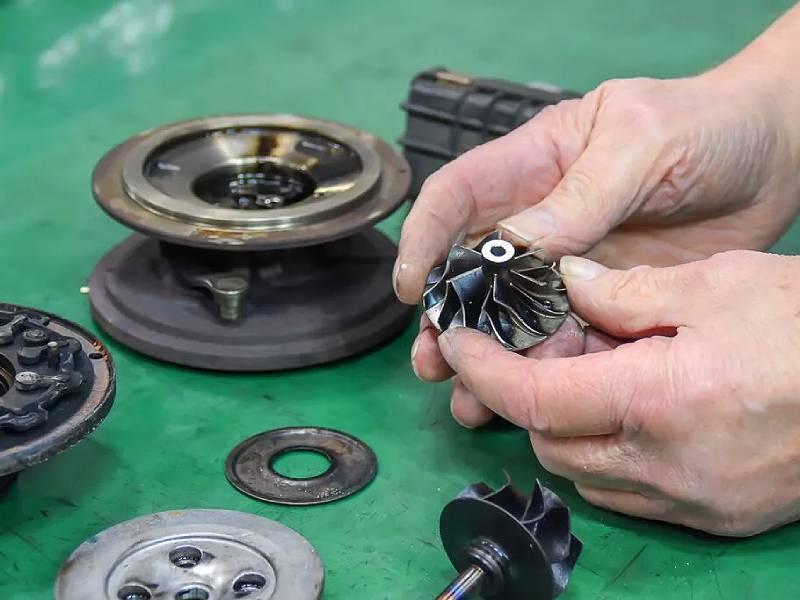
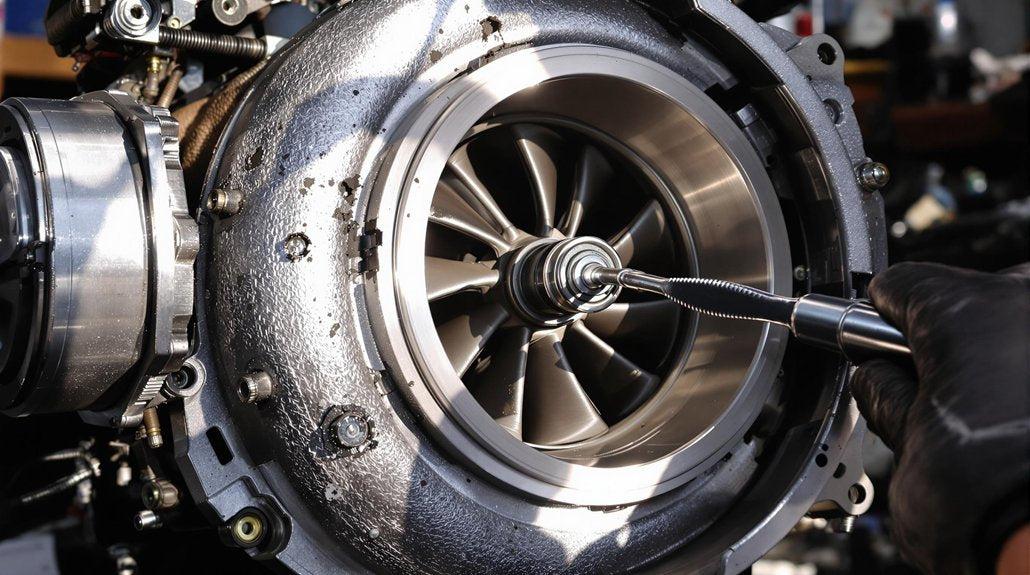
The turbocharger asks for two simple disciplines: clean oil and a brief cool-down idle after hard work so the bearing does not coke. Inspect the charge-air cooler and intake boots for boost leaks; an unsealed clamp robs power and increases exhaust temperatures.
Emissions System Maintenance on Modern Diesels
After-treatment hardware has rewritten the service playbook. The diesel particulate filter cycles through passive, active, and occasionally forced regeneration to burn off trapped soot. Stop-start usage interrupts that process, so understanding your regen alerts is now a core maintenance skill.
Carbon buildup in the EGR system reduces airflow and triggers faults, making periodic cleaning worthwhile on high-mileage units. The SCR system depends on clean diesel exhaust fluid (DEF); store it cool, sealed, and within its shelf life, because contaminated or degraded fluid will fault the system and limit power.
Best Practices to Maintain Diesel Engine Longevity
Among the best practices to maintain diesel engine longevity, three stand out. Warm the engine under light load rather than high idle, cool the turbo before shutdown, and avoid prolonged stationary idling, which dilutes oil and loads the DPF with soot. Each is rooted in mechanical cause and effect, not folklore.
Fuel discipline matters just as much. For seasonal or standby units, treat stored fuel with stabilizer and biocide, and rotate it before it degrades. Build all of this into a documented diesel engine maintenance schedule so nothing depends on memory.
Finally, let data drive decisions. Telematics and a simple maintenance log turn vague impressions into trend lines — rising coolant temperatures or creeping fuel consumption become early signals you can act on before they become failures.
Spotlight: Chinese-Brand Truck Diesel Engines
Worth a closer look are the powerplants now coming out of China, which have advanced sharply in both reliability and serviceability over the past decade. Manufacturers such as Weichai, Yuchai, and FAW have invested heavily in common-rail precision, emissions compliance, and standardized parts ecosystems that make scheduled upkeep more predictable for fleet operators.
The practical advantage for buyers is a combination of competitive total cost of ownership and widening parts availability. Operators evaluating modern China truck diesel engines often find that maintenance intervals and component access now mirror long-established Western platforms, which lowers the barrier to running them in mixed fleets.
Field note from a regional fleet supervisor: “We added Weichai-powered units expecting parts headaches. Two years on, our scheduled-service downtime on those trucks is statistically indistinguishable from our legacy fleet.”
Real-World Case Studies
Case 1 — Fleet oil intervals. A regional delivery operator running 42 trucks shifted from fixed mileage changes to UOA-guided intervals. Lab data showed oil was still in spec well beyond the old drain point. By extending intervals safely and catching two early coolant intrusions, unplanned breakdowns dropped roughly 30% over twelve months.
Case 2 — Marine injector failures. A charter operator suffered repeat injector failures across two engines within a season. Rather than keep replacing parts, the mechanic traced the pattern to a single contaminated dockside fuel source. Switching suppliers and adding a polishing filter ended the failures entirely.
Case 3 — First-time pickup owner. A new diesel owner kept interrupting active regenerations with short trips, triggering repeated forced-regen warnings. After learning to complete regen cycles with a longer highway run weekly, he avoided an estimated $4,000 DPF replacement. The fix was behavior, not hardware.
Your Diesel Engine Maintenance Checklist
Consistency beats intensity. The following structure keeps tasks from slipping. A printable version — the diesel engine maintenance checklist pdf many operators keep in the cab — can be assembled directly from these items.
- Daily / pre-trip: oil and coolant level, visible leaks, water-separator drain, warning lights, belt condition.
- Weekly: air filter restriction indicator, battery terminals, hose integrity, tire and undercarriage glance.
- Monthly: coolant additive test (wet-liner engines), DEF level and quality, detailed fluid review.
- Scheduled interval: oil and filter, fuel filters, injector and turbo inspection, full diagnostic scan.
When to DIY and When to Call a Professional
Beginners can confidently handle fluid checks, filter changes, water-trap draining, battery care, and visual inspections. These tasks require basic tools and build valuable familiarity with the machine.
Leave high-pressure fuel work, injector flow testing, turbo replacement, and anything requiring ECU access to a qualified shop. Beyond the specialized tooling, improper repairs on emissions or fuel components can void warranties and create safety hazards. When in doubt, the cost of a diagnostic visit is trivial against the cost of a damaged injection system.
Frequently Asked Questions
How often should I really change the oil in my diesel engine?
Follow the OEM interval as a baseline, then adjust for duty cycle. Severe service — short trips, heavy loads, dust, or frequent idling — can justify halving the interval. The most precise answer comes from used oil analysis, which tells you exactly when your oil is spent.
Can I clean diesel fuel injectors myself, or do I need a shop?
Mild deposits often respond to a quality detergent additive you can add at the pump. Moderate or severe fouling needs professional ultrasonic cleaning and flow testing, which require equipment most owners do not have. If you see persistent rough idle or knocking, have them tested rather than guessing.
What are the first signs my glow plugs need replacing?
Extended cranking in cold weather, white smoke at startup, and rough running until the engine warms are the classic indicators. A quick resistance test confirms a failed unit. Because the rest of the set is usually near the same age, plan for a full replacement.
Is it bad to let a diesel engine idle for long periods?
Generally yes. Prolonged idling runs the engine cool, promotes fuel dilution of the oil, and loads the particulate filter with soot. Brief warm-up and turbo cool-down idling is fine; using idle as a substitute for shutting down is not.
How do I know if my fuel filter or water separator needs attention?
Power loss under load, hard starting, and a dashboard “water in fuel” alert all point to the fuel filtration system. Drain the water separator on schedule and replace filters at the recommended interval. In humid or marine settings, check the water trap more frequently.
Conclusion
Reliable diesel performance is the product of a system, not a single heroic repair. Clean fuel, correct oil on time, healthy cooling and air paths, and respect for modern emissions hardware compound into hundreds of thousands of dependable miles or hours.
The payoff is measurable: longer service life, stronger resale value, better fuel economy, and far fewer roadside surprises. Build your schedule, keep your checklist within reach, and let recorded data guide your decisions. Consistency, applied month after month, is what separates the engines that last from the ones that don’t.


