1. Core Function of Truck Engine Valve Cover Gasket
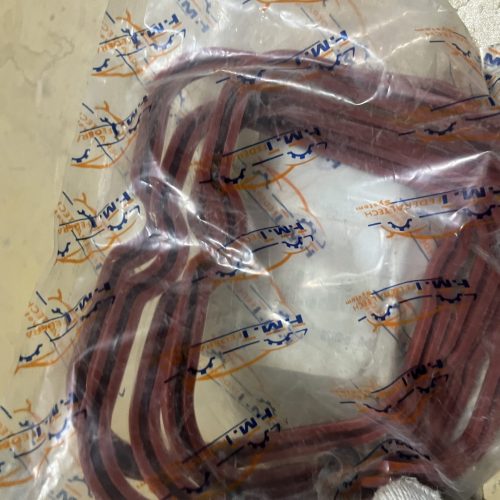
The truck engine valve cover gasket is a critical sealing component installed between the valve cover and cylinder head of heavy-duty truck engines.
Its primary role is to form a tight, reliable seal to prevent engine oil leakage and block dirt, dust, and other contaminants from entering the valve train—two functions that are essential for ensuring long engine life and stable performance.
Heavy-duty truck engines operate under extreme conditions, including high temperatures, constant vibration, and prolonged heavy loads, so the valve cover gasket must be durable enough to maintain a tight seal even in these harsh environments.
It effectively retains engine oil inside the valve cover, where the oil lubricates key valve train components such as the camshaft, valves, valve springs, and rocker arms.
Proper lubrication of these parts reduces friction, minimizes wear, and ensures smooth operation of the valve train.
A faulty valve cover gasket can lead to oil leaks, resulting in oil loss, poor lubrication of the valve train, and potential damage to these critical components.
Additionally, it helps maintain proper engine oil pressure by preventing oil leakage, which in turn ensures the entire engine operates smoothly and extends its overall service life.
For a reliabletruck valve cover gasket, our products are engineered to handle high temperatures and pressures of heavy-duty truck engines.
Heavy-duty truck engines operate under extreme conditions, so the valve cover gasket must be durable enough to maintain a tight seal. It retains engine oil inside the valve cover, which lubricates key valve train parts like the camshaft and valves.
A faulty valve cover gasket causes oil leaks, leading to oil loss, poor lubrication, and potential damage to the valve train. It also helps maintain proper oil pressure, ensuring smooth operation and extending engine service life.
🟡 How Valve Cover Gasket Failure Develops
Valve cover gasket failure does not happen suddenly but develops gradually over time due to continuous exposure to heat, engine vibration, and oil pressure cycles.As the engine operates, the gasket material is constantly subjected to thermal expansion and contraction. Over time, this repeated heat cycling causes the rubber or silicone material to harden and lose elasticity. Once flexibility is reduced, the gasket can no longer maintain a perfect seal against the valve cover surface.
At the same time, engine vibration further accelerates wear by slightly shifting the sealing surface during operation. This combination of heat degradation and mechanical stress gradually leads to micro-gaps in the sealing area, allowing engine oil to seep out slowly. In advanced stages, this leakage becomes more noticeable and may spread across the engine surface.
🔍 Early Symptoms & Detection
In real-world operation, valve cover gasket failure is usually detected through visible and operational symptoms rather than sudden breakdown.One of the earliest signs is the appearance of small oil traces around the top of the engine, particularly near the valve cover edges. These leaks often begin as slow seepage and may not immediately affect engine performance.
As the condition progresses, oil may begin to accumulate on surrounding engine components, creating a burning smell when the engine reaches high temperature. In some cases, oil leakage may even drip onto hot surfaces, producing light smoke during operation.Technicians also inspect the engine bay for uneven oil distribution patterns, which often indicate gasket sealing failure rather than other engine leaks.
🔧 Diagnostic Process
Diagnosing valve cover gasket issues involves both visual inspection and pressure condition analysis.Technicians typically begin by cleaning the engine surface to clearly identify fresh oil leakage points. Once the engine is restarted, they observe whether oil reappears around the valve cover sealing area under operating temperature.
In more advanced diagnostics, pressure conditions inside the engine are evaluated to determine whether excessive crankcase pressure is contributing to gasket failure. If internal pressure is higher than normal, it can force oil through weakened sealing points, accelerating leakage.This combined approach helps distinguish gasket failure from other possible oil leakage sources such as seals or oil pan gaskets.
💰 Cost Impact
Although valve cover gasket failure may appear to be a minor issue, it can lead to significant maintenance costs if left unaddressed.Continuous oil leakage can gradually reduce engine oil levels, increasing friction and accelerating wear on internal components. In fleet operations, this may lead to increased maintenance frequency and higher operational costs.
Additionally, oil leakage onto engine surfaces can create contamination buildup, making future repairs more complex and time-consuming. In severe cases, prolonged leakage may also affect surrounding electrical components or rubber hoses due to oil exposure.Therefore, early detection and replacement of the gasket is a cost-effective maintenance strategy that helps avoid secondary engine issues.
2. Common Failures of Truck Engine Valve Cover Gasket
Truck engine valve cover gaskets are prone to wear and failure over time, primarily due to constant exposure to high engine temperatures, frequent engine vibration, and direct contact with engine oil.
Unlike water pumps that focus on coolant circulation, valve cover gasket failures mainly stem from wear, aging, or improper installation—common issues for sealing components that rely on elasticity and a tight fit to function properly.
Early detection of failure signs is crucial to avoid costly engine damage, reduce fleet downtime, and prevent unnecessary repair expenses.
2.1 Oil Leakage
Oil leakage is the most common failure of truck valve cover gaskets. As the gasket ages, it gradually hardens, cracks, or loses its elasticity—this creates tiny gaps between the valve cover and cylinder head, allowing engine oil to leak out.
Key signs of leakage include visible oil stains on the top of the engine, around the valve cover edges, or even under the engine (if the leak is severe).
Additionally, a burning oil smell from the engine bay during operation is a clear indicator—this occurs when leaked oil drips onto hot engine parts and burns.
Unfixed oil leaks lead to poor lubrication of the valve train, increased friction between moving parts, and even spark plug damage.
Damaged spark plugs can cause engine misfires, reduced power output, and increased fuel consumption.
Our truck’s valve cover gaskets are designed with high-elasticity materials to prevent aging and leakage, ensuring long-term reliable sealing. For replacement gaskets or related sealing parts, visit our truck sealing parts product page.
2.2 Gasket Hardening or Cracking
Prolonged exposure to high engine temperatures (often exceeding 100°C during operation) causes the valve cover gasket to harden and become brittle, gradually losing its elasticity and ability to form a tight seal.
This hardening leads to gaps between the valve cover and cylinder head, resulting in oil leaks.
Additionally, extreme temperature changes (such as driving in cold weather after the engine is fully heated) or excessive engine vibration can cause the brittle gasket to crack, resulting in severe oil leaks that require immediate replacement to avoid further engine damage.
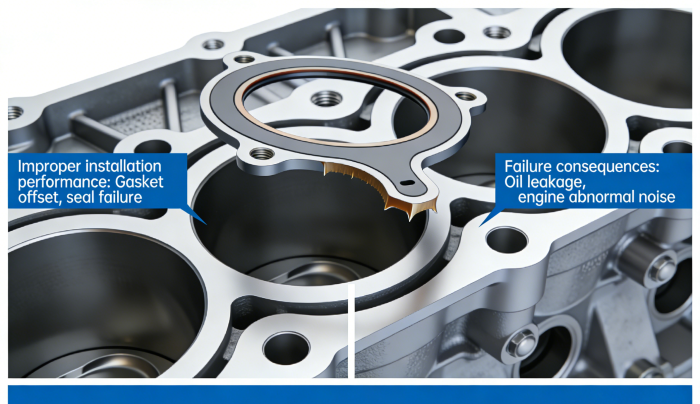
2.3 Improper Installation Failure
Even high-quality valve cover gaskets can fail prematurely if installed incorrectly.
Common installation mistakes include over-tightening or under-tightening the valve cover bolts, misaligning the gasket with the valve cover or cylinder head, or reusing a damaged or worn gasket.
Over-tightening can tear the gasket or compress it too much, reducing its elasticity and sealing ability.
Under-tightening, on the other hand, leaves gaps between the surfaces, leading to oil leaks. Both issues significantly affect the gasket’s sealing performance and shorten its service life.
3. Effective Maintenance Tips for Truck Engine Valve Cover Gasket
Proper maintenance and correct installation are the keys to extending the valve cover gasket’s service life, avoiding early failure, and ensuring reliable sealing performance.
Fleet managers and mechanics can follow these practical, actionable tips to keep the valve cover gasket in optimal condition
3.1 Regularly Inspect for Leaks
Incorporate valve cover gasket leak inspections into routine engine maintenance.
Wipe the junction of the valve cover and cylinder head with a clean cloth to check for oil stains, wetness, or residue—focusing on the valve cover edges, where leaks usually occur.
Checking the gasket during every oil change is a convenient and effective way to detect issues early, as oil changes already involve accessing the engine top.
Regularly check the engine oil level as well. A slow, unexplained drop in oil level, combined with oil stains around the valve cover, is a clear indicator of a gasket leak that needs prompt repair or replacement to avoid further engine damage.
3.2 Use High-Quality Valve Cover Gasket
Always choose a high-quality valve cover gasket that meets or exceeds the truck manufacturer’s specifications.
High-quality gaskets are made of durable, high-temperature-resistant materials (such as silicone or fluorocarbon rubber) that can withstand the harsh conditions of heavy-duty truck engines, including high heat, oil erosion, and vibration.
Avoid low-quality or generic gaskets, as they tend to harden, crack, and leak much more easily, leading to frequent replacements and increased maintenance costs.
Avoid low-quality or generic gaskets, as they tend to harden, crack, and leak much more easily, leading to frequent replacements and increased maintenance costs.
Our premium valve cover gaskets are made of these high-performance materials, ensuring compatibility, durability, and long-term reliable sealing.
When replacing the valve cover gasket, strictly follow the truck manufacturer’s installation guidelines.
First, thoroughly clean the valve cover and cylinder head surfaces to remove any oil, dirt, or debris—these contaminants can prevent a tight seal and cause leaks.
Next, use the correct torque when tightening the valve cover bolts; different truck models have specific recommended torque ranges to avoid damaging the gasket.
Align the gasket correctly with the valve cover and cylinder head, ensuring it fits properly into the gasket groove.
Do not stretch or twist the gasket, as this can damage its structure and reduce its sealing performance.
For detailed installation guidance, visit our installation guide page or contact our technical team.
4. Why Choose Our Truck Engine Valve Cover Gasket
As a professional truck parts exporter with years of experience, we provide high-quality valve cover gaskets for heavy-duty trucks that meet the highest industry standards, ensuring reliable sealing and long service life.
Our valve cover gaskets are made of high-temperature and oil-resistant materials (such as silicone and fluorocarbon rubber), specifically designed to withstand the harsh operating conditions of heavy-duty truck engines.
Each gasket undergoes strict quality testing, including sealing performance, high-temperature resistance, and wear resistance tests, to ensure it forms a tight seal and lasts for a long time.
Our gaskets are easy to install with clear, step-by-step installation guidelines, and we provide fast international shipping to minimize fleet downtime.
Additionally, we offer comprehensive after-sales service, including technical support and warranty coverage, to ensure customer satisfaction. If you have any questions or cooperation needs, welcome to contact us.
❓ FAQ
What is a valve cover gasket and what does it do?
The valve cover gasket is a sealing component placed between the valve cover and the cylinder head. Its primary function is to prevent engine oil from leaking out of the upper engine while maintaining a sealed environment for internal lubrication. It ensures that oil remains inside the valve train area while protecting external engine components from contamination.
What causes valve cover gasket failure?
Valve cover gasket failure is mainly caused by long-term exposure to heat, pressure, and engine vibration. Over time, the gasket material loses elasticity and becomes brittle, reducing its ability to maintain a proper seal. In addition, engine oil contamination and poor maintenance conditions can accelerate material degradation and lead to early failure.
What are the symptoms of a leaking valve cover gasket?
The most common symptom is visible oil leakage around the top of the engine, especially near the valve cover edges. As the condition worsens, oil may spread to surrounding components and produce a burning smell when the engine is hot. In some cases, light smoke may appear if leaking oil contacts high-temperature engine surfaces.
Can I drive with a bad valve cover gasket?
In the early stage of failure, the vehicle may still be drivable, but continued operation is not recommended. A leaking gasket can gradually reduce oil levels, which may lead to insufficient lubrication of engine components. If ignored, this can increase wear and potentially cause more serious engine issues over time.
How long does a valve cover gasket last?
The lifespan of a valve cover gasket depends on engine conditions, material quality, and maintenance practices. In general, it can last several years under normal operating conditions. However, vehicles operating in high-temperature or heavy-load environments may experience shorter gasket life due to increased thermal stress.
Is valve cover gasket replacement expensive?
Valve cover gasket replacement is generally considered a moderate maintenance task. However, if oil leakage has been ignored for a long time, additional cleaning or repair work may be required, which can increase overall maintenance costs. Early replacement is always more cost-effective than delayed repair.