Truck engine parts are the backbone of heavy-duty vehicle performance, as every component works in perfect harmony to ensure the engine runs smoothly and reliably under harsh operating conditions—including long-haul cross-country trips, heavy cargo loads, extreme temperature fluctuations, and dusty or humid environments.
For heavy-duty trucks, the engine is the heart of the vehicle, and its components must work seamlessly to deliver consistent power and efficiency.
Investing in high-quality core engine components is a cost-effective decision for fleet managers, as it extends the engine’s overall service life, reduces unplanned downtime, and minimizes repair costs.
For truck operators, reliable engine parts ensure on-time deliveries, maximize operational efficiency, and protect the fleet’s reputation.
A truck engine is not a collection of independent parts, but a highly coordinated mechanical system where each component directly affects overall performance.
The air intake system is responsible for supplying clean air into the combustion chamber, where it mixes with fuel delivered by the injection system. Once combustion occurs, the resulting pressure drives the piston system, which converts linear motion into rotational force through the crankshaft assembly.
At the same time, the lubrication system ensures that all moving components operate under controlled friction conditions by maintaining a stable oil film between metal surfaces. Without proper lubrication, even small components such as bearings or camshafts can experience rapid wear.
The cooling system works in parallel with these processes, preventing excessive heat buildup that could otherwise damage engine components or reduce combustion efficiency.
Understanding this interaction between systems is essential for diagnosing engine performance issues and preventing long-term mechanical failure.
Truck engine components typically fail not due to sudden breakdowns, but as a result of gradual system imbalance. In most cases, failure begins when one supporting system—such as lubrication, cooling, or air intake—starts to degrade.
For example, insufficient lubrication increases friction between moving parts, which gradually leads to overheating and surface wear. Similarly, restricted airflow reduces combustion efficiency, forcing the engine to work harder under the same load conditions.
Over time, these small inefficiencies accumulate and create stress across multiple engine systems. Once the balance between fuel, air, heat, and lubrication is disrupted, component wear accelerates significantly.
This cascading failure pattern is the primary reason why preventive maintenance is more effective than reactive repair.
In professional maintenance environments, engine components are not evaluated individually but as part of a complete system performance analysis.
Technicians typically begin by monitoring engine behavior under different load conditions, including acceleration response, temperature stability, and oil pressure consistency. These indicators provide insights into the internal condition of multiple interconnected systems.
If abnormal performance is detected, further inspection may include oil analysis, compression testing, and airflow evaluation. These tests help determine whether the issue originates from a specific component or from system-wide imbalance.This diagnostic approach allows technicians to identify early-stage failures before they escalate into major engine damage.
💰 Cost Impact of Engine Component Failure
Failure of truck engine components can lead to significant operational costs, especially in fleet environments where vehicle uptime is critical.When one component begins to fail, it often places additional stress on other connected systems. For example, poor lubrication can affect bearings and crankshaft performance, while cooling system failure can lead to overheating damage across multiple engine parts.
This chain reaction significantly increases repair complexity and cost. In many cases, what begins as a single component issue may eventually require partial or full engine overhaul.From a fleet management perspective, preventive maintenance is essential to minimize downtime and reduce long-term operational expenses.
Key Truck Engine Parts& Their Functions
Understanding the role of each core engine component is crucial for effective maintenance, timely troubleshooting, and ensuring peak engine performance.
Below are the most essential core components of a heavy-duty truck engine, along with their key functions and our product advantages.
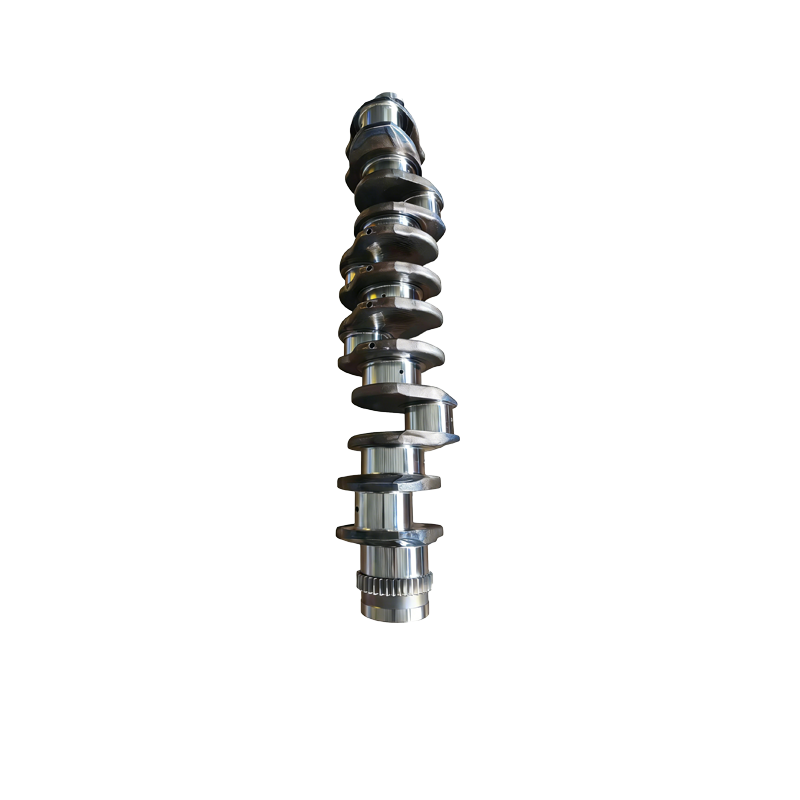
Crankshaft
The crankshaft is the core power transmission component of the truck engine, responsible for converting the linear (up-and-down) motion of the pistons into rotational motion.
This rotational motion is then transferred to the transmission and ultimately to the wheels, powering the truck forward. It must withstand extremely high torque and continuous heavy loads during operation.
Our high-strength truck crankshaft is engineered for long-term reliability, made of high-grade alloy steel that undergoes precision forging and strict heat treatment processes.
These processes enhance the crankshaft’s strength, wear resistance, and fatigue resistance, ensuring it can handle the harsh demands of heavy-duty truck operation.
High-quality truck crankshaft for heavy-duty engines
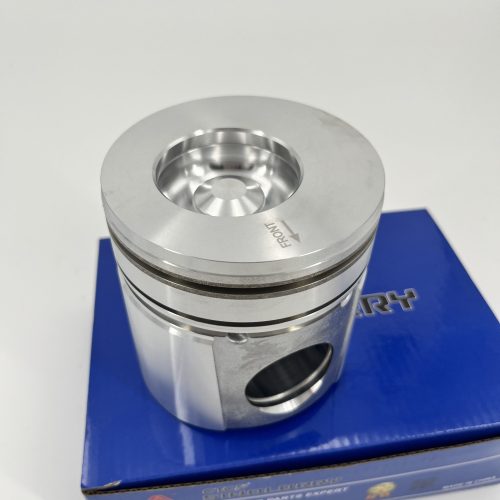
Piston
The piston is a key component that moves up and down within the engine cylinder, playing a critical role in the engine’s combustion process.
During operation, it compresses the fuel-air mixture in the cylinder, and after combustion, it transmits the generated power to the crankshaft via the connecting rod.
The piston operates in a high-temperature, high-pressure environment, requiring exceptional durability.
Our piston is made of high-temperature-resistant alloy materials, specifically designed to adapt to the harsh working environment of heavy-duty engines.
Its piston skirt features a special wear-resistant coating that reduces friction between the piston and cylinder wall, minimizing wear and extending the piston’s service life.
As a core component of the engine’s valve train, the camshaft controls the precise opening and closing of the intake and exhaust valves.
This timing is critical to ensuring the right amount of fuel-air mixture enters the cylinder for combustion and that exhaust gases exit efficiently—directly impacting engine power, fuel efficiency, and overall performance.
Our precision-machined camshaft is an essential truck engine part, manufactured with strict tolerance standards to guarantee accurate valve timing and smooth engine operation even under heavy loads.
It is made of high-quality materials that resist wear and deformation, ensuring long-term reliability. For model matching, use our truck parts matching system.
Common Issues with Truck Engine Parts
Even high-quality core truck components can experience wear and failure over time, especially under the extreme working conditions that heavy-duty vehicles often face.
Common issues include crankshaft wear, piston damage, and camshaft failure—all of which can lead to costly fleet downtime, expensive engine repairs, and disrupted delivery schedules if not addressed promptly.
Wear and Tear
Constant engine vibration, high operating temperatures, and prolonged exposure to engine oil cause truck engine parts to wear down gradually over thousands of miles of operation.
This natural wear is inevitable but can be slowed with proper maintenance.
Early signs of wear include unusual engine noises (such as grinding or knocking), reduced engine power, increased fuel consumption, and uneven performance—all of which require immediate inspection to prevent further damage.
Improper Installation
Incorrect installation of truck engine parts, such as crankshafts, pistons, or camshafts, can cause immediate failure or premature wear, even for high-quality components.
Common installation mistakes include misalignment, over-tightening or under-tightening fasteners, and failure to clean mating surfaces.
Always follow the manufacturer’s guidelines when installing or replacing truck engine parts to ensure proper fit, alignment, and performance.
Maintenance Tips for Core Truck Components
Proper maintenance is the key to extending the life of core truck engine components and ensuring the engine operates reliably for years.
Fleet managers and operators can follow these simple, actionable tips to keep their core components in optimal condition and avoid unplanned breakdowns.
Regular Inspections
Inspect truck engine parts regularly for signs of wear, leaks, or damage, focusing on core components like crankshafts, pistons, and camshafts.
A weekly visual inspection (checking for oil stains, unusual noises, or visible damage) and a monthly detailed check (using professional tools to measure wear and alignment) can help detect issues early, avoiding costly repairs and downtime.
Use High-Quality Parts
Choose high-quality truck engine parts that meet or exceed the manufacturer’s specifications for your heavy-duty vehicle.
Low-quality parts may be cheaper upfront but lead to more frequent failures, higher long-term maintenance costs, and increased downtime.
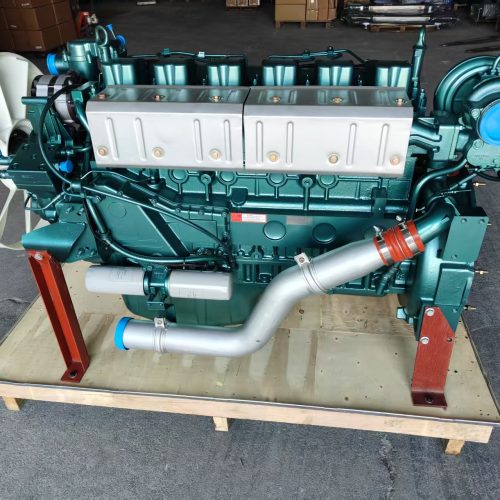
Our premium engine parts are engineered to meet strict quality standards, ensuring durability and reliability.
High-quality engine overall
Follow Maintenance Schedules
Adhere to the manufacturer’s recommended maintenance schedule for your core components, including regular oil changes, filter replacements, and part inspections.
Consistent maintenance keeps core components lubricated, clean, and in optimal condition, preventing unexpected breakdowns on the road and extending the engine’s service life.
Why Choose Our Truck Engine Parts
As a professional truck parts exporter with years of experience, we provide high-quality truck engine parts designed for heavy-duty performance and long-term durability.
Our products meet the highest industry standards, ensuring reliable performance even under the harshest operating conditions of heavy-duty trucks.
Each core component—including crankshafts, pistons, and camshafts—is made of premium materials, specifically designed to withstand high temperatures, heavy loads, and continuous wear.
Our parts are easy to install with clear, step-by-step installation guidelines, and we provide fast international shipping to minimize fleet downtime.
Additionally, we offer comprehensive after-sales service, including technical support, maintenance advice, and warranty coverage, to ensure customer satisfaction.
For more details, visit our main websiteor contact usfor personalized support and quotes.
❓ Frequently Asked Questions (FAQ)
What are the main components of a truck engine?
A truck engine is composed of multiple integrated mechanical systems that work together to generate power, control combustion, and ensure long-term durability under heavy load conditions. The main components include the air intake system, fuel injection system, combustion chamber assembly, lubrication system, cooling system, and exhaust system.
Each system has a specific function, but more importantly, they are highly dependent on each other. For example, the air intake system determines combustion efficiency, while the fuel system controls energy output. At the same time, the lubrication system reduces friction between moving parts, and the cooling system prevents overheating caused by continuous combustion cycles.
When any one of these systems becomes unstable, it can affect the performance of the entire engine. This interconnected structure is the reason why truck engines require systematic maintenance rather than isolated part replacement.
How do truck engine components work together?
Truck engine components operate as a synchronized mechanical system rather than independent parts. The process begins with the air intake system, which supplies oxygen into the combustion chamber. This air is mixed with fuel delivered by the injection system, and combustion occurs under controlled pressure conditions.
The resulting energy pushes the piston downward, which converts linear motion into rotational force through the crankshaft. This rotational energy is then transmitted to the drivetrain, powering the vehicle.
At the same time, the lubrication system continuously supplies oil to reduce friction between moving metal surfaces, while the cooling system regulates engine temperature to prevent overheating. The exhaust system removes combustion byproducts to maintain airflow balance inside the engine.
If even one of these systems fails or becomes inefficient, it can disrupt the entire combustion process and reduce overall engine performance.
What causes truck engine components to fail?
Truck engine components typically fail due to long-term exposure to heat, pressure, and mechanical stress. In most cases, failure does not occur suddenly but develops gradually through system imbalance.
One of the most common causes is insufficient lubrication, which increases friction between moving parts and leads to accelerated wear. Overheating is another major factor, as excessive temperature reduces material strength and oil viscosity, making it harder for components to operate efficiently.
Contaminated fuel or oil can also contribute to premature failure by introducing abrasive particles into precision engine surfaces. Additionally, restricted airflow can reduce combustion efficiency, forcing the engine to operate under higher load conditions than intended.Over time, these small inefficiencies accumulate and lead to progressive degradation of engine components.
How can engine component failure be detected early?
Early detection of engine component failure relies on observing both mechanical symptoms and performance changes over time. One of the earliest indicators is a slight reduction in engine responsiveness, especially under heavy load or acceleration conditions.
Changes in engine sound, such as knocking, ticking, or irregular vibration, may also indicate internal wear or imbalance. In addition, abnormal oil pressure readings or rising engine temperature can signal early-stage system stress.
Technicians often use diagnostic tools such as oil analysis, compression testing, and electronic monitoring systems to identify hidden issues before they develop into serious failures. Early detection is critical because it allows maintenance to be performed before damage spreads to other engine components.
Why is preventive maintenance important for truck engines?
Preventive maintenance is essential for truck engines because it helps maintain system stability and prevents small issues from developing into major failures. Unlike reactive repair, which addresses problems after they occur, preventive maintenance focuses on maintaining optimal operating conditions across all engine systems.
This includes regular oil changes, air filter replacement, cooling system inspection, and fuel system cleaning. By keeping these systems in good condition, the engine can maintain stable combustion efficiency and reduce internal stress.
For fleet operators, preventive maintenance also helps reduce unexpected downtime, improve vehicle reliability, and lower long-term repair costs. It is one of the most effective strategies for extending engine lifespan and maintaining operational efficiency.
What happens if truck engine components are not maintained properly?
If truck engine components are not maintained properly, small inefficiencies can gradually escalate into serious mechanical failures. For example, poor lubrication can lead to increased friction and bearing damage, while overheating can cause piston expansion and cylinder wear.
As damage spreads across multiple systems, engine performance begins to decline significantly. Fuel consumption increases, power output becomes unstable, and vibration levels may rise during operation.
In severe cases, continued operation without maintenance can lead to complete engine failure, requiring costly repairs or full engine replacement. This is why timely maintenance is critical in preventing long-term damage and controlling operational costs.
How often should truck engine components be inspected?
The inspection frequency of truck engine components depends on operating conditions, load intensity, and environmental factors. Vehicles operating under normal highway conditions may follow standard maintenance intervals, while trucks used in heavy-load, construction, or mining environments require more frequent inspections.
In general, regular monitoring of oil condition, cooling system performance, and air filtration efficiency is recommended. Fleet operators often adopt condition-based maintenance strategies, where inspection schedules are adjusted based on real-time engine performance rather than fixed mileage alone.
This approach helps detect early-stage issues and ensures that engine components remain in optimal working condition throughout their service life.
Why do small engine component failures lead to major damage?
Small engine component failures can lead to major damage because truck engines operate as interconnected systems. When one component begins to fail, it often disrupts the balance of related systems.
For example, a lubrication issue can affect bearings, crankshaft performance, and camshaft operation. Similarly, cooling system failure can increase engine temperature, which accelerates wear across multiple components.
This cascading effect means that even minor problems, if left unaddressed, can quickly escalate into serious engine damage. This is why early diagnosis and preventive maintenance are essential in heavy-duty engine operation.