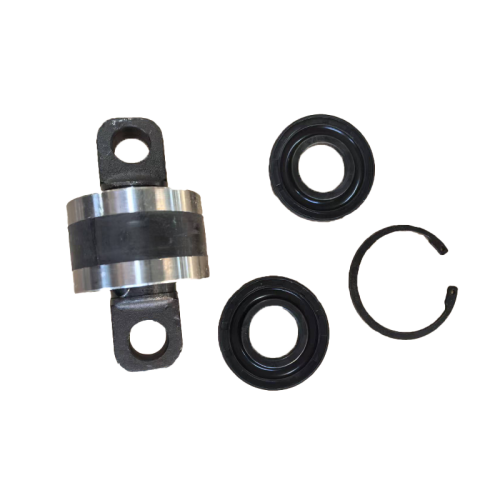
Truck suspension parts are vital to heavy-duty vehicles’ stability, safety and load-bearing capacity.
They absorb road shocks and vibrations, effectively protecting the truck body, cargo, and internal mechanical components from damage.
Additionally, these essential parts work together to maintain steady tire-road contact, which reduces driver fatigue during long hauls and extends the service life of other truck components like tires and axles.
For heavy-duty fleets operating in harsh environments, high-quality truck suspension parts are non-negotiable—they ensure safe, stable operation even under maximum load and rough road conditions.
Investing in reliable suspension components not only enhances driving safety but also minimizes unplanned downtime and long-term maintenance costs.
The truck suspension system consists of closely connected core components, each playing a unique role in driving stability and overall performance.
Understanding these functions helps with proper maintenance and timely troubleshooting, ensuring the suspension system operates at its best.
Leaf Springs
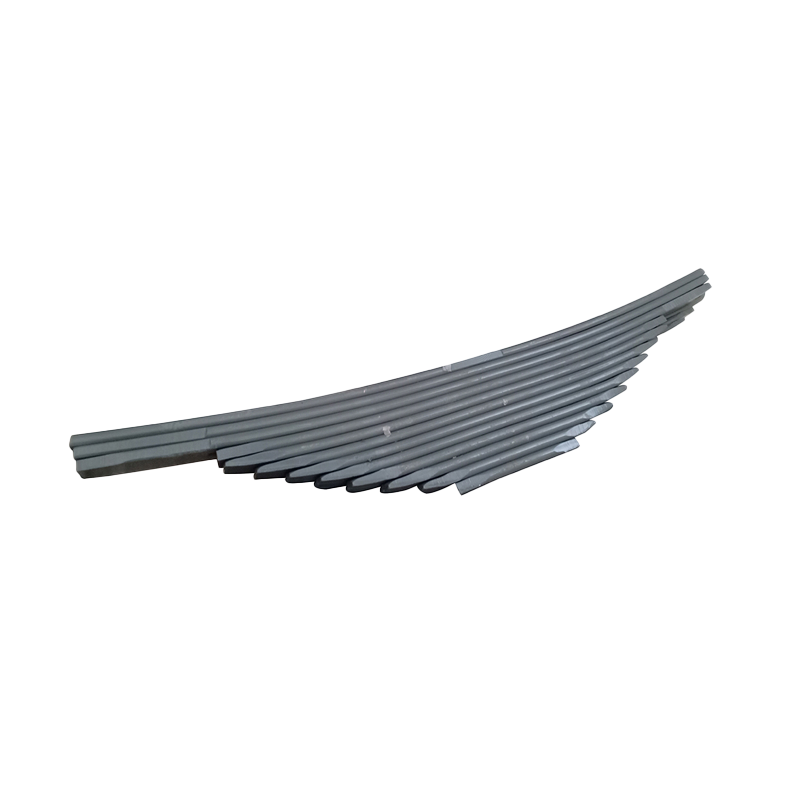
Leaf springs are among the most important components in the suspension system. They mainly support the truck’s total weight, including the body, cargo and transmission parts, while also absorbing road shocks effectively.
Our leaf springs are made from multi-layer high-strength steel strips, pressed and bonded together to withstand extreme loads and frequent vibrations for long-term reliability.
High-quality leaf springs for heavy-duty truck suspension parts
Shock Absorbers
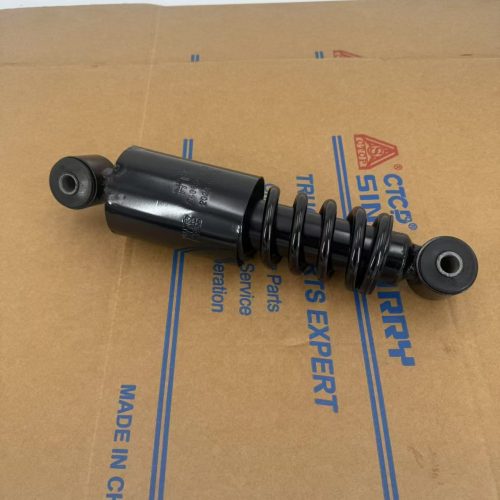
Shock absorbers work closely with leaf springs to dampen road vibration and prevent excessive body bouncing, which ensures stable driving even on rough terrain.
Our high-performance shock absorbers feature leak-proof seals and heat-resistant materials, allowing them to adapt to harsh heavy-duty working environments without oil leakage or performance degradation.
High-quality Shock absorbers for heavy-duty truck suspension parts
Bushings
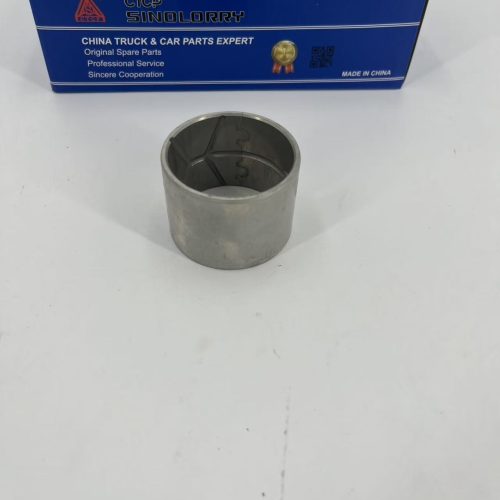
Bushings are small but critical components installed between moving parts, such as suspension arms and mounting points, to reduce friction and buffer small vibrations.
We craft our bushings from high-quality rubber or polyurethane, giving them strong toughness and corrosion resistance—making them durable and effective at protecting other key suspension components.
Durable bushings for truck suspension parts
Suspension Pins & Shackles
Suspension pins and shackles are connecting components that link leaf springs to the truck frame. They allow flexible leaf spring movement while maintaining overall suspension structural stability.
Our pins and shackles are precision-machined from high-strength alloy steel, offering excellent wear and deformation resistance for reliable component connection and long-term stability.
🟡 How Truck Suspension System Works
The truck suspension system is not just a collection of mechanical parts but a dynamic system designed to absorb road impact, maintain vehicle stability, and ensure load balance during transportation.
When a truck travels over uneven road surfaces, the suspension system works by absorbing vertical shock energy generated from the tires. This energy is first transferred to components such as leaf springs, shock absorbers, and control arms, which gradually reduce vibration intensity before it reaches the vehicle frame.
At the same time, suspension geometry plays an important role in maintaining wheel alignment and ensuring consistent tire contact with the road surface. This directly affects braking stability, steering control, and overall driving safety.
Without a properly functioning suspension system, the vehicle would experience excessive vibration, reduced control, and accelerated wear on other connected components.
🔍 Suspension Failure Mechanism
Truck suspension components do not fail suddenly but gradually degrade through continuous mechanical stress and load cycling.Shock absorbers are often the first components to weaken due to constant compression and rebound cycles. As internal damping oil degrades, shock absorption efficiency decreases, leading to increased vibration transfer to the vehicle body.
At the same time, rubber bushings begin to harden and crack due to long-term exposure to heat, pressure, and road vibration. This reduces their ability to cushion movement and maintain alignment stability.
Leaf springs or coil springs may also lose elasticity over time, especially in heavy-load conditions, which leads to uneven vehicle height and reduced load distribution efficiency.
🔧 Diagnostic Process
In professional maintenance practice, suspension system diagnosis is based on both visual inspection and dynamic performance testing.Technicians usually begin by evaluating vehicle stability during motion. Excessive bouncing, uneven tire wear, or poor steering response are often early indicators of suspension degradation.
Next, shock absorbers are tested for leakage or damping inefficiency. If oil leakage is detected or resistance is reduced, it indicates internal failure of the shock absorber system.Rubber bushings and mounting points are also inspected for cracks, deformation, or looseness, which can significantly affect vehicle alignment and driving comfort.
In advanced diagnosis, wheel alignment measurements are used to determine whether suspension geometry has been affected by long-term wear.
💰 Cost Impact on Fleet Operations
Although suspension components are relatively durable, failure can lead to significant operational costs in fleet management.When suspension systems degrade, vehicle stability decreases, which increases tire wear, fuel consumption, and driver fatigue. This indirectly raises operating costs over time.
In severe cases, suspension failure can also affect braking performance and load distribution, increasing safety risks and maintenance complexity.For fleet operators, maintaining suspension systems is not only a mechanical requirement but also a critical factor in reducing long-term operational expenses and ensuring vehicle safety.
Common Issues with Truck Suspension Parts
Suspension components face constant stress from heavy loads, road shocks, and harsh environments like rain, snow, and dust—leading to inevitable wear and failure over time.
Early identification and timely handling of these issues not only reduce maintenance costs but also avoid serious safety hazards, ensuring safe, efficient fleet operation.
Leaf Spring Damage
Common leaf spring issues include cracks, breakage, and sagging. Long-term overloading, rough-road driving, or lack of regular maintenance usually causes these problems.
Sagging leaf springs lead to uneven load distribution, which increases tire wear, reduces tire life, makes the vehicle unstable, and raises accident risks. If you notice sagging or cracks, replace leaf springs promptly with our high-quality products.
Shock Absorber Leakage
Leakage is a common shock absorber issue. Long-term use or impact from road obstacles can damage or wear internal seals, causing loss of vibration-damping ability.
Leaking shock absorbers lead to excessive body bouncing and poor handling; they also increase stress on other suspension components, accelerating wear and causing secondary damage.
Bushings wear gradually from long-term friction between moving parts, frequent vibrations, and exposure to oil and dust.
Worn bushings produce obvious abnormal noises and make vehicle handling unstable—signs drivers can easily notice during daily operation.
Ignoring worn bushings affects driving comfort and damages suspension arms, mounting points, and other related components, significantly increasing maintenance costs.
Maintenance Tips for Truck Suspension Parts
Proper maintenance extends the service life of suspension components, ensures safe vehicle operation, and reduces long-term fleet maintenance costs.
Fleet managers and vehicle operators can follow these practical tips to keep suspension components in optimal working condition and avoid unnecessary failures.
Regular Inspections
First, inspect all key suspension components regularly. Focus on leaf springs, shock absorbers, and bushings for wear, oil leaks, cracks, or damage.
Conduct a visual inspection every week to check for obvious problems, and perform a detailed professional inspection every month to detect potential hazards early.
Lubricate Moving Components
Second, follow the manufacturer’s recommended lubrication schedule strictly. Regularly lubricate suspension pins, bushings, shackles, and other moving parts to reduce friction.
Use high-grade grease that resists heavy loads and extreme temperatures—this ensures long-term lubrication and extends component service life. For compatible high-grade grease, visit ourtruck lubricants product page.
Use High-Quality Replacement Parts
Finally, choose high-quality products when replacing worn or damaged suspension components.
These products should meet or exceed the manufacturer’s specifications. Low-quality parts may cost less upfront but often fail quickly, increasing long-term maintenance costs and disrupting fleet operation.
As a professional truck parts exporter with years of experience, we focus on providing high-quality suspension components for heavy-duty vehicles.
All our suspension components undergo strict quality testing before delivery, including strength, wear resistance, and performance tests, to meet the highest industry standards.
Complete set of high-quality truck suspension parts
Our product range covers various suspension components, including leaf springs, shock absorbers, bushings, suspension pins, and shackles, fitting most mainstream heavy-duty truck models.
In addition, we provide professional after-sales service and technical support. For more details about our truck suspension parts, visit ourmain website or contact us for personalized support and quotes.
❓ Frequently Asked Questions (FAQ)
What are the main components of a truck suspension system?
A truck suspension system is composed of multiple interconnected mechanical components designed to absorb road shocks, maintain vehicle stability, and ensure safe load distribution during transportation.
The main components typically include shock absorbers, leaf springs or coil springs, control arms, bushings, and stabilizer bars. Each component plays a specific role, but they function as a unified system rather than independent parts.
Shock absorbers control the rebound motion after impact, preventing excessive bouncing. Springs carry the vehicle load and absorb vertical force from uneven road surfaces. Bushings act as flexible connectors that reduce vibration transfer between metal components, while stabilizer bars help maintain balance during cornering or uneven road conditions.
When these components work together properly, the vehicle maintains stability, comfort, and predictable handling even under heavy load conditions. However, if one component begins to degrade, the entire suspension balance can be affected.
What causes truck suspension system failure?
Truck suspension system failure is usually the result of long-term mechanical stress combined with environmental and operational factors.
One of the most common causes is continuous exposure to road impact and vibration. Over time, shock absorbers lose their damping efficiency due to internal oil degradation and seal wear. This reduces their ability to control suspension movement effectively.
Rubber bushings are also highly vulnerable to aging. Constant exposure to heat, pressure, and vibration causes them to harden, crack, or deform, reducing their flexibility and cushioning ability.
In heavy-load operations, springs are subjected to continuous stress cycles, which can gradually reduce elasticity or cause deformation. Poor road conditions and overloading significantly accelerate this wear process.
Ultimately, suspension failure develops gradually rather than suddenly, as each component slowly loses efficiency until the overall system can no longer maintain proper vehicle stability.
What are the symptoms of a failing truck suspension system?
A failing suspension system typically shows progressive symptoms that become more noticeable over time rather than appearing suddenly.One of the earliest signs is reduced driving comfort, where the vehicle begins to feel harsher on uneven roads. This indicates that shock absorbers are no longer effectively damping road impact.
As wear continues, drivers may notice excessive bouncing after hitting bumps or uneven surfaces. This happens when shock absorbers lose their ability to control rebound motion.Uneven tire wear is another common symptom, often caused by misalignment or weakened suspension geometry. In more advanced cases, the vehicle may experience poor steering response, body leaning during turns, or increased vibration at higher speeds.
If these symptoms are ignored, suspension performance will continue to degrade, eventually affecting vehicle safety and other connected systems such as tires and steering components.
Can suspension system failure affect truck safety?
Yes, suspension system failure can significantly affect overall truck safety because it directly impacts vehicle stability, braking performance, and steering control.When suspension components wear out, the vehicle loses its ability to maintain consistent tire contact with the road surface. This reduces traction and increases stopping distance during braking.
A damaged suspension system can also cause uneven weight distribution, making the vehicle more difficult to control during cornering or sudden maneuvers. In extreme cases, excessive body roll or instability may increase the risk of accidents, especially when carrying heavy loads or driving at high speeds.Because of these risks, suspension maintenance is not only a performance issue but also a critical safety requirement for commercial truck operations.
How often should truck suspension systems be inspected?
The inspection frequency of truck suspension systems depends heavily on operating conditions, load intensity, and road environment.
For trucks operating primarily on highways with moderate loads, suspension components can generally follow standard maintenance intervals. However, for vehicles used in construction, mining, or heavy freight transport, suspension systems should be inspected more frequently due to higher stress levels.
Regular inspection typically focuses on checking shock absorber condition, bushing wear, spring deformation, and overall vehicle alignment. Technicians also evaluate whether there are signs of oil leakage, abnormal noise, or uneven tire wear.
In fleet management, many operators adopt condition-based maintenance strategies, where inspection timing is adjusted based on real vehicle performance rather than fixed mileage alone. This approach helps detect early wear and prevents unexpected suspension failure.
What happens if suspension problems are not repaired?
If suspension problems are not repaired in time, they can gradually lead to a chain reaction of mechanical and operational issues.As suspension components degrade, vehicle stability decreases, which increases vibration and impact stress on other systems such as tires, steering components, and chassis structures. This accelerates overall wear across multiple vehicle systems.
Fuel efficiency may also be affected, as poor suspension performance increases rolling resistance and reduces driving efficiency. Drivers may experience increased fatigue due to reduced comfort and stability.
In the long term, ignoring suspension issues can lead to more expensive repairs, reduced vehicle lifespan, and higher operational costs, especially in fleet environments where vehicles operate continuously under load.
Why do suspension components wear out faster in heavy-duty trucks?
Suspension components in heavy-duty trucks wear out faster because they are subjected to significantly higher mechanical stress compared to light vehicles.
These trucks carry heavier loads, operate for longer durations, and often travel on uneven or rough road surfaces. This creates continuous compression and rebound cycles in the suspension system, which accelerates fatigue in shock absorbers, springs, and bushings.
Additionally, heat generated from constant friction and vibration contributes to material degradation, especially in rubber and hydraulic components. Over time, this combination of mechanical and thermal stress leads to faster wear and reduced system lifespan.
What are the most expensive consequences of suspension failure?
The most expensive consequence of suspension failure is not the suspension repair itself, but the secondary damage it causes to other vehicle systems.When suspension components fail, uneven tire wear becomes more severe, leading to frequent tire replacement costs. Steering components may also experience additional stress, increasing repair frequency.
In fleet operations, another major cost factor is vehicle downtime. When a truck is out of service due to suspension failure, it directly impacts delivery schedules and operational efficiency.In severe cases, prolonged suspension failure can even affect chassis integrity, leading to more complex and expensive structural repairs.