In the intricate mechanics of a heavy-duty truck, every component plays a vital role in ensuring safe and efficient operation. Among these, the intermediate steering shaft stands as a critical, yet often overlooked, link in the steering system. This essential part transmits the driver’s input from the steering wheel to the steering gear, directly influencing vehicle control and responsiveness. Consequently, the quality of this component is paramount, as a failing or substandard shaft can compromise steering precision, leading to dangerous driving conditions. Therefore, understanding how to select a high-quality intermediate steering shaft is not merely about maintenance; it is fundamentally about safeguarding lives and investments.
This comprehensive guide aims to illuminate the complexities of choosing a reliable intermediate steering shaft. We will delve into its fundamental role, identify common problems and their warning signs, and outline the key factors that define a superior product. Furthermore, we will provide actionable insights into material science, manufacturing precision, and the importance of reputable suppliers. Ultimately, our goal is to empower fleet operators and maintenance professionals to make informed decisions, ensuring optimal steering performance and uncompromised safety on the road. For reliable Intermediate Steering Shaft solutions, Mettlead offers unparalleled expertise and quality.
The Unsung Hero: Understanding the Intermediate Steering Shaft
Often hidden from plain sight, the intermediate steering shaft is a sophisticated piece of engineering crucial for translating driver intent into vehicle movement. Its design and construction directly impact the feel and safety of the steering.
What is an Intermediate Steering Shaft?
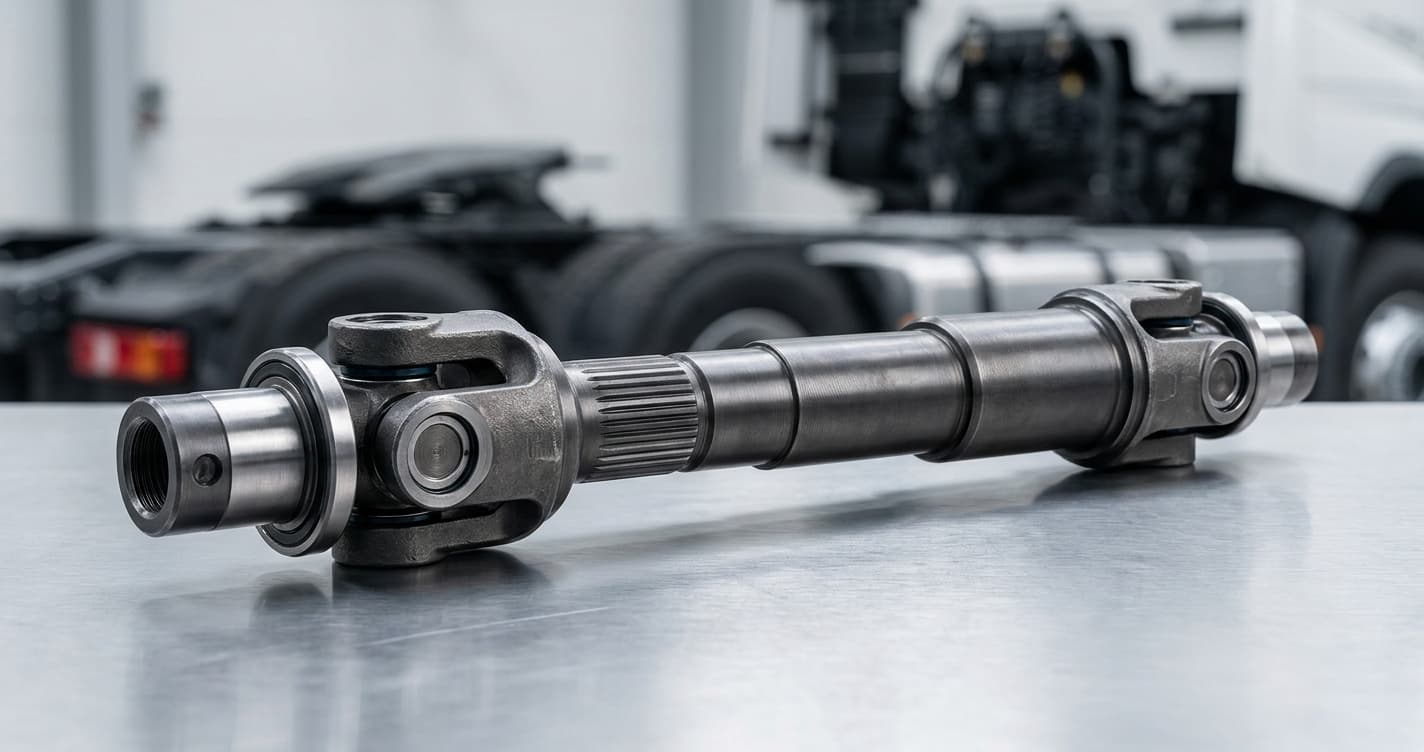
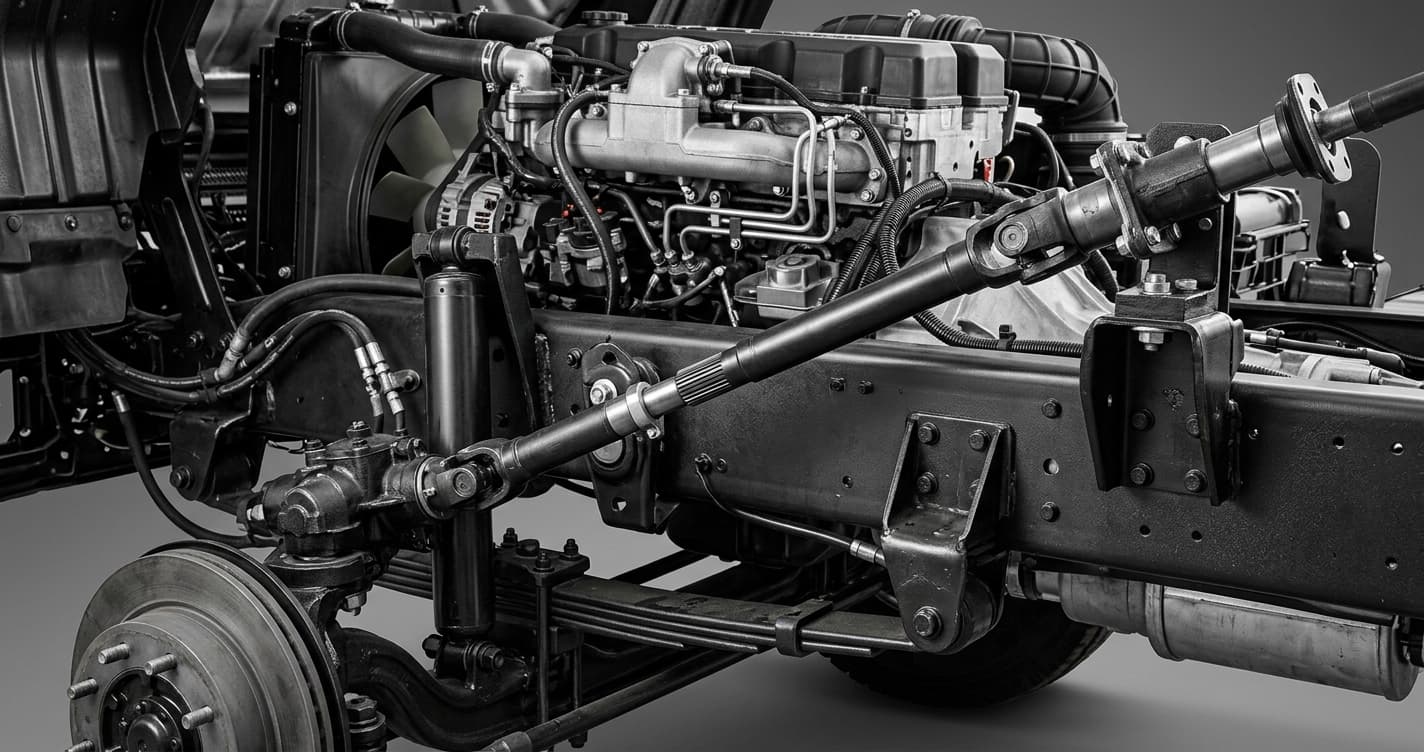
An intermediate steering shaft serves as the mechanical bridge between the steering column (where the steering wheel is located) and the steering gear (which translates rotational motion into linear motion to turn the wheels). Typically, it consists of two shaft sections connected by one or more universal joints (U-joints). These U-joints allow for angular movement, accommodating the slight misalignment between the steering column and the steering gear, which is often necessary due to vehicle design and suspension travel. Therefore, its primary function is to ensure smooth, precise, and uninterrupted power transmission from the driver to the wheels.
Why is its Quality Paramount?
The quality of an intermediate steering shaft is directly proportional to steering precision, driver control, and overall vehicle safety. A poorly manufactured or worn shaft can introduce excessive play, vibrations, or even complete loss of steering control. For instance, loose U-joints can cause a vague steering feel, making it difficult for the driver to maintain a straight line. Conversely, a binding shaft can make steering stiff and unresponsive, especially during turns. Given that heavy-duty trucks operate under immense stress and carry significant loads, any compromise in steering integrity poses a severe risk. Consequently, investing in a high-quality shaft is a non-negotiable aspect of fleet safety and operational efficiency.
Common Problems and Warning Signs of a Failing Steering Shaft
Identifying issues with an intermediate steering shaft early can prevent catastrophic failures and costly repairs. Several distinct symptoms indicate a potential problem.
Steering Play and Looseness: A Vague Driving Experience
One of the most common indicators of a worn intermediate steering shaft is excessive play or looseness in the steering wheel. Drivers might notice that they have to turn the steering wheel a significant amount before the wheels begin to respond. This
lack of immediate response is often caused by worn universal joints or splines within the shaft, creating unwanted slack in the steering linkage. Furthermore, this looseness can manifest as a rattling sensation felt through the steering wheel, particularly when driving over uneven surfaces. Addressing this issue promptly is crucial, as excessive play can severely impair a driver’s ability to make precise steering corrections, especially at higher speeds or during emergency maneuvers.
Clunking or Popping Noises: Audible Alarms
Another clear warning sign of a failing intermediate steering shaft is the presence of unusual noises, such as clunking, popping, or grinding sounds. These noises are typically heard when turning the steering wheel, especially at low speeds, or when driving over bumps and potholes. The primary culprit is usually worn or damaged universal joints. When the U-joints lose their lubrication or develop excessive wear, the metal-on-metal contact creates these audible indicators. Consequently, ignoring these sounds can lead to further damage to the steering system, potentially resulting in a complete failure of the shaft. Therefore, any new or unusual noises from the steering column should prompt immediate investigation.
Difficulty Steering or Binding: Increased Effort Required
Conversely to looseness, a binding intermediate steering shaft can cause difficulty in steering, making the steering wheel feel stiff or resistant. This symptom often becomes more pronounced during turns or when maneuvering at low speeds. The binding can be caused by corrosion, damage to the universal joints, or misalignment within the shaft itself. When the U-joints seize or become stiff, they restrict the smooth articulation required for steering. Furthermore, this increased effort can lead to driver fatigue and reduce reaction time, posing a significant safety hazard. Therefore, any noticeable increase in steering effort warrants immediate attention and diagnosis.
| Common Intermediate Steering Shaft Problems | Symptoms | Potential Causes |
|---|---|---|
| Excessive Steering Play | Loose steering wheel, delayed response, rattling sensation. | Worn universal joints, loose splines, fatigued components. |
| Clunking/Popping Noises | Audible sounds during turns or over bumps. | Worn or damaged universal joints, lack of lubrication. |
| Difficulty Steering/Binding | Stiff steering wheel, increased effort, resistance during turns. | Corroded universal joints, misalignment, seized components. |
Key Factors for Choosing a Quality Intermediate Steering Shaft
Selecting a high-quality intermediate steering shaft involves scrutinizing several critical aspects, from material composition to manufacturing precision. These factors collectively determine the part’s durability, performance, and safety.
Material and Construction Excellence: The Foundation of Durability
The foundation of a quality intermediate steering shaft lies in its materials and construction. High-strength steel is essential for the shaft itself, providing the necessary rigidity and resistance to torsional forces. Furthermore, the universal joints must be robust, typically made from hardened steel, and designed for heavy-duty applications. Precision machining is equally vital to ensure tight tolerances, minimizing play and maximizing smooth operation. Components like sealed bearings within the U-joints are crucial for preventing contamination and maintaining lubrication, thereby extending the shaft’s lifespan. Therefore, a thorough examination of material specifications and manufacturing processes is paramount.
OEM Compatibility and Fitment: Seamless Integration
An intermediate steering shaft must be perfectly compatible with the specific truck model and its original equipment manufacturer (OEM) specifications. This ensures not only correct fitment but also proper functionality within the entire steering system. Parts that do not meet OEM standards can lead to misalignment, premature wear, and even damage to other steering components. Consequently, always verify that the replacement shaft is designed for your truck’s make and model, ideally opting for OEM-compatible parts that guarantee seamless integration and performance. This attention to detail prevents installation headaches and ensures the steering system operates as intended.
Durability and Corrosion Resistance: Built for Harsh Environments
Heavy-duty trucks often operate in challenging environments, exposing components to moisture, dirt, salt, and extreme temperatures. Therefore, a quality intermediate steering shaft must exhibit excellent durability and corrosion resistance. Features such as protective coatings (e.g., e-coating, zinc plating) on metal surfaces and sealed universal joints are crucial for preventing rust and contamination. Furthermore, robust construction that can withstand constant vibration and shock loads without premature fatigue is essential for long-term reliability. Ultimately, a shaft built to resist these environmental stressors will provide a longer service life and greater peace of safety.
Supplier Reputation and Certifications: Trust in the Source
The credibility of the supplier is as important as the quality of the part itself. Reputable manufacturers and suppliers adhere to stringent quality control standards and often possess industry certifications such as ISO/TS 16949. These certifications indicate a commitment to quality management systems and continuous improvement. Furthermore, a reliable supplier will offer comprehensive product information, technical support, and a clear warranty. Therefore, choosing a supplier with a proven track record, like Mettlead, ensures that you are sourcing parts that meet or exceed industry benchmarks, providing peace of mind and reducing the risk of premature failure.
Mettlead’s Commitment to Superior Steering Components
At Mettlead, we understand the critical role an intermediate steering shaft plays in the safety and performance of heavy-duty trucks. Our commitment is to supply components that not only meet but exceed industry expectations.
Precision Engineering for Uncompromised Safety
Mettlead prioritizes precision engineering in every intermediate steering shaft we supply. We ensure that our products are manufactured to exact OEM specifications, utilizing high-grade materials and advanced production techniques. This meticulous attention to detail guarantees optimal fitment, smooth operation, and the highest level of safety for your fleet. Consequently, our shafts are designed to deliver responsive and reliable steering, even under the most demanding conditions.
Rigorous Quality Control and Testing
Our dedication to quality is reinforced by rigorous quality control measures. Every intermediate steering shaft undergoes comprehensive inspection and testing before it reaches our customers. This includes material analysis, dimensional checks, and performance testing of universal joints. Furthermore, our ISO/TS 16949:2009 certification underscores our adherence to international quality management standards. This ensures that you receive only the most reliable and durable wholesale intermediate steering shafts available.
Extensive Inventory for Diverse Truck Models
Mettlead maintains an extensive inventory of intermediate steering shafts, covering a wide range of heavy-duty truck makes and models. Whether you operate Sinotruk, Shacman, FAW, or other major brands, we provide the necessary comprehensive steering system solutions to meet your specific needs. Our efficient supply chain ensures timely delivery, minimizing vehicle downtime and keeping your operations running smoothly. Therefore, you can rely on Mettlead for consistent availability and expert support.
Frequently Asked Questions: Intermediate Steering Shafts
Fleet operators and maintenance professionals often have specific questions regarding the inspection, maintenance, and replacement of intermediate steering shafts. Here are answers to some common inquiries:
Q1: How often should an intermediate steering shaft be inspected?
Regular inspections are crucial. It is recommended to inspect the intermediate steering shaft, particularly its universal joints, during every routine maintenance service, typically every 15,000 to 30,000 kilometers or every 3 to 6 months. Furthermore, any time a driver reports unusual steering behavior or noises, an immediate inspection is warranted. Early detection of wear can prevent more severe issues.
Q2: Can a faulty intermediate steering shaft be repaired, or must it be replaced?
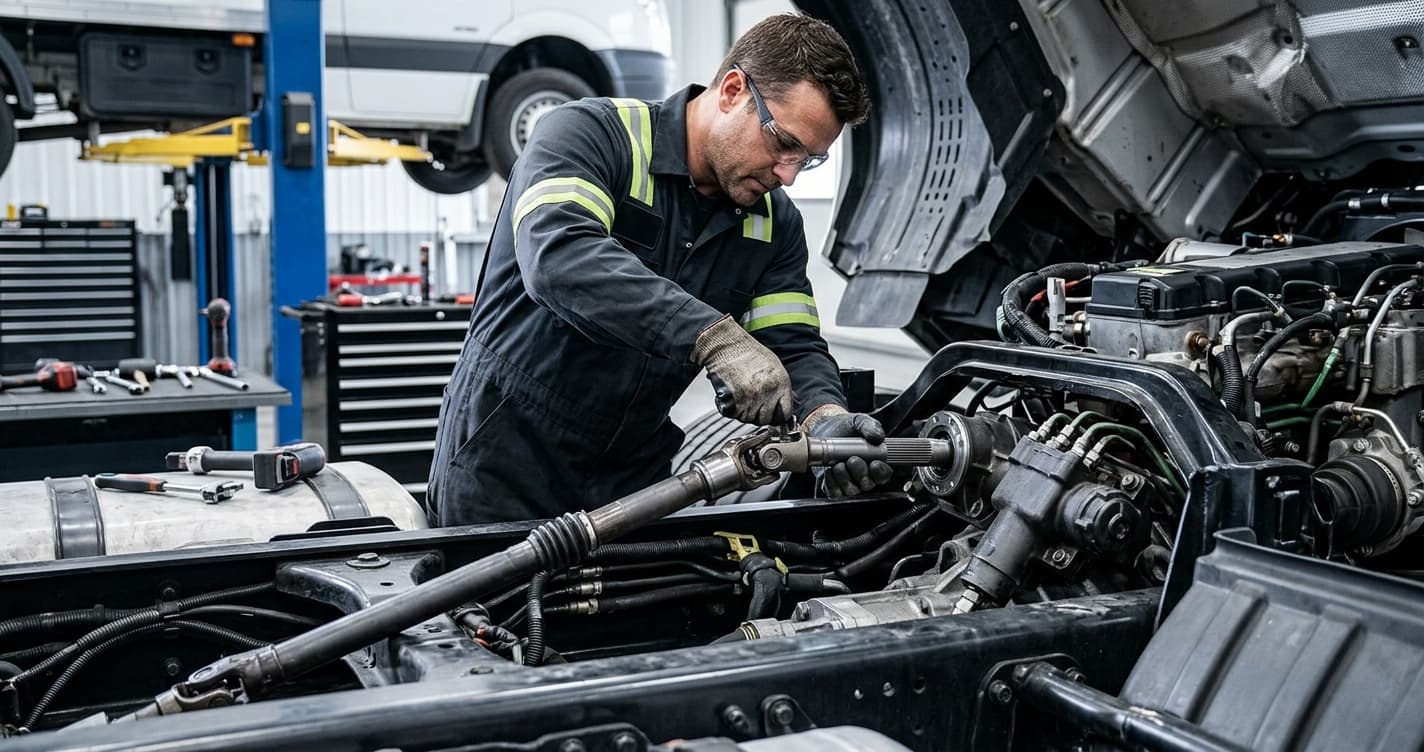
In most cases, a faulty intermediate steering shaft, especially one with worn universal joints, should be replaced as a complete unit. While it might be possible to replace individual U-joints, the shaft itself can also develop wear or slight bends that are not easily repairable. Consequently, for safety and long-term reliability, a full replacement is generally the recommended course of action. This ensures the integrity of the entire component.
Q3: What are the risks of driving with a worn intermediate steering shaft?
Driving with a worn intermediate steering shaft poses significant safety risks. These include loss of steering control, unpredictable steering response, increased stopping distances due to compromised control, and potential for catastrophic failure leading to complete steering loss. Furthermore, it can cause accelerated wear on other steering and suspension components. Therefore, addressing a worn shaft immediately is critical for driver and public safety.
Q4: How do I ensure I’m buying a genuine or high-quality replacement part?
To ensure you are purchasing a genuine or high-quality replacement part, always source from reputable suppliers with established track records and industry certifications. Look for clear branding, verifiable part numbers, and robust packaging. Furthermore, be wary of unusually low prices, as these often indicate counterfeit or substandard products. A trusted supplier like Mettlead provides assurance of quality and authenticity for OEM-compatible intermediate steering shafts.
Q5: Does Mettlead offer technical support for steering shaft installation?
Yes, Mettlead is committed to providing comprehensive support to our customers. While we primarily supply the parts, our team of experts can offer technical guidance and advice regarding the proper selection and installation of intermediate steering shafts. Furthermore, we can connect you with resources or provide best practice recommendations to ensure a correct and safe installation. Therefore, feel free to contact us for any technical inquiries.
| Quality Checkpoints for Intermediate Steering Shafts | Why it Matters | Mettlead’s Standard |
|---|---|---|
| Material Grade | Ensures strength, durability, and resistance to fatigue. | High-strength alloy steel, rigorously tested. |
| Universal Joints (U-Joints) | Critical for smooth articulation and power transfer. | Precision-machined, sealed, and pre-lubricated for longevity. |
| Corrosion Protection | Prevents rust and extends lifespan in harsh conditions. | Advanced protective coatings (e-coating, zinc plating). |
| OEM Fitment | Guarantees perfect compatibility and easy installation. | Manufactured to exact OEM specifications and tolerances. |
| Supplier Certification | Indicates adherence to strict quality management systems. | ISO/TS 16949:2009 certified processes. |
Conclusion: Prioritizing Safety with a Quality Intermediate Steering Shaft
The intermediate steering shaft is a small yet mighty component that holds the key to a heavy-duty truck’s steering precision and, more importantly, its safety. Ignoring its condition or opting for substandard replacements can lead to severe operational risks and costly downtime. Therefore, making an informed choice about this critical part is an investment in both vehicle longevity and driver well-being.
Mettlead stands as your reliable partner in this endeavor. We are dedicated to supplying only the highest quality comprehensive steering system solutions, including meticulously engineered intermediate steering shafts. Our commitment to precision, durability, and customer support ensures that your fleet remains safe, efficient, and on the road for the long haul.
Ready to enhance your fleet’s safety and steering performance with premium intermediate steering shafts?
Get a quote for quality intermediate steering shafts from Mettlead today and experience the confidence that comes with superior components.
Mettlead – Quality First, Efficient Service, Customer Supreme.


