Truck Brake Pads Problems: Ensure Safe Braking for Your Fleet
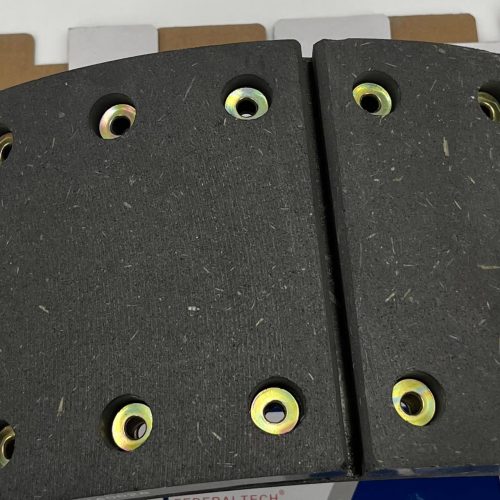
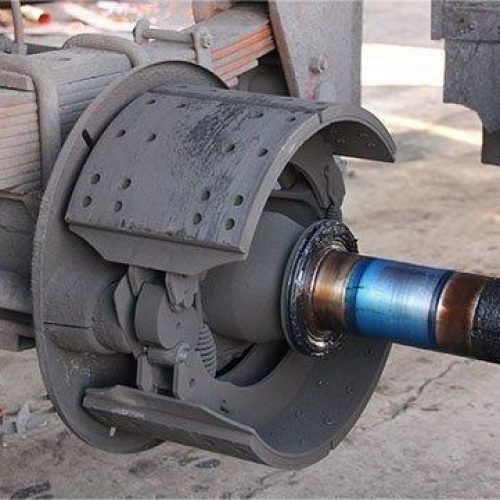
The brake system is the core of truck safety, and truck brake pads are the most critical consumable component in this system. For fleets operating in various regions around the world—whether on busy urban roads, rough rural terrain, or dusty construction sites—worn or faulty brake pads can lead to serious safety hazards, unplanned downtime, and costly repairs. As a professional Chinese truck parts exporter, we have rich experience in providing high-quality brake pads suitable for global operating conditions, including harsh environments and heavy-duty usage. Even a small defect in brake pads can affect the entire braking performance, increasing risks for drivers, cargo, and other road users. Many fleet owners underestimate the impact of worn brake pads until sudden failures occur, resulting in expensive repairs, delayed operations, and even safety accidents. For more details on our high-quality brake pad products, you can visit our official website.
Common Problems of Truck Brake Pads and Their Causes
Truck brake pads face various challenges during daily use, as they bear the brunt of friction, pressure, and external environmental factors. Multiple common issues can affect their performance and service life, and understanding the root causes of these problems is key to ensuring safe and efficient fleet operation. Below are the most frequent problems and their underlying causes, helping fleet managers identify and address issues in a timely manner, avoid unnecessary losses, and extend the service life of the entire braking system.
1. Premature Wear of Brake Pads
Premature wear is one of the most prominent and common issues with truck brake pads, often leading to frequent replacements, increased operational costs, and unplanned downtime. This problem stems from multiple interrelated factors: first, frequent heavy braking due to improper driving habits, such as sudden acceleration and deceleration, which puts excessive pressure on the brake pads; second, the use of low-quality non-genuine brake pads, whose materials and manufacturing processes fail to meet standard requirements, resulting in rapid wear; third, debris entering the brake system, especially in dusty environments or gravel roads, where small particles get stuck between the brake pad and disc, acting as abrasives and accelerating wear. In some cases, this can reduce the service life of brake pads by up to half. To learn how to reduce premature wear, check our maintenance guide.
2. Annoying Braking Noise
Many fleet operators often encounter squeaking, grinding, or rattling noises during braking, which not only affects the comfort of the driving environment but also signals potential problems with the brake pads. These noises are usually caused by three main factors: uneven wear on the surface of the brake pad, which leads to uneven contact with the brake disc; loose installation of the brake pad, resulting in slight shaking during braking; and hard particles embedded in the pad material, which produce friction noise when in contact with the disc. In addition, humid environments can cause rust on the brake disc, and the friction between the rust and the brake pad also generates abnormal noise. For professional solutions to brake noise, visit our technical support page.
3. Brake Fade Under High Temperature
Brake fade is a critical safety concern, especially for trucks operating in high-temperature regions or making long downhill drives. When the brake system overheats due to prolonged use or high ambient temperatures, the friction performance of the brake pad decreases sharply, leading to reduced braking force and longer stopping distances. This issue is particularly dangerous for heavy-duty trucks carrying large loads, as it significantly increases the risk of traffic accidents. The main reason for this problem is the use of brake pads with poor high-temperature resistance, whose material properties change under high heat, resulting in reduced friction. To choose the right high-temperature-resistant brake pads, refer to ourproduct selection guide.
Practical Solutions to Ensure Safe Braking
To solve the above problems and ensure the safe and efficient operation of the truck braking system, fleet managers need to combine high-quality products, scientific maintenance, and proper driving habits. Only through comprehensive measures can we effectively reduce failures, extend the service life of brake pads, and ensure the safety of the entire fleet.
1. Choose High-Quality Brake Pads
Selecting the right brake pads is the foundation of safe braking. When choosing, it is necessary to fully consider the operating environment (such as high temperature, humidity, and dust); load capacity; and driving frequency and select products that meet international standards. High-quality brake pads are made of wear-resistant and high-temperature-resistant materials, which can effectively reduce premature wear and brake fade and ensure stable performance in various harsh conditions. Our company’s brake pads undergo strict quality testing to meet global fleet needs. For more product details, visit our premium brake pad page.
2. Establish Regular Inspection and Maintenance
Regular inspection and maintenance are key to preventing brake pad failures. It is recommended to check the thickness and surface condition of the brake pads every 10,000 kilometers or every 3 months, whichever comes first. When the thickness of the brake pad is less than 3mm, it should be replaced immediately to avoid safety hazards. For fleets operating in harsh conditions (such as dusty or high-temperature areas), the inspection frequency should be appropriately increased. At the same time, regularly clean the brake system to remove debris and rust, and check the tightness of the installation to ensure the normal operation of the brake pads.
3. Adopt Proper Driving Habits
Good driving habits can significantly extend the service life of brake pads. Avoid frequent heavy braking; instead, use engine braking during long downhill drives to reduce the load on the brake system. Maintain a safe following distance to avoid sudden stops, which not only reduces wear on the brake pads but also improves driving safety. In addition, avoid driving over potholes or rough roads at high speed, as this can cause vibration and loose installation of the brake system.
Our Reliable Brake Pad Solutions
As a professional truck parts exporter with years of experience, we are committed to providing global fleet customers with high-quality, reliable brake pad products and comprehensive solutions. Our brake pads are manufactured with high-standard materials and strict production processes, undergoing rigorous testing to ensure durability, high-temperature resistance, and low noise performance. We also offer customized solutions according to the specific needs of different regions and fleet types, helping customers reduce maintenance costs and improve operational efficiency. Whether you need standard or customized brake pads, we can provide professional support and high-quality products.
To learn more about our truck brake pads and how to solve your fleet’s brake problems, visit our homepage orget in touch with our sales team today. We are here to help you ensure the safety of your fleet and reduce maintenance costs.
Lorem ipsum dolor sit amet, consectetur adipiscing elit. Ut elit tellus, luctus nec ullamcorper mattis, pulvinar dapibus leo.