Truck Air Filter Problems: Causes & Solutions for Global Fleets
The truck engine relies on clean air to operate efficiently, and the truck air filter is its first line of defense. For fleets operating worldwide—from dusty construction sites to high-temperature deserts, and busy urban roads—faulty air filters can cause severe engine damage, reduced fuel efficiency, and unexpected downtime. As a professional Chinese truck parts exporter, we specialize in high-quality air filters tailored to global operating conditions, including extreme heat, heavy dust, and humid environments. Even a minor issue with the air filter can compromise the entire engine’s performance, leading to costly repairs, delayed deliveries, and reduced fleet productivity. Many fleet managers overlook the importance of air filter maintenance until engine problems arise, which often results in more expensive fixes and prolonged downtime. This article breaks down common truck air filter issues, their root causes, and actionable solutions to keep your fleet running smoothly. To explore our reliable truck air filters, you can visit our official website.
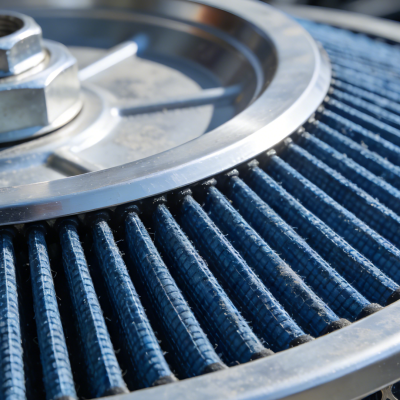
Clogged vs clean truck air filter comparison
Common Air Filter Challenges & Their Root Causes
Truck air filters operate in some of the harshest environments worldwide, constantly facing dust, sand, high temperatures, humidity, and regular wear and tear. Their performance directly impacts the engine’s health, fuel efficiency, and overall fleet reliability. Unlike other truck components, air filters are exposed to external elements 24/7, making them prone to frequent issues that can escalate quickly if not addressed. Below are the three most common problems fleet owners encounter across the globe, along with their detailed root causes, helping you identify and resolve issues before they damage your engines.
1. Clogged Air Filters
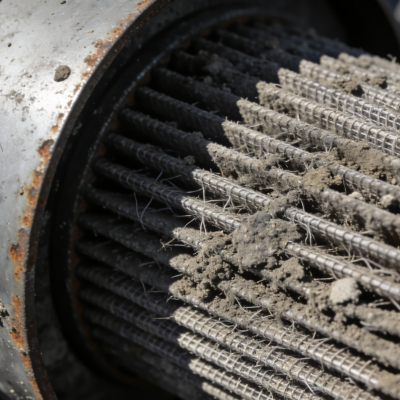
Clogging is the most prevalent and costly issue with truck air filters, especially in dusty, arid regions like the Middle East, Africa, and other dry areas globally. Sandstorms, dusty construction sites, and unpaved rural roads bombard air filters with fine particles—including sand, dirt, and debris—that accumulate over time, gradually blocking airflow to the engine. Unlike cold regions where snow or moisture is the main concern (and can also cause clogging, albeit more slowly), dry, dusty environments speed up the clogging process dramatically—even a single sandstorm can reduce filter efficiency by 30% or more. A clogged filter forces the engine to work harder to draw in air, leading to reduced power, slower acceleration, and higher fuel consumption (often increasing fuel costs by 10–15%). Over time, prolonged clogging can also cause overheating and premature engine wear, as the engine struggles to maintain optimal performance. To learn how to prevent air filter clogging in dusty regions, check our maintenance guide.
2. Cracked Filters Due to High Temperatures
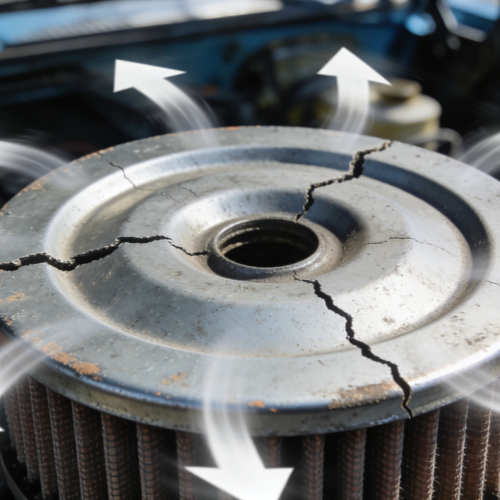
Extreme heat—often exceeding 40°C (104°F) in the Middle East, Africa, and many other warm climates—poses a significant threat to truck air filters. Most standard air filters are made of paper or cotton, materials that become brittle and prone to cracking when exposed to prolonged high heat and direct sunlight. This brittleness weakens the filter’s structure, causing it to crack or tear, even with normal use. A cracked filter fails to seal properly in the air intake system, allowing unfiltered air (and harmful particles like sand and dirt) to bypass it and enter the engine directly. This unfiltered air causes premature wear on critical engine components, including pistons, cylinders, and valves, leading to costly repairs and potentially engine failure—no matter where your fleet operates. For guidance on choosing heat-resistant air filters, refer to our product selection guide
Clogged vs clean truck air filter comparison
3. Ill-Fitting or Low-Quality Filters
Many fleet owners choose low-quality, generic air filters to cut short-term costs, but these often don’t fit the truck’s air intake system—a problem plaguing fleets worldwide, from urban areas to remote job sites. Loose or ill-fitting filters create gaps between the filter and the air intake housing, allowing dust and sand to bypass the filter entirely, rendering it useless. This is especially problematic in dusty regions, but even in milder areas, unfiltered dust and debris accumulate in the engine over time, causing significant damage and reducing engine lifespan. Additionally, some non-standard filters lack proper sealing gaskets or are made with inferior materials, further increasing dust leakage risks for fleets everywhere. Investing in high-quality, properly fitting filters can save fleets thousands in repair costs over time. For professional advice on choosing the right fit for your fleet, visit our technical support page.
Practical Maintenance & Solutions for Air Filters
To avoid these common air filter issues and protect your truck engine from costly damage, fleet managers need to combine high-quality, region-adapted filters, regular maintenance routines, and region-specific care strategies. Air filter maintenance is simple and cost-effective, but it requires consistency—especially for fleets operating in harsh environments. Below are actionable steps to keep your air filters in top condition, extend engine life, and reduce unplanned downtime.
1. Choose High-Quality, Region-Adapted Air Filters
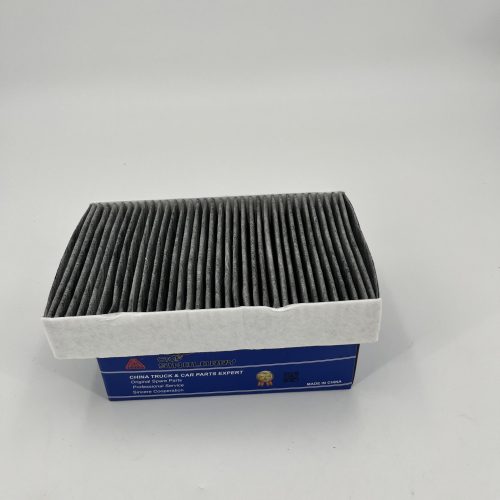
Not all air filters are designed for harsh environments, and choosing the wrong filter can lead to frequent issues and engine damage. Look for filters engineered to resist clogging and high temperatures—preferably with a multi-layer design (cotton or synthetic media) that traps fine sand and dust without restricting airflow. For dusty regions like the Middle East and Africa, opt for filters with enhanced dust-holding capacity and durable frames that can withstand constant exposure to debris. For high-temperature areas, select filters made with heat-resistant materials that won’t crack or degrade under extreme heat. Our company specializes in truck air filters adapted to global regions, including the Middle East, Africa, and other harsh environments, with heat-resistant materials, enhanced dust-holding capacity, and perfect fit for all major truck models. To browse our full range of region-adapted air filters, check out our specialized product page.
2. Establish a Regular Inspection & Replacement Schedule
Regular inspections are key to preventing filter-related engine issues, as they allow you to catch clogs, cracks, or damage early. We recommend checking air filter condition every 5,000–10,000 kilometers (or monthly, whichever comes first) for most fleets. For fleets operating in harsh, dusty environments (like construction sites or desert regions), increase inspection frequency to every 3,000–5,000 kilometers or biweekly, as clogging and damage can occur much faster. Replace filters immediately if they are clogged (visible dust buildup on the surface), cracked, torn, or damaged—delaying replacement can lead to engine damage and higher repair costs. Additionally, keep a stock of replacement filters on hand to avoid downtime when a filter needs to be changed. For professional maintenance guidance tailored to your fleet’s operating environment, feel free to contact our team.
3. Ensure Proper Installation & Seal
Incorrect installation is a common but avoidable cause of filter bypass and engine damage. Even the highest-quality filter will fail if it’s not installed properly. Have a professional mechanic install the filter, ensuring it fits snugly in the air intake housing and that the sealing gasket is intact and properly seated. A proper seal prevents dust, sand, and debris from bypassing the filter and entering the engine. Additionally, clean the air intake housing regularly to remove accumulated dust and debris that can interfere with the filter’s seal or clog the filter faster. Inspect the housing for cracks or damage that could allow unfiltered air to enter, and repair or replace it if necessary. Taking these simple steps can significantly extend the life of your air filters and protect your engine.
🟡 1. Symptoms Recognition
In real-world fleet operations, air filter problems rarely appear as sudden failures. Instead, they usually develop gradually through subtle changes in engine behavior. One of the earliest signs is a noticeable reduction in engine responsiveness, especially when the vehicle is under heavy load or climbing uphill. Drivers often describe this condition as the engine feeling “restricted” or less powerful than usual, even though no mechanical warning light has appeared.
As the restriction inside the air intake system increases, fuel consumption also begins to rise. This happens because the engine control system tries to compensate for reduced airflow by injecting more fuel, which disrupts the normal combustion balance. In addition, black exhaust smoke may appear during acceleration, indicating incomplete combustion caused by insufficient air supply. Over time, turbo lag and unstable idle may also develop, signaling that the airflow system is no longer operating efficiently.
🔍 2. Diagnostic Process
Diagnosing air filter problems in heavy-duty trucks requires more than a visual inspection. In professional maintenance environments, technicians usually start by evaluating engine airflow behavior under different load conditions. If the engine shows inconsistent power delivery or delayed throttle response, the air intake system becomes a primary inspection target.
The next step typically involves removing the air filter housing and examining the filter element for dust saturation, deformation, or oil contamination. However, experienced technicians also go beyond physical inspection by testing airflow resistance and checking for possible leakage in the intake pipeline. Even a small crack or poor sealing in the air intake system can lead to unfiltered air entering the engine, which significantly increases long-term wear risk.
Modern diagnostic systems may also use ECU data to analyze airflow deviation. When actual airflow does not match expected values, it often confirms that the filtration system is no longer functioning within optimal parameters.
⏱️ 3. Maintenance Strategy
The maintenance cycle of truck air filters is not fixed and should always be adjusted according to real working environments. In highway transportation scenarios where road conditions are relatively clean, air filters can generally maintain stable performance over longer intervals. However, in construction sites, mining areas, or desert regions, dust concentration is significantly higher, which accelerates filter saturation.
In practical fleet management, maintenance decisions are increasingly based on operating conditions rather than mileage alone. For example, trucks operating in heavy dust environments often require more frequent inspection because airflow restriction can develop much faster than expected. Instead of waiting for full clogging, many fleet operators now adopt a preventive approach, replacing or cleaning filters before performance degradation becomes noticeable.
This strategy not only helps maintain consistent engine performance but also reduces long-term risks to the turbocharger and fuel injection system.
💰 4. Cost Impact Analysis
Although air filters are relatively small components, their impact on overall fleet operating costs is significant when neglected. A partially clogged air filter may not immediately stop a vehicle from running, but it gradually reduces combustion efficiency, which directly increases fuel consumption over time. In large-scale fleet operations, even a small percentage increase in fuel usage can translate into substantial monthly operational costs.
More importantly, long-term airflow restriction can lead to secondary damage in critical engine components. Turbochargers, fuel injectors, and combustion chambers are particularly vulnerable when contaminated air enters the system or when combustion becomes unstable. These types of failures are far more expensive to repair compared to routine filter replacement.
From a fleet management perspective, maintaining clean air filtration is not just a maintenance task, but a cost control strategy that directly influences profitability and vehicle uptime.
Why Our Air Filter Solutions Stand Out for Global Fleets
As a professional truck parts exporter with over 10 years of experience, we are committed to providing high-quality, reliable truck air filters to global customers, regardless of their operating environment. Our filters undergo strict testing to meet international standards, with a focus on heat resistance, wear resistance, and strong dust-holding capacity—ensuring they perform well in the harshest conditions, from desert heat to dusty construction sites. We understand that every region has unique challenges, which is why we offer customized solutions for different regions and fleet types, whether you operate long-haul trucks, construction vehicles, or urban delivery fleets. Our team also provides timely shipping to global locations and comprehensive after-sales support, including maintenance guidance and product recommendations. For more details on how our air filters can protect your fleet, visit our solutions page.
To learn more about our truck air filters and how to solve your fleet’s air filter problems, visit our homepage or get in touch with our sales team today. We’re here to help you protect your engines and reduce maintenance costs.
❓ Frequently Asked Questions (FAQ)
What are the most common air filter problems in heavy-duty trucks?
The most common air filter problems in heavy-duty trucks include clogging, dust saturation, damaged filter media, improper installation, and poor sealing. These issues usually develop gradually as trucks operate in dusty roads, construction sites, mining areas, and long-distance freight routes.
When the air filter becomes clogged, the engine receives insufficient clean air, which directly affects combustion efficiency. This leads to reduced engine power, increased fuel consumption, black smoke emissions, and unstable idling.
In severe cases, damaged air filters may allow unfiltered particles to enter the engine, causing internal wear to cylinders, piston rings, and turbocharger components. This significantly reduces engine lifespan and increases maintenance costs for global fleets.
What causes truck air filters to get clogged quickly?
Air filters clog quickly mainly due to environmental and operational conditions. Trucks operating in dusty environments such as deserts, construction zones, and mining areas experience much faster contamination.
Poor-quality aftermarket filters or extended replacement intervals also contribute to early clogging. When maintenance schedules are ignored, dust and debris accumulate inside the filter media layer, restricting airflow.
Another common cause is engine oil contamination in cases where crankcase ventilation systems malfunction. This oil mist can stick to the filter surface and accelerate blockage.
Fleet operators should adjust replacement intervals based on real working conditions rather than fixed mileage standards.
How do I know if my truck air filter is bad?
A bad air filter usually shows several clear symptoms. The most common signs include reduced engine power, slow acceleration, increased fuel consumption, and black exhaust smoke.
Drivers may also notice unusual turbo lag, especially during uphill driving or heavy-load acceleration. In some cases, the engine may produce a rough idle or inconsistent performance.
A visual inspection can also reveal excessive dust buildup, discoloration, or physical damage to the filter element. If the filter is extremely dirty or deformed, it should be replaced immediately.Ignoring these symptoms can lead to long-term engine damage and higher operational costs.
Can a dirty air filter damage the engine?
Yes, a dirty air filter can cause serious engine damage if not replaced in time. When airflow is restricted, the engine operates under abnormal air-fuel ratios, leading to incomplete combustion and increased internal stress.
Over time, unfiltered particles may bypass the filter and enter the combustion chamber. These particles act like abrasives and can damage cylinder walls, piston rings, and valves.
In turbocharged engines, dirty filters can also affect turbo efficiency and cause premature turbocharger wear due to dust ingestion.For global fleet operations, maintaining clean air filtration systems is one of the most important preventive maintenance steps to ensure engine reliability.
How often should truck air filters be replaced?
Air filter replacement intervals depend heavily on operating environment and workload. In normal highway conditions, filters may last longer, but in dusty or heavy-load environments, replacement must be more frequent.
Most fleet maintenance programs recommend inspection every 10,000–20,000 km and replacement when performance degradation is detected. However, in mining or construction environments, replacement cycles may need to be significantly shorter.
Instead of relying only on mileage, operators should monitor airflow resistance and engine performance indicators.Regular inspection ensures stable combustion efficiency and reduces long-term engine wear.
What is the best way to maintain truck air filters?
Proper air filter maintenance involves regular inspection, timely replacement, and using high-quality filter materials. Cleaning the air intake system and ensuring proper sealing are also critical steps.Fleet operators should avoid using low-quality filters, as they often fail to provide adequate filtration efficiency and durability. Improper sealing can also allow unfiltered air to bypass the system.
It is also important to inspect the air intake housing and hoses for cracks or leaks, as these can reduce filtration effectiveness even if the filter itself is in good condition.A well-maintained air filtration system helps improve fuel efficiency, extend engine life, and reduce unexpected breakdowns in long-haul operations.
Why is air filtration important for fleet operations?
Air filtration is essential because it directly affects engine performance, fuel economy, and long-term reliability. Clean air ensures proper combustion, which improves power output and reduces fuel consumption.For fleet operators, poor air filtration can lead to increased maintenance costs, frequent engine repairs, and reduced vehicle uptime. This has a direct impact on logistics efficiency and profitability.
In global transport operations, especially in harsh environments, air filters serve as the first line of defense against engine contamination and mechanical wear.That is why high-quality filtration systems are considered a core component in heavy-duty truck maintenance strategies.