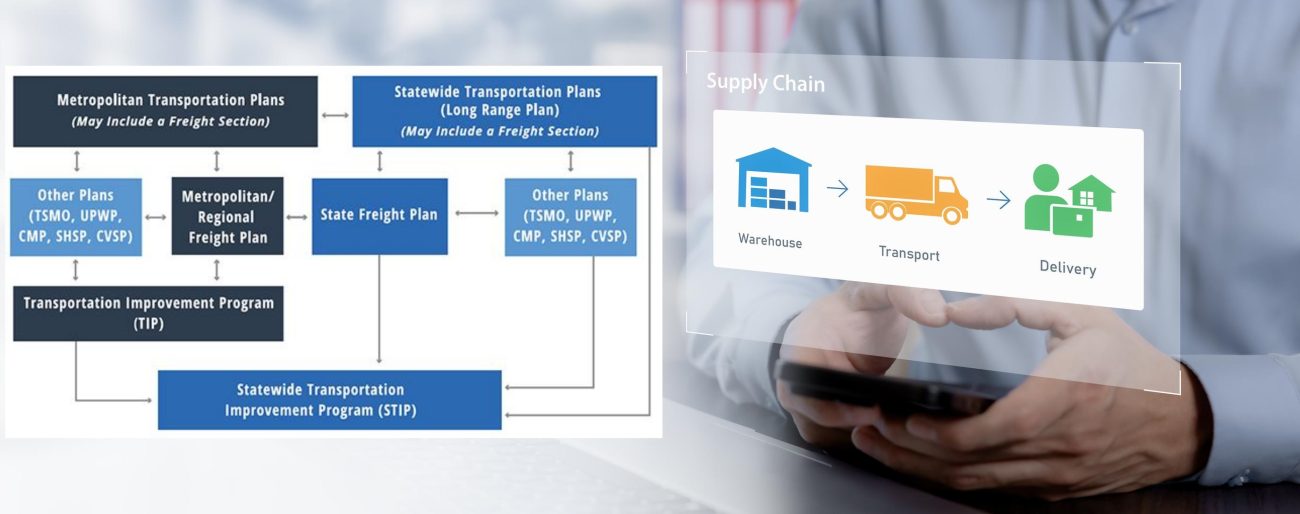
In modern logistics and supply chain operations, Truck Freight Transportation Planning plays a critical role in determining efficiency, cost control, and delivery reliability. Whether for long-haul trucking, regional distribution, or industrial transport, a well-designed freight transportation plan directly impacts business profitability and operational stability.
As global trade and e-commerce continue to expand in 2026, companies are under increasing pressure to optimize logistics performance while reducing operational costs. This makes Truck Freight Transportation Planning not only a logistics function but also a strategic business necessity.
This comprehensive guide explains how freight transportation planning works, its key components, common challenges, and optimization strategies that logistics companies can apply to improve efficiency and reduce downtime.
What Is Truck Freight Transportation Planning?
Truck Freight Transportation Planning refers to the process of designing, organizing, and optimizing the movement of goods using trucks. It includes route selection, load distribution, scheduling, fuel optimization, fleet utilization, and delivery coordination.
The main objective of Truck Freight Transportation Planning is to ensure that goods are delivered:
- On time
- At the lowest possible cost
- With maximum vehicle efficiency
- With minimal risk of delays or breakdowns
In logistics operations, this planning process is essential for maintaining a stable and scalable supply chain.
Key Elements of Truck Freight Transportation Planning
Effective Truck Freight Transportation Planning consists of several interconnected components. Each element contributes to overall efficiency and cost reduction.
1. Route Planning and Optimization
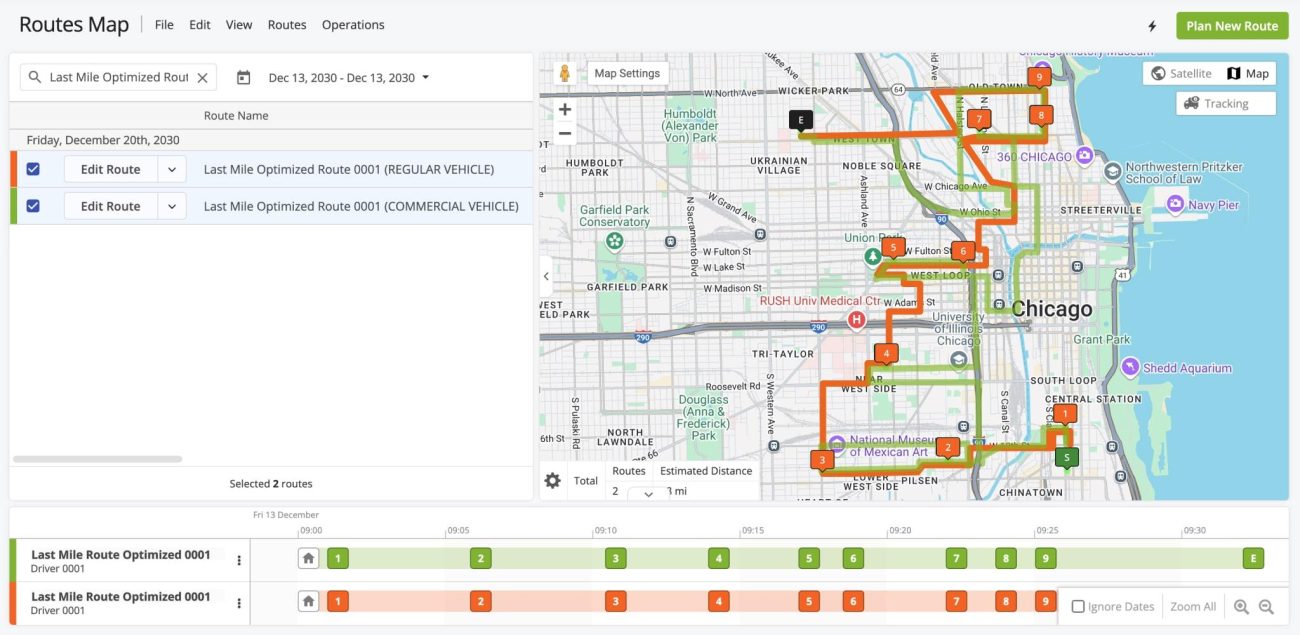
Route planning ensures that trucks follow the most efficient paths based on distance, traffic conditions, fuel consumption, and delivery schedules. Advanced logistics companies use GPS and AI-based tools to continuously improve routing decisions.
2. Load Management
Proper load distribution helps maximize cargo capacity while ensuring vehicle safety. Overloading or unbalanced loading can lead to increased fuel consumption and mechanical stress.
3. Fleet Scheduling
Scheduling ensures that trucks are assigned efficiently based on availability, driver hours, and delivery urgency. Poor scheduling often leads to idle vehicles or missed deadlines.
4. Fuel Efficiency Management
Fuel cost is one of the largest expenses in trucking operations. Optimizing driving behavior, reducing idle time, and selecting efficient routes are key to controlling fuel consumption.
5. Vehicle Condition Monitoring
Truck maintenance is a crucial part of Truck Freight Transportation Planning. Regular inspections reduce the risk of breakdowns and ensure long-term operational stability.
Step-by-Step Truck Freight Transportation Planning Process
A structured approach is essential for effective Truck Freight Transportation Planning. Below is a simplified process used by logistics companies worldwide:
Step 1: Analyze Transportation Demand
Understand cargo volume, destination points, delivery time requirements, and seasonal fluctuations.
Step 2: Select Suitable Vehicles
Different types of trucks are used depending on cargo weight, distance, and road conditions. Heavy-duty trucks are often used for long-distance freight.
Step 3: Design Optimal Routes
Use mapping tools and logistics software to identify the most efficient transportation routes.
Step 4: Assign Loads and Drivers
Ensure balanced load distribution and assign experienced drivers for long-haul routes.
Step 5: Monitor Real-Time Operations
Use telematics systems to track trucks in real time, monitor fuel usage, and detect delays.
Step 6: Evaluate Performance
After delivery, analyze performance data to improve future Truck Freight Transportation Planning efficiency.
Common Challenges in Truck Freight Transportation Planning
Despite technological advancements, many logistics companies still face challenges in Truck Freight Transportation Planning.
1. High Operational Costs
Fuel prices, maintenance, and labor costs continue to rise, putting pressure on logistics budgets.
2. Unexpected Vehicle Breakdowns
Mechanical failures can disrupt schedules and increase delivery delays.
3. Inefficient Route Selection
Poor planning often results in longer routes, higher fuel consumption, and delayed deliveries.
4. Lack of Real-Time Visibility
Without proper tracking systems, companies struggle to monitor fleet performance effectively.
5. Spare Parts Availability Issues
Delayed access to critical truck components can significantly increase downtime.
How to Optimize Truck Freight Transportation Planning
Improving Truck Freight Transportation Planning requires a combination of technology, operational discipline, and supply chain support.
1. Use Fleet Management Systems
Modern fleet management software helps optimize scheduling, routing, and fuel usage.
2. Implement Preventive Maintenance
Regular inspections and servicing reduce unexpected breakdowns and extend vehicle lifespan.
3. Optimize Route Planning with Data
Use historical data and real-time traffic analysis to improve route efficiency.
4. Improve Driver Training
Well-trained drivers contribute to better fuel efficiency, safer driving, and reduced wear and tear.
5. Strengthen Spare Parts Supply Chain
Fast access to reliable truck parts ensures minimal downtime and smoother operations.
The Role of Truck Parts in Freight Transportation Efficiency
An often-overlooked aspect of Truck Freight Transportation Planning is the quality and reliability of truck components.
Heavy-duty trucks operate under extreme conditions, and key components such as engines, brake systems, suspension parts, and transmission systems are constantly under stress.
Low-quality or delayed replacement parts can cause:
- Increased breakdown frequency
- Higher maintenance costs
- Longer vehicle downtime
- Reduced fleet efficiency
This is why many logistics companies rely on stable suppliers of heavy-duty truck parts compatible with SINOTRUK, SITRAK, HOWO, SHACMAN, FAW, FOTON, and other commercial truck brands.
Reliable parts supply ensures that Truck Freight Transportation Planning is not disrupted by unexpected mechanical failures.
Technology Trends in Truck Freight Transportation Planning (2026)
The future of Truck Freight Transportation Planning is heavily driven by digital transformation and automation.
1. Telematics Systems
Real-time vehicle tracking improves visibility and decision-making.
2. AI-Based Route Optimization
Artificial intelligence helps identify the fastest and most cost-effective routes.
3. Predictive Maintenance
Data-driven maintenance predicts failures before they occur, reducing downtime.
4. Smart Logistics Platforms
Integrated platforms combine fleet management, freight planning, and supply chain coordination.
5. Electrification of Trucks
Electric and hybrid trucks are gradually transforming freight transportation systems worldwide.
Conclusion
Truck Freight Transportation Planning is a fundamental process that determines the success of logistics operations. From route optimization and fleet scheduling to maintenance and spare parts management, every detail contributes to overall efficiency.
As logistics continues to evolve in 2026, companies that adopt data-driven planning, advanced fleet systems, and reliable supply chains will achieve a significant competitive advantage.
Ultimately, successful Truck Freight Transportation Planning is not just about moving goods—it is about building a smarter, faster, and more resilient logistics network.


