
The global logistics and heavy-duty transportation industries are undergoing a massive technological revolution. Driven by the need to lower operational costs, mitigate driver shortages, and enhance highway safety, autonomous driving trucks (self-driving trucks) have moved from experimental concepts to real-world commercial applications.
As we move through 2026, the global autonomous trucking landscape is highly competitive, with traditional Western truck manufacturing giants and cutting-edge Chinese commercial vehicle enterprises leading the charge. In this industry report, we analyze the current development status of self-driving heavy-duty trucks and highlight the top global products shaping the future of freight.
1. The Global Autonomous Trucking Landscape: Top Western Brands
In Western markets, the focus has shifted heavily toward Level 4 (L4) autonomous systems—where the truck can operate entirely without human intervention under specific conditions, primarily in hub-to-hub highway freight.
- Daimler Trucks (Torc Robotics): The parent company of Freightliner has officially rolled out its production-ready Freightliner Cascadia equipped with the Torc autonomous driving system. Aimed at the US market, these trucks are currently operating on designated commercial freight lanes, moving goods autonomously between logistics hubs.
- Volvo Trucks (Volvo Autonomous Solutions): Volvo has made significant strides with its VNL Autonomous prime mover, specifically integrated with Aurora Innovation’s self-driving technology. Volvo is successfully running pilot commercial freight routes in North America, focusing on high-density freight corridors.
2. The Rise of Chinese Truck Giants in Smart Autonomous Transportation
China has rapidly become a global powerhouse for autonomous trucking commercialization. Benefiting from massive infrastructure-to-vehicle (V2X) integration and robust government backing, Chinese heavy-duty truck manufacturers are leading the world in smart port automation, mining logistics, and hub-to-hub highway linehaul.
If you are sourcing heavy-duty vehicles or parts from China, these are the flagship autonomous developments from the brands you trust:
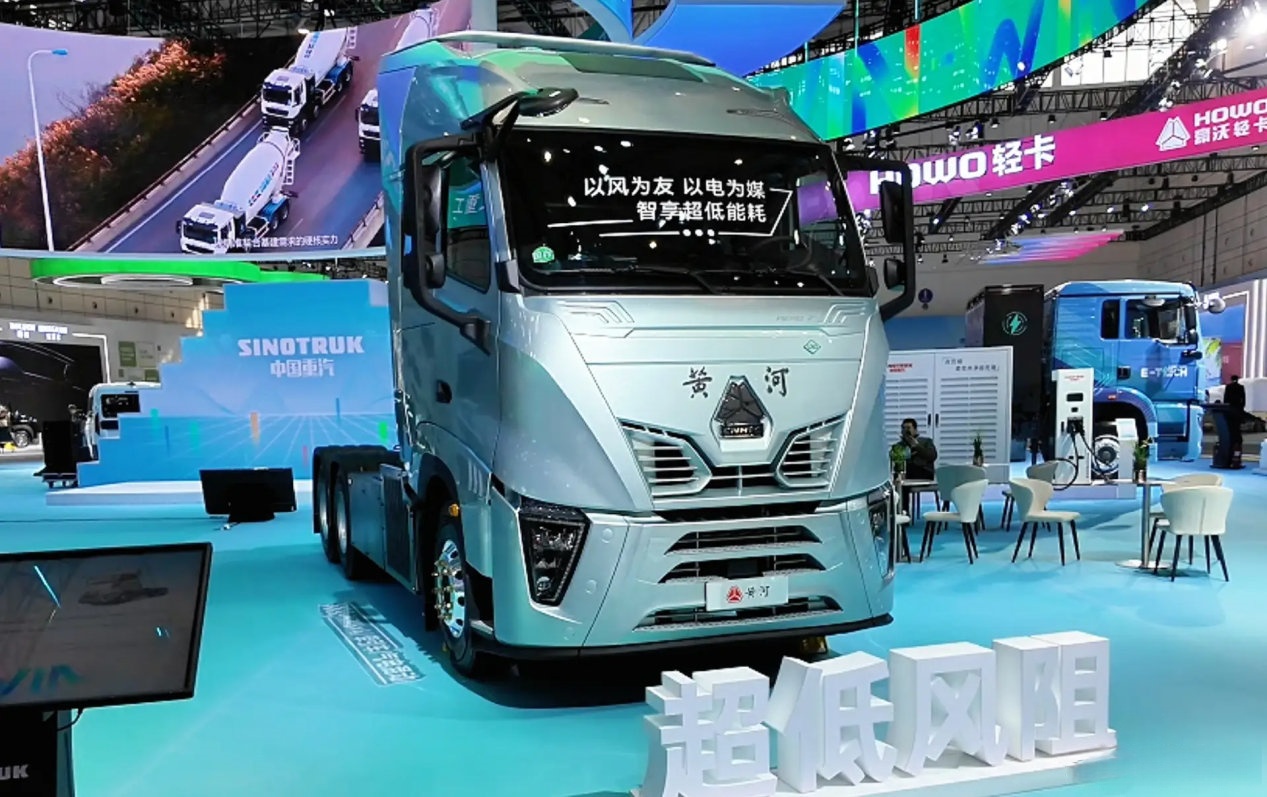
① Sinotruk (China National Heavy Duty Truck Group)
As a leader in the heavy-duty sector, Sinotruk was one of the earliest to commercialize L4 autonomous driving. Their standout product, the HOWO T7H Autonomous Truck, along with the latest smart fleet series, is actively deployed in major smart ports across China (such as Tianjin Port and Ningbo-Zhoushan Port).
These electric and diesel-powered autonomous port tractors operate 24/7 without drivers, seamlessly interacting with automated cranes to move containers. Sinotruk is also rolling out advanced L3/L4 highway linehaul trucks equipped with multi-sensor fusion (LiDAR, Radar, and AI Cameras) to optimize fuel consumption by up to 15% via smart platooning.
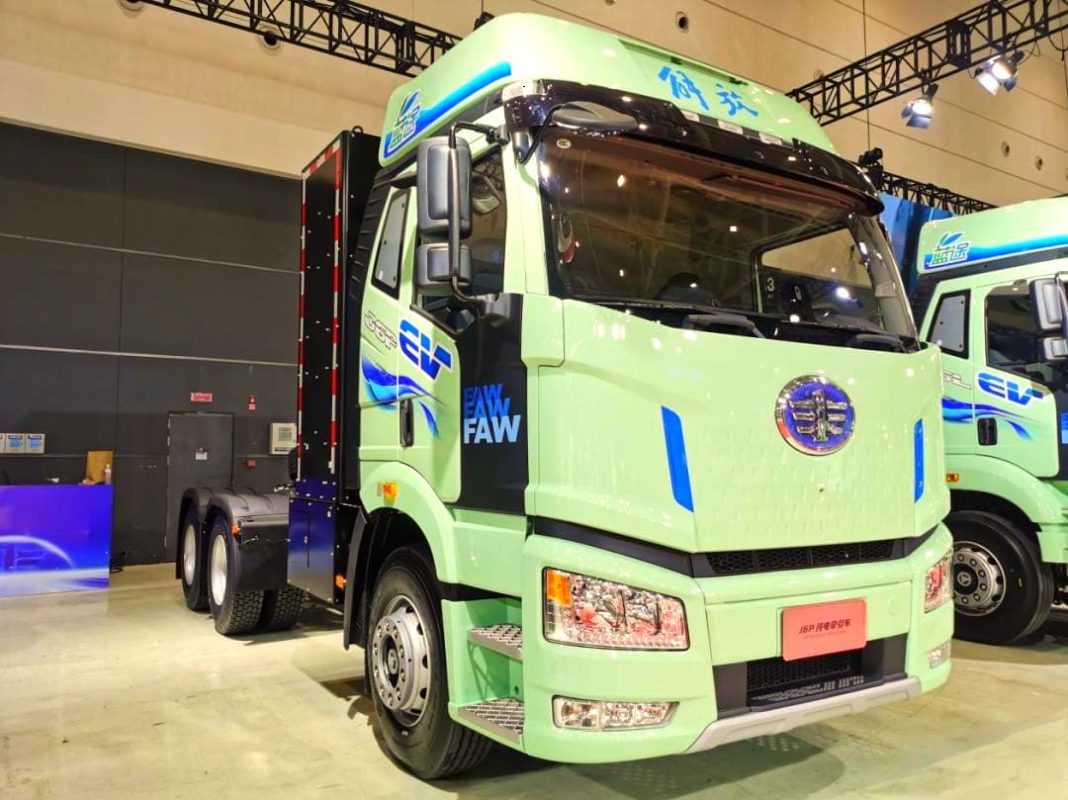
② FAW Jiefang (一汽解放)
FAW Jiefang has firmly established its smart brand, “Columbia” (航途). Their current flagship autonomous product is the Jiefang J7 L4 Autonomous Truck. FAW has successfully achieved driverless operation in closed environments like ports and steel mills. For highway logistics, their L3 smart trucks feature advanced predictive cruise control and automated lane-keeping, significantly reducing driver fatigue on long-haul cross-country routes.
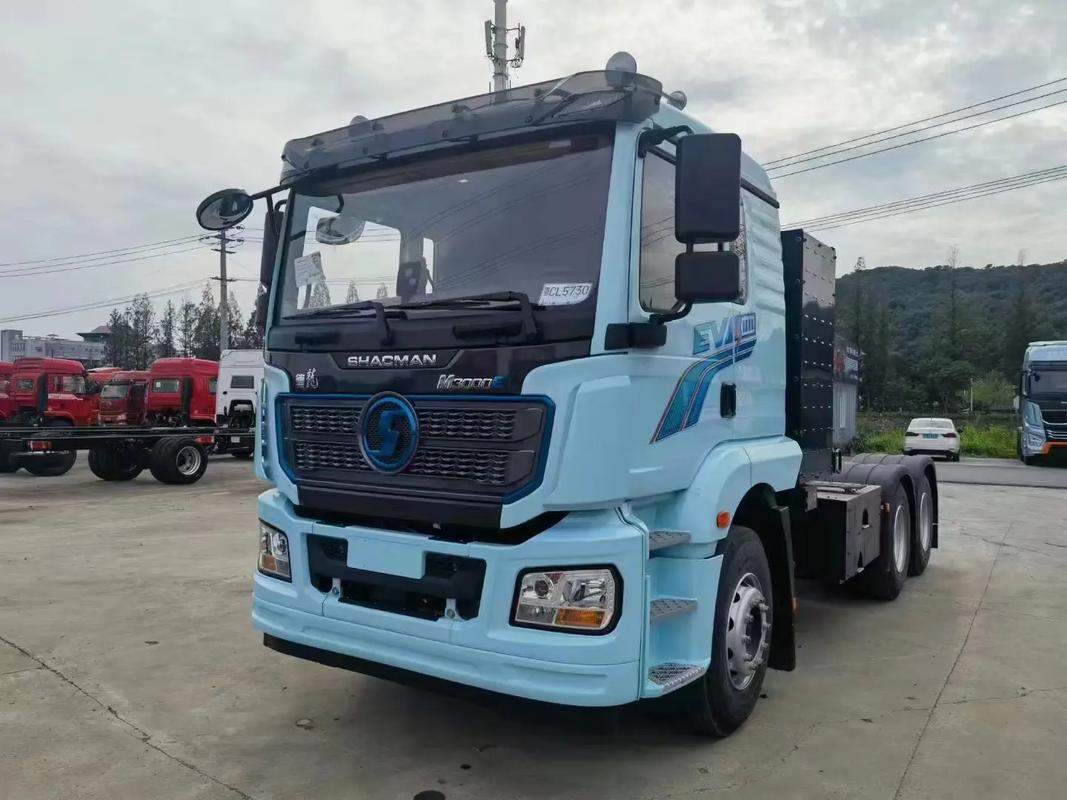
③ Shacman (陕汽重卡)
Shacman has pushed heavily into intelligent connected vehicles (ICVs) through its Delong (德龙) series. Shacman’s smart trucking strategy focuses heavily on harsh environments like mining and large-scale infrastructure projects. Their automated dump trucks and heavy tractors utilize high-precision Beidou navigation and terrain-mapping AI to operate safely in zero-visibility conditions, showcasing incredible heavy-duty durability.
3. Comparing Key Global Autonomous Truck Projects in 2026
To see how the market shapes up, here is a quick breakdown of current commercial products and their primary operational use-cases:
| Brand & Country | Flagship Smart Product | Primary Use-Case / Market | Autonomy Level |
|---|---|---|---|
| Sinotruk (China) | HOWO / SITRAK Smart Series | Smart Ports, Hub-to-Hub Logistics | L4 (Ports) / L3 (Highway) |
| FAW Jiefang (China) | Jiefang J7 Autonomous | Trunkline Highway Freight | L3 / L4 Commercial Pilots |
| Shacman (China) | Delong Intelligent Dump/Tractor | Mining, Closed Logistics Hubs | L4 Tactical Operations |
| Freightliner (USA/Germany) | Cascadia (Torc Driving System) | US Interstate Hub Freight | L4 Autonomous Deployment |
4. The Impact of Smart Automation on the Spare Parts Supply Chain
Autonomous and highly automated trucks place a much higher demand on the reliability of mechanical and electronic components. Because these vehicles operate continuously with minimal downtime, fast-wearing parts must be of premium quality to prevent system calibration failures.
As sensor arrays, advanced braking valves (like WABCO), and precise steering components become standardized on newer truck models, partnering with an experienced exporter becomes vital.
At Mettlead, we have spent 15 years tracking the evolution of Chinese heavy-duty trucks. From traditional mechanical components to advanced engine parts for Sinotruk, Shacman, and Weichai systems, our 12,000-square-meter warehouse ensures global buyers have instant access to genuine, high-quality components required to keep modern fleets rolling efficiently.
Planning to upgrade or maintain your Chinese commercial truck fleet?
Contact the Mettlead Supply Chain Experts Today to get a fast quotation on reliable, high-performance truck components built for the next generation of transportation.


