For fleet managers, truck repair shops, and spare parts wholesalers worldwide, the Sinotruk HOWO series is the backbone of heavy-duty transportation. Whether it’s logistics or mining, these trucks are built to endure harsh conditions. However, the performance and uptime of your truck depend entirely on the quality of its components—especially the engine parts.
With the massive global demand for Sinotruk HOWO engine parts, the market has become flooded with options, ranging from genuine factory parts to high-quality aftermarket alternatives, and unfortunately, cheap counterfeits.
Buying the wrong or fake engine parts leads to catastrophic engine failures, prolonged downtime, and lost revenue. In this expert guide, we will show you exactly how to verify genuine Sinotruk parts and how to choose between OEM and aftermarket options to maximize your ROI.
1. Understanding the Terminology: Genuine, OEM, and Aftermarket
Before placing your order with a Chinese supplier, you must understand what you are actually buying. The market generally classifies HOWO truck parts into three tiers:
- Genuine Sinotruk Parts (Original): These are parts packaged in official Sinotruk boxes, often carrying the anti-counterfeiting QR codes and logos. They are identical to the parts originally installed on the assembly line.
- OEM (Original Equipment Manufacturer) Parts: Sinotruk doesn’t manufacture every component itself. It partners with top-tier component giants like Weichai (for engines), Fast (for gearboxes), and WABCO (for valves). When you buy a Weichai-branded piston kit for your HOWO truck, it is an OEM part. The quality is identical to genuine parts, but it comes in the manufacturer’s packaging instead of Sinotruk’s.
- High-Quality Aftermarket Parts: These are manufactured by independent Chinese factories (such as our premium brand CTCP). They are designed to match or exceed the original specifications but are sold at a much more competitive price point.
Key Takeaway for Wholesalers: Genuine and OEM parts are essential for critical engine components (like crankshafts, cylinder heads, and fuel injectors). High-quality aftermarket parts are excellent for saving costs on fast-wearing maintenance items (like filters, gaskets, and brake pads).
2. Step-by-Step Guide: How to Verify Genuine Sinotruk HOWO Engine Parts
If you want to ensure your shipment from China contains authentic components, use these 4 verification steps:
Step 1: Check the Anti-Counterfeiting Label and QR Code
- The Scratch-off Layer: Look for a unique 16-digit or 20-digit security code hidden under a scratch-off coating.
- QR Code Verification: Scan the QR code using a smartphone. It should direct you to the official Sinotruk trace system, verifying the part’s authenticity, production batch, and factory origin.
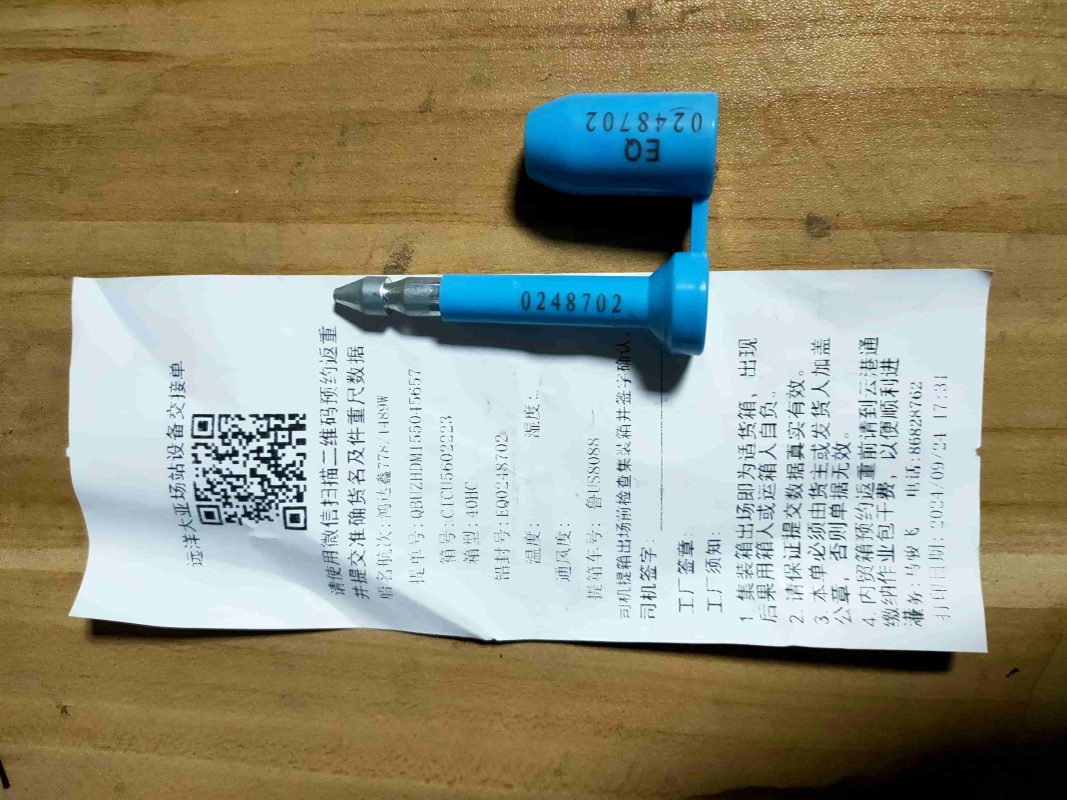
Step 2: Inspect the Laser Etching and Part Numbers
Genuine and OEM parts (especially from Weichai or Sinotruk Engine Division) have precise, clean laser-etched markings on the metal body of the part itself.
- Font and Depth: Fake parts often have uneven, shallow, or blurry stamped numbers.
- Cross-Reference the Catalog: Check the etched part number (e.g.,
VG1500010046for a HOWO cylinder gasket) against the official Sinotruk spare parts catalog. If the number doesn’t match the specific engine model (WD615, D12, etc.), it’s a red flag.
Step 3: Evaluate Packaging and Weight
- Packaging Quality: Genuine parts are housed in robust, heavy-duty cardboard boxes with high-quality printing, proper padding, and moisture-resistant wrapping.
- The Weight Test: Counterfeit manufacturers save money by using inferior, lighter alloy metals. For instance, a fake HOWO turbocharger or oil pump will often weigh significantly less than the genuine cast-iron or high-grade aluminum counterpart.
Step 4: Analyze the Price Logic
If a supplier offers you “Genuine Sinotruk WD615 Engine Parts” at a price that is 40% lower than the market average, they are likely selling low-grade counterfeits. Authentic factory materials and precision machining have fixed baseline costs in China.
3. OEM vs. Aftermarket: Which Should You Choose for Your HOWO Engine?
Choosing the right tier depends on your business model and your customers’ needs:
| Feature | Genuine / OEM Parts | Premium Aftermarket (e.g., CTCP) |
|---|---|---|
| Best Used For | Core engine internals (Crankshaft, Camshaft, Fuel Injectors, ECU) | Maintenance & Fast-wearing parts (Filters, Belts, Hoses, Seals) |
| Price | Premium Pricing | Highly Competitive (30% – 50% savings) |
| Lifespan | Maximum factory-rated longevity | Optimized for cost-effective lifecycle |
| Warranty | Official Factory Warranty | Supplier/Brand Guaranteed Warranty |
For truck repair shops, using OEM/Genuine for engine overhauls guarantees your reputation because it eliminates comeback complaints from truck owners. For parts wholesalers, stocking a mix of both OEM and premium aftermarket parts allows you to capture both premium buyers and budget-conscious fleet owners.
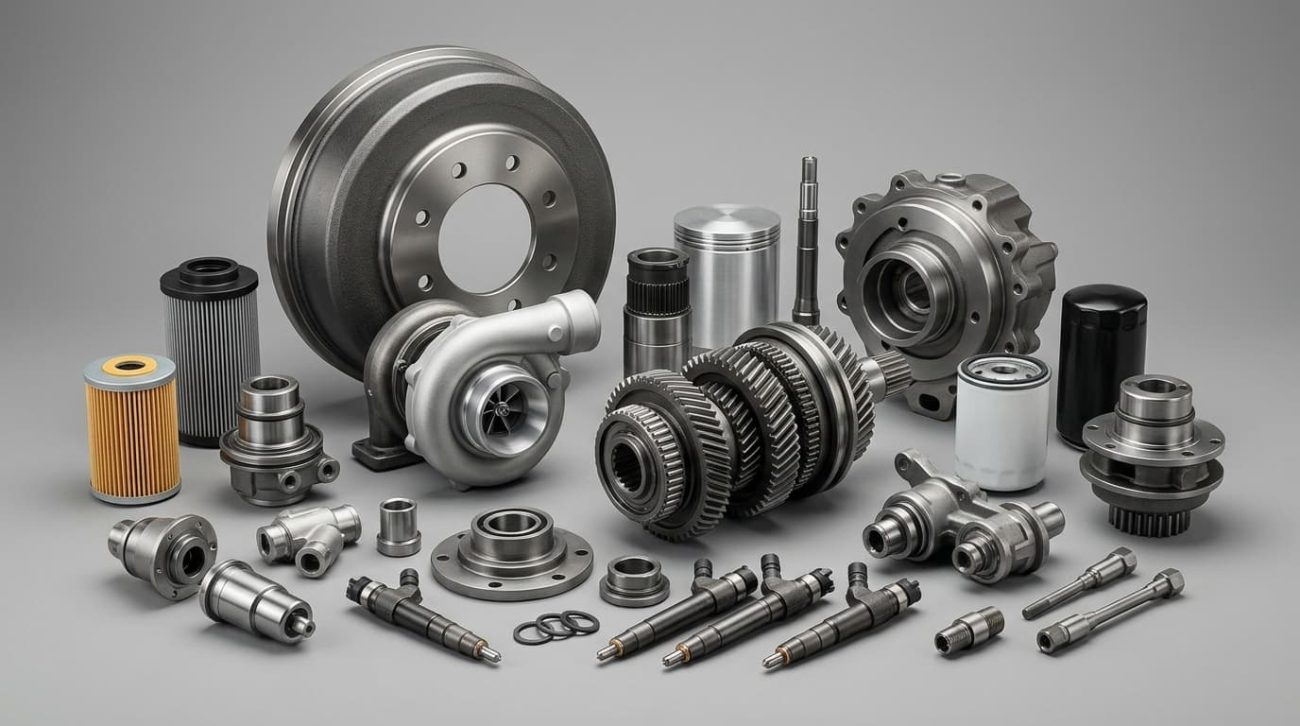
Original factoryquality Sinotruk truck parts
4. Why Partnering with an Experienced B2B Supplier Matters
Ultimately, the best way to avoid fake parts isn’t just inspecting the boxes—it’s sourcing from a trusted, verifiable partner in China.
At Mettlead, we have spent 15 years perfecting the heavy-duty truck supply chain. Operating out of our 12,000-square-meter warehouse, we perform rigorous quality control on every single batch of Sinotruk, Shacman, and Weichai engine parts before they are packed for global export.
Whether you need 100% Genuine factory-certified parts or our reliable, cost-efficient CTCP brand aftermarket solutions, we provide full transparency, official parts catalog cross-referencing, and seamless shipping logistics.
Need a reliable quote for your next bulk order of HOWO engine parts?
Contact the Mettlead Supply Chain Experts Today via WhatsApp or Email to receive an instant RFQ response and a free consultation on market-specific hot-selling parts.
Deep Dive: Advanced Selection and Maintenance Strategies for Sinotruk HOWO Engine Parts
Building upon our previous discussion on verifying the authenticity of Sinotruk HOWO engine parts and distinguishing between Genuine, OEM, and Aftermarket options, this section provides a more granular, expert-level guide. We will explore model-specific procurement advice, technical deep dives into high-risk counterfeit components, milestone-based maintenance schedules, and practical logistics insights for global wholesalers.
1. Model-Specific Procurement Strategies for HOWO Engines
Sinotruk HOWO trucks are equipped with various engine series, primarily from Weichai (WD615, D12) and MAN Technology (MC series). Each requires a tailored approach to spare parts sourcing due to differences in technical complexity and precision requirements.
A. Weichai WD615 Series (The Legacy Workhorse)
- Characteristics: The WD615 is the backbone of the older and mid-generation HOWO fleet. It is renowned for its reliability, simplicity, and low maintenance costs.
- Procurement Advice: While core components like crankshafts and cylinder liners should remain Genuine or Weichai OEM, high-quality aftermarket parts are often acceptable for non-critical wear items such as belts, water pumps, and gaskets to optimize operational costs.
- Counterfeit Risk: Due to its massive global population, WD615 wear parts are prime targets for low-grade counterfeits. Pay extra attention to filters and fuel nozzles.
B. Weichai D12 Series (The High-Performance Evolution)
- Characteristics: An evolution of the WD615, the D12 offers higher displacement and power with improved fuel economy. It features more sophisticated electronic controls.
- Procurement Advice: The D12 demands higher precision. Critical systems—especially Common Rail fuel injectors, high-pressure pumps, and turbochargers—should strictly be Genuine or Weichai OEM. High-quality aftermarket parts should be reserved for auxiliary, non-electronic components.
- Counterfeit Risk: Fake electronic components for the D12 can cause erratic engine behavior, increased fuel consumption, and potential ECU damage.
C. MAN Technology MC Series (MC05, MC07, MC11, MC13)
- Characteristics: Developed in partnership with MAN, the MC series represents the pinnacle of Sinotruk engine technology, offering superior efficiency and longer service intervals.
- Procurement Advice: Absolute adherence to Genuine or MAN-licensed OEM parts is mandatory. The precision-engineered components of the MC series (ECUs, sensors, turbochargers, and core internals) do not tolerate the tolerances of generic aftermarket alternatives. Using non-certified parts can lead to catastrophic failure and immediate warranty voidance.
- Counterfeit Risk: While rarer, fake MC parts are highly sophisticated and dangerous. Always verify through official VIN-matching channels [4].
2. Technical Deep Dive: Identifying High-Risk Counterfeit Parts
Certain components are more frequently counterfeited due to their high turnover and perceived value. Here is how to spot the fakes in critical categories:
A. Filtration Systems (Oil, Fuel, and Air Filters)
- Fake Characteristics: Inferior filter paper with low micron ratings, poor sealing ring elasticity, and blurry casing prints.
- Identification Tips:
- Print Quality: Genuine filters feature crisp, high-definition laser or ink printing. Fakes often have smudged text or incorrect font weights [1].
- Weight & Build: Genuine filters are noticeably heavier due to high-density filter media and robust metal housings.
- Internal Inspection: If possible, check the pleat count. Genuine filters have more uniform, tightly packed pleats for maximum surface area.
B. Turbochargers
- Fake Characteristics: Substandard bearings, unrated impeller alloys, and poor dynamic balancing.
- Identification Tips:
- Laser Etching: Look for deep, precise laser-etched part numbers on the housing. Fakes often use shallow stamping or stickers [1][3].
- Surface Finish: Genuine turbochargers have a smooth, professional casting finish. Fakes may show visible pits, burrs, or uneven paint.
- Rotation Test: The impeller should spin smoothly without any axial play or friction noise.
C. Fuel Injectors (Common Rail)
- Fake Characteristics: Poor atomization, inconsistent flow rates, and rapid internal wear.
- Identification Tips:
- Packaging: Genuine injectors come in sealed, moisture-proof anti-static packaging with unique security codes [1].
- Micro-Markings: Genuine injectors often have microscopic laser-etched serial numbers that match the box.
- VIN Verification: Always cross-reference the injector part number with the vehicle’s VIN to ensure technical compatibility [1].
3. Preventive Maintenance Milestone Schedule
Following a rigorous maintenance schedule with the correct parts is the only way to ensure the 1.5 million km engine life promised by modern Sinotruk technology.
| Milestone (km) | Maintenance Action | Recommended Part Tier | Key Objective |
|---|---|---|---|
| 5,000 – 10,000 | First Service: Oil & Filter change, Fuel Pre-filter change | Genuine / Premium Aftermarket | Remove break-in debris and verify system integrity. |
| Every 20,000 | Routine Service: Oil, Fuel, and Air Filter replacement | Genuine / Premium Aftermarket | Maintain peak combustion efficiency and engine protection. |
| 50,000 | Mid-Term Service: Check/Replace belts, water pumps, alternator, and air dryer cartridges. | Genuine / OEM / Premium Aftermarket | Ensure reliability of auxiliary and cooling systems. |
| 100,000 – 150,000 | Major Service: Inspect Injectors, Turbocharger, and Valve clearance adjustment. | Genuine / OEM Only | Preventive overhaul of high-precision power systems. |
| 250,000+ | Advanced Overhaul: Internal inspection (Pistons, Liners, Bearings) based on oil analysis. | Genuine / OEM Only | Extending the secondary life cycle of the engine block. |
4. Global Logistics and Importing Insights for Wholesalers
For B2B buyers, sourcing genuine parts is only half the battle. Efficient logistics and compliance are critical for maintaining a healthy supply chain.
A. Supplier Vetting and Compliance
- Direct Sourcing: Partner with suppliers who have direct links to Sinotruk’s primary production hubs in Jinan. This minimizes the risk of “middleman” counterfeit injection [1].
- Certification: Request ISO certifications and official Sinotruk export authorization documents to verify the supplier’s legitimacy.
B. Customs and Documentation
- HS Code Accuracy: Ensure your supplier uses the correct Harmonized System (HS) codes for engine parts to avoid unnecessary tariffs or customs delays.
- Verification Documents: Always require a Commercial Invoice, Packing List, and Certificate of Origin (CO) to facilitate smooth clearance [1].
C. Warehousing and Inventory Optimization
- Climate Control: High-precision engine parts like injectors and ECUs should be stored in moisture-controlled environments to prevent corrosion.
- Inventory Mix: Maintain a strategic mix of Genuine parts for core repairs and High-Quality Aftermarket (e.g., CTCP) for routine maintenance to capture a broader market share.
Conclusion
Maximizing the ROI of your Sinotruk HOWO fleet requires a sophisticated understanding of part selection and maintenance. By applying model-specific strategies, identifying high-risk counterfeits through technical inspection, and adhering to a strict maintenance milestone schedule, you can eliminate the hidden costs of downtime and engine failure. Investing in quality is not an expense—it is the foundation of a profitable heavy-duty transportation business.
References
- Mettlead. How to Verify Genuine Sinotruk HOWO Engine Parts (OEM vs Aftermarket).
- Sinotruk Howo. Seven Ways to Help You Identify SINOTRUK HOWO Genuine Parts from the FAKES.
- Archer Parts. How to Identify Genuine HOWO Spare Parts: A Comprehensive Guide.
- Sinotruk Parts. How to Identify Genuine SINOTRUK Spare Parts? Complete Guide for Global Buyers.


