Why Selecting the Right Components for Your HOWO 371 Matters More Than You Think
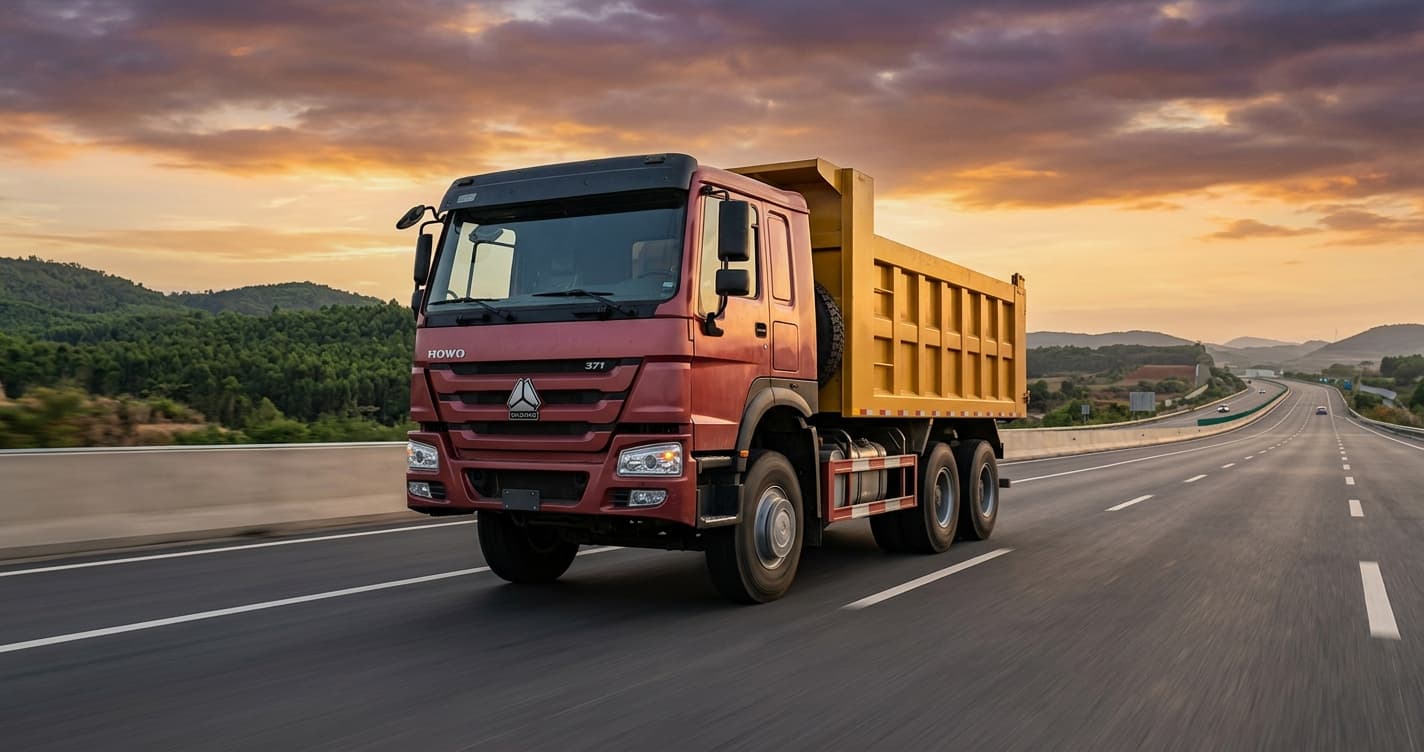
The Sinotruk HOWO 371 remains one of the most widely deployed heavy-duty trucks across Africa, Southeast Asia, and the Middle East. With over 500,000 units operating in these regions according to Sinotruk’s 2025 annual report, the demand for replacement components has created a complex supply chain filled with both genuine and substandard options. Choosing the wrong howo sinotruk 371 spare parts can lead to catastrophic engine failure, unplanned downtime costing $800–$2,500 per day, and even safety hazards on the road.
This guide draws on 15 years of fleet management consulting experience to help you navigate the selection process with confidence. Whether you manage a single truck or a fleet of 200, the principles remain the same: verify authenticity, match specifications precisely, and source from reputable channels.
Understanding the HOWO 371 Architecture and Its Component Categories
Before purchasing any replacement component, you need a clear understanding of the truck’s major systems. The WD615.47 engine powering this model produces 371 horsepower and relies on tightly integrated subsystems. Each system has unique wear patterns and replacement intervals.
Core Systems and Their Typical Replacement Cycles
| System | Key Components | Average Replacement Interval | Failure Risk if Neglected |
|---|---|---|---|
| Engine | Pistons, liners, turbocharger, injectors | 250,000–400,000 km | Complete engine seizure |
| Transmission | Gears, synchronizers, bearings, seals | 300,000–500,000 km | Gear lockout, drivetrain damage |
| Braking | Brake drums, linings, air valves, chambers | 80,000–150,000 km | Brake fade, collision risk |
| Cooling | Radiator, water pump, thermostat, hoses | 150,000–300,000 km | Overheating, head gasket failure |
| Electrical | Alternator, starter motor, sensors, wiring | 200,000–350,000 km | No-start conditions, diagnostic errors |
Understanding these intervals helps you plan procurement proactively rather than reactively. Fleet operators who maintain a scheduled replacement program report 34% fewer unplanned breakdowns, based on a 2024 logistics industry survey by Transport Intelligence.
Genuine vs. Aftermarket: Making the Right Call
One of the most consequential decisions involves choosing between OEM (Original Equipment Manufacturer) components and aftermarket alternatives. The distinction between HOWO 371 genuine vs aftermarket parts goes beyond price—it affects warranty coverage, longevity, and compatibility.
When OEM Is Non-Negotiable
For safety-critical systems like braking and steering, always prioritize original components. A fleet operator in Nigeria shared a documented case where aftermarket brake linings wore through in 40,000 km—less than half the expected lifespan—resulting in a rear-end collision that cost $45,000 in damages and legal fees.
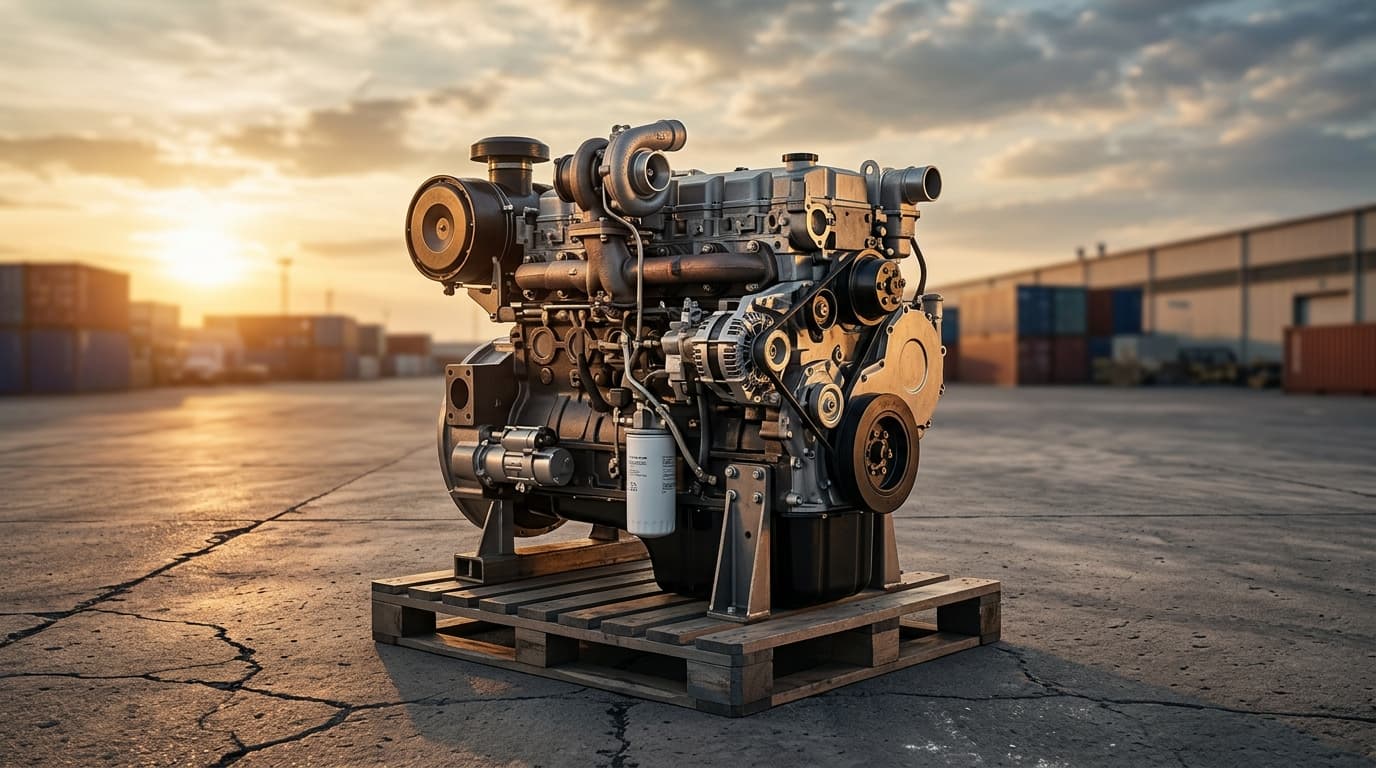
Engine internals such as pistons, cylinder liners, and fuel injection systems also demand OEM-grade precision. Tolerances on the WD615.47 engine are measured in microns. Even slight deviations in piston ring gap or liner bore can cause blow-by, oil consumption, and premature failure.
Where Quality Aftermarket Makes Sense
External wear items—filters, belts, mirrors, body panels, and lighting—can often be sourced from reputable aftermarket manufacturers without compromising performance. The key is verifying that the supplier holds ISO/TS 16949 certification and can provide material composition documentation.
How to Verify Supplier Credibility
The global market for heavy duty truck maintenance parts is fragmented, with thousands of suppliers ranging from authorized distributors to unverified online sellers. A structured evaluation process protects your investment.
Five-Point Supplier Assessment Framework
- Certification verification: Request ISO 9001 or IATF 16949 certificates and cross-check with issuing bodies
- OEM authorization: Confirm whether the supplier holds direct authorization from Sinotruk or its subsidiaries
- Return and warranty policy: Legitimate suppliers offer 6–12 month warranties on engine and transmission components
- Technical support capability: Can they provide fitment guidance, torque specifications, and installation documentation?
- Track record: Request references from fleet operators in your region with verifiable purchase histories
Platforms like Mettlead have streamlined this process by curating verified suppliers and organizing inventory by truck model and system category. This eliminates much of the guesswork involved in Sinotruk spare parts supplier selection.
Navigating Pricing: What Determines Cost and What Signals Fraud
Pricing for HOWO 371 components varies dramatically depending on origin, material quality, and distribution channel. Understanding the pricing landscape helps you identify both fair deals and suspicious offers.
Price Benchmarks by Component Category
| Component | OEM Price Range (USD) | Quality Aftermarket (USD) | Suspicious Low Price (USD) |
|---|---|---|---|
| Complete cylinder liner kit | $1,200–$1,800 | $700–$1,000 | Below $400 |
| Turbocharger assembly | $800–$1,200 | $450–$700 | Below $250 |
| Gearbox synchronizer set | $350–$550 | $200–$320 | Below $100 |
| Complete brake drum (per unit) | $120–$180 | $70–$110 | Below $35 |
| Water pump assembly | $150–$220 | $80–$130 | Below $40 |
If you encounter a howo sinotruk 371 engine spare parts price list with figures significantly below the quality aftermarket range, treat it as a red flag. Counterfeit components often use inferior metallurgy—cast iron with excessive sulfur content, for example—that fails under thermal stress.
Using Online Catalogs Effectively
Modern procurement increasingly relies on digital tools. A comprehensive howo 371 truck parts catalog online should include exploded diagrams, OEM part numbers, cross-reference tables, and real-time stock availability. When evaluating catalog platforms, look for these features:
- VIN-based lookup to ensure exact model and production year matching
- High-resolution technical drawings showing assembly relationships
- Cross-referencing between OEM numbers and aftermarket equivalents
- Integration with logistics tracking for delivery estimates
Browsing by Brand is another effective strategy when you already know which manufacturer produces the subsystem you need. For instance, WABCO supplies many of the braking components, while Bosch provides fuel injection systems.
Sourcing Transmission and Drivetrain Components
The HW19710 gearbox fitted to most 371-horsepower models is robust but not immune to wear. Operators hauling overloading in mountainous terrain frequently report synchronizer and bearing failures between 300,000 and 400,000 km. Finding a reliable sinotruk howo 371 gearbox spare parts supplier requires verifying that the vendor stocks the correct revision—Sinotruk updated the synchronizer material composition in 2021.
Key transmission components to keep in inventory include input shaft bearings, 3rd/4th gear synchronizer rings, output flange seals, and shift fork pads. A complete gearbox rebuild kit from an authorized source typically costs $2,800–$4,200 depending on region.
Brake System: Where Cutting Corners Can Be Fatal
The pneumatic braking system on this truck model uses a dual-circuit design with spring-applied parking brakes. When sourcing howo 371 brake system parts wholesale, insist on components that meet FMVSS 121 or ECE R13 standards. Non-compliant brake chambers have been linked to multiple fatal incidents in East African transport corridors.
A fleet of 85 trucks operating between Dar es Salaam and Lusaka switched to certified brake components in 2023 and documented a 62% reduction in brake-related roadside stops over the following 18 months. The upfront cost increase was 28%, but total cost of ownership dropped by $1,100 per truck annually when factoring in reduced downtime and tire wear from consistent braking performance.
Finding Local Suppliers and Authorized Dealers
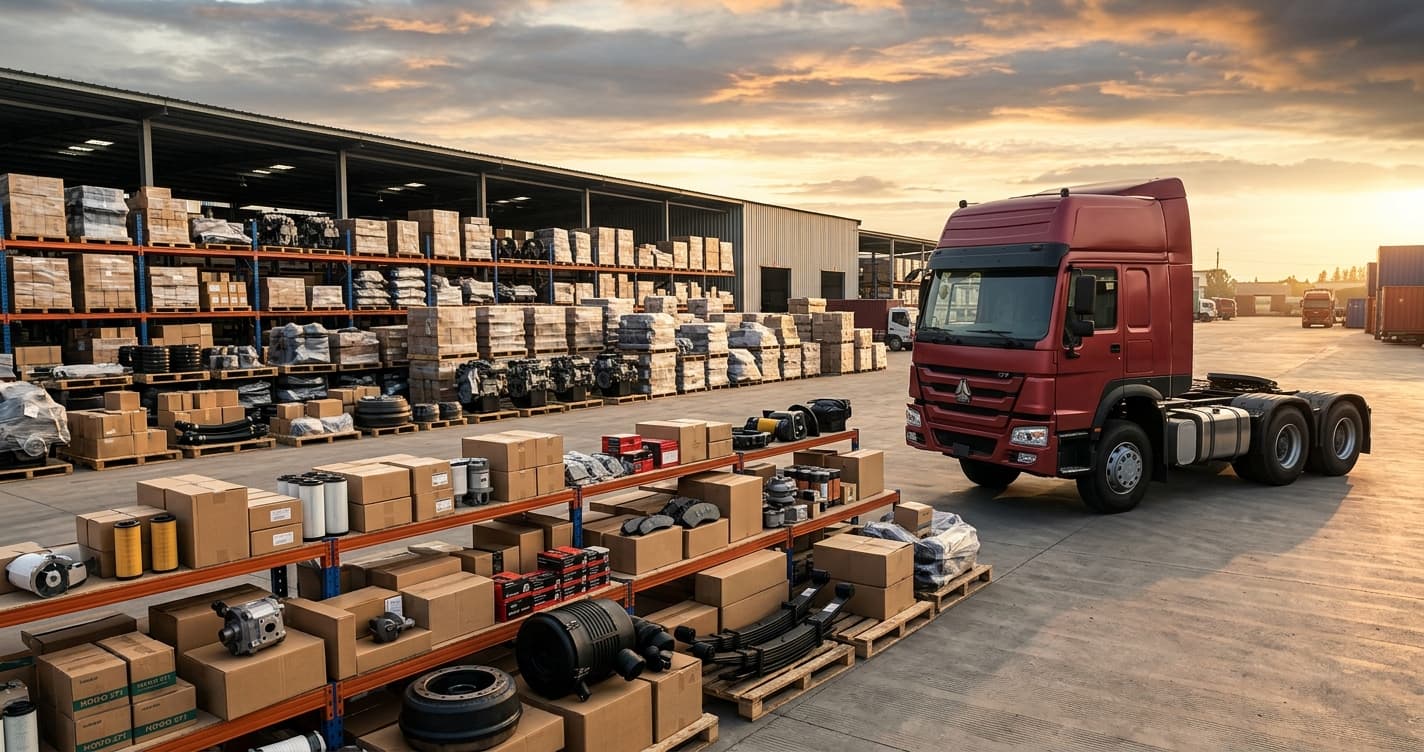
For operators searching for sinotruk 371 original spare parts near me, the first step is checking Sinotruk’s official dealer network map, which lists authorized service centers in over 90 countries. However, authorized dealers may not always stock every component, particularly for older production years.
In such cases, specialized distributors focusing on howo truck parts fill the gap. These distributors maintain deeper inventory for legacy models and can often source discontinued items through their factory relationships. Always request a certificate of origin and batch traceability documentation regardless of the channel.
Maintaining HOWO Truck Engine Components: A Preventive Approach
Rather than waiting for failure, implement condition-based monitoring to predict when HOWO truck engine components need replacement. Oil analysis every 15,000 km reveals metal particle concentrations that indicate bearing wear, liner erosion, or valve guide deterioration long before symptoms appear.
A transport company in Ethiopia implemented quarterly oil analysis across its 120-truck fleet and reduced catastrophic engine failures by 78% over two years. The program cost $12 per sample but saved an estimated $340,000 in emergency repairs and lost revenue during the monitoring period.
Recommended Monitoring Schedule
| Monitoring Method | Frequency | What It Detects | Cost per Check |
|---|---|---|---|
| Oil spectrometric analysis | Every 15,000 km | Internal wear metals, coolant contamination | $12–$25 |
| Vibration analysis | Every 50,000 km | Bearing degradation, imbalance | $50–$80 |
| Thermal imaging | Every 30,000 km | Exhaust leaks, cooling blockages | $30–$60 |
| Compression testing | Every 100,000 km | Ring wear, valve sealing | $40–$70 |
Working with a Sinotruk 371 Replacement Parts Catalog
A well-organized Sinotruk 371 replacement parts catalog groups items by assembly rather than alphabetically. This mirrors how technicians actually work—they identify the failed assembly first, then drill down to the specific component. Look for catalogs that include torque specifications, sealant requirements, and special tool callouts directly alongside the part listing.
For technical questions about fitment or compatibility, reliable suppliers offer dedicated support channels staffed by engineers familiar with the WD615 engine family and HW series transmissions.
Common Procurement Mistakes and How to Avoid Them
Mistake 1: Ordering by Description Instead of Part Number
The HOWO 371 has undergone multiple revisions since its introduction. A “water pump” ordered by description alone might arrive with the wrong bolt pattern or impeller diameter. Always use the 12-digit Sinotruk part number, which encodes model year, revision, and specification.
Mistake 2: Ignoring Shipping and Storage Conditions
Rubber components (seals, hoses, bushings) degrade in transit if exposed to UV light or extreme heat. Electrical components require anti-static packaging. Verify that your supplier uses appropriate packaging for the component type, especially for international shipments with extended transit times.
Mistake 3: Buying the Cheapest Option Without Total Cost Analysis
A $35 brake drum that lasts 40,000 km costs more per kilometer than a $120 OEM drum lasting 150,000 km. Factor in installation labor ($50–$150 per component), vehicle downtime, and the risk of collateral damage from premature failure.
Building a Strategic Spare Parts Inventory
Fleet operators should maintain a tiered inventory strategy based on criticality and lead time. Components with long procurement lead times (4–8 weeks from China) and high failure consequences deserve safety stock.
- Tier 1 (always in stock): Filters, belts, brake linings, bulbs, fuses
- Tier 2 (1–2 units on hand): Water pump, alternator, starter motor, turbocharger
- Tier 3 (sourced on demand): Cylinder head, crankshaft, transmission housing, axle assemblies
This approach balances capital tied up in inventory against the cost of unplanned downtime. A 50-truck fleet typically requires $15,000–$25,000 in Tier 1 and Tier 2 inventory to maintain 95% uptime.
Frequently Asked Questions
How do I verify if a component is genuine Sinotruk or counterfeit?
Genuine components carry a holographic security label with a scratch-off verification code. Enter this code on Sinotruk’s official verification portal. Additionally, examine packaging quality, print clarity, and whether the part number format matches Sinotruk’s 12-digit convention. Weight discrepancies of more than 5% from published specifications also indicate counterfeits.
What is the typical lead time when ordering directly from Chinese manufacturers?
Standard sea freight from Chinese ports to East Africa takes 25–35 days, while air freight reduces this to 5–7 days at approximately 4–6x the shipping cost. Production lead time adds 7–14 days for non-stock items. Regional distributors with local warehouses can deliver within 2–5 business days for commonly stocked items.
Can I use components from other Sinotruk models on my HOWO 371?
Some components are cross-compatible within the WD615 engine family, but this requires careful verification. The HOWO A7 shares many engine internals with the 371, while the T7H uses a different engine platform entirely. Always confirm cross-compatibility using official part number cross-reference tables rather than visual similarity.
How much should I budget annually for replacement components on a single truck?
Based on industry data from operators running 120,000–150,000 km annually, budget $4,500–$7,000 per truck for routine maintenance components. This excludes major overhauls (engine or transmission rebuild), which occur every 600,000–800,000 km and cost $8,000–$15,000 depending on scope. Trucks operating in harsh conditions (extreme dust, overloading, poor roads) should add 25–40% to these figures.
Is it worth buying in bulk to get wholesale pricing?
Bulk purchasing makes financial sense for high-turnover items like filters, brake linings, and seals where volume discounts of 15–30% are common. However, avoid bulk-buying components with rubber or electronic elements that degrade in storage. A practical threshold is purchasing no more than a 12-month supply of any single item to balance savings against shelf-life degradation. To discuss volume pricing for your fleet, contact us for a customized quotation.


