Truck transmission is the core power transmission component of heavy-duty trucks. It stably and efficiently transfers engine power to the wheels. Importantly, it directly affects the vehicle’s power performance, fuel economy, and driving smoothness.
Moreover, it plays a key role in ensuring the truck’s overall safety and operational efficiency. A stable transmission system, in fact, is the foundation of reliable truck operation.
Heavy-duty trucks often work in complex, harsh conditions. These include construction sites, mountainous roads, and long-distance routes. Additionally, they carry heavy loads and face frequent speed changes.
Besides, long-term high-intensity operation, plus dust, vibration, and temperature changes, easily wears out transmission parts. Consequently, understanding truck transmission’s key categories and doing regular maintenance is essential.
This maintenance extends the service life of transmission components. It also reduces failure risks and avoids costly downtime that affects work progress.
Notably, our website divides truck transmission-related parts into three main categories: steering system, gearbox, and clutch. Each category, for instance, plays a vital role in the overall transmission system.
We provide professional, high-quality products for each type. These, in turn, meet the diverse needs of heavy-duty truck operation, whether for daily transportation or special working scenarios.
Key Categories of Truck Transmission (Our Website Classification)
Truck transmission is not a single component. Instead, it combines multiple related systems that work together to transmit power and control the vehicle.
Our website’s product classification includes three core categories. Each has unique, complementary functions and characteristics. Let’s therefore explore them one by one to better understand their roles.
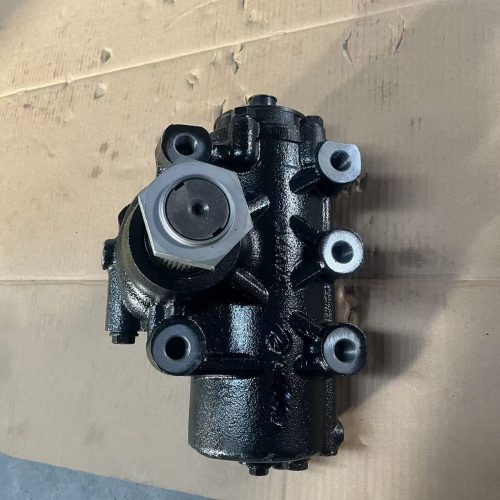
Steering System
The steering system is an important part of truck transmission. It controls the vehicle’s direction and ensures driving stability in various road conditions. It also uses a series of mechanical structures to convert the driver’s steering operation into wheel movement.
This allows flexible turning even under full load. This is crucial for safe driving, especially on narrow roads or complex construction sites that need precise direction control.
Our steering system parts use high-precision manufacturing and high-strength materials. They also offer strong wear resistance, corrosion resistance, and stable performance.
They are designed to adapt to harsh road conditions like mud, sand, and mountains. This ensures long-term reliable use. For more options—including steering gears, shafts, and knuckles—visit our truck steering systemproduct page.
High-Precision Truck Steering System
Gearbox
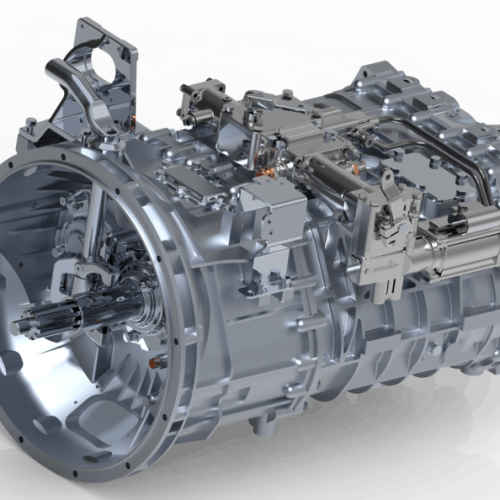
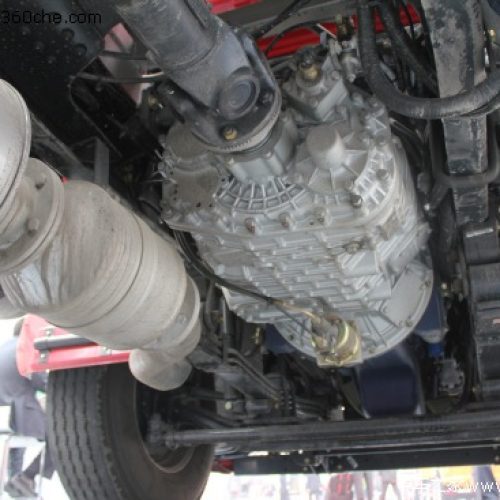
The gearbox is truck transmission’s core power regulation component. It adjusts the transmission ratio between the engine and wheels based on driving needs.It also lets the truck get different speeds and torque to fit various scenarios.
These scenarios include starting, climbing, high-speed driving, and heavy-load transportation. This keeps the engine working in its optimal power range. It also improves fuel efficiency.
Our gearboxes use high-strength alloy materials. They have precision-machined gears and advanced transmission structures. They also shift smoothly, bear heavy loads, and produce low noise—effectively reducing power loss during transmission.
For detailed parameters, models, and application scenarios matching your truck, check our
The clutch connects the engine and gearbox. It separates or engages power transmission between them. It also temporarily cuts power during shifting to ensure smooth gear changes
Additionally, it protects the engine and gearbox from impact during startup and sudden load changes. This is essential for extending the entire transmission system’s service life.
Unlike ordinary market clutches, our products use high-quality friction materials and precision manufacturing. They offer excellent friction performance, high temperature resistance, and long service life.
They also suit heavy trucks’ long-term heavy-duty operation.
You can find suitable replacement parts—including clutch discs, covers, and release bearings—on our truck clutch product page.
High-Friction Truck Clutch
Common Truck Transmission Problems & Solutions
Even high-quality truck transmission parts may develop small issues after long-term heavy use. This is especially true in harsh environments with frequent dust and vibration.
Fortunately, simple checks and timely handling can quickly fix most of these problems. This helps you avoid unnecessary downtime and maintenance costs that hurt work efficiency.
Below are the most common problems and practical solutions for each category. This makes it easy for you to handle issues on your own.
Steering Jamming
Steering jamming usually happens for three reasons: insufficient lubrication of steering parts, worn key components (like steering gears or tie rods), or foreign objects stuck in the steering mechanism.
First, check the steering system’s lubrication. Add appropriate lubricating oil promptly. Also, clean the steering mechanism to remove foreign objects. Replace worn or damaged parts right away.
This avoids endangering driving safety. It also prevents more serious failures that could lead to costly repairs.
Gearbox Shifting Difficulty
Shifting difficulty often comes from worn gearbox gears, insufficient or deteriorated transmission oil, or a damaged shift fork. These issues hurt gear change smoothness. They may also damage the gearbox over time.
First, check the transmission oil level and quality. Replace it with the specified type if it’s insufficient or deteriorated. Consult professional technicians to maintain or replace worn gears or shift forks.
This ensures smooth gear shifting. It also avoids secondary damage to the gearbox, extending its service life.
Clutch Slipping
Clutch slipping mainly results from worn clutch discs, insufficient clutch pressure, or oil-contaminated friction surfaces. This problem causes power loss. It also hurts truck performance.
First, inspect the clutch disc’s wear. Replace it and clean related components if it’s severely worn or contaminated. Also, check the clutch pressure and adjust it to the right range.
This ensures sufficient clamping force and stable power transmission. It keeps the clutch in good working condition.
🟡 How Truck Transmission System Works
The truck transmission system is responsible for managing the transfer of engine power to the wheels by adjusting torque and speed ratios under different driving conditions.When the engine generates power, it is first transmitted to the clutch system, which controls the engagement and disengagement between the engine and the gearbox. Inside the gearbox, different gear sets are selected to adjust torque output depending on load conditions, road gradient, and vehicle speed.
Lower gears are used to increase torque during heavy-load or uphill driving, while higher gears are used to optimize fuel efficiency during highway cruising. This balance ensures that the engine operates within its optimal performance range at all times.
The transmission system does not simply “shift gears,” but actively manages power distribution to maintain efficiency, stability, and drivability.
🔍 Transmission Failure Mechanism
Truck transmission systems typically fail due to gradual mechanical degradation rather than sudden breakdown.One of the most common starting points is lubrication failure. When transmission oil degrades or becomes contaminated, friction between internal components increases, leading to accelerated wear of gears and synchronizers.
Heat buildup is another critical factor. Under heavy load conditions, internal temperature rises, reducing oil viscosity and weakening its protective film. This leads to metal-to-metal contact inside the gearbox.As wear progresses, gear shifting becomes difficult, synchronization weakens, and abnormal noise may appear. In advanced stages, gear slippage or complete transmission failure may occur.
🔧 Diagnostic Logic
Transmission diagnosis is based on both driving behavior and technical inspection.One of the earliest signs of transmission issues is difficulty shifting gears or delayed engagement. This often indicates synchronizer wear or internal friction imbalance.
Technicians also inspect transmission oil condition. Darkened oil, burnt smell, or presence of metal particles are strong indicators of internal wear.In advanced cases, full inspection of gear sets, shafts, and bearings is required to determine whether damage is localized or system-wide.This layered diagnostic approach helps identify whether the issue originates from lubrication failure or mechanical damage.
💰 Fleet Cost Impact Module
Transmission failure can lead to significant operational costs, especially in commercial fleet environments where uptime is critical.When transmission performance declines, fuel efficiency decreases and engine load increases due to improper gear ratios. This leads to higher operating costs over time.
In severe cases, transmission failure can result in complete vehicle immobilization, requiring costly repair or full gearbox replacement.For fleet operators, transmission maintenance is essential not only for mechanical reliability but also for minimizing downtime and protecting logistics efficiency.
Simple Maintenance Tips for Truck Transmission
Maintaining truck transmissions doesn’t require complex tools or professional skills. Simple daily habits and regular checks can significantly extend transmission parts’ service life.
These simple steps also keep the transmission system stable. They reduce failures and save you time and maintenance costs in the long run.
First, inspect the three core categories (steering system, gearbox, clutch) monthly. Focus on wear, looseness, or oil leakage—these are the most common signs of potential issues.
For the steering system, check tie rod and steering gear connections. For the gearbox, inspect the oil seal for leaks. For the clutch, look for abnormal surface wear.
Second, keep all transmission parts clean and dry. Dust and moisture are the main causes of corrosion and wear. This is especially true for precision components like steering gears and gearbox gears.
Regularly wipe transmission parts to remove dust and debris. Avoid long drives in deep water to prevent water from entering the internal structure.
Third, replace lubricating oil and transmission oil regularly per the vehicle maintenance manual. Different components have different oil change cycles. Be sure to follow the specified requirements closely.
Using the correct oil type effectively reduces friction between parts. It extends service life. It also ensures the transmission system works smoothly.
Finally, avoid aggressive driving like sudden acceleration and emergency braking. These actions cause instant impact on the transmission system. They also speed up wear on gears, clutches, and other parts.
Maintain a stable driving speed and gentle operation. This greatly reduces unnecessary damage to transmission components.
Why Choose Our Truck Transmission Parts
Quality and reliability are top priorities for truck transmission parts. We have focused on high-quality truck transmission-related parts for many years. We also cover all three categories (steering system, gearbox, clutch) on our website.
Our parts use high-quality materials and advanced manufacturing processes. They offer durability, stability, and strong compatibility.
They also fit most mainstream heavy-duty truck models on the market.
In addition to high-quality products, we provide thoughtful supporting services. We offer one-stop procurement services. This lets you buy all needed transmission parts in one place, saving time and energy.
Our professional after-sales team is always ready to help. They provide technical support and maintenance advice. They also quickly solve your in-use problems.
You can visit ourwebsite homepage to learn more about our overall service system and product range.
If you have any questions or need personalized assistance, you can contact us via our contact us page, and our team will reply to you in a timely manner.
❓ Frequently Asked Questions (FAQ)
What is a truck transmission system and how does it work?
A truck transmission system is a mechanical power delivery system that transfers engine output to the driving wheels while adjusting torque and speed according to different operating conditions.
When the engine generates power, it is first transmitted through the clutch system, which controls the engagement between engine and gearbox. Inside the transmission, different gear sets are selected to modify torque output depending on road conditions, load weight, and driving speed.
Lower gears increase torque for heavy-load or uphill driving, while higher gears optimize fuel efficiency during highway operation. This continuous adjustment allows the engine to operate within an efficient RPM range while maintaining stable vehicle performance.Without a properly functioning transmission system, the engine would not be able to adapt its power output effectively, leading to inefficient fuel consumption and poor drivability.
What are the main types of truck transmission systems?
Truck transmission systems are generally divided into three main categories: manual transmission, automated manual transmission (AMT), and automatic transmission.
Manual transmission systems require the driver to physically engage gears using a clutch and gear lever, offering more control over torque management. AMT systems automate the clutch and shifting process while maintaining a mechanical gearbox structure, improving efficiency and reducing driver workload.
Automatic transmissions use hydraulic or electronic systems to shift gears without driver input, providing smoother operation but often requiring more complex maintenance.Each type of transmission system has different performance characteristics, but all are designed to optimize power delivery and adapt engine output to varying driving conditions.
What causes truck transmission failure?
Truck transmission failure is typically caused by long-term mechanical wear, lubrication issues, and excessive thermal stress.One of the most common causes is degraded transmission oil. When oil loses its viscosity or becomes contaminated with metal particles, it can no longer provide sufficient lubrication between gears and internal components. This increases friction and accelerates wear.
Overheating is another major factor. Heavy load operation or extended driving under high RPM conditions can cause internal temperature to rise, reducing oil effectiveness and increasing mechanical stress.As these conditions continue, synchronizers, gears, and bearings begin to degrade, eventually leading to shifting difficulty, noise, or complete transmission failure.
What are the early symptoms of transmission problems?
Early transmission problems usually develop gradually and may initially be subtle.One of the first signs is difficulty shifting gears or delayed engagement during acceleration or deceleration. This often indicates synchronizer wear or internal friction imbalance.
Drivers may also notice unusual noises such as grinding, whining, or humming sounds during gear changes or while driving at certain speeds.Vibration during acceleration or inconsistent power delivery can also indicate internal transmission issues.As the problem progresses, gear slippage or loss of smooth shifting may occur, signaling more severe internal wear that requires immediate inspection.
Can a damaged truck transmission be repaired?
Yes, many transmission issues can be repaired depending on the severity and extent of internal damage.If the problem is related to oil degradation, minor wear, or early-stage synchronizer damage, repair can often be completed through maintenance, fluid replacement, or part substitution.
However, if gear teeth, shafts, or internal structural components are severely damaged, a full transmission overhaul or replacement may be necessary.Early detection is critical because repairing minor issues is significantly more cost-effective than replacing an entire transmission system after severe failure.
How often should transmission oil be changed?
Transmission oil change intervals depend on vehicle usage, load conditions, and manufacturer specifications.Under normal driving conditions, oil is changed at regular service intervals to maintain lubrication performance. However, in heavy-duty trucking applications, where vehicles operate under continuous load and high temperature, oil degrades faster and requires more frequent replacement.
Regular inspection of transmission oil condition is also important. Darkened oil, burnt odor, or presence of metallic particles are early warning signs of internal wear or overheating.Maintaining proper lubrication is essential to ensure smooth gear operation and extend transmission lifespan.
What happens if transmission problems are ignored?
If transmission problems are ignored, small mechanical issues will gradually escalate into major system failures.As lubrication becomes insufficient, friction between internal components increases, leading to accelerated wear of gears, bearings, and synchronizers. This also generates additional heat, which further reduces oil performance and accelerates degradation.
Over time, shifting becomes more difficult, gear engagement becomes unstable, and the transmission may begin to slip or fail entirely.For commercial fleets, ignoring transmission issues can result in vehicle downtime, increased repair costs, and disrupted logistics operations.
Why do truck transmissions wear out faster under heavy load?
Truck transmissions wear out faster under heavy load because increased torque places continuous stress on internal gears and synchronizers.Heavy-load operation forces the transmission to operate under higher pressure and temperature conditions for extended periods. This accelerates oil degradation and increases friction between mechanical components.
In addition, frequent gear shifting under load conditions creates additional wear cycles, especially in urban or mountainous driving environments.Over time, this combination of mechanical stress and heat exposure reduces transmission efficiency and shortens its service life.
What are the most expensive consequences of transmission failure?
The most expensive consequences of transmission failure are not limited to repair costs but include indirect operational losses.A failed transmission often requires extensive repair or complete replacement, which can be costly depending on the severity of internal damage.
However, the larger financial impact usually comes from vehicle downtime. When a truck is out of service, it cannot perform logistics operations, resulting in delayed deliveries and reduced productivity.Additionally, transmission failure can cause secondary damage to related systems, increasing overall maintenance costs significantly.
How does transmission condition affect fuel efficiency?
Transmission condition has a direct impact on fuel efficiency because it determines how effectively engine power is transferred to the wheels.When the transmission is in good condition, gear shifts are smooth and power delivery is optimized, allowing the engine to operate within an efficient RPM range.
However, when internal components wear out, friction increases and gear shifting becomes less efficient. This forces the engine to work harder, increasing fuel consumption.Poor transmission performance can therefore lead to higher operational costs over time, especially in long-haul trucking applications.
Can transmission problems affect driving safety?
Yes, transmission problems can affect driving safety because they influence vehicle control, power delivery, and acceleration response.When transmission performance deteriorates, gear shifting becomes unpredictable, which can affect acceleration timing and vehicle stability.
In severe cases, sudden gear slippage or delayed engagement can reduce driver control, especially in critical driving situations such as overtaking or climbing steep gradients.Maintaining transmission health is therefore essential not only for performance but also for safe vehicle operation.