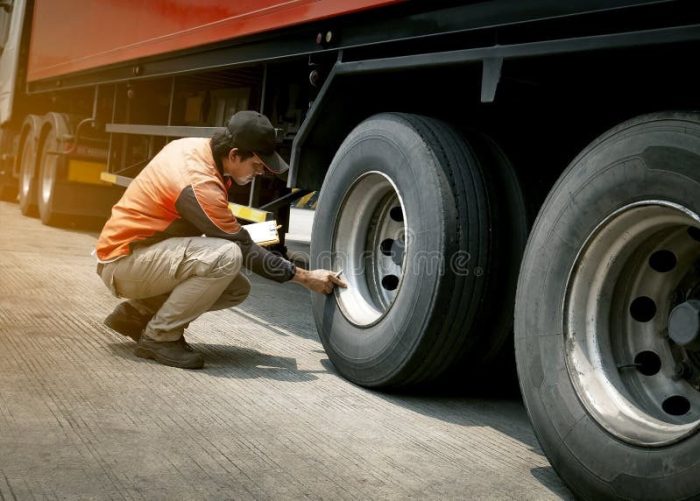
The Importance of Truck Spare Parts: Essential Guide for Truck Owners and Operators
For truck owners, fleet managers, and drivers, truck spare parts are more than just extra components—they are the lifeline of uninterrupted operations. Whether you’re hauling cargo across state lines, managing a fleet of delivery trucks, or operating a single commercial vehicle, having the right truck spare parts on hand can mean the difference between meeting deadlines and facing costly downtime. In this guide, we’ll break down the most critical truck components, the essential spare parts every truck should carry, how to choose high-quality spare parts, and a real-life story of how truck spare parts saved a driver from a costly delay.
🧠 Truck Spare Parts as a Fleet Uptime Control System
⚙️ How Spare Parts Directly Influence Fleet Operational Stability
🔥 Why Spare Parts Management Is a Predictive Operational Strategy, Not Just Storage
📦 The Role of Spare Parts in Preventing Logistics Chain Disruption
💰 Hidden Economic Impact of Poor Spare Parts Planning
Over time, these indirect costs accumulate and often exceed the cost of maintaining a properly structured spare parts inventory system.This makes spare parts management not just a technical requirement, but a core financial optimization strategy in fleet operations.
🔁 Why Spare Parts Strategy Determines Fleet Resilience
The Most Critical Truck Parts for Smooth Operations
Essential Truck Spare Parts Every Owner Should Carry
When it comes to truck spare parts, preparation is key. You don’t need to carry every possible component, but stocking the right ones will help you handle common breakdowns quickly and avoid costly towing or downtime. Below is a list of must-have truck spare parts for every commercial truck:
-
Brake Components: Brake pads, brake rotors, brake fluid, and brake hoses. These are the most common wear-and-tear parts, and a brake failure can be dangerous.
-
Filter Replacements: Oil filters, fuel filters, and air filters. Regular filter changes are essential for engine health, and having spares on hand ensures you can replace them immediately when needed.
-
Tires and Tire Accessories: A full spare tire (matching your truck’s size), tire repair kit, and tire pressure gauge. Blown tires are one of the most common roadside breakdowns.
-
Battery and Electrical Parts: A spare battery (if space allows), jumper cables, and fuses. Electrical issues are often sudden, and these spares can get you back on the road quickly.
-
Engine Essentials: Spark plugs, fan belts, timing belts, and engine oil. These parts can fail unexpectedly, especially on long hauls.
-
Miscellaneous Spares: Wiper blades, light bulbs (headlights, turn signals), and a small tool kit. These small parts are easy to overlook but can cause big problems if they fail.
How to Choose High-Quality Truck Spare Parts
Not all truck spare parts are created equal—choosing low-quality or incompatible parts can lead to more frequent breakdowns, costly repairs, and even safety risks. To ensure you’re investing in reliable truck spare parts, follow these key tips:
Real-Life Story: How Truck Spare Parts Saved a Delivery Driver’s Route
Meet Mike Carter, a 45-year-old long-haul truck driver with 15 years of experience, who relies on his truck to support his family and meet tight delivery deadlines. Last month, Mike was hauling a load of perishable produce from Atlanta, Georgia, to Philadelphia, Pennsylvania—a 700-mile route with a strict 24-hour delivery window. Halfway through his trip, as he was driving on Interstate 85, he heard a loud squealing noise from the front of his truck, followed by a loss of power.
“I knew something was wrong right away,” Mike recalls. “I pulled over to the shoulder as safely as possible, turned off the engine, and popped the hood. When I looked, I saw that the fan belt had snapped—completely torn in two. Without the fan belt, the engine would overheat in minutes, and I’d be stuck on the side of the highway with a load of produce that would spoil if I didn’t get moving soon.”
Luckily, Mike had stocked truck spare parts in his cab, including a replacement fan belt he’d purchased from a reputable supplier a month earlier. “I always carry essential truck spare parts with me—you never know when something will break, especially on long hauls,” he says. “I grabbed my tool kit, climbed under the hood, and replaced the fan belt in less than 30 minutes. It was a tight fit, but I’d done it before, and having the right spare part made all the difference.”
After replacing the fan belt, Mike started the engine—and it ran smoothly. He checked the engine temperature, confirmed everything was working, and got back on the road. He arrived in Philadelphia just 15 minutes late, and the produce was still fresh. “If I didn’t have that spare fan belt, I would have had to call a tow truck, wait for a parts store to open (it was 2 a.m.), and pay for a tow and emergency parts—costing me hundreds of dollars and missing the delivery deadline,” Mike says. “That truck spare part didn’t just save me time and money—it saved my reputation with my client.”
Mike’s story is a perfect example of why truck spare parts are essential for any truck driver or fleet. A small investment in the right spare parts can prevent costly downtime, protect your cargo, and keep your operations running smoothly.

Final Thoughts on Truck Spare Parts
Truck spare parts are not just extra components—they are an investment in reliability, safety, and profitability. By understanding the most critical truck components, stocking essential spare parts, choosing high-quality products, and learning from real-life examples like Mike’s, you can avoid costly breakdowns and keep your truck on the road. Whether you’re a solo driver or manage a fleet, prioritizing truck spare parts will help you meet deadlines, reduce repair costs, and ensure long-term success in the trucking industry. For all your truck spare parts needs—from OEM and high-quality aftermarket components to essential wear-and-tear parts—visit our B2B platform https://mettlead.com/, your trusted partner for reliable, cost-effective truck spare parts sourcing.
❓ Extended FAQ
What is the importance of truck spare parts in fleet operations?
Truck spare parts are essential in fleet operations because they ensure that vehicles can be quickly repaired and returned to service after mechanical failure.
In commercial trucking, downtime directly affects delivery schedules, operational efficiency, and revenue generation. Spare parts allow maintenance teams to minimize downtime by enabling immediate replacement of worn or damaged components.
Without a properly managed spare parts system, even minor failures can result in long operational delays and increased logistics disruption.
How do spare parts improve truck uptime?
Spare parts improve truck uptime by reducing the time required to repair and restore vehicles after breakdowns.When critical components are readily available, maintenance teams can complete repairs without waiting for procurement or shipping delays.
This significantly reduces vehicle downtime and ensures that trucks remain operational for longer periods, improving overall fleet productivity and efficiency.
Why is spare parts management critical for heavy-duty trucks?
Spare parts management is critical for heavy-duty trucks because these vehicles operate under extreme load conditions and long-distance cycles, which naturally accelerate wear and failure rates.
Proper management ensures that high-risk components are always available when needed, reducing dependency on emergency procurement.It also allows fleet operators to plan maintenance proactively instead of reacting to unexpected breakdowns, which improves reliability and cost control.
What happens if spare parts are not available during a breakdown?
If spare parts are not available during a breakdown, the truck may remain out of service for an extended period until the correct component is sourced.This leads to increased downtime, missed delivery deadlines, and higher operational costs.
In logistics-heavy operations, even a single delayed truck can disrupt the entire delivery chain, causing cascading scheduling issues across multiple vehicles.
How do spare parts affect fleet maintenance costs?
Spare parts directly affect fleet maintenance costs by influencing repair speed, downtime duration, and emergency procurement expenses.When parts are not properly managed, fleets often face higher costs due to urgent shipping, delayed repairs, and increased labor inefficiency.
In contrast, well-planned spare parts systems reduce unexpected expenses and improve long-term cost efficiency across the entire fleet.
What are the most commonly used truck spare parts?
The most commonly used truck spare parts include brake components, filters, suspension parts, electrical sensors, belts, batteries, and engine-related consumables.
These components are subject to continuous wear and require periodic replacement to maintain vehicle performance and safety.Their replacement frequency depends on load conditions, driving environment, and maintenance practices.
What is the difference between preventive and reactive spare parts strategy?
Preventive spare parts strategy involves stocking components in advance based on predicted wear patterns and maintenance schedules.Reactive strategy relies on purchasing parts only after a failure occurs.
Preventive strategy significantly reduces downtime and improves operational stability, while reactive strategy often leads to delays and higher emergency costs.
Why is spare parts planning important for long-distance trucking?
Spare parts planning is important for long-distance trucking because vehicles often operate far from service centers or suppliers.
Having essential components available in advance ensures that minor breakdowns can be repaired quickly without waiting for external delivery.This helps reduce roadside downtime and improves operational reliability across long routes.
How does spare parts availability impact logistics performance?
Spare parts availability directly impacts logistics performance by determining how quickly a fleet can recover from unexpected breakdowns.
Fast recovery reduces delays in delivery schedules and prevents disruption across supply chain networks.Without proper spare parts availability, even small mechanical issues can escalate into major logistical delays.
Why is spare parts management considered part of fleet strategy?
Spare parts management is considered part of fleet strategy because it directly influences uptime, operational efficiency, and cost control.
It is not just a maintenance function but a core operational system that ensures business continuity in the face of mechanical uncertainty.Fleets with strong spare parts management are more resilient, efficient, and cost-effective over time.