The truck suspension system is the backbone of safe and efficient operation, responsible for absorbing road vibrations, supporting the vehicle’s weight, and ensuring stable handling—whether you’re hauling heavy loads or navigating rough terrain.
For truck owners and fleet managers, mastering proper suspension maintenance not only avoids costly repairs but also safeguards driver safety and minimizes downtime.
Additionally, a well-maintained suspension reduces wear on other vehicle components, improves fuel efficiency, and extends the truck’s overall lifespan.
Below, we’ve outlined a comprehensive, step-by-step guide to maintaining your truck’s suspension, complete with practical tips and key checks to keep the system running smoothly.
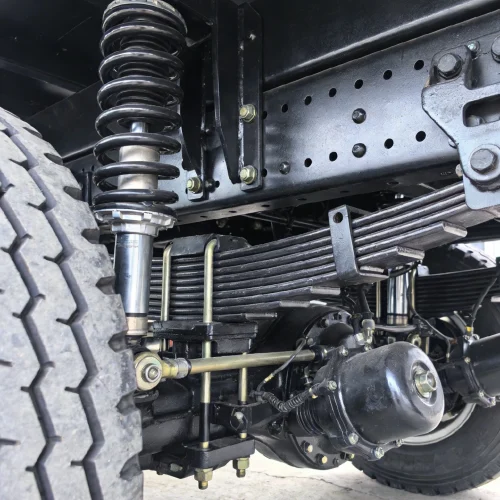
High-Quality Suspension Components for Longevity
🧠 Suspension System Is a Load Distribution Network
Truck suspension systems are not just comfort components. They are mechanical load distribution networks designed to maintain stability between the chassis, axles, and road surface.
Every time the truck moves, the suspension absorbs vertical forces from the road and redistributes them across multiple structural components. This ensures that no single part of the vehicle frame is exposed to excessive stress.
When any suspension component begins to weaken, this balance is disrupted, causing uneven force distribution across the entire system.
⚠️ Why Suspension Problems Develop Gradually
Most suspension issues do not appear suddenly. They develop slowly through repeated stress cycles, load variation, and environmental exposure.
At the early stage, small changes such as slightly worn bushings or minor shock degradation may not affect driving comfort noticeably. However, these small inefficiencies gradually increase vibration and instability.
Over time, the system loses its ability to properly absorb road impact, which accelerates wear on tires, alignment components, and steering linkage.
🔥 How Suspension Failure Spreads Across the Vehicle
Once a suspension component weakens, the failure does not remain isolated.A worn shock absorber, for example, allows excessive vertical movement, which increases stress on tires and wheel alignment. This leads to uneven tire wear and steering instability.
Similarly, damaged bushings can shift suspension geometry, causing uneven load distribution on axles and increasing fuel consumption due to rolling resistance changes.
This cascading effect is why suspension issues often lead to multiple system problems if not repaired early.
🚛 Why Drivers Notice Suspension Problems First
Drivers are often the first to detect suspension issues because changes appear in vehicle behavior before visible mechanical damage occurs.
Common early signs include increased bouncing after bumps, uneven steering response, or slight pulling to one side.
These symptoms indicate that the suspension system is no longer absorbing road forces evenly, even if no component has fully failed yet.
💰 Fleet Impact of Poor Suspension Maintenance
From a fleet operation perspective, suspension maintenance directly affects operating cost efficiency.
Poor suspension condition increases tire wear, reduces fuel efficiency, and leads to higher repair frequency across related systems such as steering and axle components.
Over time, this results in higher total cost of ownership (TCO) and increased vehicle downtime.
Start with Daily Visual Inspections (5-Minute Check)
Daily visual checks are the simplest and most effective way to catch small issues before they escalate into major problems.
This quick routine takes just a few minutes but can save you from expensive future repairs. First, park your truck on a level surface and turn off the engine—safety always comes first.
Next, inspect the suspension components for obvious damage: look for bent leaf springs, leaking shock absorbers (visible oil stains around the shock body), loose mounting bolts, or cracked bushings.
Specifically, pay close attention to rubber bushings, as they wear easily; a cracked or missing bushing will cause excessive vibration and uneven tire wear.
Additionally, check the suspension’s overall alignment by examining the tires. If you notice uneven tread wear (e.g., one side of the tire wears more than the other), this clearly indicates the suspension is out of alignment or a component is failing.
Ultimately, these simple visual checks help you stay ahead of potential issues and keep your truck on the road.
Maintain Proper Lubrication for Moving Parts
The suspension system relies on smooth movement between its components, and proper lubrication is key to reducing friction and preventing premature wear.
Focus on critical moving parts: kingpins, shackle pins, and pivot joints. Since these parts bear the brunt of the truck’s weight and road vibrations, keeping them well-lubricated ensures smooth operation and extends their service life.
Choose the Right Lubricant
Not all lubricants are the same—you should select a high-quality grease specifically formulated for heavy-duty truck suspensions.
Be sure to look for products designed to withstand high pressure, extreme temperatures, and heavy loads.
Avoid generic or low-quality greases, as they break down quickly and fail to provide adequate protection, leading to increased friction and component damage.
Follow a Lubrication Schedule
For regularly used trucks (daily or weekly hauling), you should lubricate the moving suspension parts every 3,000 to 5,000 miles.
When applying grease, do so evenly to kingpins, shackle pins, and pivot joints, and wipe away any excess to prevent dirt and debris from sticking.
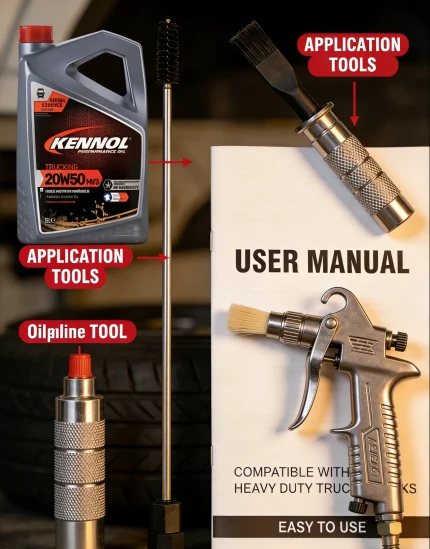
Premium Lubricants and Tools for Suspension Maintenance
Inspect and Replace Shock Absorbers Promptly
Shock absorbers are critical to suspension performance—they control bounce, reduce vibration, and ensure the tires stay in contact with the road.
A faulty shock absorber will lead to poor handling, increased braking distance, and uneven tire wear. To keep your suspension working effectively, you must regularly inspect your shock absorbers for wear signs.
Identify Signs of Wear
Common signs of a failing shock absorber include excessive bouncing (the truck continues to bounce after hitting a bump), oil leaks (visible on the shock body), or a rough, uncomfortable ride.
If you notice any of these issues, you should inspect the shock absorber closely immediately.
Choose Reliable Replacements
When replacing shock absorbers, opt for high-quality, heavy-duty options that match your truck’s make and model.
Our truck shock absorbers collection offers durable, compatible parts designed to handle heavy loads and rough road conditions.
Avoid cheap, low-quality replacements, as they wear out quickly and can cause further damage to the suspension system.
Check and Adjust Wheel Alignment
Wheel alignment is often overlooked, but it plays a crucial role in suspension health.
Misaligned wheels put extra stress on suspension components, leading to premature wear and poor handling. A properly aligned truck ensures even tire wear and stable driving.
Have your wheel alignment checked at least twice a year, or more frequently if you drive on rough terrain or hit large potholes.
A professional alignment ensures that the wheels are properly aligned with the suspension, reducing strain on components and improving overall handling.
This simple step can significantly extend the life of your suspension and tires.
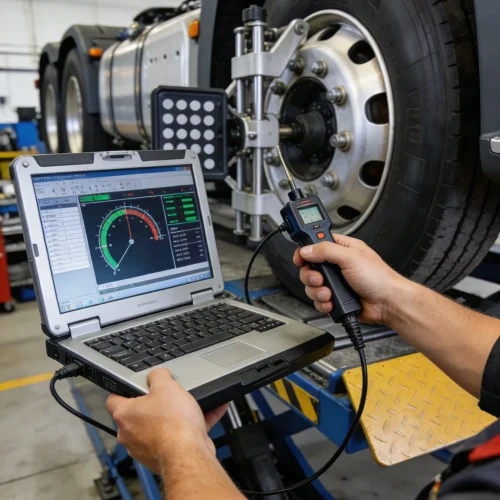
Precision Alignment Tool for Truck Suspension
Address Leaf Spring Wear and Tension
Leaf springs are responsible for supporting the truck’s weight and absorbing road shocks.
Over time, they can become weak, cracked, or lose tension, leading to a sagging suspension and poor handling. Regular inspections are key to catching these issues early.
Check leaf springs for cracks, rust, or fatigue signs. If you notice any damage, replace them immediately with high-quality, heavy-duty leaf springs.
Also, ensure the springs have proper tension to maintain the truck’s ride height and stability.
Finally, tighten all mounting bolts to keep the springs secure and prevent movement during operation.
Avoid Common Maintenance Mistakes
Many suspension issues stem from simple, avoidable mistakes. Below are the most common pitfalls to steer clear of:
Overloading the truck: Exceeding the recommended weight capacity puts extreme stress on the suspension, leading to premature wear of leaf springs, shock absorbers, and bushings.
Ignoring small issues: A minor squeak, vibration, or oil leak can quickly escalate into a major problem. Always address small issues immediately to avoid costly repairs.
Using the wrong parts: Always use parts that match your truck’s make and model. Generic parts may not fit properly or withstand heavy use, leading to further damage
Neglecting fluid checks: If your truck has a hydraulic suspension system, regularly check fluid levels and replace old fluid to prevent system failure.
Final Maintenance Best Practices
Maintaining your truck’s suspension doesn’t have to be complicated—consistency is the key.
First, create a maintenance schedule tailored to your truck’s usage: heavy-duty trucks used for frequent hauling need more frequent checks, while lighter-use trucks can follow a less frequent schedule.
Next, keep a detailed log of all maintenance tasks, including lubrication, part replacements, and alignment checks.
This log helps you track the suspension’s health over time and identify potential issues early.
If you have doubts, consult a professional mechanic for guidance—they can help you diagnose problems and ensure your suspension works at its best.
For all your truck suspension needs—from shock absorbers and leaf springs to lubricants and bushings—ourtruck suspension partscollection offers high-quality, compatible components designed to keep your suspension running smoothly and reliably for years to come.
❓FAQ – Truck Suspension Maintenance
What happens inside a truck suspension system during operation?
During operation, a truck suspension system continuously manages vertical forces generated by road conditions, vehicle weight, and driving dynamics. Every bump, load shift, or turn creates mechanical stress that must be absorbed and redistributed.
Shock absorbers control rebound movement, springs support static and dynamic load, and bushings stabilize connection points between components. This coordinated system ensures that the chassis remains stable while minimizing impact transferred to the cabin and cargo.
When any part of this system weakens, force distribution becomes uneven, and the entire vehicle begins to experience instability even if only one component is affected.
How does suspension wear affect long-term vehicle stability?
Suspension wear affects long-term stability by gradually reducing the system’s ability to control motion and maintain alignment under load.
As shock absorbers lose damping efficiency, the vehicle begins to bounce more after uneven road surfaces. Over time, this increases stress on tires and steering components, leading to misalignment and uneven tire wear.
Worn bushings can also introduce unwanted movement in suspension joints, which disrupts geometry accuracy. This results in inconsistent handling and reduced driving precision, especially during high-speed or heavy-load operation.
Why do suspension problems usually start with small symptoms?
Suspension problems usually start with small, often unnoticed symptoms because wear occurs gradually through repeated stress cycles.
At the early stage, components may still function within acceptable limits, but their efficiency begins to decline. This results in subtle changes such as slightly increased vibration, minor steering delay, or uneven tire contact with the road.
Because these changes develop slowly, drivers often adapt without realizing the system is degrading. By the time symptoms become obvious, multiple suspension components may already be affected.
Can worn suspension components affect braking performance?
Yes, worn suspension components can indirectly affect braking performance by altering weight distribution and tire contact with the road surface.
When suspension systems are not functioning properly, the vehicle may experience uneven load transfer during braking. This reduces tire grip consistency and can increase stopping distance.
In severe cases, unstable suspension behavior can also cause brake force imbalance between axles, especially under heavy load conditions or emergency braking scenarios.
Why does suspension failure often lead to uneven tire wear?
Suspension failure leads to uneven tire wear because it disrupts the alignment and load balance between tires and road surface.
When shock absorbers or bushings wear out, the wheels no longer maintain consistent contact pressure. This causes certain areas of the tire to carry more load than others.
Over time, this results in irregular wear patterns such as cupping, edge wear, or patchy tread degradation. If not corrected, tire lifespan can be significantly reduced, increasing operational costs for fleet vehicles.
What is the relationship between suspension and steering stability?
Suspension and steering systems are closely interconnected. The suspension system provides structural stability for wheel movement, while the steering system controls directional input.
When suspension components degrade, steering response becomes less predictable because wheel alignment and stability are compromised. This may result in delayed steering response, pulling to one side, or reduced control during lane changes.
Proper suspension function is essential for maintaining precise and safe steering performance, especially in heavy-duty trucks operating under load.
Why does suspension feel worse when the truck is fully loaded?
Suspension systems feel worse under full load because increased weight amplifies any existing weakness in system components.
When springs and shock absorbers are already partially worn, additional load pushes them beyond optimal operating range. This reduces their ability to absorb road impact effectively.
As a result, the vehicle may feel more unstable, bounce more after bumps, or experience increased body roll during turns.Heavy-load conditions therefore accelerate both the detection and progression of suspension issues.
Can suspension problems increase fuel consumption?
Yes, suspension problems can indirectly increase fuel consumption by reducing vehicle efficiency and increasing rolling resistance.
When suspension components are worn or misaligned, tires may not maintain optimal contact with the road surface. This increases friction and forces the engine to work harder to maintain speed.
Over time, this inefficiency leads to higher fuel usage, especially in long-distance and heavy-load operations where stability plays a critical role in overall performance.
How do technicians diagnose suspension system problems?
Suspension diagnosis typically involves both visual inspection and dynamic testing. Technicians first check for physical wear in shock absorbers, springs, and bushings.
After that, road testing is often used to evaluate vehicle behavior under real operating conditions. This includes observing rebound response, steering stability, and vibration patterns.
In more advanced diagnostics, alignment measurements and load distribution analysis are used to identify hidden suspension imbalances that may not be visible during static inspection.