The reason for truck clutch slipping is a top concern for fleet managers and truck owners, as it disrupts operations and risks costly damage.
Clutch slipping happens when the clutch fails to engage fully, causing power loss, overheating, and unusual wear.
Often, this issue starts subtly—like a delay in acceleration or a burning smell—before worsening into major mechanical problems.
Fortunately, identifying the root truck clutch-slipping reason and taking swift action can prevent expensive repairs.
Below, we break down common causes, key parts to check, and practical solutions to resolve clutch slipping.
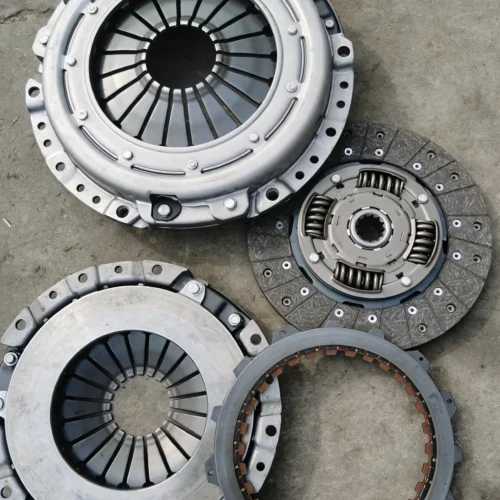
Genuine Truck Clutch Components to Fix Slipping
Common Truck Clutch Slipping Reason
Clutch slipping rarely occurs without a clear cause, and understanding these triggers helps you diagnose the issue quickly. Most cases tie back to worn components or improper maintenance, making early detection straightforward.
Worn Clutch Friction Plate
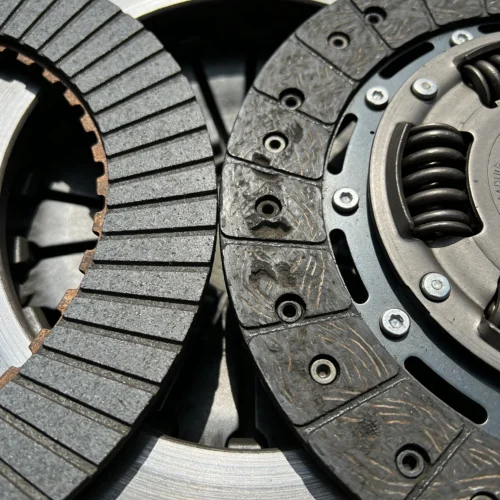
The most frequent reason for truck clutch slipping is a worn friction plate. Over time, constant friction between the plate and flywheel wears down its surface, reducing grip.
This wear causes the clutch to slip during acceleration, especially when hauling heavy loads. You’ll notice a revving engine without corresponding speed gain—an obvious sign the friction plate needs replacement.
Low Clutch Fluid
Another common cause is low or contaminated clutch fluid. Clutch fluid powers the hydraulic system that engages and disengages the clutch.
When levels drop or fluid gets dirty, the system fails to build enough pressure, leading to incomplete engagement and slipping.
Additionally, leaky hoses or a faulty master cylinder can deplete fluid, worsening the problem.
Misadjusted Clutch Pedal
A misadjusted clutch pedal can also cause slipping. If the pedal’s free play is too much or too little, it disrupts the clutch’s engagement point.
This misalignment prevents the clutch from fully locking into place, resulting in slipping during use.
Adjusting the pedal to the manufacturer’s specifications often resolves this issue quickly.
Faulty Pressure Plate
The pressure plate applies force to the friction plate, ensuring it grips the flywheel. A worn or damaged pressure plate loses its tension, failing to hold the friction plate securely.
This leads to slipping, especially under heavy loads. Signs of a faulty pressure plate include a soft clutch pedal and persistent slipping even after fluid checks.
High-Quality Clutch Parts to Resolve Slipping
🧠 Clutch Slipping Is a Progressive Mechanical Failure
Clutch slipping does not happen as an instant failure. It develops gradually as friction material, pressure force, and heat resistance begin to degrade over time.At the early stage, the clutch may still function normally during light driving conditions. However, under higher load—such as uphill driving or heavy cargo—the clutch begins to lose grip on the flywheel.
As the friction surface continues to wear, the clutch requires higher engagement force to transfer engine power. When this threshold is exceeded, the engine RPM increases without a corresponding increase in vehicle speed.This progression explains why many drivers only notice the problem when it becomes significantly worse.
⚠️ Why Clutch Slipping Is Often Misdiagnosed
One of the most common issues in real repair scenarios is misdiagnosing clutch slipping as a transmission or engine problem.Because the symptoms include loss of power, RPM rise, and burning smell, many drivers assume the gearbox is failing.
However, in most cases, the actual problem originates from:
worn friction disc
weak pressure plate
hydraulic pressure loss
oil contamination
This misdiagnosis often leads to unnecessary repairs and repeated breakdowns.
🔥 Why Clutch Slipping Gets Worse Quickly Once It Starts
Once clutch slipping begins, the failure accelerates rapidly due to heat buildup.When the clutch disc loses full contact with the flywheel, friction increases without efficient power transfer. This generates excessive heat, which further reduces friction material effectiveness.
As temperature rises, the clutch surface becomes glazed, reducing grip even further. This creates a feedback loop where slipping causes more slipping until complete failure occurs.
💰 Fleet-Level Impact of Ignoring Clutch Slipping
In commercial trucking operations, clutch slipping is not just a mechanical issue—it directly affects operational efficiency.A slipping clutch increases fuel consumption, reduces load capacity, and may lead to unexpected downtime.
In fleet environments, ignoring early slipping symptoms often results in full clutch replacement instead of minor component repair, significantly increasing maintenance costs.
Key Parts to Inspect for Clutch Slipping
When troubleshooting the truck clutch slipping reason, focusing on specific components streamlines diagnosis. Regular inspection of these parts also prevents slipping from developing in the first place.
Clutch Friction Plate
When troubleshooting the truck clutch slipping reason, focusing on specific components streamlines diagnosis. Regular inspection of these parts also prevents slipping from developing in the first place.
Clutch Master Cylinder
Inspect the master cylinder for leaks or corrosion. A faulty master cylinder fails to maintain fluid pressure, leading to slipping.
Replacing a worn master cylinder with high-quality alternatives ensures smooth clutch operation.
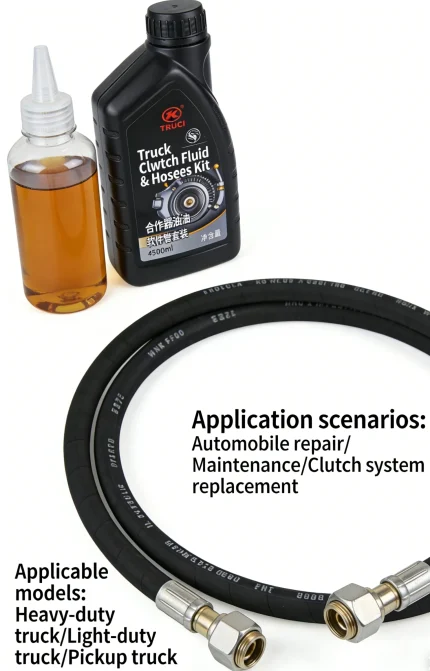
Examine the clutch fluid for discoloration or contamination, and check hoses for leaks. Contaminated fluid or leaky hoses disrupt pressure, causing slipping.
Regularly flushing and refilling fluid, along with replacing worn hoses, is a simple fix for this truck clutch slipping reason.
Premium Clutch Fluid and Hoses for Maintenance
Practical Fixes for Clutch Slipping
Resolving clutch slipping depends on the root cause, but these targeted fixes can get your truck back on the road quickly and prevent recurrence.
Replace Worn Friction Plate or Pressure Plate
If the truck clutch slipping reason is a worn friction plate or pressure plate, replace these components immediately.
Always use genuine parts to ensure compatibility and durability. For step-by-step guidance, refer to our truck clutch repair guide.
Refill and Flush Clutch Fluid
If low or contaminated fluid is the issue, drain the old fluid, flush the system, and refill with the manufacturer-recommended clutch fluid.
Avoid mixing fluid types, as this can damage the hydraulic system. Regular fluid checks help prevent this common cause of slipping.
Adjust Clutch Pedal Alignment
Misadjusted pedals are easy to fix: adjust the pedals’ free play to match the manufacturer’s guidelines.
This ensures the clutch engages fully, eliminating slipping. If the pedal feels soft or unresponsive, check for fluid leaks before adjusting.
Preventive Maintenance to Avoid Clutch Slipping
Preventing clutch slipping is more cost-effective than fixing it. Follow these tips to keep your truck’s clutch in top condition.
First, avoid riding the clutch (keeping your foot on the pedal while driving), as this wears the friction plate prematurely.
Second, check clutch fluid levels monthly and flush the system annually.
Third, inspect the clutch assembly during routine maintenance to catch wear early.
Finally, use your clutch gently—avoid abrupt shifts or overloading the truck.
❓ FAQ – Truck Clutch Slipping
What is the earliest warning sign of clutch slipping in a truck?
The earliest sign of clutch slipping is often subtle and appears only under specific driving conditions. Drivers may notice that engine RPM increases slightly faster than vehicle acceleration, especially when the truck is under load such as climbing hills or carrying heavy cargo.
At this early stage, the clutch may still perform normally during light driving, which makes the issue easy to ignore. However, this mismatch between engine speed and vehicle response is the first indication that friction material is beginning to lose effective grip on the flywheel.
Early detection at this stage is critical because damage is still reversible through timely maintenance or replacement before heat damage accelerates wear.
Why does clutch slipping only happen under heavy load?
Clutch slipping typically becomes noticeable under heavy load because the torque demand exceeds the remaining friction capacity of the clutch system.
When the vehicle is lightly loaded or cruising, the clutch can still maintain sufficient contact between the pressure plate and flywheel. However, during acceleration, uphill driving, or heavy cargo operation, the system requires significantly more torque transfer.
If the clutch friction material is already worn or weakened, it cannot maintain full engagement under these conditions, leading to slippage. This is why the problem often appears “only sometimes” in early stages.
Can clutch slipping worsen suddenly without warning?
Yes, clutch slipping can appear to worsen suddenly even though the actual degradation is gradual. This happens because clutch systems often compensate for wear until a critical threshold is reached.
Once friction material becomes too thin or overheated, the clutch loses its ability to maintain stable engagement. At this point, performance drops quickly, and slipping becomes much more noticeable within a short period of time.
This sudden transition is often misinterpreted as a rapid failure, but it is actually the final stage of a long degradation process.
Why does clutch slipping produce a burning smell?
A burning smell occurs when excessive heat is generated due to incomplete power transfer between the clutch disc and flywheel.
When slipping occurs, the clutch surface is partially engaged but not fully locked. This creates continuous friction without efficient energy transfer, causing rapid temperature increase.
The friction material begins to overheat and degrade, producing a distinct burning odor. If the condition continues, the surface can become glazed, reducing friction further and accelerating the failure process.
Can driving habits affect clutch slipping severity?
Yes, driving habits have a significant impact on clutch wear and slipping severity. Frequent heavy loading, aggressive acceleration, and improper clutch usage such as riding the clutch pedal can accelerate friction material degradation.
In contrast, smooth gear shifting, proper load management, and avoiding unnecessary clutch engagement can extend clutch lifespan significantly.
However, even with good driving habits, clutch components will still naturally wear over time due to constant mechanical friction.
Why does clutch slipping feel worse in higher gears?
Clutch slipping becomes more noticeable in higher gears because the engine delivers more direct torque without significant gear multiplication.
In lower gears, torque is amplified through the transmission system, which can partially mask early slipping symptoms. In higher gears, however, the clutch must transmit engine power more directly, making any loss of friction more obvious.
This is why drivers often first notice slipping during highway acceleration or when the vehicle is under heavy load in higher gears.
Can low hydraulic pressure cause clutch slipping?
Yes, in hydraulic clutch systems, insufficient or unstable hydraulic pressure can prevent full clutch engagement.When pressure is not strong enough, the pressure plate cannot fully clamp the clutch disc against the flywheel. This creates partial engagement, which leads to slipping symptoms even if the friction material is still in usable condition.Common causes include fluid leakage, air in the hydraulic line, or master/slave cylinder wear.
Is it possible for clutch slipping to affect fuel consumption?
Yes, clutch slipping directly increases fuel consumption because engine power is not being efficiently transferred to the drivetrain.
When slippage occurs, the engine must produce more power to achieve the same vehicle speed. This results in higher RPM levels without corresponding movement efficiency.
Over time, this inefficiency leads to increased fuel usage, especially in heavy-load or long-distance trucking operations.
Why do mechanics sometimes misdiagnose clutch slipping?
Clutch slipping is often misdiagnosed because its symptoms overlap with other drivetrain issues such as engine power loss or transmission inefficiency.
For example, reduced acceleration may be incorrectly attributed to turbo failure or fuel system issues. Similarly, abnormal RPM behavior may be mistaken for engine misfire or transmission gear problems.
Without proper load testing and clutch engagement analysis, it is easy to replace incorrect components while the actual issue remains unresolved.