Symptoms of a Failing Brake Cylinder: How to Diagnose and Fix Leaks
In the intricate ecosystem of a heavy-duty truck's braking system, every component plays a vital role in ensuring safety and operational efficiency. Among these, the brake cylinder—whether it's a wheel cylinder in a hydraulic drum brake system or a brake chamber in an air brake system—is a cornerstone. Its primary function is to translate hydraulic or pneumatic pressure into mechanical force, actuating the brake shoes or pads. When this critical component begins to falter, the implications for vehicle safety and fleet uptime are significant. For fleet managers, maintenance professionals, and owner-operators, understanding the early warning signs of a failing brake cylinder and the precise steps for diagnosis and repair is not just good practice; it's an imperative.
As a dedicated supplier of high-quality truck components, we understand that reliable braking is non-negotiable. This comprehensive guide is designed to demystify the complexities of brake cylinder failures, focusing specifically on leaks—a common yet often insidious problem. We will delve into the various types of brake cylinders, their operational principles, and the unmistakable symptoms that signal a need for immediate attention. Our aim is to empower you with the knowledge to accurately diagnose issues and implement effective solutions, thereby safeguarding your assets and ensuring regulatory compliance. For a broader perspective on essential braking system components, we invite you to explore our System Products Page.
Understanding Brake Cylinders: Types and Function
Before diving into failure symptoms, it's crucial to distinguish between the primary types of brake cylinders found in heavy-duty trucks and their fundamental roles within their respective braking systems. While both serve to actuate braking force, their design and operational mechanisms differ significantly. Understanding these nuances is the first step in effective maintenance and component selection.
Wheel Cylinders in Hydraulic Drum Brakes
Wheel cylinders are integral to hydraulic drum brake systems, typically found on the rear axles of some heavy-duty trucks or older models. Positioned at the top of the brake drum assembly, between the brake shoes, a wheel cylinder contains one or two pistons. When hydraulic pressure from the master cylinder reaches the wheel cylinder, it forces these pistons outwards. This outward movement pushes the brake shoes against the inner surface of the brake drum, generating friction and slowing the wheel. The integrity of the rubber cups and seals within the wheel cylinder is paramount, as they contain the hydraulic fluid and facilitate piston movement. Any compromise to these seals can lead to fluid leaks, directly impacting braking performance. The precision of these components is critical for balanced braking, ensuring that both shoes engage evenly against the drum, which prevents uneven wear and maintains consistent stopping power.
Brake Chambers in Air Brake Systems
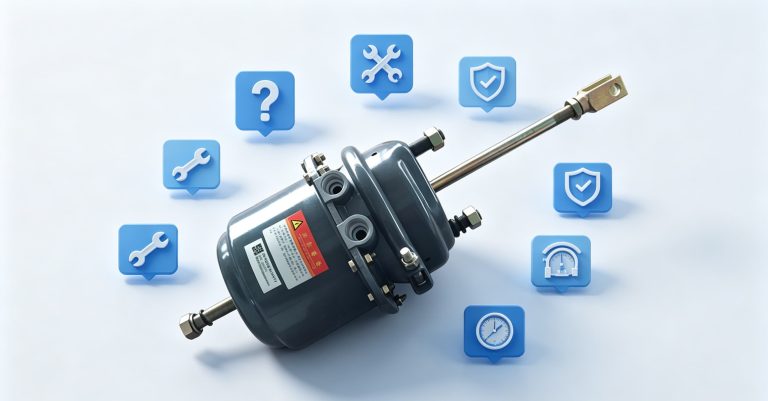
Modern heavy-duty trucks predominantly utilize air brake systems, where the equivalent of a brake cylinder is the brake chamber (also known as an air brake actuator). These robust units convert compressed air pressure into mechanical force. A typical brake chamber consists of a sealed housing divided by a flexible diaphragm. When compressed air enters the chamber, it pushes against this diaphragm, which in turn moves a pushrod. This pushrod then actuates the slack adjuster, which rotates the S-cam, forcing the brake shoes against the brake drum. In disc brake systems, the pushrod directly actuates the caliper. Brake chambers are designed to withstand significant pneumatic pressure and are crucial for the reliable operation of air brakes. Leaks in the diaphragm or housing can lead to a loss of air pressure, severely compromising braking capability and safety. For a comprehensive look at the brands we supply, visit our Product Brands Page.
Unmistakable Symptoms of a Failing Brake Cylinder
Identifying a failing brake cylinder early can prevent catastrophic system failures and ensure the safety of the vehicle and its cargo. Both wheel cylinders and brake chambers exhibit distinct warning signs when they begin to malfunction, particularly when leaks are present. Proactive recognition of these symptoms is a hallmark of effective fleet maintenance and risk management.
Symptoms of a Leaking Wheel Cylinder
One of the most common and dangerous symptoms of a failing wheel cylinder is a soft or spongy brake pedal. This occurs because hydraulic fluid is escaping the system, leading to a loss of pressure. The pedal may also feel like it's sinking slowly to the floor when held down. Visually, a tell-tale sign is brake fluid leaking onto the inside of the tire or wheel rim. This fluid, often clear or amber, can be seen dripping or staining the wheel. As the fluid leaks, it can also contaminate the brake shoes, rendering them ineffective and causing a pulling sensation to one side during braking, as the contaminated brake on one wheel loses friction. Furthermore, a noticeable drop in the brake fluid reservoir level over time, without any other apparent leaks in the master cylinder or lines, strongly points to a wheel cylinder issue. A burning smell, especially after braking, can also indicate fluid leaking onto hot brake components, which can be a precursor to a fire.
Symptoms of a Leaking Brake Chamber
For air brake systems, the primary symptom of a failing brake chamber is a loss of air pressure within the system. This will typically be indicated by the air pressure gauge on the dashboard, which will show a gradual or rapid drop. A distinct hissing sound from the vicinity of the wheel is a direct indicator of an air leak from the brake chamber's diaphragm or housing. This hiss may become more pronounced when the brakes are applied. A reduced braking effectiveness or a feeling that the brakes are not engaging fully is another critical symptom, as insufficient air pressure means the pushrod cannot exert adequate force. In spring brake chambers, a leak in the service side can prevent the spring brake from releasing fully, leading to dragging brakes or the vehicle being unable to move. Conversely, a leak in the spring brake side can prevent it from engaging, compromising parking brake functionality. For more detailed troubleshooting, our Technical Support Page offers extensive resources.
Diagnosing and Fixing Leaks: A Professional Approach
Accurate diagnosis is the first step towards effective repair. Given the critical nature of braking systems, a methodical and thorough approach is essential when dealing with suspected brake cylinder leaks. Rushing the process or misdiagnosing the problem can lead to severe safety compromises and unnecessary expenses.
Diagnosing Wheel Cylinder Leaks
To confirm a wheel cylinder leak, first, visually inspect the back of the brake drum assembly. Remove the wheel and drum if necessary. Look for signs of wetness or fluid streaks on the backing plate, brake shoes, or the inside of the tire. The presence of brake fluid on these components is a definitive indicator. Next, check the brake fluid reservoir level. A consistently low level, requiring frequent top-ups, supports the diagnosis. For a more conclusive test, apply firm pressure to the brake pedal for several minutes while the vehicle is stationary and safely supported. If the pedal slowly sinks, and you can observe fluid weeping from the wheel cylinder, the seals are compromised. It's also wise to check for any contamination of the brake shoes; if they are saturated with fluid, they must be replaced along with the wheel cylinder to restore proper friction levels.
Diagnosing Brake Chamber Leaks
Diagnosing a brake chamber leak involves checking for air pressure loss. With the engine off and the air tanks fully charged, apply the service brakes and listen for any hissing sounds around each brake chamber. A soapy water solution can be sprayed onto the chamber's housing, diaphragm crimp, and pushrod boot; bubbles will indicate an air leak. Pay close attention to the pushrod boot, as tears here are common entry points for contaminants and can lead to internal diaphragm damage. For spring brake chambers, also check the emergency side for leaks. A systematic approach, checking each chamber individually, is crucial for accurate diagnosis. If a leak is detected, the chamber typically requires replacement, as internal diaphragm repairs are generally not recommended due to safety implications and the risk of improper reassembly. Our Cooperative Case Studies highlight successful diagnostic and repair strategies.
The Repair Process: Precision and Quality Components
Once a leak is diagnosed, the repair process must be executed with utmost precision, utilizing only high-quality replacement components. The integrity of the braking system depends on the quality of every part and the skill of the technician.
Replacing Wheel Cylinders
Replacing a wheel cylinder involves several critical steps. First, safely lift and support the vehicle, then remove the wheel and brake drum. Disconnect the brake line from the old wheel cylinder, being careful to contain any leaking fluid. Remove the mounting bolts and the old cylinder. Before installing the new wheel cylinder, ensure the backing plate is clean and free of debris. Install the new cylinder, reconnect the brake line with new copper washers, and torque all fasteners to manufacturer specifications. After installation, the brake system must be thoroughly bled to remove any air introduced during the process. This is a crucial step to restore a firm brake pedal and ensure full braking effectiveness. Always replace brake shoes if they have been contaminated by brake fluid, as their friction material will be compromised and cannot be safely cleaned.
Replacing Brake Chambers
Replacing a brake chamber in an air brake system requires careful attention to safety, especially due to the powerful spring in spring brake chambers. Always cage the spring using a specialized tool before attempting to remove the chamber. Disconnect the air lines and the pushrod from the slack adjuster. Remove the mounting bolts and the old chamber. Install the new brake chamber, ensuring it is correctly oriented and securely fastened. Reconnect the pushrod to the slack adjuster, adjusting it to the correct stroke as specified by the manufacturer. Reconnect the air lines, checking for proper routing and secure connections. After installation, thoroughly check the entire air brake system for leaks using soapy water and perform a series of functional tests to ensure proper operation and air pressure retention. For expert advice on compatibility and selection, do not hesitate to Contact Us.
Quality Matters: Sourcing Reliable Brake Cylinders
In the heavy-duty sector, the reliability of brake components is paramount. The difference between a high-quality brake cylinder and a substandard one can directly impact vehicle safety and operational costs. As a specialized supplier, our commitment is to provide components that meet the rigorous demands of heavy-duty applications, ensuring your fleet's safety and continuity.
The Anatomy of a Quality Brake Cylinder
A truly high-quality brake cylinder, whether a wheel cylinder or a brake chamber, is defined by several key attributes. For wheel cylinders, the material composition of the casting, the precision machining of the bore, and the durability of the internal rubber cups and seals are critical. Inferior materials can lead to premature corrosion and leaks. For brake chambers, the strength and flexibility of the diaphragm, the robustness of the housing, and the quality of the pushrod and its seals are paramount. These components must withstand constant pressure cycles and environmental exposure without degradation. We meticulously vet our sources to ensure these standards are met, offering only parts that have proven their mettle in real-world scenarios. Our Product Brands Page showcases the manufacturers we trust.
The Hidden Costs of Substandard Parts
While the initial outlay for a cheaper brake cylinder might seem appealing, the long-term consequences are often far more expensive. Substandard cylinders are prone to premature failure, leading to increased downtime, higher labor costs for repeated replacements, and potential damage to other braking system components. More critically, compromised braking performance directly impacts safety, increasing the risk of accidents and potential liability. Our focus is on providing components that offer superior longevity and consistent performance, thereby enhancing the safety profile of your fleet. We believe in providing solutions that contribute to your operational efficiency, not detract from it. For more insights into our quality assurance processes, visit our About Us page.
Technical Nuances Across Leading Brands
The landscape of heavy-duty brake chambers is dominated by several key global players, each with their own unique engineering philosophies and patented technologies. Understanding these nuances is essential for ensuring that the replacement parts you source are truly compatible and offer the same performance characteristics as the original equipment.
Engineering Philosophies: Haldex, Bendix, and Wabco
Bendix, for instance, is renowned for its focus on integrated safety features and robust housing designs that excel in high-vibration environments. Their diaphragms often incorporate specialized polymer blends designed for extended cycle life. Wabco, on the other hand, frequently emphasizes weight reduction and aerodynamic efficiency in their chamber designs, often utilizing high-strength aluminum alloys. Haldex is often recognized for its innovative slack adjuster integration and ease of serviceability. As a specialized supplier, we don't just provide "a brake chamber"; we provide the right brake chamber, meticulously cross-referencing these brand-specific technical requirements to ensure a seamless fit and optimal performance for your specific fleet configuration. This deep technical understanding is what sets us apart from generalist parts resellers.
Material Resilience in Extreme Environments
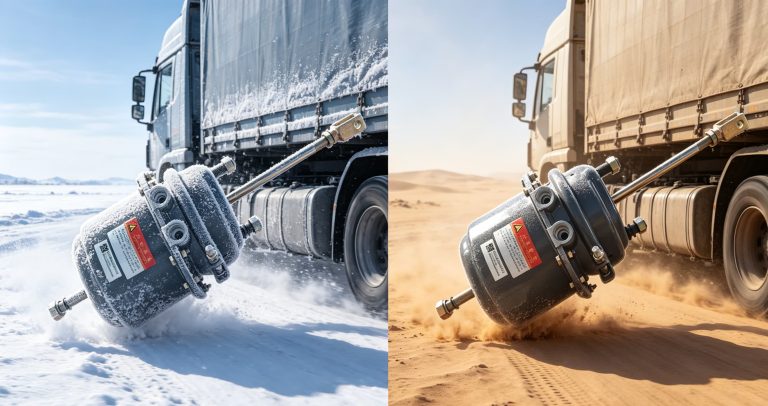
The environmental challenges faced by brake cylinders are immense. In Arctic conditions, standard rubber seals can become brittle and lose their ability to maintain a tight seal, leading to chronic air leaks. Conversely, in desert environments, extreme heat can accelerate the aging process of diaphragms, causing them to lose flexibility and eventually crack. We prioritize sourcing components that utilize advanced elastomers and specialized coatings designed to maintain their physical properties across a wide temperature spectrum. Whether your fleet is traversing the frozen passes of the north or the scorching highways of the south, our components are selected to provide consistent, reliable performance. This commitment to material science is a cornerstone of our quality assurance process, ensuring that the parts we supply contribute to the overall resilience of your operations.
Advanced Diagnostics and Preventative Maintenance
Maximizing the lifespan and performance of your brake cylinders goes beyond reactive repairs. A proactive approach, incorporating advanced diagnostics and diligent preventative maintenance, is key to ensuring consistent braking power and avoiding unexpected downtime.
Routine Inspections and Early Warning Signs
Regular visual inspections are the first line of defense. For wheel cylinders, technicians should routinely check for signs of brake fluid leaks around the drum backing plate and the cylinder body. The condition of the rubber dust boots is critical; tears or cracks can allow moisture and contaminants to enter, leading to corrosion and seizing. For brake chambers, listen for air leaks and check the pushrod boot for damage. Any signs of external damage, corrosion, or fluid/air leaks demand immediate attention. Catching these issues early, before they escalate, can prevent more extensive damage to other braking components and ensure the vehicle remains safe for operation. Our Technical Support Page offers detailed checklists and troubleshooting guides for these inspections.
Fluid and Air System Health
The performance of brake cylinders is directly tied to the health of the hydraulic or pneumatic system they operate within. For hydraulic systems, maintaining clean, uncontaminated brake fluid is paramount. Brake fluid is hygroscopic, absorbing moisture over time, which lowers its boiling point and promotes internal corrosion within wheel cylinders. Regular fluid flushes are essential. For air brake systems, ensuring the air compressor, air dryer, and air tanks are functioning correctly is vital to prevent moisture and contaminants from reaching the brake chambers. Water and oil in the air lines can degrade internal seals and diaphragms, leading to premature failure. Regular draining of air tanks and maintenance of the air dryer are crucial preventative measures.
The Lifecycle Management of Brake Cylinders
Effective fleet management requires a shift from reactive repairs to comprehensive lifecycle management of critical components like brake cylinders. This involves understanding the expected service life of these parts under different operating conditions and planning replacements before they become a safety hazard or a cause of unscheduled downtime.
Establishing Realistic Maintenance Intervals
While many manufacturers provide general guidelines for brake cylinder inspection, the actual service life can vary significantly based on factors such as load weight, terrain, and driver behavior. A truck operating in a mountainous region with frequent, heavy braking will require much more frequent inspections and earlier replacements than a long-haul truck operating on flat highways. We work closely with our clients to help them establish realistic, data-driven maintenance intervals based on their specific operational profiles. This proactive approach not only enhances safety but also allows for more predictable maintenance budgeting and reduced total cost of ownership.
Identifying the Risks of Substandard Refurbishment
The market is often flooded with "refurbished" or "remanufactured" brake cylinders that may not meet original safety standards. A substandard refurbishment process might involve simply cleaning the exterior and replacing only the most visible seals, while leaving internal components that are near their fatigue limit. We strongly advocate for either brand-new units or premium remanufactured parts from certified facilities that follow a complete "strip-and-rebuild" protocol, including ultrasonic cleaning and rigorous pressure testing. Our quality control team meticulously inspects every batch of components we receive, ensuring that they meet our internal benchmarks for structural integrity and performance. By choosing to partner with a specialized supplier like us, you are mitigating the risks associated with inferior parts and ensuring the long-term reliability of your braking system.
Frequently Asked Questions (FAQ) about Brake Cylinders
This section addresses common technical queries regarding brake cylinders, their performance, and maintenance, compiled from years of professional interaction with fleet managers and technicians.
What is the difference between a wheel cylinder and a brake chamber?
A wheel cylinder is part of a hydraulic drum brake system, typically found on lighter or older heavy-duty trucks. It uses hydraulic fluid pressure to push brake shoes against the drum. A brake chamber, conversely, is used in air brake systems, common in modern heavy-duty trucks. It converts compressed air pressure into mechanical force via a diaphragm and pushrod to actuate the brakes. Both serve to apply braking force, but their operating medium and internal mechanisms are distinct. Understanding which system your vehicle uses is crucial for correct maintenance and part selection.
How often should brake cylinders be inspected?
Brake cylinders (both wheel cylinders and brake chambers) should be inspected during every routine vehicle service or whenever brake maintenance is performed. This includes checking for leaks, external damage, and the condition of protective boots. For air brake systems, daily pre-trip inspections should include listening for air leaks around the brake chambers. Proactive, frequent inspections are key to early detection of issues and preventing costly failures. Neglecting these inspections can lead to sudden brake failure and significant safety risks.
Can I repair a leaking brake cylinder, or does it need to be replaced?
For wheel cylinders, minor leaks might sometimes be addressed by replacing internal rubber cups and seals with a rebuild kit, provided the cylinder bore is not pitted or corroded. However, for heavy-duty applications, and especially for brake chambers, full replacement is almost always recommended for safety and reliability. Brake chambers are sealed units, and internal diaphragm repairs are generally not feasible or safe. Replacing the entire unit ensures that all critical components are new and meet safety standards, providing peace of mind and consistent performance.
What causes brake cylinders to leak?
Leaks in wheel cylinders are typically caused by worn, cracked, or degraded rubber cups and seals, often due to age, heat, or contaminated brake fluid. Corrosion within the cylinder bore can also damage seals. Brake chamber leaks usually stem from a damaged or aged diaphragm, or compromised seals around the pushrod or housing. External damage, exposure to harsh environmental elements, and improper installation can also lead to leaks in both types of cylinders. Regular maintenance of the hydraulic or pneumatic system can significantly mitigate these causes.
How does a leaking brake cylinder affect braking performance?
A leaking brake cylinder directly compromises braking performance. In hydraulic systems, fluid leaks lead to a loss of pressure, resulting in a soft or spongy brake pedal and reduced stopping power. In air brake systems, air leaks cause a drop in system pressure, leading to weak brakes, extended stopping distances, and potentially the inability to release spring brakes. Both scenarios significantly increase stopping distances and create severe safety hazards, demanding immediate attention and repair.
Why is sourcing high-quality brake cylinders important for my fleet?
Sourcing high-quality brake cylinders is paramount for fleet safety, operational efficiency, and cost-effectiveness. Substandard components are prone to premature failure, leading to increased downtime, higher maintenance costs, and critically, compromised braking performance that endangers drivers, cargo, and other road users. High-quality cylinders ensure consistent, reliable braking, withstand harsh operating conditions, and offer superior longevity, thereby reducing your total cost of ownership and enhancing your fleet's overall safety profile. As a specialized supplier, we prioritize components that meet stringent industry standards, offering peace of mind and sustained performance for our clients.