Brake Caliper Guide: Types, Symptoms of Failure & Replacement
In the demanding world of heavy-duty transportation, the integrity of a vehicle's braking system is paramount. Among its critical components, the brake caliper stands as a sentinel of safety, directly responsible for converting hydraulic pressure into the mechanical force that slows and stops a truck. For fleet managers, independent owner-operators, and professional technicians, a thorough understanding of brake calipers—their types, common failure modes, and proper replacement procedures—is not merely beneficial; it is essential for operational safety, regulatory compliance, and the long-term profitability of their assets.
As a trusted supplier of high-quality truck components, we recognize that reliable braking performance is non-negotiable. This comprehensive guide delves into the intricate world of brake calipers, offering insights into their design, function, and the tell-tale signs that indicate a need for attention. Our aim is to equip you with the knowledge to make informed decisions, ensuring your heavy-duty vehicles maintain optimal stopping power and reliability. For a broader view of essential braking system components, explore our System Products Page.
Understanding the Brake Caliper: The Heart of Your Braking System
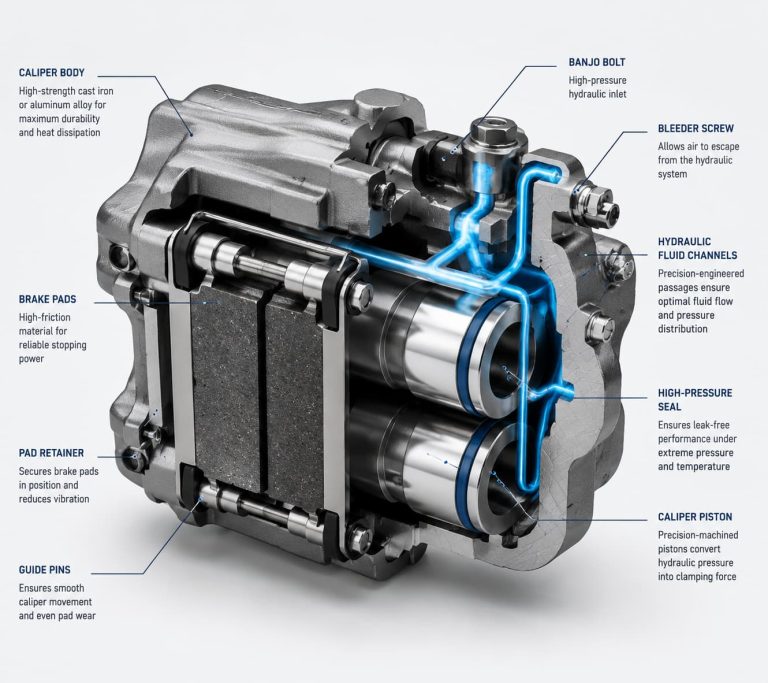
The brake caliper is a sophisticated assembly that houses the brake pads and pistons. Its primary function is to clamp the brake pads against the rotor, creating friction that decelerates the wheel. This seemingly simple action is a marvel of engineering, involving precise hydraulic forces and robust mechanical components operating under extreme conditions.
The Fundamental Mechanics of Braking
When the driver presses the brake pedal, hydraulic fluid is pressurized and transmitted to the caliper. This pressure forces the caliper's pistons to extend, pushing the brake pads against the spinning rotor. The resulting friction generates heat and slows the vehicle. The efficiency of this process hinges on the caliper's ability to apply even, consistent pressure across the brake pads, ensuring uniform wear and maximum stopping power. Any deviation from this ideal can lead to reduced braking effectiveness, increased stopping distances, and accelerated wear on other braking components. The hydraulic system, including the master cylinder and brake lines, must be in pristine condition to deliver this consistent pressure, highlighting the interconnectedness of the entire braking system.
Types of Brake Calipers in Heavy-Duty Applications
Heavy-duty trucks primarily utilize two main types of brake calipers: floating (or sliding) calipers and fixed calipers. Each design offers distinct advantages and is suited for different applications and performance demands. Understanding these distinctions is crucial for proper maintenance and component selection.
Floating Calipers are the most common type due to their simpler design and cost-effectiveness. They feature one or two pistons on the inboard side of the rotor. When hydraulic pressure is applied, these pistons push the inboard pad against the rotor. Simultaneously, the entire caliper body slides on guide pins, pulling the outboard pad into contact with the rotor. This design allows for a compact assembly and effective braking, making them a workhorse in many commercial vehicle fleets. Their sliding mechanism, however, requires proper lubrication and maintenance to prevent seizing. The guide pins, often overlooked, are critical for the caliper's ability to center itself and apply even pressure. Neglecting their lubrication can lead to uneven pad wear and a pulling sensation during braking.
Fixed Calipers, conversely, do not move relative to the rotor. Instead, they employ multiple pistons (typically two to six, or even more) on both sides of the rotor. When the brakes are applied, these pistons simultaneously push both inboard and outboard pads against the rotor. This design offers superior braking force, better heat dissipation, and a more consistent pedal feel, often found in high-performance or severe-duty applications. While more complex and generally heavier, their robust nature provides exceptional stopping power and durability. The multiple pistons distribute clamping force more evenly, reducing stress on individual pads and rotors, which can be a significant advantage in applications requiring frequent, heavy braking. You can find a wide range of these high-precision components on our Product Brands Page.
Recognizing the Symptoms of a Failing Brake Caliper
Early detection of brake caliper issues is crucial for preventing costly repairs and, more importantly, ensuring vehicle safety. Ignoring subtle signs can lead to catastrophic brake failure or severe damage to other braking system components. Our experience as a dedicated supplier has shown that proactive diagnostics save significant downtime and maintenance costs, ultimately contributing to a safer and more profitable operation.
Common Indicators of Caliper Malfunction
One of the most frequently reported symptoms is a pulling sensation in the steering wheel during braking. If the vehicle consistently pulls to one side, it often indicates that a caliper on the opposite side is seizing or not engaging properly. This uneven braking force can quickly lead to dangerous driving conditions, especially during emergency stops, and can also cause premature tire wear on one side of the vehicle.
Another clear sign is unusual noises emanating from the wheels. A persistent squealing, grinding, or clunking sound, especially when applying the brakes, can point to a caliper issue. Squealing might suggest worn pads or a stuck caliper, while grinding often indicates metal-on-metal contact due to severely worn pads or a caliper that has completely seized, causing the pad backing plate to rub against the rotor. A clunking sound could indicate excessive play in the caliper mounting or guide pins.
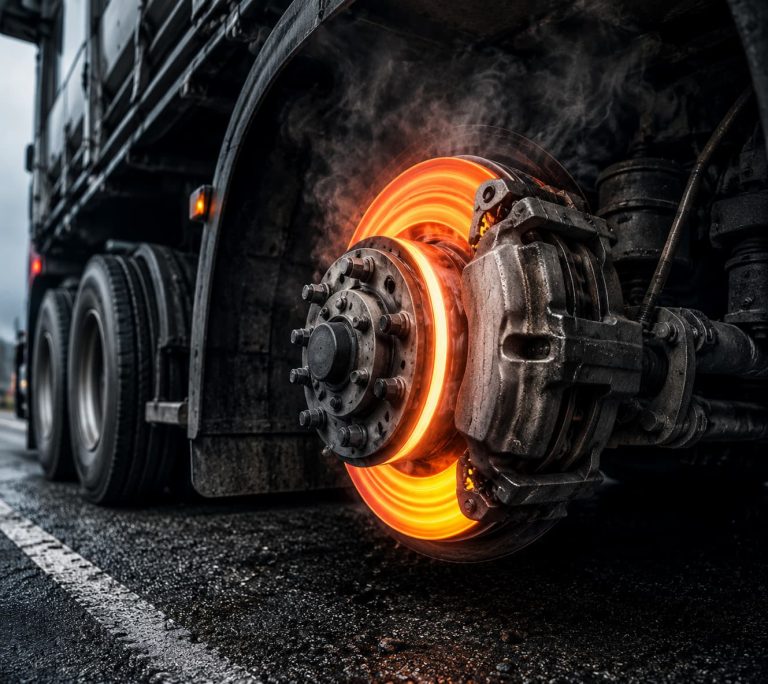
Excessive heat from a wheel is a critical warning. If you notice one wheel rim is significantly hotter than the others after a drive, it's a strong indicator of a dragging or seized caliper. This continuous friction generates immense heat, which can warp rotors, boil brake fluid, and even lead to wheel bearing failure. This symptom demands immediate attention, as prolonged overheating can also damage tires and suspension components.
Subtle Signs and Performance Degradation
Beyond the obvious, more subtle signs can indicate a caliper that is beginning to fail. A soft or spongy brake pedal can suggest air in the hydraulic system, but it can also be a symptom of a leaking caliper piston seal, allowing fluid to bypass the piston. Conversely, a hard brake pedal requiring excessive force to stop the vehicle might indicate a seized caliper piston that is resisting movement, or a clogged brake hose restricting fluid flow to the caliper.
Uneven brake pad wear is a visual cue that technicians often overlook. If one pad on a wheel is significantly more worn than the other, or if pads on one side of the vehicle are wearing much faster, it's a strong indication that the caliper is not applying pressure evenly. This can be due to seized guide pins on a floating caliper, a stuck piston, or a distorted caliper body. This uneven wear not only reduces braking efficiency but also shortens the lifespan of brake pads and can lead to premature rotor damage. For more insights into maintaining your braking system, refer to our Technical Support Page.
Brand-Specific Requirements and Compatibility
The heavy-duty truck market is diverse, with major manufacturers like Volvo, Scania, Freightliner, and Peterbilt each employing specific braking architectures. A "one-size-fits-all" approach to brake calipers is a recipe for operational headaches. Understanding these brand-specific nuances is critical for ensuring compatibility and optimal performance.
Navigating Technical Specifications
Different truck brands often specify distinct caliper designs, mounting configurations, and hydraulic volume requirements. For instance, European trucks frequently utilize advanced air disc brake (ADB) systems with specific caliper geometries that differ significantly from the hydraulic or air-over-hydraulic systems common in older North American models. Installing a caliper that physically fits but does not match the required hydraulic displacement can lead to a dangerously soft pedal or overly aggressive braking. We specialize in cross-referencing these intricate specifications, ensuring that the calipers we supply are perfectly matched to your vehicle's exact make, model, and braking system configuration.
The Role of Brake Pads and Rotors
A brake caliper does not operate in isolation; its performance is inextricably linked to the brake pads and rotors it interacts with. The friction material of the pad and the metallurgy of the rotor must be compatible with the clamping force and thermal characteristics of the caliper. Using aggressive, high-metallic pads with a caliper designed for softer organic pads can lead to excessive noise, rapid rotor wear, and potential caliper overheating. Conversely, using soft pads in a severe-duty application can result in rapid pad degradation and brake fade. We guide our clients in selecting the entire "friction triangle"—caliper, pad, and rotor—as a cohesive system to maximize stopping power and component longevity.
The Replacement Process: Ensuring Safety and Longevity
Replacing a brake caliper is a critical maintenance task that requires precision, the right tools, and adherence to best practices. Improper installation can compromise the entire braking system, leading to dangerous operating conditions and premature component failure. Our commitment to quality extends beyond supplying parts; we advocate for best-in-class installation procedures to ensure the safety and longevity of your fleet.
Pre-Installation Checks and Component Preparation
Before installing a new caliper, a thorough inspection of the entire braking system is paramount. This includes checking the brake hoses for cracks, bulges, or chafing, inspecting the brake fluid for contamination or discoloration, and assessing the condition of the brake lines for corrosion or damage. Any signs of wear or damage in these ancillary components must be addressed concurrently with the caliper replacement. We always recommend replacing brake pads and rotors in pairs (per axle) when replacing a caliper to ensure balanced braking performance and proper bedding-in of the new components. Failing to replace these components can lead to immediate performance issues and rapid wear of the new caliper.
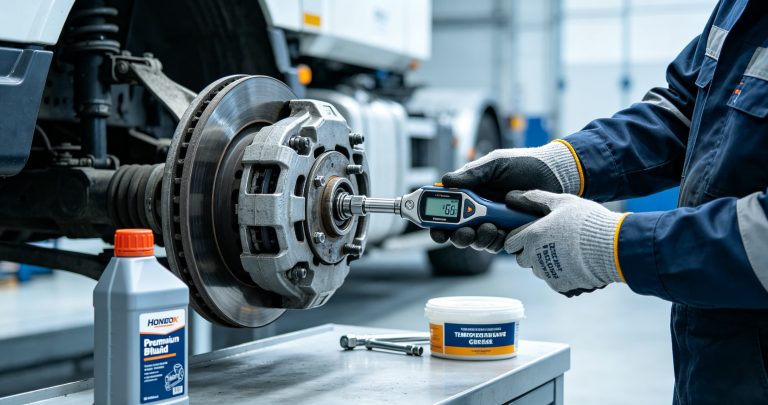
Proper preparation of the new caliper is also crucial. This involves ensuring that all mounting points on the vehicle are clean and free of rust, old thread locker, or debris. For floating calipers, the guide pins must be thoroughly cleaned and lubricated with a high-temperature, silicone-based brake grease. This ensures smooth movement and prevents future seizing. Never use petroleum-based greases, as they can degrade rubber components like guide pin boots and piston seals. Additionally, ensure the new caliper is free of any shipping debris or protective coatings that might interfere with its function.
Installation Best Practices and Post-Installation Procedures
During installation, meticulous attention to detail is non-negotiable. Always use new banjo bolts and copper washers when connecting the brake hose to the caliper, and torque them to the manufacturer's exact specifications using a calibrated torque wrench. Over-tightening can strip threads or damage the hose, while under-tightening can lead to dangerous fluid leaks. Bleeding the brake system thoroughly after installation is critical to remove any trapped air, which can cause a spongy pedal and reduced braking effectiveness. We recommend a two-person bleeding process or using a pressure bleeder for optimal results, ensuring all four wheels are bled in the correct sequence.
After installation and bleeding, a series of road tests should be performed in a safe, controlled environment. This allows the technician to confirm proper braking function, check for any pulling or unusual noises, and ensure the new caliper is bedding in correctly with the new pads and rotors. The bedding-in process is vital for maximizing the lifespan and performance of both the pads and the caliper. For expert advice on compatibility and selection, do not hesitate to Contact Us.
Quality Matters: Why Sourcing Reliable Brake Calipers is Essential
In the heavy-duty sector, the phrase “you get what you pay for” rings especially true for brake calipers. The difference between a high-quality, meticulously engineered caliper and a substandard imitation can be the difference between a safe journey and a catastrophic failure. As a specialized supplier, our commitment is to provide components that meet the rigorous demands of heavy-duty applications, ensuring your fleet's safety and operational continuity.
The Anatomy of a Quality Caliper
A truly high-quality brake caliper is defined by several key attributes. First, the material composition of the caliper body is crucial. Cast iron or aluminum alloys must meet precise metallurgical standards to withstand the immense forces and thermal cycles. Inferior castings can lead to porosity, which compromises structural integrity and can cause fluid leaks under pressure. Second, the precision machining of the piston bores and guide pin holes is paramount. Any deviation here can lead to piston binding or uneven pad wear. The surface finish within the piston bore is critical for the longevity of the piston seals. Third, the quality of internal components—pistons, seals, and boots—is non-negotiable. Pistons should be made from durable, corrosion-resistant materials, and seals must be designed to withstand high temperatures and aggressive brake fluids without degradation. We meticulously vet our sources to ensure these standards are met, offering only parts that have proven their mettle in real-world scenarios. Our Product Brands Page showcases the manufacturers we trust.
The Hidden Costs of Substandard Parts
While the initial outlay for a cheaper caliper might seem appealing, the long-term consequences are often far more expensive. Substandard calipers are prone to premature failure, leading to increased downtime, higher labor costs for repeated replacements, and accelerated wear on brake pads and rotors. More critically, compromised braking performance directly impacts safety, increasing the risk of accidents and potential liability. Our focus is on providing components that offer superior longevity and consistent performance, thereby reducing your total cost of ownership and enhancing the safety profile of your fleet. We believe in providing solutions that contribute to your operational efficiency, not detract from it. For more insights into our quality assurance processes, visit our About Us page.
Advanced Diagnostics and Preventative Maintenance
Maximizing the lifespan and performance of your brake calipers goes beyond reactive repairs. A proactive approach, incorporating advanced diagnostics and diligent preventative maintenance, is key to ensuring consistent braking power and avoiding unexpected downtime.
Routine Inspections and Early Warning Signs
Regular visual inspections are the first line of defense. Technicians should routinely check for signs of brake fluid leaks around the caliper body, pistons, and bleed screws. The condition of the rubber dust boots around the pistons and guide pins is also critical; tears or cracks can allow moisture and contaminants to enter, leading to corrosion and seizing. Uneven pad wear across an axle or between the inboard and outboard pads on a single caliper is a strong indicator of a caliper malfunction, often due to seized guide pins or a sticking piston. Catching these issues early, before they escalate, can prevent more extensive damage to rotors and other braking components. Our Technical Support Page offers detailed checklists and troubleshooting guides for these inspections.
Hydraulic System Health and Fluid Management
The brake caliper is only as good as the hydraulic pressure it receives. Therefore, maintaining the health of the entire hydraulic system is paramount. This includes regular inspection of brake lines for corrosion or damage, and crucially, proper brake fluid management. Brake fluid is hygroscopic, meaning it absorbs moisture over time. Water contamination lowers the fluid's boiling point, leading to a spongy pedal and potential brake fade under heavy use. It also promotes internal corrosion within the caliper and master cylinder. We recommend adhering to manufacturer-specified brake fluid flush intervals, using only high-quality fluid that meets or exceeds DOT specifications. This ensures optimal hydraulic pressure transmission and protects the internal components of your calipers from corrosive degradation. A brake fluid flush is not just about replacing old fluid; it's about removing accumulated moisture and contaminants that can severely compromise braking performance and component longevity.
Adapting to Diverse Operating Conditions
Heavy-duty trucks operate in a vast array of environments, from scorching deserts to freezing tundras, and across varied terrains. A brake caliper must perform reliably under all these conditions, and selecting the right component involves considering these operational realities.
Temperature Extremes and Thermal Management
Braking generates immense heat. In high-load, mountainous, or stop-and-go urban driving, calipers can reach extreme temperatures. A quality caliper is designed with effective thermal management in mind, often incorporating larger piston areas or specific materials to dissipate heat efficiently. Poor heat dissipation can lead to brake fade, where the braking power diminishes due to overheating, and can also cause premature wear of seals and pistons. Conversely, in extremely cold conditions, the caliper must function without fluid thickening or component contraction impeding its operation. We source components that are tested across a wide thermal range to ensure that your braking performance remains consistent regardless of the ambient temperature. This includes rigorous cold-weather testing to ensure seals remain flexible and fluid viscosity does not impede piston movement.
Environmental Contaminants: Dust, Water, and Salt
Trucks are exposed to everything the road throws at them: dust, mud, water, and corrosive road salt. These contaminants are particularly aggressive towards brake calipers. Dust and grit can abrade piston seals and guide pin boots, while water and salt accelerate corrosion, leading to seized components. Calipers designed for harsh environments often feature enhanced corrosion protection, such as specialized coatings (e.g., zinc plating, e-coating) or robust dust boots made from advanced polymers. When selecting calipers, consider the typical operating environment of your fleet. For vehicles operating in coastal regions or areas with heavy winter road salting, investing in calipers with superior corrosion resistance is a wise decision that pays dividends in longevity and reduced maintenance. Our Cooperative Case Studies demonstrate how our clients have successfully navigated these challenges with our robust component solutions.
The Remanufacturing Debate: New vs. Remanufactured Calipers
When a caliper fails, fleet managers face a critical decision: purchase a brand-new unit or opt for a remanufactured one. Both options have their merits, but understanding the differences is essential for making a cost-effective and safe choice.
The Case for High-Quality Remanufacturing
Remanufactured calipers, when sourced from reputable suppliers, can offer significant cost savings without compromising safety. A proper remanufacturing process involves completely disassembling the core, cleaning it to bare metal, inspecting it for structural integrity, and replacing all wear items—pistons, seals, boots, and bleed screws—with new, high-quality components. The caliper is then reassembled and pressure-tested to ensure it meets or exceeds original specifications. We rigorously vet our remanufacturing partners to ensure they adhere to these strict protocols, providing our clients with a reliable, sustainable, and economical alternative to new parts.
When New is the Only Option
However, not all calipers are suitable for remanufacturing. If the caliper body is severely corroded, cracked, or if the piston bores are deeply scored beyond repair, the core must be discarded. In applications involving extreme severe-duty cycles or where maximum reliability is paramount, investing in a brand-new caliper is often the most prudent choice. New calipers offer the peace of mind that comes with virgin materials and the latest manufacturing tolerances. We assist our clients in evaluating their specific operational needs and budget constraints to determine whether a new or premium remanufactured caliper is the optimal solution for their fleet.
The Future of Braking: Innovations in Caliper Technology
The evolution of brake caliper technology continues, driven by demands for greater safety, efficiency, and reduced maintenance. Staying abreast of these innovations allows for strategic upgrades that can significantly benefit your fleet.
Air Disc Brakes and Advanced Caliper Designs
While traditional drum brakes still have their place, air disc brakes (ADB) are becoming increasingly prevalent in heavy-duty applications. ADB systems utilize a caliper that clamps pads onto a rotor, similar to passenger vehicles, but scaled for immense loads. These calipers offer superior stopping power, better fade resistance, and easier maintenance compared to drum brakes. Innovations in ADB caliper design include lighter materials (e.g., aluminum alloys for reduced unsprung weight), more robust sealing systems, and integrated wear sensors. We are constantly evaluating these advancements to ensure our product offerings remain at the forefront of braking technology. For a detailed look at various braking system components, visit our Product Systems Page.
Integrated Sensors and Predictive Maintenance
The future of brake calipers will likely involve greater integration with vehicle electronics. Calipers equipped with integrated sensors can provide real-time data on pad wear, rotor temperature, and even piston travel. This data can be fed into a truck's telematics system, enabling predictive maintenance. Instead of relying solely on visual inspections or mileage-based schedules, fleet managers can anticipate caliper service needs based on actual usage and performance data. This shift from reactive to predictive maintenance promises to further reduce downtime, optimize service intervals, and enhance overall fleet efficiency. As a forward-thinking supplier, we are committed to sourcing components that align with these technological advancements, helping our clients prepare for the next generation of heavy-duty vehicles.
Frequently Asked Questions (FAQ) about Brake Calipers
This section addresses common technical queries regarding brake calipers, their performance, and maintenance, compiled from years of professional interaction with fleet managers and technicians.
What are the primary functions of a brake caliper in a heavy-duty truck?
The brake caliper is the critical component that houses the brake pads and pistons, responsible for clamping the pads against the spinning rotor to create friction. This friction converts the vehicle's kinetic energy into thermal energy, effectively slowing or stopping the truck. Beyond this fundamental action, a high-quality caliper ensures even pressure distribution across the brake pads, which is vital for consistent stopping power, uniform pad wear, and optimal heat dissipation. It also protects the hydraulic system from external contaminants and extreme operating conditions. In essence, it's the muscle that translates the driver's intent into stopping force, directly impacting safety and control.
How can I differentiate between a floating caliper and a fixed caliper?
A floating (or sliding) caliper has pistons on only one side of the rotor. When activated, these pistons push the inboard pad, and the entire caliper body then slides on guide pins to pull the outboard pad into contact. Fixed calipers, conversely, have pistons on both sides of the rotor and remain stationary. They use opposing pistons to push both pads simultaneously. Fixed calipers generally offer more consistent pressure and better heat management, making them ideal for severe-duty cycles, while floating calipers are simpler, more cost-effective, and common in standard commercial applications due to their design flexibility. Understanding your vehicle's specific caliper type is crucial for correct maintenance and replacement procedures, as their service requirements differ significantly.
What are the most common causes of brake caliper failure in heavy-duty applications?
The most frequent causes include seized pistons due to corrosion (often from moisture ingress past damaged dust boots or contaminated brake fluid), seized guide pins (preventing floating calipers from moving freely), and internal fluid leaks (due to worn or damaged piston seals). Overheating from heavy braking can also degrade seals and fluid, leading to premature failure. Exposure to road salt and harsh environmental contaminants significantly accelerates corrosion, especially if protective boots are compromised. Neglecting routine inspection of dust boots and guide pin lubrication are primary culprits. These failures not only compromise braking but can also lead to costly damage to rotors and other suspension components.
Why is proper lubrication of guide pins so important for floating calipers?
For floating calipers, guide pins allow the caliper body to slide freely, ensuring that both inboard and outboard pads make even contact with the rotor. If these pins seize due to corrosion or lack of lubrication, the caliper cannot move. This results in uneven pad wear (often only one pad wears significantly), reduced braking efficiency, and a pulling sensation during braking. The seized pin prevents the caliper from centering itself, leading to constant drag or insufficient clamping force. Using a high-temperature, silicone-based brake grease specifically designed for guide pins is essential during any brake service, as petroleum-based greases can swell and damage the rubber boots, leading to premature failure.
Can a faulty brake caliper affect other parts of my braking system?
Absolutely. A malfunctioning caliper can have a cascading effect throughout the entire braking and even suspension system. A dragging or seized caliper generates excessive heat, which can warp brake rotors, prematurely wear brake pads, and even boil brake fluid, leading to brake fade. Uneven braking force can put undue stress on suspension components, wheel bearings, and tires, leading to accelerated wear and potential failure. In severe cases, a completely seized caliper can cause the vehicle to pull violently to one side, creating a significant safety hazard. Addressing caliper issues promptly protects your entire braking system, ensures overall vehicle safety, and prevents more extensive and costly repairs down the line.
How can I ensure I'm purchasing high-quality replacement brake calipers?
When sourcing replacement brake calipers, prioritize suppliers who emphasize quality control, material integrity, and traceability. Look for components from reputable manufacturers known for their engineering standards and rigorous testing. Verify that the supplier offers clear specifications, stands behind their products with warranties, and provides technical support. As a specialized supplier, we rigorously vet our inventory, focusing on parts that meet or exceed industry standards for durability and performance. We provide technical support and transparent information to help you make informed decisions, ensuring you receive reliable components that contribute to your fleet's safety and longevity. Browse our Product Brands Page for trusted options and reach out to our experts for personalized guidance.


