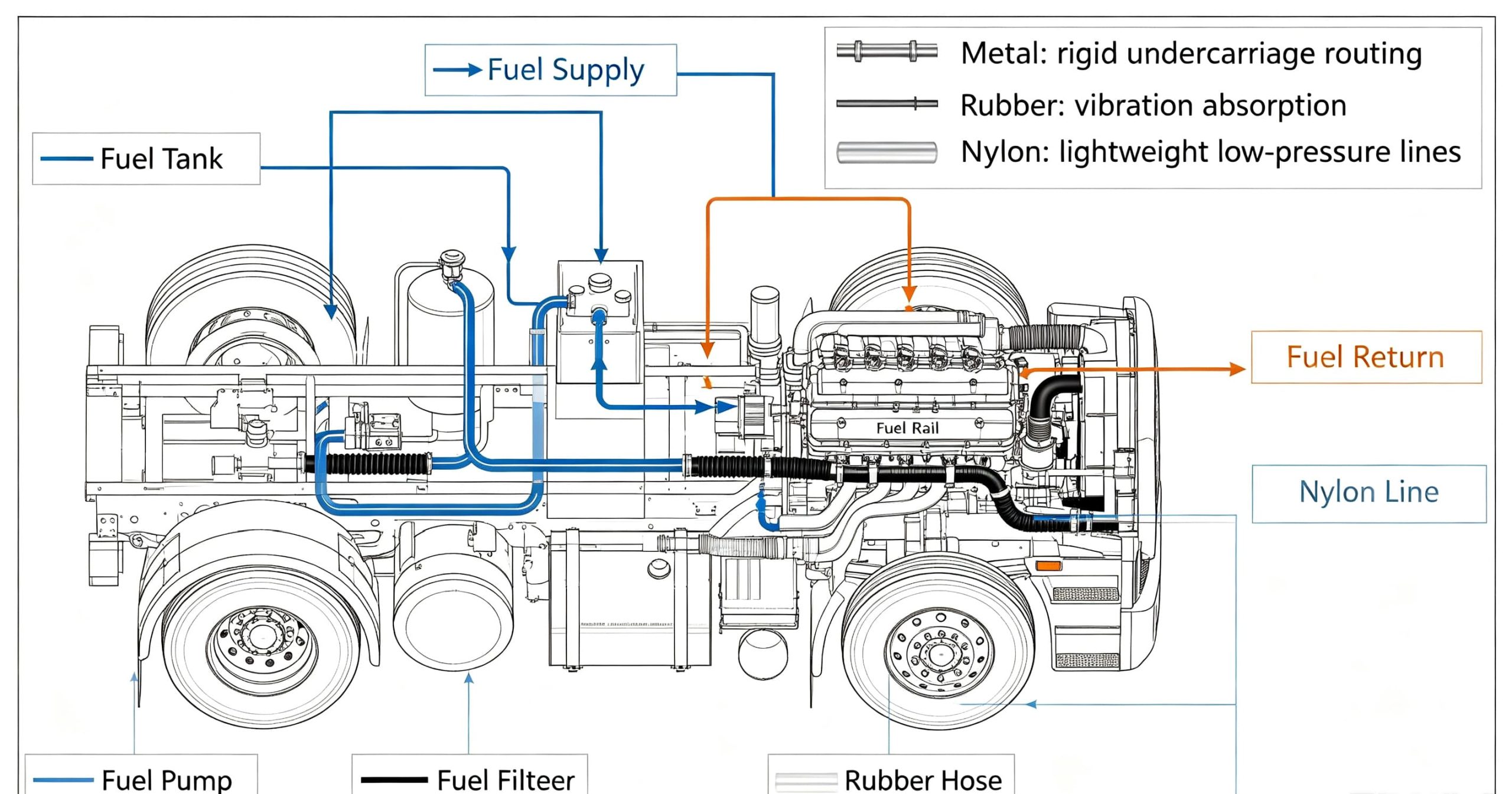
The fuel system is the lifeblood of any heavy-duty truck, meticulously delivering fuel from the tank to the engine. At the core of this system are the fuel lines, which are responsible for transporting fuel under varying pressures and conditions. When these critical components fail, it can lead to a cascade of issues, from minor performance degradation to complete engine shutdown and even hazardous fuel leaks. For operators and maintenance professionals dealing with robust Chinese trucks such as Sinotruk (HOWO), Shacman, FAW (Jiefang), Foton, and Dongfeng, understanding the intricacies of fuel line problems and their effective resolution is paramount. This comprehensive guide will delve into the various types of fuel lines, common failure modes, diagnostic techniques, and step-by-step replacement procedures. Our aim is to equip you with the knowledge to maintain your fleet’s fuel system integrity, ensuring optimal performance and safety. For more general company information, please visit our Mettlead homepage or learn more about us on our about us page.
The Arteries of the Engine: Understanding Truck Fuel Lines
Fuel lines are not merely simple conduits; they are engineered components designed to withstand high pressures, corrosive fuels, and harsh operating environments. Their primary function is to ensure a consistent and clean supply of fuel to the engine, while also returning excess fuel to the tank. Furthermore, modern fuel systems often incorporate multiple types of lines, each serving a specific purpose within the fuel delivery network. You can find more details on specific product systems on our product system page.
1. Types of Fuel Lines in Heavy-Duty Trucks
- Metal Fuel Lines (Steel/Aluminum): These are typically rigid lines, often made of steel or aluminum, used for long runs along the chassis. They are durable and resistant to physical damage but can be susceptible to corrosion, especially in areas exposed to road salt and moisture.
- Rubber/Flexible Fuel Hoses: Used for shorter connections, especially where flexibility is required, such as between the chassis and the engine, or near the fuel tank. These hoses are reinforced to handle pressure but can degrade over time due to heat, ozone, and fuel additives, leading to cracking or softening.
- Nylon/Plastic Fuel Lines: Increasingly common in modern trucks, these lines offer excellent corrosion resistance and are lightweight. They are often used for return lines or low-pressure applications but require specialized fittings and tools for repair.
2. Fuel System Pressure Considerations
Heavy-duty truck fuel systems operate under significant pressure, particularly in common rail diesel engines. High-pressure fuel lines are designed to withstand thousands of PSI, making their integrity crucial for both performance and safety. Low-pressure lines, while less critical in terms of explosive failure, are still vital for consistent fuel delivery and preventing air intrusion. Consequently, any compromise in fuel line integrity can disrupt fuel pressure, leading to engine performance issues or dangerous leaks.
💡 Pro-Tip: Material Compatibility
When replacing fuel lines, always ensure the new material is compatible with the type of fuel being used (e.g., diesel, biodiesel). Incompatible materials can degrade rapidly, leading to premature failure. This is especially important for Sinotruk (HOWO) and Shacman trucks, which may operate in diverse environments with varying fuel qualities.
Common Problems Affecting Truck Fuel Lines
Fuel lines are constantly exposed to mechanical stress, chemical degradation, and environmental factors, making them prone to several common issues. Understanding these problems is key to effective diagnosis and timely intervention. For further assistance, our technical support page is always available.
1. Leaks and Drips
Fuel leaks are perhaps the most obvious and dangerous problem. They can occur due to several reasons:
- Corrosion: Metal lines, especially steel, are highly susceptible to rust and corrosion, particularly in areas exposed to road salt, moisture, or chemical spills. This leads to pinholes or cracks, allowing fuel to escape.
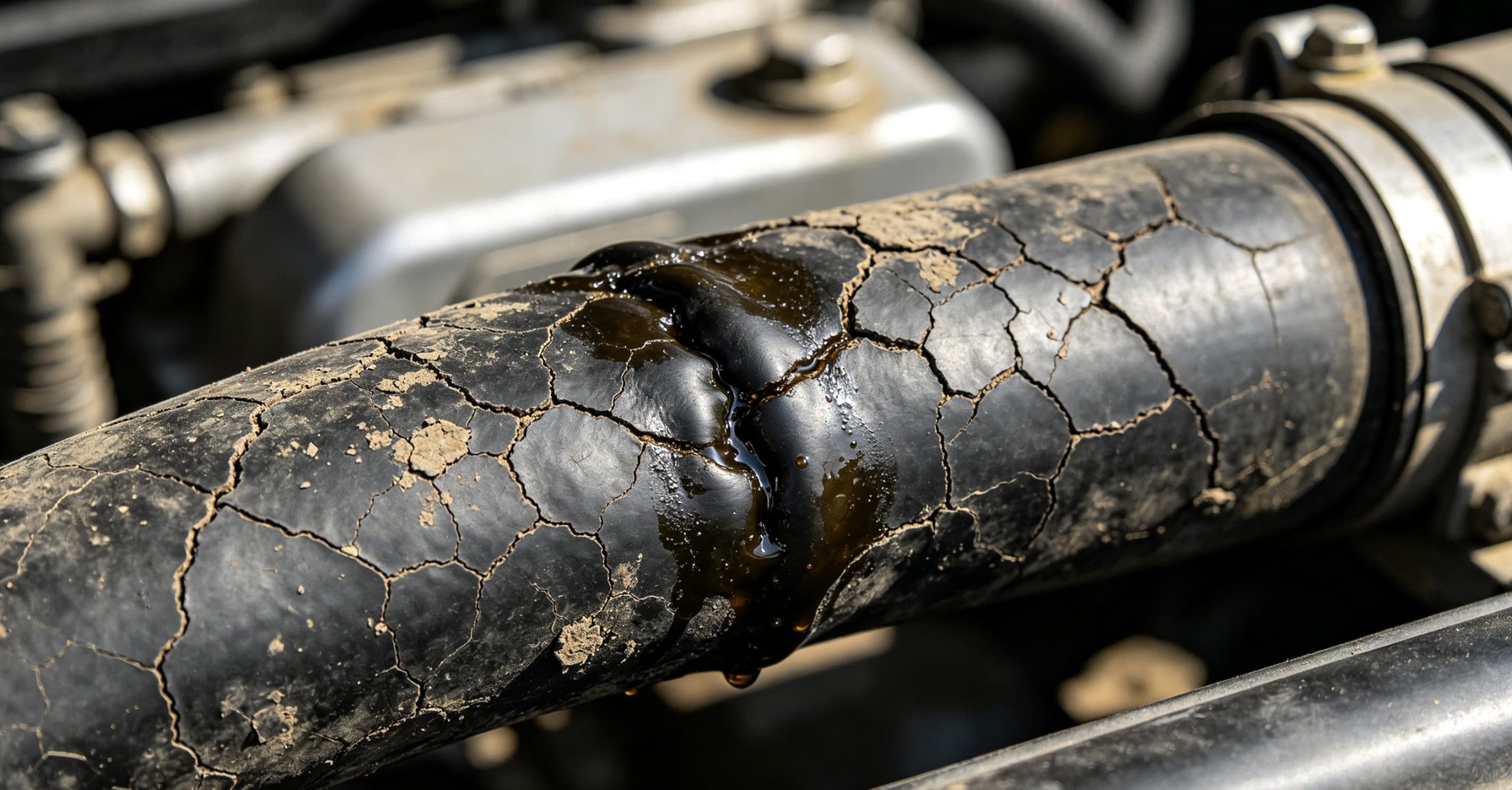
- Cracked or Brittle Rubber Hoses: Over time, rubber hoses can harden, crack, or become brittle due to exposure to heat, ozone, and fuel additives. This degradation compromises their sealing ability, resulting in leaks.
- Loose or Damaged Fittings: Connections at the fuel tank, fuel pump, filter, and injectors can loosen due to vibration or be damaged during maintenance. Consequently, this can create pathways for fuel to leak.
- Physical Damage: Road debris, accidents, or improper routing can physically damage fuel lines, causing punctures or severe kinks that lead to leaks.
2. Clogging and Restriction
A restricted fuel line can starve the engine of fuel, leading to performance issues. Common causes include:
- Internal Corrosion/Rust: Flakes of rust from corroded metal lines can break off and accumulate, restricting fuel flow.
- Contaminants: Dirt, debris, or biological growth (algae) in the fuel tank can bypass filters or accumulate within the lines, causing blockages.
- Kinks or Bends: Improper installation or physical damage can cause severe kinks in flexible lines, significantly reducing fuel flow.
3. Air Intrusion
Air entering the fuel system, particularly in diesel engines, can cause significant operational problems. This often occurs through:
- Loose Fittings: Even without a visible fuel leak, a loose fitting can allow air to be drawn into the system, especially on the suction side of the fuel pump.
- Cracked Hoses: Small, hairline cracks in rubber hoses might not leak fuel but can allow air to enter under vacuum.
- Damaged O-rings/Seals: Seals at connections or within components like the fuel filter housing can fail, leading to air intrusion.
4. Swelling or Softening of Rubber Hoses
Exposure to certain fuel additives or biodiesel blends can cause rubber fuel hoses to swell or soften. This compromises their structural integrity, making them more prone to bursting under pressure or collapsing under vacuum. Furthermore, this is a clear sign of material incompatibility. This can be a noticeable problem in older Dongfeng models.
⚠️ Caution: Fire Hazard
Fuel leaks pose an extreme fire hazard. Any smell of fuel, visible drips, or unexplained fuel consumption should be investigated immediately. Do not operate a truck with a known fuel leak. Ensure proper ventilation and have fire suppression equipment readily available when working on fuel systems. This is particularly relevant for FAW and Foton trucks with complex fuel injection systems.
Symptoms of Failing Truck Fuel Lines
Identifying the symptoms of failing fuel lines early can prevent more severe damage and ensure safety. These symptoms often manifest as performance issues or visible signs. Here’s a breakdown of common indicators:
| Symptom | Primary Indication | Possible Fuel Line Problem |
|---|---|---|
| Fuel Smell | Persistent smell of fuel around the truck, especially after driving or parking. | Fuel leak from a cracked line, loose fitting, or damaged hose. |
| Visible Fuel Leaks/Drips | Puddles or drips of fuel under the truck, or dampness around fuel system components. | Compromised fuel line integrity due to corrosion, cracking, or loose connections. |
| Engine Misfires or Rough Idling | Engine runs unevenly, shakes, or hesitates, particularly under load. | Fuel restriction or air intrusion starving cylinders of consistent fuel. |
| Loss of Engine Power/Acceleration | Truck feels sluggish, struggles to accelerate, or cannot maintain speed on inclines. | Significant fuel restriction preventing adequate fuel delivery to the engine. |
| Difficulty Starting or No Start | Engine cranks but doesn’t fire, or takes excessive cranking to start. | Severe fuel restriction, air intrusion, or loss of prime in the fuel system. |
| Increased Fuel Consumption | Noticeable decrease in fuel economy without changes in driving habits or load. | Fuel leaks (even small ones) or inefficient fuel delivery due to restriction. |
1. Persistent Fuel Smell
A distinct odor of gasoline or diesel fuel around the truck, especially after it has been running or parked, is a primary indicator of a fuel leak. Furthermore, this smell might be more pronounced when the engine is hot, as heat can cause fuel to evaporate more quickly. Consequently, even if no visible leak is present, a persistent fuel smell warrants immediate investigation due to the inherent fire risk. This can be a particularly concerning issue for Sinotruk (HOWO) and Shacman trucks.
2. Visible Fuel Leaks or Drips
This is the most undeniable sign of a problem. Puddles of fuel under the truck, damp spots on fuel lines, or discoloration around fittings clearly indicate a leak. In addition, inspect all connections, hoses, and metal lines for any signs of wetness or residue. Specifically, pay close attention to areas where lines pass through the chassis or are near heat sources. For troubleshooting these issues, our technical support page can offer valuable insights.
3. Engine Misfires or Rough Idling
If the engine runs unevenly, misfires, or idles roughly, it could be due to an inconsistent fuel supply. This can happen if a fuel line is partially clogged, restricting flow, or if air is being drawn into the system. Consequently, the engine’s combustion process is disrupted, leading to noticeable performance issues. This is a clear sign of an internal electrical fault within the switch. This can be a major concern for the sophisticated engines in FAW and Foton trucks.
4. Loss of Engine Power or Acceleration
A truck that feels sluggish, struggles to accelerate, or cannot maintain speed on inclines might be suffering from fuel starvation. Furthermore, a severely restricted fuel line prevents the engine from receiving the necessary volume of fuel, especially under heavy load. Consequently, the engine’s power output is significantly reduced. This is a common issue in older Dongfeng models.
5. Difficulty Starting or No Start Condition
If the engine cranks but doesn’t fire, or requires excessive cranking to start, it could indicate a severe fuel supply problem. This might be due to a completely clogged fuel line, significant air intrusion causing a loss of prime, or a faulty fuel pump struggling against a restriction. In addition, if the fuel system cannot build or maintain adequate pressure, the engine will not start. For more insights into troubleshooting, explore our customer success cases.
6. Increased Fuel Consumption
While less direct, an unexplained increase in fuel consumption can sometimes point to fuel line issues. This could be due to small, undetected leaks that allow fuel to escape, or an inefficient fuel delivery system caused by partial restrictions. Furthermore, the engine might be working harder to compensate for an inadequate fuel supply, leading to higher consumption. Consequently, monitoring fuel economy is a good preventive measure. This can be particularly dangerous if it affects critical safety systems in Dongfeng trucks.
💡 Pro-Tip: The “Visual and Olfactory” Check
Regularly inspect all visible fuel lines, especially flexible hoses and connections, for signs of cracking, chafing, swelling, or wetness. Furthermore, always trust your nose – if you smell fuel, there’s a leak, even if you can’t see it. This simple, routine check can often catch problems before they escalate into major issues. Pay particular attention to areas near heat sources or sharp edges.
Diagnosing Truck Fuel Line Problems: A Step-by-Step Guide
Accurately diagnosing fuel line problems requires a systematic approach to differentiate them from other fuel system component failures. Given the critical nature of fuel delivery, a thorough diagnostic process is essential to pinpoint the exact fault and ensure a safe and effective repair. This is particularly true for sophisticated systems in Sinotruk (HOWO), Shacman, FAW, Foton, and Dongfeng trucks.
⚠️ Caution: Fuel System Safety First
Working on fuel systems involves inherent risks, including fire, explosion, and exposure to hazardous chemicals. Always ensure the work area is well-ventilated and free from ignition sources. Disconnect the battery before starting work. Wear appropriate personal protective equipment (PPE), including safety glasses, chemical-resistant gloves, and respiratory protection if fuel vapors are present. Relieve fuel system pressure before disconnecting any lines. Have a fire extinguisher readily available. If you are unsure about any diagnostic step, consult the truck’s service manual or seek professional assistance. Our technical support page offers valuable resources.
1. Visual Inspection: The First Line of Defense
Begin with a thorough visual inspection of the entire fuel line system, from the tank to the engine. Look for:
- Visible Leaks: Any wet spots, drips, or fuel residue on or around the lines, connections, and fuel tank.
- Physical Damage: Kinks, chafing, cuts, or punctures on flexible hoses. Dents or severe corrosion on metal lines.
- Hose Degradation: Cracks, brittleness, swelling, or softening of rubber hoses.
- Loose Connections: Check all clamps, fittings, and quick-disconnects for tightness.
2. Fuel Pressure and Volume Test
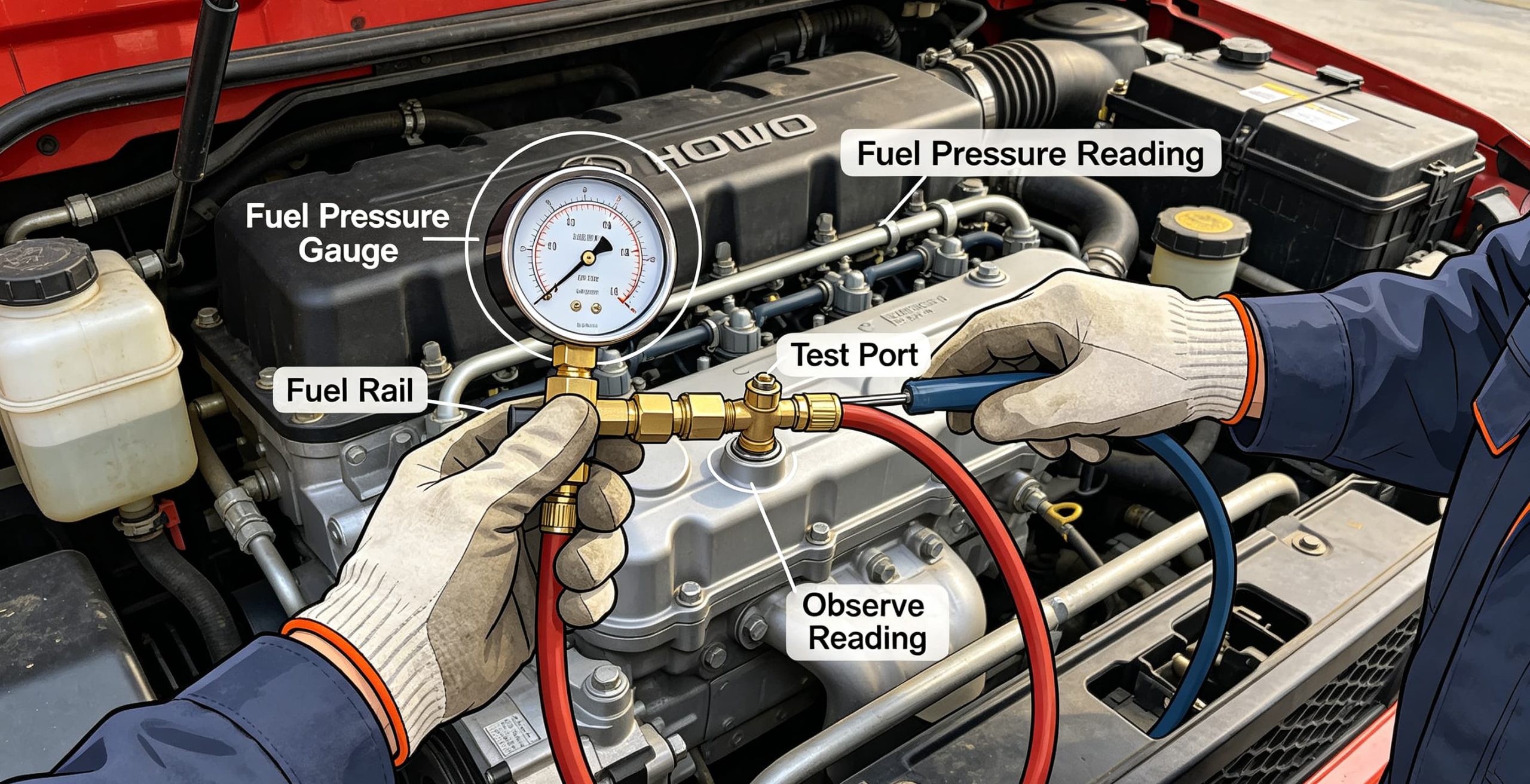
These tests are crucial for diagnosing restrictions or pump issues that might be mistaken for fuel line problems. You’ll need a fuel pressure gauge and a suitable adapter.
- Connect Gauge: Install the fuel pressure gauge at an accessible point in the fuel system (e.g., at the fuel filter or injection pump inlet).
- Check Static Pressure: With the engine off, turn the key to the ‘ON’ position (without starting) to activate the fuel pump. Note the pressure reading.
- Check Running Pressure: Start the engine and note the fuel pressure at idle and under various RPMs. Compare readings to manufacturer specifications.
- Check Volume: Some tests involve measuring the volume of fuel delivered by the pump into a container over a specific time. This helps identify restrictions.
Low pressure or volume can indicate a restricted fuel line, a failing fuel pump, or a clogged fuel filter. Furthermore, fluctuating pressure can point to intermittent restrictions or air intrusion.
3. Vacuum Test (for Suction Side)
For the suction side of the fuel system (from the tank to the fuel pump), a vacuum gauge can help identify restrictions or air leaks.
- Connect Gauge: Install a vacuum gauge on the suction side of the fuel pump.
- Run Engine: Start the engine and observe the vacuum reading.
An excessively high vacuum reading indicates a restriction in the fuel line or filter between the tank and the pump. A fluctuating vacuum can suggest air intrusion. Consequently, this test is particularly useful for diagnosing issues in the fuel supply lines of FAW and Foton trucks.
4. Dye Test (for Elusive Leaks)
For leaks that are difficult to spot, a UV dye test can be effective.
- Add Dye: Introduce a specialized UV dye into the fuel tank.
- Run Truck: Operate the truck for a period to allow the dye to circulate.
- Inspect with UV Light: Use a UV light and yellow glasses to scan the fuel lines and components. The dye will fluoresce brightly at the leak point.
🔍 Technical Deep-Dive: Understanding Fuel System Priming
In diesel engines, maintaining a
closed, air-free system is paramount. Air intrusion, even a small amount, can lead to hard starting, rough running, and even engine damage due to cavitation in high-pressure pumps. Therefore, proper priming after any fuel system work is critical. This often involves using a hand primer pump or an electric lift pump to purge air from the system before attempting to start the engine. For more detailed technical insights, explore our product system page.
Repairing and Replacing Truck Fuel Lines: A Practical Guide
Once a fuel line problem has been accurately diagnosed, the next step is to perform the necessary repair or replacement. The approach will depend on the type of fuel line, the nature of the damage, and the specific location within the truck. For heavy-duty trucks, especially those from Sinotruk (HOWO), Shacman, FAW, Foton, and Dongfeng, quality repairs are paramount.
⚠️ Caution: Fuel System Safety During Repair
Always ensure the truck is parked on a level surface, the engine is cool, and the battery is disconnected before beginning any fuel system work. Relieve fuel system pressure according to the manufacturer’s specifications. Have a fire extinguisher rated for Class B (flammable liquids) fires readily accessible. Wear appropriate PPE, including eye protection and fuel-resistant gloves. Avoid working in enclosed spaces without proper ventilation. Our technical support page offers valuable resources for safe repair practices.
1. Relieving Fuel System Pressure
Before disconnecting any fuel lines, it is absolutely critical to relieve the pressure in the fuel system. Failure to do so can result in a dangerous spray of fuel, posing a fire hazard and risk of injury. The exact procedure varies by truck model and fuel system type. Furthermore, common methods include:
- Fuse/Relay Removal: Disconnecting the fuel pump fuse or relay and then cranking the engine until it stalls.
- Schrader Valve: Some systems have a Schrader valve on the fuel rail, similar to a tire valve, which can be used with a special tool to release pressure.
- Special Tools: High-pressure common rail systems may require specialized diagnostic equipment to safely depressurize.
2. Replacing Flexible Rubber Hoses
Replacing flexible rubber hoses is generally the most straightforward fuel line repair. However, it requires attention to detail and proper materials.
- Identify and Measure: Carefully identify the damaged hose and measure its length and diameter. Note the type of fittings at each end.
- Drain Fuel: Place a suitable container beneath the hose to catch any residual fuel.
- Disconnect: Use appropriate tools to disconnect the hose from its fittings. Be prepared for some fuel spillage.
- Inspect Fittings: Examine the fittings for corrosion or damage. Replace them if necessary.
- Cut New Hose: Cut the new fuel-rated hose to the exact length of the old one. Ensure clean, straight cuts.
- Install Clamps/Fittings: Install new hose clamps or fittings as required. Always use fuel-rated clamps and avoid overtightening, which can damage the hose.
- Reconnect and Secure: Reconnect the new hose, ensuring all connections are tight and secure. Route the hose away from sharp edges, heat sources, and moving parts.
- Prime System: After replacement, prime the fuel system to remove any air before starting the engine.
💡 Pro-Tip: Double Clamping
For added security on critical low-pressure fuel hose connections, consider using two hose clamps per connection, positioned about 1/4 inch apart. This provides an extra layer of protection against leaks, especially in high-vibration environments common in heavy-duty trucks like FAW and Foton.
3. Repairing or Replacing Metal Fuel Lines
Metal fuel lines, typically steel or aluminum, are more challenging to repair. Repair options depend on the extent and location of the damage.
- Small Pinhole Leaks: For very small pinholes in accessible areas, a specialized fuel line repair kit (which typically involves a sleeve and clamps) might offer a temporary or even permanent solution, provided the line is not severely corroded.
- Section Replacement: If a section of the metal line is corroded or damaged, it can be cut out and replaced with a new section of metal line, joined by compression fittings or specialized fuel line connectors. Bending new metal lines requires a tubing bender to avoid kinking.
- Full Line Replacement: For extensive corrosion or damage, replacing the entire metal line from end to end is often the most reliable solution. This can be labor-intensive, requiring the removal of other components to gain access. Pre-bent replacement lines are available for many truck models, simplifying installation.
⚠️ Caution: Flaring and Bending Metal Lines
When working with metal fuel lines, proper flaring and bending techniques are crucial. Improper flares can lead to leaks, while kinks in bent lines can restrict fuel flow. Always use appropriate flaring tools and tubing benders. Never use a torch near fuel lines, as this poses an extreme fire hazard. For more information about our company and commitment to quality, visit our about us page.
4. Replacing Nylon/Plastic Fuel Lines
Nylon or plastic fuel lines require specific tools and techniques for repair and replacement, primarily due to their unique quick-connect fittings.
- Specialized Disconnect Tools: These lines often use quick-connect fittings that require a special tool to release. Attempting to force them apart can damage the fittings.
- Repair Kits: Repair kits for nylon lines typically include new sections of tubing, quick-connect fittings, and a heating tool to soften the nylon for connection.
- Proper Routing: Ensure new nylon lines are routed correctly and secured with appropriate clips to prevent chafing or kinking.
Preventive Maintenance for Truck Fuel Lines
Proactive maintenance is the best defense against fuel line problems, ensuring the longevity and reliability of your heavy-duty truck’s fuel system. For more insights into maintaining your fleet, explore our customer success cases.
1. Regular Visual Inspections
Make visual inspection of all accessible fuel lines a routine part of your maintenance schedule. Look for:
- Signs of corrosion, especially on metal lines and fittings.
- Cracks, chafing, swelling, or hardening on rubber hoses.
- Any signs of fuel leakage or dampness.
- Loose clamps or fittings.
- Proper routing – ensure lines are not rubbing against other components or sharp edges.
2. Fuel Filter Replacement
Regularly replacing fuel filters according to manufacturer recommendations is crucial. A clogged fuel filter can increase the pressure on the fuel pump and lines, potentially leading to premature failure. Furthermore, clean filters prevent contaminants from reaching and potentially clogging the fuel lines themselves. Consequently, this simple maintenance step significantly contributes to overall fuel system health.
3. Use Quality Fuel and Fuel Additives
Using high-quality, clean fuel helps prevent the buildup of contaminants and biological growth that can clog fuel lines. In addition, using appropriate fuel additives (e.g., anti-gel in cold weather, fuel system cleaners) can help maintain fuel system cleanliness and prevent issues like waxing or sludge formation. Specifically, this is vital for the demanding engines in Sinotruk (HOWO) and Shacman trucks.
4. Protect Against Road Debris and Corrosion
Where possible, ensure fuel lines are adequately protected from road debris and environmental exposure. This might involve checking protective shields or ensuring proper routing. Applying anti-corrosion coatings to exposed metal lines can also extend their lifespan, particularly in regions with harsh winter conditions or high humidity. For high-quality replacement fuel lines, always check our product brand page.
5. Advanced Diagnostic Tools and Techniques
For persistent or elusive fuel line problems, more advanced diagnostic tools can be employed:
- Smoke Machine (Evaporative Emission System Tester): While primarily used for EVAP system leaks, a smoke machine can sometimes be adapted to test low-pressure fuel lines for leaks, especially those that are difficult to access visually. The smoke is introduced into the line, and leaks are identified by escaping smoke.
- Thermal Imaging Camera: In some cases, a thermal imaging camera can detect subtle temperature differences around a fuel leak, as evaporating fuel causes a cooling effect. This can be particularly useful for identifying leaks in hidden areas.
- Ultrasonic Leak Detector: These devices can detect the high-frequency sound waves produced by escaping gases or liquids (like fuel) under pressure. They are highly effective for pinpointing small leaks that are otherwise invisible or inaudible.
- Scan Tool Data Analysis: For modern trucks, a diagnostic scan tool can provide real-time data on fuel pressure, fuel rail pressure (for common rail systems), and fuel trim values. Abnormal readings can indirectly point to fuel delivery issues, including those caused by faulty fuel lines. For example, consistent low fuel rail pressure despite a healthy fuel pump could indicate a significant restriction or leak in the high-pressure lines.
🔍 Technical Deep-Dive: Common Rail Fuel Pressure Regulation
In common rail diesel engines, fuel pressure is precisely regulated by the Engine Control Unit (ECU) through a high-pressure pump and a pressure limiting valve. The fuel lines in these systems are subjected to extreme pressures (up to 2,500 bar or 36,000 PSI). Any compromise in the integrity of these lines, even a microscopic crack, can lead to significant pressure drops, causing engine derating, misfires, or a no-start condition. Furthermore, a leak in a high-pressure line can be extremely dangerous due to the atomization of fuel under such immense pressure. Therefore, only genuine or OEM-equivalent high-pressure lines should be used for replacement, ensuring they meet stringent material and pressure ratings. Our product system page offers components designed for these demanding applications.
Specific Considerations for Chinese Heavy-Duty Trucks
While the general principles of fuel line diagnosis and replacement apply universally, Chinese heavy-duty trucks like Sinotruk (HOWO), Shacman, FAW, Foton, and Dongfeng often have specific design nuances or common failure points worth noting:
- Environmental Adaptation: Many Chinese trucks are designed to operate in diverse and often challenging environments, from arid deserts to humid tropics. This can influence the type of materials used in fuel lines and their susceptibility to specific types of degradation (e.g., UV degradation in hot climates, corrosion in coastal regions).
- Component Sourcing: While core engine technologies might be licensed, peripheral components like fuel lines can vary in material composition and manufacturing quality. Therefore, sourcing high-quality replacement parts from reputable suppliers is crucial. Our product brand page ensures compatibility and quality.
- Maintenance Practices: Regular and thorough inspections are even more critical for trucks operating in harsh conditions. Pay extra attention to areas where fuel lines are exposed to road debris, excessive heat, or potential chemical spills.
- Wiring and Sensor Integration: Modern Chinese trucks feature advanced engine management systems. Fuel lines often have integrated sensors (e.g., fuel temperature, pressure) that are part of the overall fuel system diagnostics. Damage to these sensors or their wiring can mimic fuel line issues.
💡 Pro-Tip: Mettlead Quality Assurance
At Mettlead, we understand the critical role of reliable fuel system components in heavy-duty trucks. We specialize in providing high-quality, OEM-equivalent fuel lines and related parts for major Chinese truck brands. Our products undergo rigorous quality control to ensure they meet or exceed original specifications, offering superior durability and performance in demanding applications. When you choose Mettlead, you are investing in peace of mind and the long-term operational efficiency of your fleet. Explore our range of solutions and see our customer success cases for testimonials.
Conclusion
The integrity of a heavy-duty truck’s fuel lines is non-negotiable for both performance and safety. From ensuring a consistent fuel supply to preventing hazardous leaks, these components play a pivotal role in the overall operation of your vehicle. By understanding the various types of fuel lines, recognizing common problems and their symptoms, employing systematic diagnostic techniques, and adhering to best practices for repair and preventive maintenance, you can significantly enhance the reliability and longevity of your fleet. Furthermore, proactive management of your truck’s fuel lines ensures that your Sinotruk (HOWO), Shacman, FAW, Foton, or Dongfeng trucks remain on the road, operating efficiently and safely. For more information about our company and commitment to quality, visit our Mettlead homepage. If you need to reach us, please visit our contact us page.
Frequently Asked Questions (FAQs) about Truck Fuel Line Issues
A1: The most common signs include a strong smell of fuel around the truck, visible fuel puddles or drips underneath the vehicle, and a noticeable drop in fuel economy. In some cases, you might also see discoloration or wet spots on the fuel lines themselves.
A2: Yes, absolutely. If a fuel line is partially clogged or restricted, it can prevent the engine from receiving an adequate supply of fuel, especially under load. This leads to a noticeable loss of engine power, poor acceleration, and potentially misfires or rough idling.
A3: No, it is extremely unsafe to drive a truck with a fuel line leak. Fuel leaks pose a severe fire hazard, as fuel can ignite from hot engine components, exhaust systems, or electrical sparks. Any detected fuel leak should be addressed immediately before operating the vehicle.
A4: High-pressure fuel lines transport fuel from the high-pressure fuel pump to the injectors, operating at thousands of PSI in modern diesel engines. Low-pressure lines typically carry fuel from the tank to the lift pump and then to the high-pressure pump, operating at much lower pressures. Both are critical, but high-pressure leaks are particularly dangerous.
A5: Fuel lines should be visually inspected during every routine maintenance check, such as oil changes. For trucks operating in harsh environments (e.g., heavy road salt, extreme temperatures), more frequent inspections are recommended. Pay close attention to flexible hoses and connections.
A6: No, you must use a hose specifically rated for fuel applications and the correct pressure. Standard rubber hoses are not designed to withstand the corrosive properties of fuel or the pressures of a fuel system and can degrade rapidly, leading to leaks or bursts. Always match the original equipment specifications.
A7: For reliable, high-quality replacement fuel lines for HOWO, Shacman, FAW, Foton, and Dongfeng trucks, you should source from reputable suppliers like Mettlead. We offer a wide range of genuine and OEM-equivalent components designed to meet the demanding specifications of heavy-duty applications. Visit our product brand page to explore our offerings.


