Truck Engine Water Pump: Function, Failures & Maintenance
1. Core Function of Truck Engine Water Pump
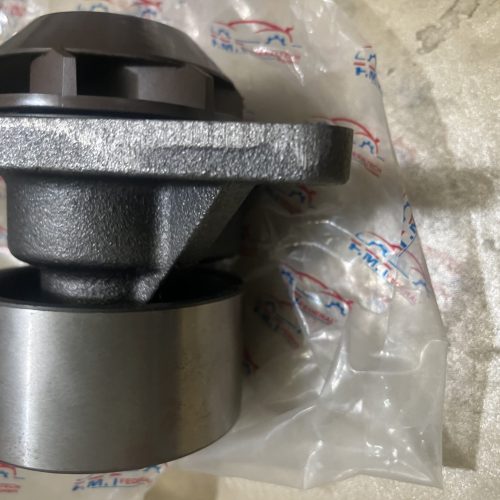
The truck engine water pump is a key component of the heavy-duty truck cooling system, responsible for circulating coolant through the engine, radiator, and other cooling parts in a continuous cycle.
A faulty water pump can quickly cause engine overheating and serious, irreversible damage to critical engine components.
Our high-quality truck engine water pumps are engineered for durability and stable performance to avoid such costly issues.
Heavy-duty trucks often operate under high loads, long-distance routes, and harsh environmental conditions, which cause their engines to generate massive amounts of heat during operation.
The water pump plays a vital role in carrying this excess heat away from the engine, ensuring it maintains a stable, optimal operating temperature—typically between 80°C and 95°C.
This stable temperature is essential for engine efficiency, fuel economy, and overall service life.
The pump works by drawing coolant from the bottom of the radiator and pushing it through the engine’s water jackets—hollow passages surrounding the cylinders, combustion chambers, and other high-heat components.
As the coolant flows through these passages, it absorbs heat from the engine parts, preventing overheating.
After absorbing heat, the hot coolant returns to the radiator, where it releases heat into the surrounding air through the radiator fins.
This continuous cycle is critical for preventing engine damage such as warped cylinder heads, blown head gaskets, or complete engine seizure.
Our high-quality water pumps maintain stable coolant flow even in extreme operating conditions—including hot weather, mountainous driving, and heavy-load operations—thanks to precision-machined impellers that improve water flow efficiency and reduce energy consumption.
Additionally, the water pump’s bearing and seal work together seamlessly to prevent coolant leaks and ensure smooth rotation of the pump shaft; the seal is specially designed to resist high temperatures and pressure, avoiding coolant loss that could lead to overheating.
2. Common Failures of Truck Engine Water Pump
Truck engine water pumps operate in extremely harsh conditions—exposed to high temperatures, constant engine vibration, and direct contact with coolant.
These factors make them prone to wear and failure over time. Spotting failure signs early is key to avoiding engine overheating, costly repairs, and unplanned downtime.
For heavy-duty truck fleets, water pump failures can disrupt delivery schedules, lead to significant economic losses, and damage the fleet’s reputation.
Unlike oil pumps (unrelated to this product), water pump failures are directly related to coolant circulation and sealing, with unique signs and causes that require targeted attention.
2.1 Coolant Leakage
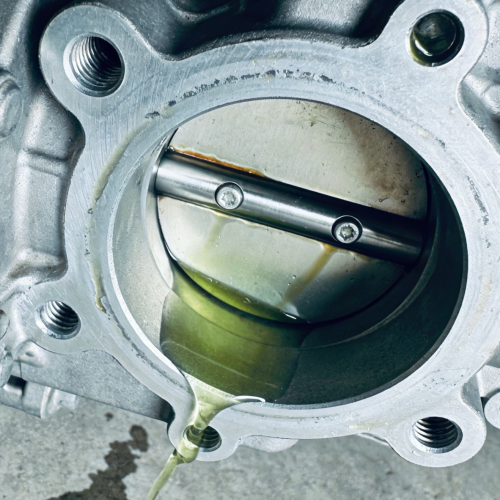
Coolant leakage is the most common water pump failure, often caused by worn seals, damaged gaskets, cracked pump housings, or loose connections.
Leaks typically occur at the pump shaft seal (the most vulnerable point), mounting gasket, or other joint connections.
Common signs of leakage include visible coolant stains under the front of the engine (where the water pump is usually located), slowly dropping coolant levels in the reservoir, and sweet-smelling vapor from the engine bay during operation (a sign of boiling coolant).
Unfixed leaks reduce the overall coolant volume, leading to poor heat dissipation and eventual engine overheating.
In severe cases, the engine may seize, requiring expensive repairs or even complete engine replacement.
Our truck engine water pumps feature high-temperature resistant seals and durable gaskets to prevent leaks, ensuring long-term reliable operation.
The water pump’s bearing supports the pump shaft and ensures smooth, friction-free rotation.
Over time, high temperatures, constant engine vibration, and coolant contamination (from dirt or old coolant) wear down the bearing, leading to rust, corrosion, seizure, or complete failure.
Signs of bearing failure include unusual noises—such as grinding, squealing, or humming—coming from the front of the engine, which are more noticeable when starting the engine or under heavy load.
Additionally, a hot bearing after engine operation is a clear indicator of wear.
Bearing failure signs include unusual noises (grinding, squealing, humming) from the front of the engine—more noticeable when starting the engine or under load—and a hot bearing after engine operation.
High-quality bearings are critical for extending the water pump’s overall service life. Worn bearings not only affect pump performance but can also damage the pump shaft and impeller, leading to more extensive and costly repairs.
Our water pumps are equipped with premium bearings that resist high temperatures and vibration, ensuring stable operation even in harsh conditions. Learn more about our bearing quality on our quality control page.
2.3 Impeller Damage
The impeller is the core component of the water pump that drives coolant circulation.
It can be damaged by corrosion (from old or low-quality coolant), cavitation (bubbles in the coolant that burst and cause erosion), or foreign objects (such as debris or sediment) in the cooling system.
Damaged impellers—with cracked, worn, or broken blades—reduce coolant flow efficiency, leading to uneven engine temperatures and overheating.
Keeping the cooling system clean is key to preventing impeller damage from debris or sediment.
Regular coolant replacement and radiator flushing help remove contaminants that can harm the impeller.
Our water pumps feature precision-machined impellers made of high-strength alloy materials, resistant to corrosion and cavitation, ensuring long-term reliable coolant circulation.
3. Effective Maintenance Tips for Truck Engine Water Pump
Proper maintenance is the most cost-effective way to extend the water pump’s service life, prevent failures, and avoid costly engine damage.
Fleet managers and mechanics can follow these practical, actionable tips to keep the water pump in optimal condition.
3.1 Use High-Quality Coolant
Always use coolant that meets the truck manufacturer’s specifications.
Heavy-duty truck engines require coolant with anti-corrosion, anti-freeze, and anti-cavitation properties to protect the water pump, radiator, and other cooling system components.
Do not mix different types of coolant, as this can cause chemical reactions that damage the pump’s seal, bearing, and impeller, leading to premature failure.
Replace coolant regularly according to the manufacturer’s recommended interval—usually every 2 years or 30,000 miles for heavy-duty trucks.
Old or contaminated coolant loses its protective properties, accelerating corrosion and wear of the water pump and cooling system. For high-quality coolant compatible with your truck, visit our truck engine coolant product page.
3.2 Regularly Inspect for Leaks
Incorporate water pump leak inspections into routine maintenance, especially after long trips or heavy-load operations.
Wipe the pump housing, seal, and mounting points with a clean cloth to check for wetness, stains, or coolant residue.
Pay close attention to the pump shaft seal—the most common leak point. If leaks are found, replace the worn seal or gasket immediately to avoid coolant loss and overheating.
Check the coolant level at least once a week. Top it up with the correct coolant if needed. A sudden drop in coolant level may indicate a hidden leak that requires immediate attention to prevent engine damage.
3.3 Inspect Bearing and Impeller
During routine engine maintenance, listen for unusual noises from the front of the engine (indicative of bearing wear) and check the water pump bearing for overheating.
If you hear grinding, squealing, or feel excessive heat from the bearing, it needs to be replaced promptly.
If the water pump is disassembled during other maintenance work, inspect the impeller for cracks, wear, or corrosion to detect potential damage early.
Ensure the impeller rotates smoothly without obstructions. Keeping the cooling system clean—by flushing the radiator regularly—prevents impeller damage from foreign objects or sediment buildup.
Why Choose Our Truck Engine Water Pump
As a professional truck parts exporter with years of experience, we understand that reliable water pumps are vital for heavy-duty truck fleets.
Our truck engine water pumps are designed and manufactured to meet the highest industry standards, ensuring long service life, stable performance, and resistance to harsh operating conditions.
Our water pumps are made of high-strength alloy materials, with precision-machined impellers that improve coolant flow efficiency and high-temperature-resistant seals that prevent leaks.
Each water pump undergoes strict quality testing, including leakage testing, bearing wear testing, and coolant flow testing, to ensure it can withstand the demands of heavy-duty truck operation.
For urgent replacements, contact our sales team for fast international shipping to minimize fleet downtime.
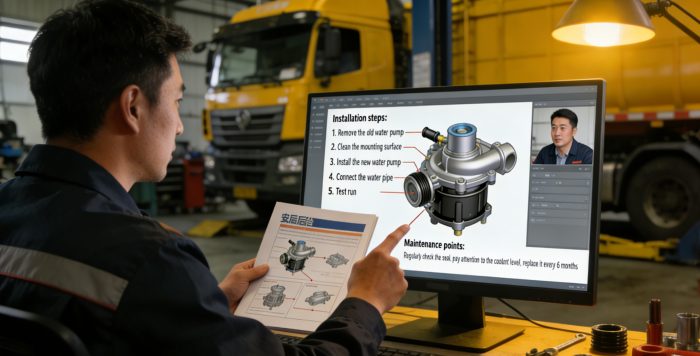
We also provide comprehensive after-sales service, including technical support, installation guidance, and warranty coverage, to ensure customer satisfaction.
If you have any questions or cooperation needs or need help matching the right water pump for your truck model, visit our truck parts matching system or contact us directly.
🔧 1. How Truck Water Pump Failure Develops
Truck water pump failure rarely happens suddenly. In most cases, it is a gradual process caused by mechanical wear, coolant degradation, and long-term thermal stress inside the cooling system.At the early stage, the bearing inside the water pump begins to experience increased friction due to continuous rotation under high temperature. As lubrication inside the bearing structure degrades over time, resistance increases, leading to vibration and slight efficiency loss in coolant circulation.
At the same time, the sealing system starts to weaken. Small amounts of coolant leakage may occur around the shaft seal or gasket area, which gradually reduces system pressure. Once coolant circulation becomes unstable, engine temperature begins to fluctuate abnormally.If this condition continues without intervention, the impeller efficiency drops and the pump can no longer maintain stable coolant flow, eventually leading to engine overheating and severe engine damage.
🔍 2. Diagnostic Signs & Inspection Process
In practical maintenance environments, diagnosing a failing water pump is not based on a single symptom but on a combination of mechanical and thermal indicators.One of the earliest signs is abnormal noise from the front engine area, often caused by bearing wear inside the pump. This noise may become more noticeable when the engine is under load or during cold starts.
Technicians also check for coolant level instability, as gradual coolant loss is often linked to seal degradation. In some cases, small leaks may not be visible externally but can still affect system pressure.
Another important diagnostic method is temperature monitoring. If the engine shows inconsistent cooling performance or sudden temperature spikes, it may indicate reduced pump efficiency or partial impeller failure.In advanced inspection cases, belt tension and pulley alignment are also checked, since misalignment can accelerate water pump bearing wear and shorten service life.
💰 3. Cost Impact on Fleet Operations
Although a water pump is a relatively small component, its failure can lead to significant operational costs for fleet operators.When the water pump fails, the engine loses its ability to regulate temperature, which can quickly lead to overheating. This may result in cylinder head damage, gasket failure, or even complete engine seizure in severe cases.
For commercial fleets, the impact goes beyond repair costs. Vehicle downtime directly affects delivery schedules, logistics efficiency, and operational profitability. In high-utilization fleets, even a short downtime period can result in significant financial loss.Because of this, water pump maintenance is not only a technical requirement but also a cost control strategy in fleet management.
❓ 4. FAQ
What are the early signs of a failing truck water pump?
Early signs of water pump failure usually include subtle changes in engine cooling performance. Drivers may notice slight temperature fluctuations, especially during heavy load or long-distance driving. As the internal bearing begins to wear, unusual noises such as whining or grinding may appear from the front of the engine. In some cases, coolant levels may drop gradually due to minor seal leakage that is not immediately visible. These early symptoms are often ignored but represent the beginning stage of pump degradation.
What causes a truck water pump to fail?
Truck water pump failure is typically caused by a combination of mechanical wear and cooling system conditions. Continuous high-speed rotation leads to bearing fatigue over time, while exposure to high temperatures accelerates seal degradation. In addition, poor coolant quality or contaminated coolant can damage internal components, reducing efficiency. Belt misalignment or excessive tension can also place additional stress on the pump shaft, further shortening its lifespan.
Can a bad water pump damage the engine?
Yes, a failing water pump can cause serious engine damage if not addressed in time. Since the pump is responsible for circulating coolant throughout the engine, any reduction in performance can lead to overheating. Prolonged overheating may result in warped cylinder heads, damaged head gaskets, or even complete engine failure. This is why early detection and replacement are critical in preventing major repair costs.
How often should a truck water pump be replaced?
There is no fixed replacement interval, as water pump lifespan depends heavily on operating conditions. In general, pumps may last between 60,000 and 100,000 miles under normal usage. However, in heavy-duty or high-temperature environments, the lifespan may be significantly shorter. Many fleet operators choose to replace the water pump preventively during major engine maintenance to reduce the risk of unexpected failure.
What happens if a water pump fails while driving?
If a water pump fails while driving, coolant circulation stops immediately. This leads to rapid engine temperature increase, often within minutes. If the vehicle continues operating under these conditions, severe overheating can occur, potentially causing engine seizure or irreversible internal damage. In such situations, it is recommended to stop the vehicle immediately and shut off the engine to prevent further damage.