Connecting Rod Bearing: Problems, Causes & Solutions
The connecting rod bearing is a critical, high-wear component in truck engines, serving as the vital link between the connecting rod and crankshaft. It carries extreme heavy loads during engine operation, endures constant rotational friction, and plays three core roles: reducing friction between moving parts, absorbing the impact generated by combustion, and maintaining stable crankshaft rotation. Without a fully functional connecting rod bearing, even the most powerful truck engines will struggle to operate smoothly, and prolonged use can lead to irreversible engine damage.
High-performance connecting rod bearings are non-negotiable for smooth, safe, and efficient engine operation. They act as the “buffer” between the crankshaft and connecting rod, ensuring that the engine’s power is transmitted evenly while protecting both components from excessive wear. For global fleets—whether operating long-haul routes, construction sites, or urban delivery services—connecting rod bearing failure is a major concern. These fleets often run continuously for hours, carry heavy cargo loads, and operate in harsh environments (from high-temperature deserts to cold mountainous areas), all of which put extra stress on the connecting rod bearings and increase the risk of failure.
Worn, cracked, spalled, or seized connecting rod bearings can trigger a chain of costly problems for fleets. For example, they may cause abnormal engine noise (such as knocking or rattling sounds), reduced power output, increased fuel consumption, and engine overheating. In the worst-case scenarios, bearing failure can result in catastrophic engine damage—including broken connecting rods, damaged cylinder blocks, or even complete engine seizure. These issues not only lead to high repair costs (often in the thousands of dollars) but also cause long unplanned downtime, delayed deliveries, and direct transport losses that impact a fleet’s bottom line.
We are a professional Chinese truck parts supplier and exporter with years of experience in manufacturing high-quality engine components. We specialize in producing durable, high-performance connecting rod bearings that meet or exceed international standards, including OEM specifications for most major truck models. Additionally, our bearings are engineered to perform reliably in various daily working environments—from scorching high-temperature regions in the Middle East to frigid cold areas in Northern Europe—thus suiting trucks and fleets worldwide. To explore our full range of connecting rod bearings, you can visit ourproduct page.
This article breaks down the most common connecting rod bearing problems, their root causes, and practical, actionable solutions. These insights are tailored for fleet managers, drivers, and technicians, helping them identify potential issues early, prevent bearing failures, and cut long-term maintenance costs.
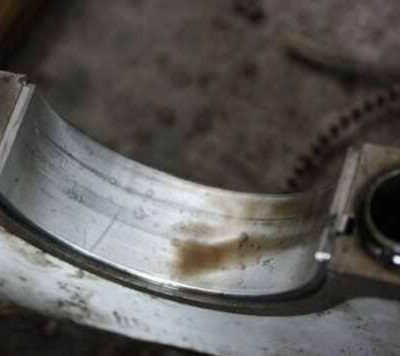
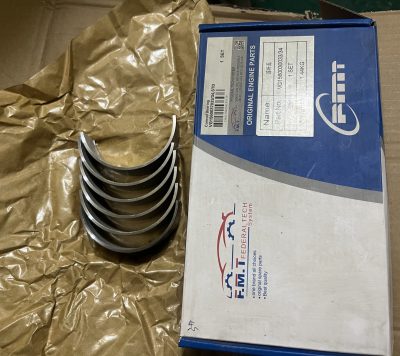
Worn vs new connecting rod bearing comparison
Common Connecting Rod Bearing Challenges & Their Root Causes
Connecting rod bearings operate in a harsh, high-stress environment inside the engine, exposed to extreme temperatures, high pressure, and constant friction. As a result, they are prone to several common issues that can escalate quickly if not addressed. Below are the three most prevalent connecting rod bearing problems faced by global fleets, along with their detailed root causes, to help you diagnose and resolve issues before they lead to engine failure.
1. Bearing Wear and Scoring
Wear and scoring are the most common issues affecting connecting rod bearings in truck engines, accounting for nearly 60% of all bearing-related failures. These problems typically occur due to a combination of factors, including insufficient lubrication, degraded or contaminated engine oil, poor-quality oil filters, long-term overloading, or irregular maintenance schedules. Unlike other bearing issues, wear and scoring often develop gradually, giving fleet managers time to detect and address them if they conduct regular inspections.
Dust, sand, and metal particles (from normal engine wear) often enter the lubrication system through air intake or worn components. These tiny impurities circulate with the engine oil and eventually reach the connecting rod bearings, where they scratch the bearing’s soft surface. Over time, these small scratches gradually deepen and widen, damaging the protective oil film that separates the bearing from the crankshaft. Once the oil film is compromised, metal-to-metal contact occurs, which drastically speeds up bearing deterioration and can cause further damage to the crankshaft journal. To avoid such contamination and extend bearing life, it’s recommended to use high-quality oil filters that match your truck model and effectively trap impurities. For a selection of compatible oil filters, visit our oil filter product page.
2. Bearing Fatigue and Spalling
Constant high pressure and repeated impact from engine combustion can cause metal fatigue in the connecting rod bearing materials over time. This fatigue eventually leads to spalling—a process where small pieces of the bearing’s alloy surface peel off the steel backing, leaving rough, uneven areas on the bearing. Spalling is a serious issue because it disrupts the bearing’s ability to maintain a stable oil film and distribute loads evenly, leading to further damage and eventual failure.
Common causes of bearing fatigue and spalling include low-quality bearings (made with inferior alloys or poor manufacturing processes), consistent overloading of the truck (exceeding the engine’s weight capacity), unstable engine operation (such as frequent start-stop cycles or idling for long periods), high engine temperatures, and improper installation. When spalling occurs, it causes unstable oil pressure, increased engine vibration, and abnormal noise—all early warning signs that the bearing is failing. Therefore, choosing high-quality, fatigue-resistant bearings is essential for fleet reliability. Our connecting rod bearings are strictly tested under extreme conditions to resist fatigue and spalling effectively, ensuring long service life even in heavy-load operations. To learn more about our testing process, visit ourquality control page.
3. Bearing Seizure
Seizure is the most severe and costly connecting rod bearing failure, often resulting in complete engine shutdown and extensive damage. It occurs when the bearing overheats to the point where it fuses to the crankshaft journal, effectively locking the crankshaft and stopping the engine immediately. This catastrophic failure can happen suddenly, leaving fleets stranded on the road and requiring expensive engine overhaul or replacement.
Typical causes of bearing seizure include sudden drops in oil pressure (due to a damaged oil pump or clogged oil passages), low engine oil levels (from leaks or neglect), clogged oil passages (from sludge buildup or debris), damaged oil pumps, or prolonged severe overloading. Once seizure occurs, the engine cannot be restarted without major repairs, which leads to high costs and long downtime—often days or weeks—for fleets. For urgent replacement parts when seizure occurs, contact our sales team for fast, global delivery. We also offer emergency support to help fleets get back on the road quickly. For more information on emergency parts delivery, visit our support page.
⚙️ 1. How Connecting Rod Bearings Work (Engineering Mechanism)
The connecting rod bearing does not directly support metal-to-metal contact. Instead, it relies on a thin oil film generated by the engine lubrication system. This oil film acts as a protective cushion between the crankshaft and the bearing surface.
During engine operation, combustion force is transferred from the piston to the crankshaft through the connecting rod. This creates extremely high alternating loads on the bearing surface. The stability of the oil film determines whether the bearing operates smoothly or begins to wear.
If oil pressure drops, viscosity degrades, or contaminants enter the lubrication system, the protective film breaks down. Once metal contact begins, wear accelerates rapidly and irreversible damage can occur within a very short time.
⚠️ 2. Symptoms of Connecting Rod Bearing Failure
Rod bearing problems rarely appear suddenly. In most cases, the engine begins to show early warning signs before catastrophic failure occurs.One of the earliest symptoms is abnormal engine knocking noise, especially during cold starts or under acceleration load. This noise is caused by increased clearance between the bearing and crankshaft journal.
As the condition worsens, oil pressure may drop slightly, and engine performance may become unstable. Drivers may also notice increased vibration or a metallic sound coming from the lower engine block.In severe cases, the engine may experience loss of power, overheating, or even sudden seizure if the bearing completely fails.
🔍 3. Causes of Rod Bearing Damage (Failure Mechanism)
Rod bearing failure is rarely caused by a single factor. Instead, it is usually the result of multiple interacting issues over time.One of the most common causes is insufficient lubrication, which may result from low oil levels, oil pump wear, or blocked oil passages. When oil supply becomes unstable, the protective oil film collapses.
Another major cause is oil contamination. Dirt, metal particles, or degraded oil can act as abrasives inside the bearing surface, gradually increasing wear and reducing clearance accuracy.
Engine overheating also plays a significant role. High temperatures reduce oil viscosity, making it harder for the lubrication film to remain stable under load. Over time, this leads to accelerated bearing surface fatigue.In high-mileage engines, natural wear and repeated load cycles also contribute to gradual clearance expansion and loss of precision.
🔧 4. Diagnosis and Inspection Process
In professional maintenance environments, diagnosing rod bearing issues requires both mechanical inspection and oil system analysis.Technicians typically begin by checking engine oil condition, including color, viscosity, and the presence of metal particles. If metallic debris is found in the oil, it often indicates internal bearing wear.
Next, oil pressure is measured under different engine operating conditions. Abnormal fluctuations or consistently low pressure may suggest bearing clearance issues.In more advanced diagnostics, partial engine disassembly may be required to physically inspect bearing surfaces for scoring, discoloration, or material fatigue.
Early detection is extremely important because rod bearing damage can quickly escalate to crankshaft failure if ignored.
🛠️ 5. Repair Solutions and Replacement Strategy
Once rod bearing damage is confirmed, the primary solution is replacement. However, replacing only the bearing without addressing root causes may lead to repeated failure.A proper repair process includes not only replacing the bearing but also inspecting the crankshaft surface for wear or scoring. If the crankshaft journal is damaged, it must be repaired or re-machined to ensure proper oil film formation.
At the same time, the lubrication system should be thoroughly cleaned to remove metal debris and contaminants. Oil pump performance should also be tested to ensure stable pressure delivery.Using high-quality bearings with proper material hardness and precision machining is essential for long-term durability, especially in heavy-duty diesel engines.
📈 6. Prevention and Maintenance Strategy
Preventing rod bearing failure is far more cost-effective than repairing engine damage.Regular oil changes using correct viscosity grade oil is the most important preventive measure. Clean oil ensures stable lubrication film formation under high load conditions.
Monitoring oil pressure and engine temperature during operation also helps detect early anomalies before serious damage occurs.For fleet operations, structured maintenance schedules based on mileage, load intensity, and operating environment significantly reduce the risk of bearing failure.
💰 7. Cost Impact on Engine and Fleet Operations
Rod bearing failure is one of the most expensive engine-related problems because it often leads to secondary damage.If ignored, it can cause crankshaft damage, connecting rod deformation, and in severe cases, complete engine failure requiring overhaul or replacement.
For fleet operators, even a single engine failure can lead to high downtime costs, missed delivery schedules, and increased operational pressure.Therefore, early diagnosis and preventive maintenance are critical not only for engine health but also for overall fleet profitability.
Practical Maintenance & Solutions for Connecting Rod Bearings
Preventing connecting rod bearing failure is far more cost-effective than repairing or replacing a damaged engine. By combining high-quality parts, regular maintenance, proper installation, and early warning monitoring, fleet managers can significantly extend the life of their connecting rod bearings and avoid costly downtime. Below are actionable solutions tailored to global fleets, regardless of their operating environment.
1. Use High-Quality, OEM-Grade Connecting Rod Bearings
Reliable engine operation starts with quality parts, and connecting rod bearings are no exception. Cheap, low-grade bearings may cut short-term costs, but they are made with inferior materials and imprecise manufacturing processes—significantly raising the risk of sudden failure, premature wear, and spalling. Investing in high-quality, OEM-grade connecting rod bearings is a long-term investment that reduces maintenance costs and minimizes downtime.
Our connecting rod bearings use high-grade alloys (including copper-lead and aluminum-tin alloys) and are manufactured with precision processing techniques to ensure perfect fit and performance. They also have excellent wear resistance, fatigue resistance, and thermal stability, meeting or exceeding OEM standards for most truck engines (including Shacman, Sinotruk, and other major brands). Find the right bearing for your truck model on our OEM-grade product page or contact us for customized solutions tailored to your fleet’s specific needs.
2. Strictly Follow Regular Oil and Filter Replacement
Clean, high-quality engine oil is the best protection for connecting rod bearings, as it forms a protective film that reduces friction and prevents metal-to-metal contact. Therefore, fleets should stick to a strict maintenance schedule for oil and filter replacement, tailored to their operating environment.
Be sure to change engine oil at the manufacturer’s recommended intervals (typically every 10,000–15,000 kilometers for most fleets, or more frequently for fleets operating in dusty or high-temperature environments). Use the right viscosity oil for your climate—thicker oil for high temperatures and thinner oil for cold regions—to ensure optimal lubrication. Additionally, replace oil filters on time to trap impurities and prevent them from circulating in the lubrication system. Regular maintenance not only prevents contamination but also maintains stable oil pressure, which extends the life of both the bearings and the engine. You can get full maintenance parts (including oil filters and engine oil) by contacting our sales team, ensuring you have everything you need to keep your fleet’s engines protected.
3. Ensure Correct Installation and Alignment
Improper installation is a common but avoidable cause of early connecting rod bearing failure. Even the highest-quality bearing will fail prematurely if it is not installed correctly. During assembly, technicians should position the bearing correctly in the connecting rod, follow manufacturer torque standards for fasteners, and check the crankshaft journal clearance to ensure it is within the recommended range.
Professional installation ensures even stress distribution across the bearing, prevents abnormal wear, and boosts overall durability. If you need installation guidance or have questions about proper alignment, contact our technical team for detailed instructions and support. We also provide installation videos and manuals to help technicians ensure correct fitting, reducing the risk of installation-related failures.
4. Monitor Early Warning Signs and Act Quickly
Abnormal engine noise (such as knocking, rattling, or grinding sounds when the engine is running), increased vibration, reduced power output, low oil pressure warnings, and engine overheating are all early signs of possible connecting rod bearing damage. These signs should never be ignored, as they indicate that the bearing is already deteriorating and at risk of failure.
Catching these signs early and replacing worn bearings promptly is key to avoiding catastrophic engine failure. This not only saves significant repair costs but also minimizes downtime for your fleet. Our high-quality connecting rod bearings are easy to replace and come with detailed installation instructions, making the replacement process quick and efficient. You can download these instructions by contacting our team, ensuring your technicians have the guidance they need to complete the job correctly.
Technician inspecting engine bearings and oil system
Why Our Connecting Rod Bearings Stand Out for Global Fleets
With years of experience in the truck parts industry, we’ve built a complete supply chain system that covers material selection, precision production, strict quality control, and global logistics. Our connecting rod bearings are widely used by global fleets—from small local fleets to large international logistics companies—because they are known for stable performance, durability, and competitive pricing.
Designed for universal daily use, our connecting rod bearings work reliably in diverse operating environments—high-temperature deserts, dusty construction sites, heavy-load long-haul routes, and cold mountainous areas alike. This versatility makes them suitable for most truck operations worldwide. Additionally, we provide stable supply (with large stock available), fast global delivery (to major ports and regions), and professional after-sales support—including technical guidance, maintenance tips, and replacement assistance—to help customers reduce breakdowns, cut maintenance costs, and improve fleet efficiency.
To learn more about our connecting rod bearings and how to solve your fleet’s bearing problems, visit our official website or contact our sales team today. We’re committed to helping you protect your engines and keep your fleet running smoothly.
❓ Frequently Asked Questions (FAQ)
What happens when a connecting rod bearing fails?
When a connecting rod bearing fails, the lubrication film between the crankshaft and bearing surface is completely disrupted. Under normal conditions, engine oil forms a thin but stable hydrodynamic layer that prevents direct metal contact. However, once this layer breaks down due to oil starvation, contamination, or overheating, the crankshaft begins to make direct contact with the bearing surface.
This metal-to-metal contact generates extreme friction and heat within a very short time. As the temperature rises, the bearing material starts to degrade and lose its structural integrity. In many cases, this leads to rapid wear, scoring on the crankshaft journal, and eventual seizure of the rotating assembly.
If the engine continues running under these conditions, the damage spreads quickly to adjacent components such as the connecting rod and crankshaft, often resulting in complete engine failure that requires a full rebuild.
What are the early warning signs of rod bearing problems?
Rod bearing failure typically develops gradually, and early detection is possible if engine behavior is carefully observed. One of the earliest indicators is a deep knocking sound coming from the lower part of the engine, especially during cold starts or acceleration. This noise is caused by increased clearance between the bearing and crankshaft, which allows slight impact during rotation.
As wear progresses, oil pressure may begin to fluctuate or drop slightly under load conditions. This happens because excessive clearance reduces the system’s ability to maintain stable hydraulic pressure inside the lubrication circuit.
Drivers may also notice increased vibration, reduced engine smoothness, or a subtle loss of power output. These symptoms often appear before any visible warning light is triggered, making them important indicators for preventive maintenance.
Why does lubrication failure cause connecting rod bearing damage?
Lubrication failure is one of the primary causes of rod bearing damage because the entire bearing system depends on a stable oil film to prevent direct contact between metal surfaces. When oil supply is insufficient due to low oil level, pump inefficiency, or blocked oil channels, this protective film becomes unstable.
Once the oil film breaks down, friction increases dramatically within the bearing interface. This leads to localized overheating, which further reduces oil viscosity and accelerates the failure cycle. As a result, the bearing surface begins to wear unevenly, creating scoring and material fatigue.
Over time, even minor lubrication inconsistencies can accumulate into serious damage, especially in heavy-duty diesel engines that operate under continuous high-load conditions.
Can contaminated engine oil damage rod bearings?
Yes, contaminated engine oil is one of the most destructive factors for rod bearings. When oil contains metal particles, dust, or combustion residues, these contaminants circulate through the lubrication system and act as abrasive materials inside the bearing surface.
Instead of providing smooth hydrodynamic protection, contaminated oil increases mechanical wear by scratching and eroding the bearing layer. This process gradually enlarges the clearance between the crankshaft and bearing, reducing oil pressure stability.
In severe cases, contamination can accelerate bearing failure even if oil levels are sufficient. This is why regular oil changes and filtration system maintenance are essential in diesel engine operation, particularly for fleet vehicles operating in harsh environments.
How serious is rod bearing failure in diesel engines?
Rod bearing failure is considered one of the most serious internal engine problems because it directly affects the crankshaft system, which is the core of engine power transmission. Once bearing damage begins, it does not remain isolated—it quickly affects the geometry and balance of the entire rotating assembly.
If not addressed immediately, continued operation can cause crankshaft scoring, connecting rod deformation, and excessive engine vibration. In extreme cases, the engine may seize completely while running, leading to sudden breakdown and potential secondary damage to surrounding components.
For fleet operators, this type of failure is particularly costly because it often requires full engine overhaul rather than simple part replacement.
What is the best way to prevent connecting rod bearing failure?
Preventing rod bearing failure requires maintaining stable lubrication conditions throughout the engine’s operating life. The most important factor is consistent oil quality, including correct viscosity grade and regular replacement intervals. Clean oil ensures that a stable lubrication film can form under varying load conditions.
Equally important is maintaining proper engine temperature, as overheating reduces oil viscosity and weakens its protective ability. Monitoring oil pressure during operation also helps detect early system abnormalities before serious damage occurs.
In professional fleet management, preventive maintenance schedules are designed based not only on mileage but also on load intensity, driving conditions, and engine operating environment. This approach significantly reduces the risk of unexpected bearing failure and extends engine lifespan.
Why is rod bearing repair so expensive?
Rod bearing repair becomes expensive not because of the bearing itself, but because of the secondary damage it often causes. Once bearing failure occurs, the crankshaft surface is usually affected, requiring machining or complete replacement depending on severity.
In many cases, metal debris from failed bearings circulates through the engine oil system, contaminating other critical components such as oil pumps, camshafts, and cylinder surfaces. This increases repair complexity significantly.
Additionally, labor costs for engine disassembly and reassembly are high, especially for heavy-duty diesel engines. As a result, a relatively small component failure can escalate into a major engine overhaul project with substantial downtime and cost impact.