Truck Oil Seals: Maintenance & Genuine Parts Guide
If you work with heavy-duty trucks, you know truck oil seals are easy to overlook—but they’re total workhorses.
Our company has been in this industry for over 15 years, and I’ve fixed countless trucks where a faulty oil seal led to big, costly problems.
After 15 years in this game myself, plus our company’s decades of experience, I’m breaking down everything you need to know about truck oil seals—no jargon, just real, hands-on advice that’ll save you time and headaches.
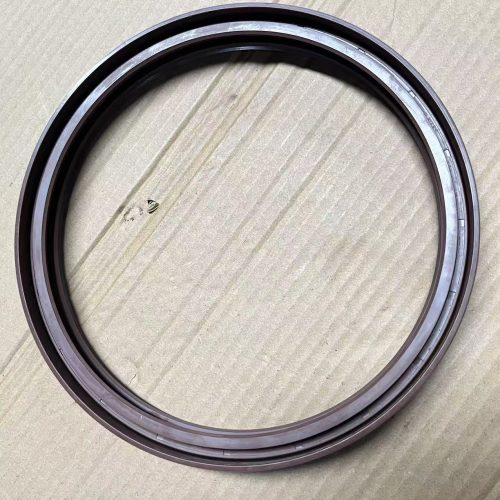
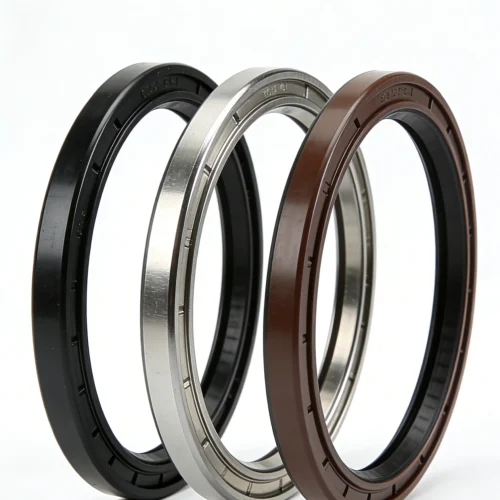
Genuine Truck Oil Seals
Key Things to Know About Truck Oil Seals
1. What Do Truck Oil Seals Actually Do?
Let me break this down simply—truck oil seals are tiny, but they do some serious work. Their whole job is to keep oil inside your truck’s parts, like the engine, transmission, and axle, and keep all the dirt, dust, and gunk out.
Skip out on good seals, and oil leaks pop up quick—those leaks? They’ll wreck expensive parts before you know it.
Just last month, I had a client come in with a truck that was leaking oil everywhere. They were convinced it was a big engine problem—panicking about the cost.
It turns out it was just one worn-out truck oil seal causing all the trouble. Replacing it was less than $50, but if they’d kept ignoring it? They would’ve ended up needing a new transmission, and that’s thousands of dollars gone—total waste, if you ask me.
2. Common Types of Truck Oil Seals for Heavy-Duty Vehicles
Not all truck oil seals are the same, and picking the wrong one is a common mistake I see.
The main types are crankshaft seals, camshaft seals, and axle seals—each made for a specific part of the truck. For heavy-duty trucks, you need seals that can handle high pressure and extreme temperatures; cheap ones won’t hold up.
I always recommend matching the truck oil seal to your truck’s make and model.
Generic seals might fit, but they’ll wear out 3x faster. Trust me, I’ve seen it happen—clients try to cut corners, and they end up replacing seals every few months.
Spotting a bad truck oil seal early can save you a ton of trouble. The first sign is usually an oil leak—look for dark spots under your truck, especially near the engine or axle.
Another red flag is a burning oil smell; if you smell oil while driving, check your seals right away.
Also, pay attention to unusual noises. A worn truck oil seal can cause a squeaking or grinding sound, especially when the truck is idling.
I had a client who ignored that noise for weeks—turns out, the seal had worn down so much that dirt got into the axle, causing permanent damage.
Pro tip: Check your truck oil seals every 15,000 km. It only takes 5 minutes, and it’s way cheaper than fixing the damage from a leak. You can find a simple inspection checklist here.
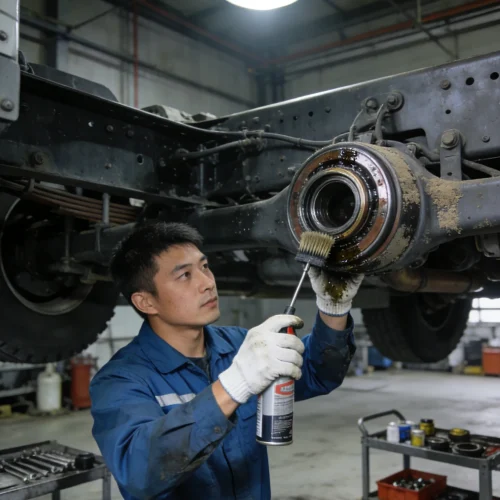
Truck Oil Seal Installation Scene
Maintenance Tips for Long-Lasting Truck Oil Seals
Looking after your truck oil seals isn’t rocket science, but it’s easy to slip up.
First off, always use clean oil—dirty oil wears down seals faster than anything else we’ve seen in our 15+ years in the industry.
I’ve had so many clients try to save a few bucks with cheap, low-quality oil, and their seals end up failing in months, not years. Total avoidable headache.
Another thing: don’t crank down too hard on the seals when you’re installing them. So many mechanics make this mistake—over-tightening crushes the seal, and then you’re dealing with leaks right away.
Stick to the torque specs for your truck model; it’s a tiny detail, but trust me, it makes all the difference. We’ve fixed countless seal leaks from this exact mistake over the years.
It breaks down everything simply—from how to install them to how to do regular checks—so you can keep your seals in good shape without any hassle.
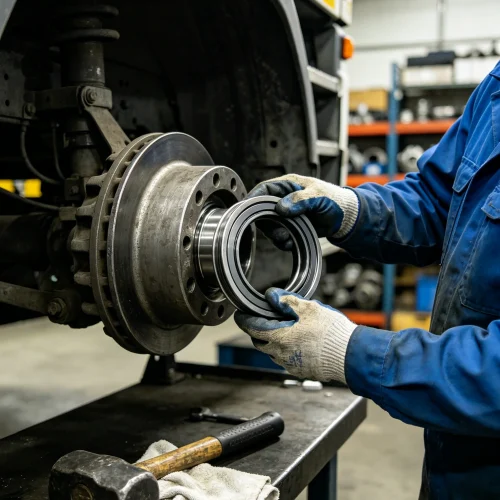
Truck Oil Seal Installation Scene
Why Genuine Truck Oil Seals Are Worth the Investment
Look, I get it—genuine truck oil seals cost a bit more at first. But I swear, they’re worth every cent. Those cheap aftermarket seals?
Yeah, they might save you $20 upfront, but they wear out in no time, start leaking oil, and end up messing up other parts of your truck.
Just last quarter, I had a client who went with a generic seal to cut costs. It failed in two months flat, and they had to replace their entire differential—over $1,000 down the drain.Total avoidable mistake.
Genuine truck oil seals? They fit your truck like a glove, and they’re built to handle the beating heavy-duty trucks take every day.
They last two to three times longer than those generic ones, so you’ll actually save money over time.
We’ve seen it all—genuine parts don’t just last longer; they keep you from dealing with costly breakdowns and downtime. Need genuine seals? You can find them from reliable suppliers right here.
Alright, let’s wrap this up—truck oil seals might be small, but they’re make-or-break for your truck’s performance.
Don’t brush them off: check them regularly, stick to genuine parts, and follow the right maintenance steps.
If you’re not sure which seal to pick or how to install it right, don’t overthink it—no need to guess.
Just reach out to a pro for help—they’ll make sure you get the right truck oil seal and install it properly, no hassle. Want more tips on heavy-duty truck parts?
Look, no need to stress over picking the right oil seal or getting it installed—just hit up a pro, plain and simple.
They’ll hook you up with the right one, pop it in correctly, and you won’t have to deal with any fuss. Want more tips on heavy-duty truck parts?
Go check out our parts resource page, heavy-duty truck parts tips page. And if you’ve got an oil leak and have no clue how to fix it?