If you’re a Sinotruk Howo operator or maintainer, you’ve likely asked, “What system is part of the chassis?”
I get this question weekly, and it’s way more common than you’d think. After fixing Howo trucks for 5 years, I’m breaking this down simply—no jargon, just real-world know-how to clear up confusion.
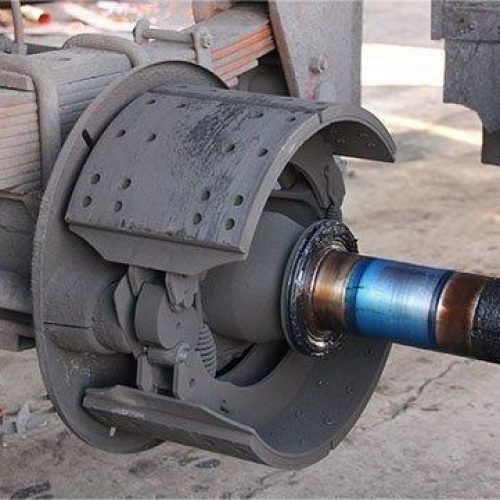
Sinotruk Howo Chassis Braking System Parts
2. Braking System: The Chassis’s Safety Backbone
Another critical system part of the chassis is the braking system. Without it, your Howo is just a heavy metal box with no way to stop—and that’s a huge safety risk.
The chassis’s braking system includes brake calipers, rotors, and brake lines—all Sinotruk Howo chassis parts that work together.
Last winter, a client’s Howo couldn’t stop on icy roads; we found the chassis’s brake lines (a core part of the system) were corroded. Replacing them with genuine parts fixed the issue instantly.
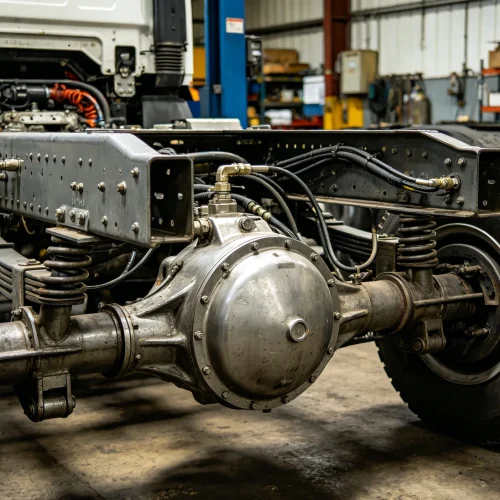
Sinotruk Howo Chassis Braking System Parts
Other Key Systems That Belong to the Howo Chassis
Besides suspension and braking, two more systems are part of the Sinotruk Howo chassis: the steering system and the frame itself.
Many operators mix these up with engine parts, but they’re strictly chassis components.
The steering system—including the steering rack and tie rods—lets you control the truck’s direction, and it’s mounted directly to the chassis frame.
I’ve seen cheap aftermarket steering parts (not genuine Sinotruk Howo Chassis Parts) cause loose steering, which is a disaster waiting to happen on highways.
The chassis frame, meanwhile, is the “backbone” of the truck. It supports the engine, cab, and all other components.
A bent frame (from heavy loads or accidents) ruins the entire chassis’s functionality—something I’ve fixed more times than I can count.
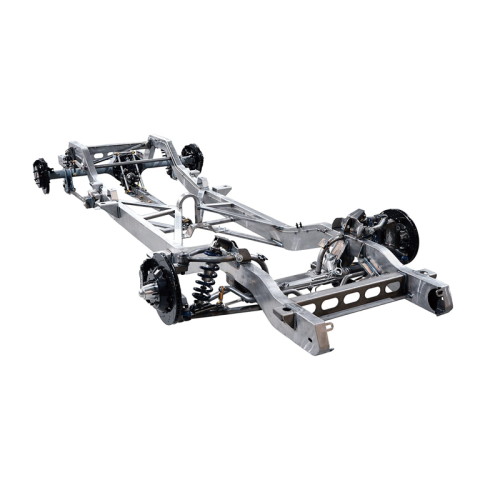
Sinotruk Howo Chassis Frame
Common Mistakes with Sinotruk Howo Chassis Partsd
One of the biggest mistakes I see is mixing up chassis and engine parts. Operators often think the transmission is part of the chassis—but it’s not.
The transmission connects to the engine, while the chassis’s systems support and control the truck’s movement.
Another error is skipping chassis part inspections.
The suspension and braking systems wear down over time, especially if you haul heavy loads.
I recommend checking Sinotruk Howo chassis parts every 25,000 km—small issues (like a loose shock absorber) turn into big, costly repairs fast.
You can learn how to inspect chassis parts properly through the Sinotruk official maintenance guide, which covers step-by-step checks for all key chassis systems.
Practical Maintenance Tips for Howo Chassis Systems
To keep your chassis systems in top shape, start with genuine parts.
Cheap aftermarket Sinotruk Howo chassis parts might save you money upfront, but they wear out quickly and can damage other chassis components—something I’ve seen cost operators hundreds in extra repairs.
Always stick to parts that match your Howo’s model, as ill-fitting parts throw off the entire chassis system.
Next up, don’t forget about lubrication. The chassis has moving parts—things like suspension joints and steering components—and they need regular lube to keep from wearing out too fast.
I always tell operators to use the lubricants that Sinotruk recommends in their manual. Pick the wrong kind, and those parts can seize up on you mid-use. For the exact lubricant specs you need, check the Sinotruk parts and maintenance portal.
Also, don’t brush off small signs of wear. If your suspension squeaks, your steering feels loose, or your brakes wear unevenly—those are all red flags you can’t ignore.
Fixing these little issues early on keeps your chassis in good shape and saves you from bigger, costlier problems later. As for a detailed checklist of chassis wear signs, you can refer to the Sinotruk maintenance checklist.
Final Thoughts on Howo Chassis Systems
To recap, the key systems part of the Sinotruk Howo chassis are the suspension, braking, steering, and frame systems.
These work together to keep your truck stable, safe, and functional—ignoring any of them leads to downtime and costly repairs.
I always tell the guys I work with in heavy-duty truck maintenance, “When you’re picking Sinotruk Howo chassis parts, go for genuine ones first.”
Don’t get tempted by those cheap, no-name parts just to save a little cash upfront. Yeah, they look like a good deal at first, but they break down fast—end up costing you way more in repairs later.
The Sinotruk Howo chassis parts we use every day have to be genuine, and they’ve got to fit your truck’s model right. And honestly? Regular checks and daily upkeep are the only way to keep your chassis running smooth long-term.
That’s not just some generic tip—I’ve learned it the hard way over years of fixing these trucks.
If you’re not sure which chassis parts to pick or how to keep them in good shape, don’t stress about it.
No need to overcomplicate things—just reach out to a pro for technical help. They’ll hook you up with the right parts, walk you through maintenance, and save you the hassle of figuring it out alone.
Trust me, after 15 years fixing these trucks, that’s the best piece of advice I can give.
Still unsure about which chassis parts you need or how to maintain your Howo’s chassis? Don’t hold back—just get in touch with professional technical support.
They’ll help you pick the right parts, steer you clear of common mistakes, and make the whole process way easier.