
Why Fuel Economy Matters More Than Ever for Heavy-Duty Fleets
If you operate a fleet of heavy-duty trucks, you already know that diesel is the single largest variable cost eating into your margins. For operators running Sinotruk HOWO models across Africa, Southeast Asia, and the Middle East, understanding how these vehicles manage energy expenditure is not just academic curiosity — it’s the difference between profit and loss. According to fleet management data compiled in early 2026, fuel accounts for 35–45% of total operating costs for long-haul commercial vehicles.
The good news? HOWO trucks are engineered with multiple systems working in concert to keep sinotruk howo truck fuel consumption within competitive ranges. From the powertrain to the cab design, every component plays a role. Let’s break down exactly how these machines achieve their efficiency targets — and what you can do to push those numbers even lower.
The Engine: Where Efficiency Begins
Common Rail Direct Injection Technology
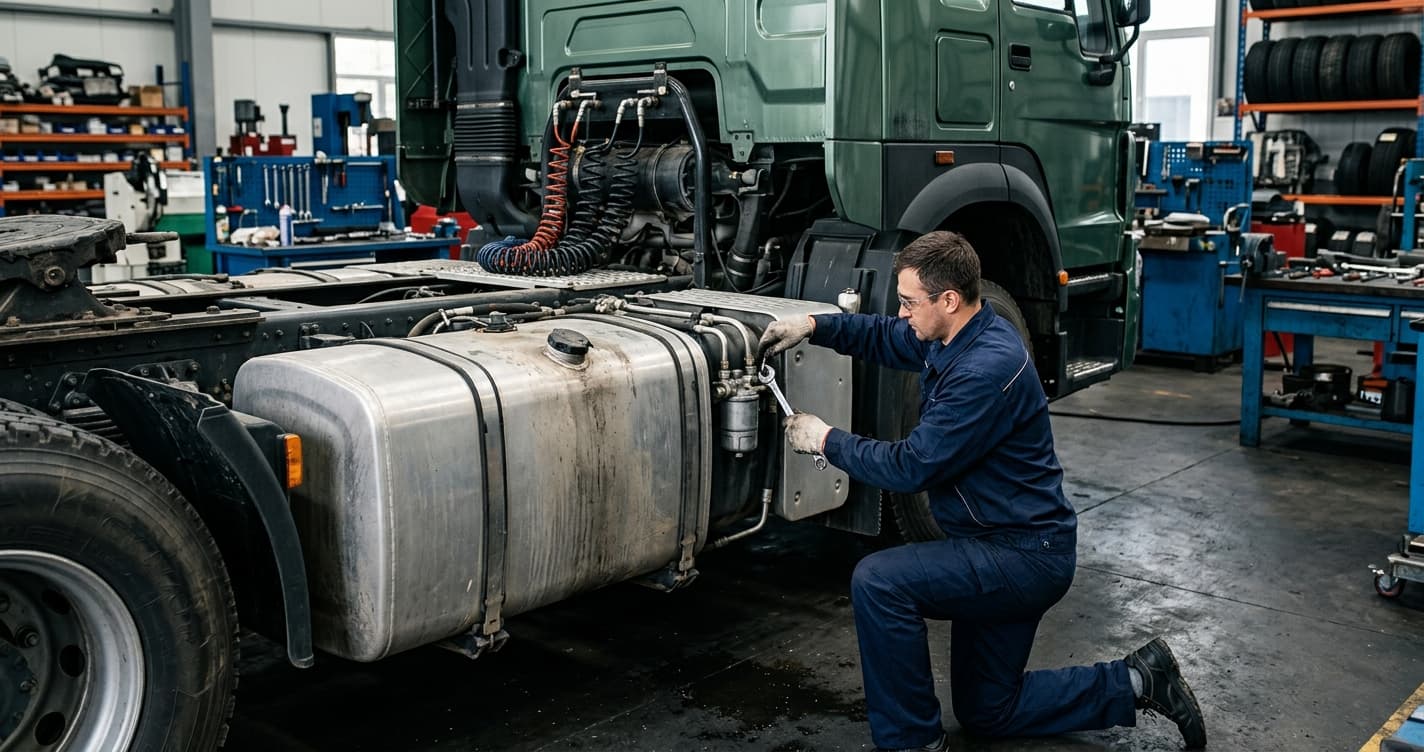
At the heart of every modern HOWO truck sits a high-pressure common rail diesel engine. This system atomizes fuel into microscopic droplets, ensuring more complete combustion and less wasted energy. The MC series engines — particularly the MC11 and MC13 variants — use injection pressures exceeding 1,800 bar, which translates directly into better thermal efficiency.
Think of it like a garden hose versus a pressure washer. The finer the spray, the more surface area contacts oxygen, and the more energy you extract from each drop of diesel. This is fundamental to sinotruk diesel engine performance and explains why these powertrains compete favorably against European counterparts at a fraction of the acquisition cost.
Turbocharging and Intercooling
Every HOWO engine uses a turbocharger paired with an intercooler. The turbo forces more air into the combustion chamber, while the intercooler drops intake temperatures by 40–60°C. Cooler, denser air means more oxygen per cycle, which means more power from less fuel. The result is an engine that breathes efficiently even at altitude or in extreme heat — conditions common in markets where these trucks dominate.
Electronic Engine Management
The ECU (Electronic Control Unit) continuously adjusts injection timing, duration, and pressure based on real-time data from dozens of sensors. This isn’t a static calibration — it’s a dynamic optimization loop that adapts to load, gradient, ambient temperature, and driver input. Fleet managers who invest in proper technical support for ECU diagnostics often discover that minor sensor faults silently degrade efficiency by 5–8%.
Transmission and Drivetrain: Matching Power to Demand
Gear Ratio Optimization
HOWO trucks typically pair with ZF-technology or HW series transmissions offering 9–16 forward gears. More ratios mean the engine spends more time in its peak efficiency band — typically between 1,100 and 1,400 RPM for the MC series. Operating outside this sweet spot wastes energy as heat and noise rather than converting it to forward motion.
For the sinotruk howo 371 fuel consumption per km question that buyers frequently ask: under optimal conditions (flat terrain, 30-tonne GVW, highway speeds), operators report figures between 28–35 liters per 100 km. That range depends heavily on whether the driver keeps the engine in its efficient RPM window.
Rear Axle Ratios and Final Drive
The rear axle ratio acts as a multiplier for the entire drivetrain’s efficiency profile. HOWO offers multiple final drive options — typically ranging from 3.7:1 to 5.92:1. A lower numerical ratio (like 3.7:1) favors highway cruising with reduced engine speed at a given road speed, directly improving heavy-duty vehicle mileage on long-haul routes.
| Model Variant | Engine Power | Typical Axle Ratio | Reported L/100km (Loaded) | Best Application |
|---|---|---|---|---|
| HOWO 371 HP (6×4 Tractor) | 371 HP | 4.11:1 | 28–34 | Long-haul highway |
| HOWO 420 HP (6×4 Tractor) | 420 HP | 3.70:1 | 30–38 | Heavy-load highway |
| HOWO A7 380 HP | 380 HP | 4.38:1 | 32–40 | Mixed route |
| HOWO 6×4 Tipper | 371 HP | 5.92:1 | 38–50 | Construction/off-road |
This table illustrates why application matching matters. A howo 6×4 tipper truck fuel cost per kilometer will always be higher than a highway tractor — the axle ratio, duty cycle, and terrain demand it. Choosing the right configuration for your operation is the first and most impactful decision you’ll make.
Aerodynamics: Fighting the Invisible Wall
At highway speeds, aerodynamic drag accounts for up to 25% of total energy expenditure. HOWO’s newer cab designs — particularly the T-series and TX models — incorporate wind-tunnel-tested profiles with integrated roof fairings, side deflectors, and optimized mirror housings. These aren’t cosmetic additions; they represent measurable reductions in the coefficient of drag.
The cab-to-trailer gap is another critical area. Operators who add gap seals and trailer skirts report 3–6% improvements in diesel fuel efficiency on highway routes. It’s one of the cheapest modifications with the fastest payback period — often under six months for long-haul operations.
Rolling Resistance: Where Rubber Meets Revenue
Tires are the second-largest contributor to energy loss after aerodynamics at cruising speed. HOWO trucks ship with tire specifications optimized for their intended duty cycle, but operators can further improve performance through proper inflation management and tire selection.
Under-inflation by just 10 PSI increases rolling resistance by approximately 1.5%, which compounds across thousands of kilometers. Fleet operators serious about fuel consumption optimization invest in tire pressure monitoring systems (TPMS) — a relatively inexpensive addition that pays for itself within the first quarter of operation.
Driver Behavior: The Human Variable
The 15% Factor
Here’s a truth that no amount of engineering can fully overcome: the person behind the wheel controls 10–15% of total energy usage through their driving style alone. Two drivers in identical trucks on identical routes can produce wildly different consumption figures. Aggressive acceleration, late braking, excessive idling, and poor gear selection all compound into significant waste.
For those seeking sinotruk howo a7 fuel efficiency tips, the fundamentals are universal: anticipate traffic flow, maintain steady speeds, upshift early, and minimize idle time. These habits cost nothing to implement but deliver measurable savings.
Training and Telematics
Progressive fleet operators combine driver training programs with telematics data to identify and correct inefficient behaviors. Modern HOWO trucks equipped with GPS-linked fleet management systems can track instantaneous and average consumption, harsh braking events, and RPM exceedances. This data transforms vague advice into specific, actionable coaching — and the results are documented in numerous cooperative cases across global markets.
Maintenance: The Silent Efficiency Killer
Air Filtration
A clogged air filter restricts airflow to the engine, forcing the ECU to compensate with richer fuel mixtures. In dusty operating environments — common for HOWO trucks in mining and construction — air filters can lose 20% of their flow capacity within weeks. Regular inspection and replacement is non-negotiable for maintaining optimal chinese truck operating costs.
Fuel System Integrity
Injector wear, fuel filter degradation, and contaminated diesel all contribute to poor atomization and incomplete combustion. Operators in regions with variable fuel quality should consider diesel truck fuel additives reviews from reputable sources before selecting cetane boosters or injector cleaners. Quality truck fuel system components make a measurable difference in long-term efficiency.
Cooling System Efficiency
An engine running hotter than designed wastes energy and accelerates wear. Coolant condition, thermostat function, and radiator cleanliness all affect thermal management. These are basic maintenance items, but their cumulative impact on fleet fuel management is substantial — particularly in tropical climates where cooling systems work hardest.

Fuel Management Strategies for Fleet Operators
Route Optimization
GPS-based route planning that accounts for elevation changes, traffic patterns, and road surface quality can reduce per-trip consumption by 5–12%. A slightly longer route with fewer hills and stops often burns less diesel than the shortest path. This is where data-driven fleet management separates professional operations from those bleeding money at the pump.
Load Management
Every additional tonne above optimal payload increases consumption proportionally. Overloading doesn’t just waste fuel — it accelerates tire wear, brake wear, and drivetrain fatigue. Smart operators use a truck fuel cost per mile calculator to determine the true cost of overloading versus making an additional trip.
Fuel Card Programs
While not a technical solution, the best fuel cards for truck drivers provide transaction tracking, volume discounts, and consumption analytics that support broader efficiency programs. They’re a management tool as much as a payment method.
Technology Upgrades Worth Considering
For operators looking to push efficiency beyond factory specifications, several aftermarket and OEM upgrades deliver proven results. Exploring options by product category brand or product category system helps identify components compatible with your specific model.
- Auxiliary power units (APUs): Eliminate main engine idling during rest periods
- Low-viscosity synthetic lubricants: Reduce internal friction losses by 1–3%
- Upgraded turbochargers: Improve boost response and reduce turbo lag
- ECU remapping: Optimize fuel maps for specific operating conditions (requires professional calibration)
- Aerodynamic kits: Cab-mounted and trailer-mounted drag reduction devices
The sinotruk howo 420 hp fuel consumption liters per 100km can be reduced by 8–12% through a combination of these upgrades when properly implemented. The key is selecting modifications appropriate to your duty cycle rather than applying a one-size-fits-all approach.
Real-World Performance: What Operators Actually Report
Theory is useful, but real-world data tells the complete story. Based on operator feedback compiled from fleet management platforms across East Africa and Southeast Asia (2025–2026 data), here’s what actual consumption looks like under various conditions:
| Operating Condition | Load Factor | Terrain | Reported Range (L/100km) |
|---|---|---|---|
| Highway cruise, 80 km/h | 80% GVW | Flat | 28–33 |
| Highway cruise, 80 km/h | 100% GVW | Flat | 32–38 |
| Mixed route | 80% GVW | Hilly | 35–42 |
| Construction site duty | 100% GVW | Off-road | 45–55 |
| Urban delivery | 60% GVW | Flat, stop-start | 38–48 |
These figures demonstrate that the howo dump truck diesel consumption rate 2025 benchmarks remain consistent with current observations. The variance within each category — often 15–20% — underscores how much driver behavior and maintenance quality influence outcomes beyond the vehicle’s inherent design.
How to Reduce Your Operating Costs: A Practical Checklist
Based on fifteen years of analyzing commercial vehicle operations, here are the highest-impact actions ranked by cost-effectiveness. These truck fuel efficiency tips 2026 apply universally but are particularly relevant for HOWO operators:
- Maintain correct tire pressure — check weekly, invest in TPMS
- Train drivers on eco-driving techniques — target 10% improvement in 90 days
- Replace air and fuel filters on schedule — never extend intervals in dusty conditions
- Match axle ratio to primary duty cycle — consult your dealer before purchase
- Install aerodynamic aids — prioritize roof fairings and gap seals
- Monitor and reduce idle time — target less than 15% of total engine hours
- Use quality diesel and appropriate additives — poor fuel destroys injectors
- Optimize routes using elevation and traffic data — invest in fleet management software
Implementing even half of these measures typically delivers 12–18% reduction in per-kilometer costs. For a truck covering 150,000 km annually, that translates to thousands of dollars saved — money that flows directly to the bottom line.
Conclusion: Engineering Meets Discipline
Sinotruk HOWO truck fuel consumption is controlled through a sophisticated interplay of engine technology, drivetrain matching, aerodynamic design, and — critically — human factors. The vehicle provides the platform; the operator determines the outcome. No single modification or habit change delivers transformative results alone, but the cumulative effect of systematic optimization is profound.
Whether you’re evaluating a new purchase or seeking to improve existing fleet performance, the path forward combines informed vehicle specification with disciplined operational practices. For personalized guidance on parts selection and maintenance strategies, don’t hesitate to contact us directly. And to learn more about our experience supporting global fleet operators, visit our about us page.
Frequently Asked Questions
What is the average diesel usage for a HOWO 371 on highway routes?
Under standard highway conditions with 80% payload on flat terrain, operators typically report 28–34 liters per 100 kilometers. This assumes proper maintenance, correct tire pressure, and moderate driving speeds around 75–85 km/h. Hilly terrain or overloading can push figures above 40 L/100km.
How often should I service my HOWO truck to maintain optimal efficiency?
Follow the manufacturer’s recommended intervals — typically every 10,000–15,000 km for oil and filter changes. However, in harsh environments (extreme dust, heat, or poor fuel quality), shorten intervals by 20–30%. Pay particular attention to air filtration and injector health, as these degrade faster in challenging conditions.
Does driving speed significantly affect diesel usage on these trucks?
Absolutely. Aerodynamic drag increases with the square of velocity, meaning that increasing speed from 80 km/h to 100 km/h raises air resistance by approximately 56%. For most HOWO models, the sweet spot for heavy duty truck mileage sits between 70–85 km/h. Every 10 km/h above this range costs roughly 8–12% more fuel.
Are aftermarket ECU tunes safe for HOWO engines?
Professional ECU calibrations from reputable tuners can safely optimize fuel maps without exceeding mechanical limits. However, cheap or aggressive tunes that push beyond factory safety margins risk injector failure, turbo damage, and voided warranties. Always work with specialists who understand these specific powertrains and can provide data-logged proof of safe operation.
How does payload weight affect consumption on a per-kilometer basis?
As a general rule, each additional tonne of payload increases consumption by approximately 0.3–0.5 liters per 100 km on flat highways. The relationship is roughly linear up to rated GVW but becomes exponential when overloading — both because the engine works harder and because tire rolling resistance increases disproportionately under excess load. Smart load planning is one of the most effective ways how to reduce truck fuel consumption across any fleet.


