
Why Diesel Trucks Demand a Specialized Servicing Approach
Diesel-powered commercial vehicles operate under extreme stress — hauling heavy loads across thousands of miles, enduring temperature fluctuations, and running engines at sustained high RPMs. Unlike gasoline counterparts, these workhorses require a fundamentally different care regimen. A 2025 American Trucking Associations report found that unplanned downtime costs fleet operators an average of $760 per vehicle per day, making proactive servicing not just advisable but financially critical.
With over 15 years analyzing commercial vehicle operations, I’ve observed that owner-operators who follow a structured truck maintenance schedule by mileage reduce catastrophic failures by up to 63%. This guide breaks down essential practices by component category — engine, cab, transmission, and chassis — while highlighting precautions that many operators overlook.
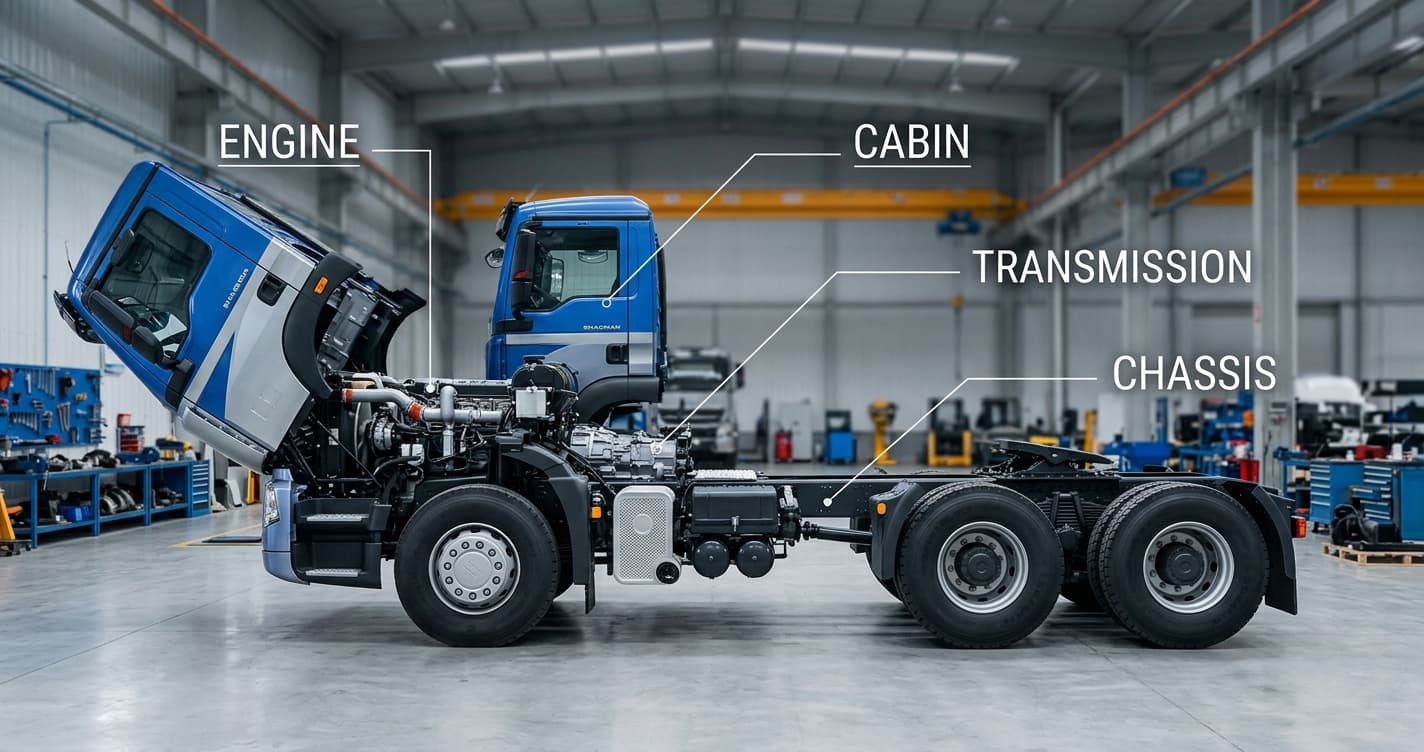
Engine Care: The Heart of Your Diesel Workhorse
Oil and Filtration Systems
Diesel engines generate significantly more soot and combustion byproducts than their gasoline equivalents. Oil change intervals typically fall between 15,000 and 25,000 miles depending on duty cycle, but oil analysis every 10,000 miles provides early warning of internal wear. Fuel filters should be replaced at manufacturer-specified intervals — contaminated fuel is the leading cause of injector failure.
Coolant system integrity is equally vital. Supplemental coolant additives (SCAs) must be maintained at proper concentrations to prevent cavitation erosion of cylinder liners. A single overlooked coolant service can lead to a $12,000+ diesel engine repair bill on a Class 8 vehicle.
Turbocharger and EGR Maintenance
Modern emissions systems — including DPF, SCR, and EGR components — require regular inspection. Carbon buildup in EGR valves reduces efficiency and triggers derating events. Turbocharger shaft play should be checked during every major service interval. For sourcing reliable replacement components, Heavy Duty Truck Parts suppliers offer OEM-equivalent options that meet original specifications.
Cab and Driver Environment
The cab is often neglected in servicing schedules, yet it directly impacts driver safety and retention. HVAC systems in commercial vehicles work harder than passenger cars due to larger cabin volumes and extended idle periods. Cabin air filters clogged with road dust reduce airflow by up to 40%, straining blower motors.
Electrical systems within the cab — including instrument clusters, lighting harnesses, and telematics modules — should undergo preventive vehicle inspection at least quarterly. Corrosion at connector points is a common failure mode in vehicles operating in humid or salt-heavy environments. Explore the product category system for electrical and HVAC components organized by application.
Transmission: Protecting Your Drivetrain Investment
Manual and Automated Manual Transmissions
Transmission fluid in heavy-duty applications degrades faster due to heat generated under load. Fluid analysis at 50,000-mile intervals helps detect metallic particles that indicate gear or bearing wear before a complete failure occurs. Clutch adjustment on manual transmissions should be verified every 25,000 miles — improper free play accelerates wear exponentially.
Torque Converter and Auxiliary Systems
For vehicles equipped with automatic or automated manual transmissions (AMTs), software calibration updates from the manufacturer can resolve shift quality issues without physical intervention. PTO (Power Take-Off) units require separate lubrication schedules that are frequently missed during routine servicing. These diesel truck maintenance tips for owner operators can prevent the most expensive drivetrain failures.
Chassis and Undercarriage: The Foundation of Safe Operation
Suspension and Steering Components
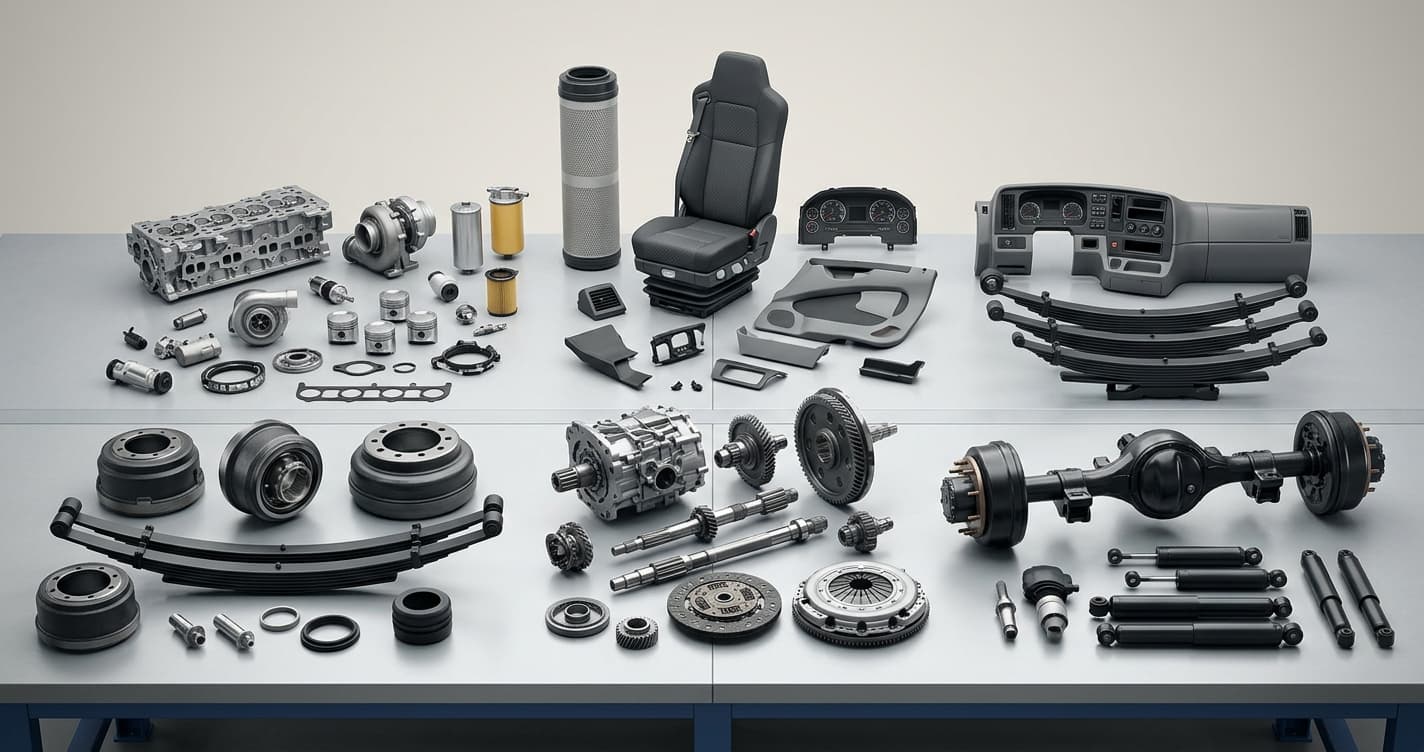
Leaf springs, air bags, and shock absorbers endure constant punishment. A worn shock absorber increases stopping distance by up to 20% according to NHTSA testing data. King pins, tie rod ends, and drag links require greasing at intervals as short as every 10,000 miles in severe-duty applications.
Frame rail inspection for cracks — particularly at crossmember attachment points — should be part of every annual DOT inspection preparation. Catching a hairline crack early prevents a frame failure that could total the vehicle. For chassis-specific heavy-duty parts replacement, working with a trusted supplier ensures correct fitment and metallurgy.
Brake System Protocols
Air brake systems demand attention beyond pad and drum replacement. Automatic slack adjusters must be verified for proper function — a common CSA violation. Air dryer cartridges should be replaced annually or every 300 hours of compressor run time. Moisture in the air system causes corrosion throughout valves and chambers, leading to cascading failures.
Preventive Scheduling: A Mileage-Based Framework
| Mileage Interval | Service Actions | Estimated Cost (USD) |
|---|---|---|
| Every 15,000 mi | Oil/filter change, tire inspection, fluid top-off, visual inspection | $350–$500 |
| Every 50,000 mi | Transmission fluid analysis, brake adjustment, coolant test, belt inspection | $800–$1,200 |
| Every 100,000 mi | Major service — injectors, turbo inspection, suspension overhaul, DPF cleaning | $3,000–$6,000 |
| Every 250,000 mi | In-frame overhaul consideration, transmission rebuild evaluation, full chassis inspection | $8,000–$20,000 |
This preventive truck maintenance checklist 2026 framework adapts to your specific duty cycle. Vehicles in vocational applications (construction, refuse) should compress these intervals by 20–30%.
How to Reduce Costs Without Cutting Corners
Understanding how to reduce truck maintenance costs starts with data — not shortcuts. Telematics systems that track fault codes, idle time, and fuel consumption patterns allow operators to predict failures before they escalate. A $200 oil analysis program can prevent a $15,000 engine failure.
Sourcing quality aftermarket components from verified suppliers like Mettlead offers significant savings over OEM dealer pricing without sacrificing reliability. Their product category brand selection includes tested alternatives for Sinotruk, Shacman, and other major platforms. Review their cooperative case studies to see documented fleet outcomes.
Driver training also plays a measurable role. Operators trained in progressive shifting, proper warm-up procedures, and pre-trip inspection protocols reduce component wear by 15–25% according to fleet servicing data compiled by TMC/ATA in early 2026.
Additional Precautions Often Overlooked
Fuel Quality and Storage
Diesel fuel degrades over time. Water contamination, microbial growth, and paraffin waxing in cold weather all threaten fuel system integrity. Tanks should be kept above 75% capacity overnight to minimize condensation. Fuel-water separators require draining at every pre-trip inspection — not just when the warning light illuminates.
Electrical System Grounding
Poor ground connections cause phantom electrical faults that waste diagnostic time. Battery cable terminals and frame ground straps should be cleaned and torqued during every major service. A $5 corroded ground strap can mimic symptoms of a $2,000 ECM failure.
Seasonal Preparation
Winter preparation extends beyond switching to cold-weather fuel blends. Block heaters, battery capacity testing, and air system antifreeze injection must be addressed before temperatures drop. Summer preparation focuses on cooling system capacity — ensuring fan clutches engage properly and charge air cooler fins are clear of debris.
For operators searching for heavy duty truck maintenance near me, establishing a relationship with a qualified service provider who understands your specific vehicle platform is more valuable than choosing solely on proximity. Access technical support resources for guidance on component selection and installation procedures.
Commercial Vehicle Upkeep: The Bottom Line
Effective truck maintenance is not an expense — it’s an investment with measurable ROI. Every dollar spent on scheduled servicing returns $4–$6 in avoided breakdown costs, extended asset life, and improved resale value. The operators who thrive in this industry treat their vehicles as revenue-generating assets deserving of systematic care.
The precautions outlined above — from fuel quality management to electrical grounding — represent the difference between operators who budget predictably and those who face financial emergencies. Build your program around data, quality components, and disciplined scheduling.
Frequently Asked Questions
How often should a diesel truck receive a full inspection?
At minimum, a comprehensive inspection should occur every 50,000 miles or every six months — whichever comes first. Vehicles in severe-duty applications (construction, refuse, short-haul with frequent stops) benefit from quarterly full inspections. Annual DOT inspections are a legal requirement but should not be your only thorough evaluation.
What are the most commonly missed service items on heavy-duty vehicles?
Air dryer cartridges, fifth-wheel lubrication and inspection, steering gear fluid levels, and exhaust aftertreatment system cleaning are consistently overlooked. These items rarely trigger warning lights until failure is imminent, making scheduled attention essential.
Can aftermarket parts match OEM quality for critical components?
Yes — when sourced from reputable suppliers who provide material certifications and fitment guarantees. Many aftermarket manufacturers produce components on the same production lines as OEM parts. The key is verifying the supplier’s quality control processes and warranty terms before purchasing.
What is the single most cost-effective preventive measure for diesel engines?
Regular oil sampling and analysis. For approximately $25–$35 per sample, you receive detailed data on wear metals, contamination levels, and fluid condition that can predict failures thousands of miles before they occur. This single practice has the highest return on investment of any preventive measure available.
How does idle time affect long-term vehicle health?
Excessive idling causes incomplete combustion, accelerates oil degradation, increases DPF soot loading, and wears engine components without productive output. One hour of idling equals approximately 25–30 miles of engine wear. Auxiliary power units (APUs) or automatic shutdown systems significantly reduce these effects for vehicles requiring extended stationary operation.


