Why Sourcing Reliable Brake Components for Class 8 Trucks Is Harder Than Ever
The global fleet of HOWO and similar commercial vehicles has expanded by over 38% since 2019, according to industry logistics data compiled in early 2026. Yet finding a dependable supplier for heavy duty truck parts—especially braking components—remains one of the biggest operational headaches for fleet managers and independent repair shops worldwide.
Brake failure accounts for roughly 29% of all large-vehicle mechanical breakdowns on highways, making component quality a life-or-death concern. The challenge is not just finding parts; it is finding the right parts, from the right source, at a price that keeps total cost of ownership manageable.
This guide draws on 15 years of supply-chain analysis in the commercial vehicle sector to help you evaluate sourcing channels, compare OEM versus aftermarket options, and identify suppliers that deliver consistent quality with global logistics support.
The OEM Number Matching Problem
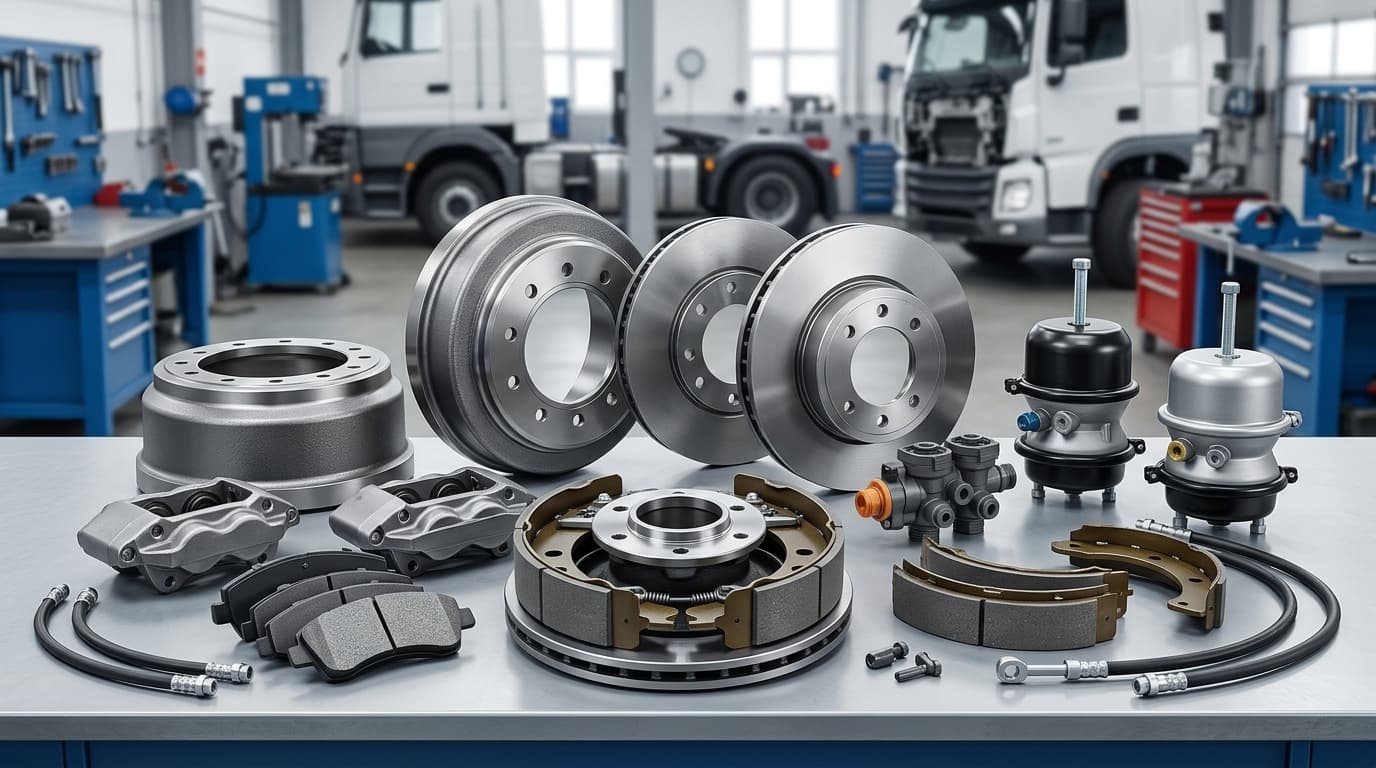
Every braking component on a Class 7 or Class 8 truck is tied to a specific OEM reference number. When you search for a replacement, even a single digit mismatch can result in incompatible fitment, premature wear, or catastrophic failure under load.
Many distributors list generic descriptions without verifying cross-references against the original manufacturer’s specifications. This is especially common when sourcing components for Chinese-manufactured trucks like Sinotruk HOWO, Shacman, or Dongfeng models that use part numbering conventions unfamiliar to Western catalogs.
A reliable supplier maintains a verified database that maps each aftermarket SKU to its corresponding factory reference. This eliminates guesswork and reduces return rates—which, in the brake component category, average 12–18% industry-wide due to fitment errors.
What to Look for in a Cross-Reference System
- Direct OEM-to-aftermarket number mapping with photographic verification
- Dimensional specifications (diameter, thickness, bolt pattern) listed alongside each SKU
- Compatibility notes for multiple truck brands sharing the same platform
- Regular database updates reflecting engineering revisions from manufacturers
OEM vs. Aftermarket: A Data-Driven Comparison
The debate between original equipment and aftermarket replacements is not binary. Quality aftermarket manufacturers now produce commercial vehicle brake pads and related components that meet or exceed OE specifications—often at 40–60% lower cost.
The key differentiator is certification. Reputable aftermarket producers hold IATF 16949 or ISO 9001 certifications and conduct dynamometer testing equivalent to OE validation protocols. Budget-tier suppliers often skip these steps, which is where quality diverges sharply.
| Criteria | OEM Components | Certified Aftermarket | Budget Aftermarket |
|---|---|---|---|
| Average Cost (per unit) | $180–$350 | $75–$160 | $30–$70 |
| Certification Level | Full OE validation | IATF 16949 / ISO 9001 | Often uncertified |
| Typical Lifespan | 80,000–120,000 km | 65,000–100,000 km | 25,000–50,000 km |
| Warranty Coverage | 12–24 months | 6–12 months | None or 30 days |
| Return/Defect Rate | 2–4% | 5–8% | 15–25% |
For fleet operators running Freightliner, Kenworth, or HOWO platforms, certified aftermarket components represent the optimal balance between safety and budget. An system-level approach—sourcing brake drums, rotors, pads, and air brake assemblies from a single verified supplier—further reduces compatibility risk.
Why Direct-from-China Sourcing Delivers Better Value
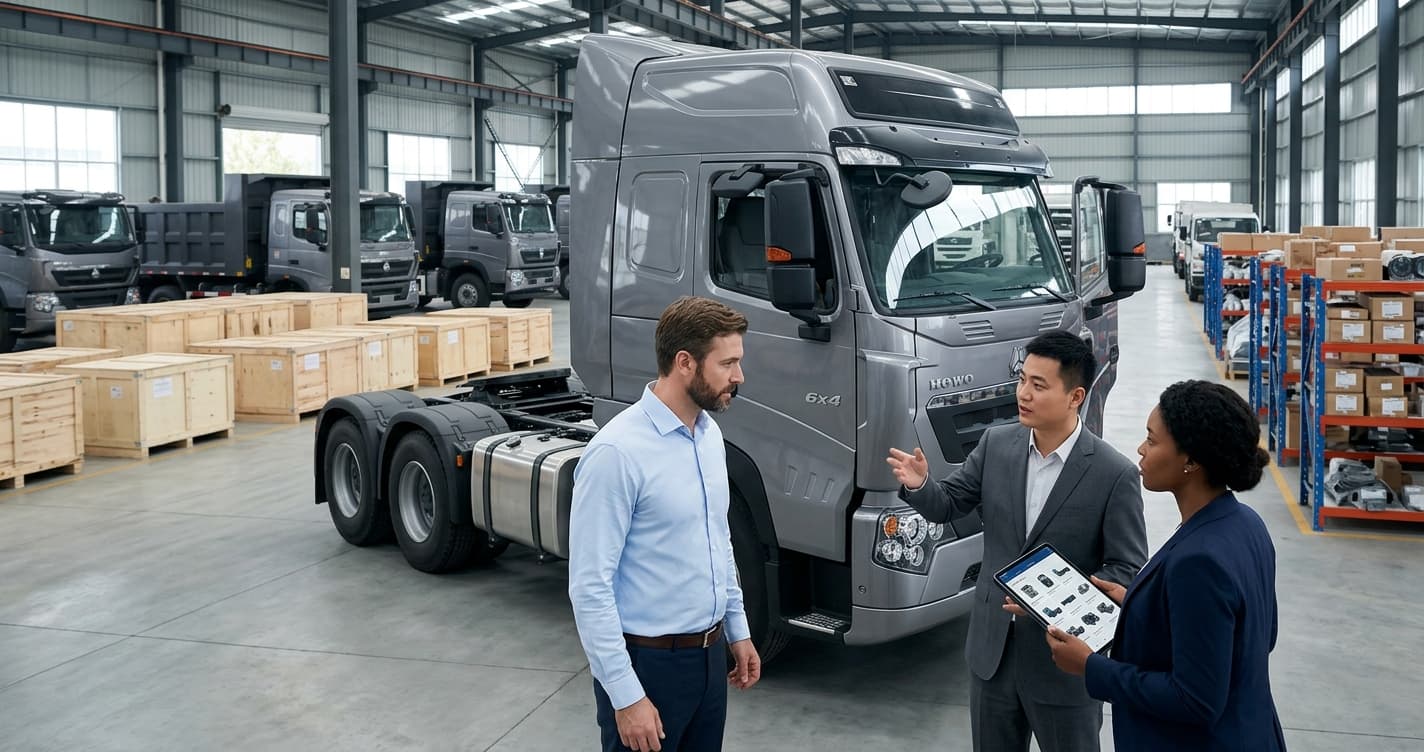
China manufactures approximately 65% of the world’s aftermarket braking components for commercial vehicles. When you buy through regional distributors in North America, Europe, or Africa, you typically pay 2–3 intermediary markups before the part reaches your workshop.
Direct sourcing from a factory-connected supplier eliminates these layers. The savings are not from inferior materials—they come from removing middlemen, consolidating shipping, and leveraging manufacturing-scale economies that Chinese industrial zones provide.
Cost Breakdown: Distributor Chain vs. Direct Supply
| Cost Component | Traditional Distribution | Direct China Supply |
|---|---|---|
| Factory Gate Price | $80 | $80 |
| Export Agent Markup | $12–$20 | $0 (factory-direct) |
| Regional Importer Margin | $25–$40 | $0 |
| Local Distributor Margin | $30–$50 | $0 |
| Final Price to Buyer | $147–$190 | $88–$105 (incl. shipping) |
This pricing advantage is particularly significant for operators seeking used heavy duty truck parts for sale alternatives—certified remanufactured or new-aftermarket components from direct suppliers often cost less than used parts from local salvage yards, with far better reliability guarantees.
How to Evaluate a Supplier Before Placing Your First Order
Not every direct supplier is trustworthy. After analyzing hundreds of vendor relationships across this sector, these are the non-negotiable criteria that separate professional operations from unreliable traders.
Quality Verification Checklist
- Factory audit documentation: Request ISO certificates, production line photos, and third-party inspection reports.
- Sample testing: Order 2–3 sample units and measure against published OEM specifications before committing to volume.
- Reference customers: Ask for contact details of existing buyers in your region who can verify delivery consistency.
- Return policy clarity: A supplier confident in quality will offer clear defect-replacement terms without excessive conditions.
- Technical support access: Can you reach an engineer who understands air brake system components and fitment nuances?
Mettlead, for example, operates as a factory-connected export platform specializing in Chinese commercial vehicle components. Their catalog covers engine parts, braking assemblies, and drivetrain components for HOWO, Shacman, and other platforms—with OEM number verification built into the ordering process.
Navigating Online Sourcing Channels
The rise of B2B e-commerce has made it possible to browse an aftermarket heavy duty truck parts catalog from anywhere in the world. However, not all online platforms offer equal protection or product verification.
Platform Comparison for Commercial Vehicle Components
| Channel Type | Pros | Cons | Best For |
|---|---|---|---|
| Manufacturer Direct Website | Verified specs, technical support, warranty | May require minimum order | Fleet operators, workshops |
| B2B Marketplaces (Alibaba, Made-in-China) | Wide selection, price comparison | Quality inconsistency, limited recourse | Experienced buyers who can vet suppliers |
| Regional Distributors (online) | Local stock, fast delivery | Higher prices, limited range for Chinese trucks | Urgent single-unit needs |
| Salvage/Used Parts Platforms | Lowest upfront cost | No warranty, unknown service history | Non-critical components only |
If you are searching for a heavy duty truck parts online store that combines verified cross-references with direct pricing, prioritize suppliers who publish full technical datasheets and maintain responsive pre-sales engineering support.
Specialized Sourcing for Specific Platforms
Fleet composition matters. A workshop servicing primarily Freightliner Cascadia units has different sourcing needs than one maintaining a fleet of HOWO A7 tippers. The best suppliers organize inventory by platform, not just by generic part type.
For operators running Chinese-manufactured trucks, accessing sinotruk truck parts through a dedicated catalog ensures correct fitment without the trial-and-error that plagues generic sourcing. Similarly, those maintaining North American fleets benefit from suppliers who stock heavy duty truck parts for Freightliner with verified PACCAR and Daimler cross-references.
Exploring a supplier’s full brand portfolio reveals whether they carry complementary lines—semi truck brake rotors from one manufacturer paired with matching heavy duty truck brake drums from another—ensuring system-level compatibility.
Global Shipping and After-Sales Support
A competitive unit price means nothing if shipping costs, transit times, or customs complications erode the savings. Professional suppliers in this space offer consolidated container shipping, DDP (Delivered Duty Paid) options, and regional warehousing for high-turnover SKUs.
What Professional After-Sales Looks Like
- Dedicated account manager familiar with your fleet composition
- Photographic defect-claim process with resolution within 48 hours
- Proactive reorder reminders based on your maintenance intervals
- Technical bulletins when manufacturers issue engineering changes
For operators who need localized support or want to discuss bulk pricing structures, the ability to contact us directly—without navigating automated chatbots—signals a supplier that values long-term partnerships over one-time transactions.
Finding Local Options When Time Is Critical
Emergency breakdowns do not wait for international shipping. Every fleet maintenance strategy should include a local backup source for critical braking components. Searching for heavy duty truck parts near me can surface regional distributors, but verify their inventory depth before an emergency arises.
The smartest approach combines a primary direct-supply relationship for planned maintenance stock with a vetted local distributor for urgent needs. This dual-channel strategy keeps costs low on 85% of purchases while ensuring uptime protection for the remaining 15%.
Key Takeaways for Fleet Operators and Workshop Managers
The total cost of a braking component is not its purchase price—it is the sum of acquisition cost, fitment accuracy, service life, and downtime risk. Optimizing across all four dimensions requires a sourcing partner, not just a parts vendor.
- Always verify OEM number cross-references before ordering—fitment errors cost more than the part itself.
- Certified aftermarket components from direct suppliers offer 40–60% savings over OE pricing with comparable performance.
- Direct-from-factory sourcing eliminates 2–3 markup layers without sacrificing quality when the supplier holds proper certifications.
- Maintain both a primary international supplier and a local emergency source for complete coverage.
- Evaluate aftermarket truck brake suppliers on technical support depth, not just price.
Frequently Asked Questions
How do I verify that an aftermarket brake component matches my truck’s OEM specifications?
Request the OEM cross-reference number from the supplier and compare it against your vehicle’s service manual. Measure critical dimensions—outer diameter, thickness, bolt hole pattern, and mounting surface flatness—against published tolerances. Reputable suppliers provide these specifications in their product listings and can supply dimensional inspection reports on request.
Are Chinese-manufactured braking components safe for use on North American or European roads?
Yes, provided they come from certified facilities. Factories holding IATF 16949 certification follow the same quality management standards as OE suppliers globally. The key is sourcing from verified manufacturers rather than unaudited traders. Look for FMVSS 121 compliance documentation for North American use or ECE R90 approval for European markets.
What is the typical lead time when ordering brake assemblies directly from a Chinese supplier?
For in-stock items, expect 3–5 days for order processing plus 25–35 days for sea freight to most global destinations. Air freight reduces transit to 7–10 days at higher cost. Suppliers with regional warehouses in Dubai, Lagos, or Miami can deliver within 3–7 days for commonly ordered SKUs.
How can I reduce the risk of receiving counterfeit or substandard components?
Order samples before committing to volume. Conduct hardness testing (Brinell or Rockwell) on brake drums and rotors—genuine quality components fall within published hardness ranges. Verify packaging consistency, laser-etched part numbers, and batch traceability codes. Established suppliers welcome these verification steps because they differentiate them from unreliable competitors.
Is it more cost-effective to buy complete brake kits or individual components?
For planned maintenance, complete kits (pads, rotors or drums, hardware, and seals) typically save 15–20% versus purchasing each item separately. Kits also ensure all components are from the same production batch, reducing compatibility variables. For spot repairs where only one element has failed, individual component sourcing is appropriate—but always inspect mating surfaces for wear that may require paired replacement.
Meta Description: Discover how fleet operators save 40–60% on Class 8 braking components through direct-supply sourcing. Data-backed comparison of OEM vs. certified aftermarket options, supplier evaluation criteria, and platform-specific guidance for HOWO, Freightliner, and more.


