Why Longevity Matters for Compression-Ignition Powertrains
A well-maintained diesel engine can reliably surpass 500,000 miles — sometimes even exceeding one million miles in commercial trucking applications. That kind of durability doesn’t happen by accident. It results from deliberate, consistent care practices that protect critical internal components from premature wear.
For fleet operators and individual truck owners alike, maximizing engine longevity translates directly into reduced total cost of ownership. Replacing a heavy-duty powertrain can cost between $15,000 and $40,000, making preventive care one of the smartest investments available.
Understanding How These Powertrains Operate
Before diving into maintenance strategies, it helps to understand how does a diesel engine work step by step. Unlike gasoline counterparts, these units rely on compression ignition rather than spark plugs. Air is compressed at extremely high ratios (typically 15:1 to 22:1), heating it enough to ignite fuel injected directly into the cylinder.
This compression-based combustion cycle produces greater thermal efficiency, which explains why these powertrains deliver superior torque at lower RPMs. However, the extreme pressures and temperatures also mean that lubrication quality, cooling system performance, and fuel cleanliness are absolutely critical to survival.
Essential Maintenance Practices That Add Years of Service
Oil Quality and Change Intervals
Engine oil serves as the lifeblood of any compression-ignition power unit. Modern synthetic oils designed for heavy-duty applications contain additive packages that neutralize acids, suspend soot particles, and reduce metal-to-metal contact. Following manufacturer-recommended oil change intervals — typically every 5,000 to 7,500 miles for standard duty cycles — prevents sludge buildup and bearing wear.
Oil analysis programs offer an additional layer of protection. By sending samples to a laboratory every other change, owners can detect early signs of coolant intrusion, fuel dilution, or abnormal metal content before catastrophic failure occurs.
Fuel System Care
Modern common-rail injection systems operate at pressures exceeding 30,000 PSI. Contaminants as small as 4 microns can damage injector tips and high-pressure pump surfaces. Quality fuel filtration — often through a two-stage primary and secondary filter arrangement — is non-negotiable for protecting these precision components.
Water separation is equally important. Moisture in fuel leads to microbial growth, corrosion, and injector erosion. Draining water separators at every service interval keeps the entire delivery system healthy.
Cooling System Maintenance
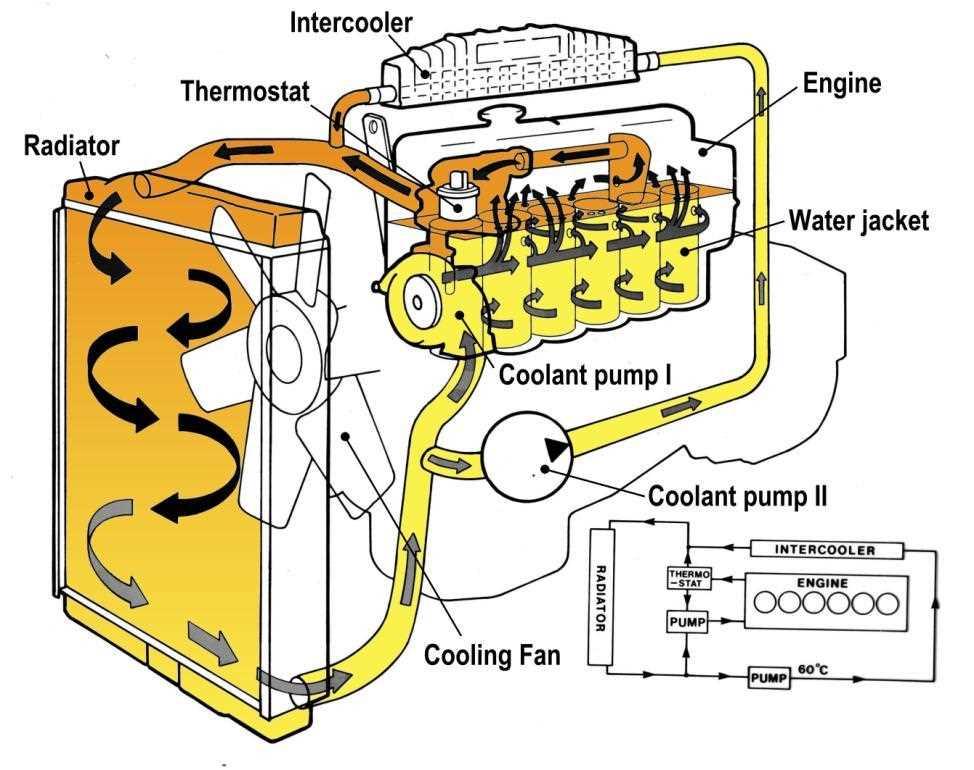
Thermal management failures rank among the top causes of premature powertrain death. Coolant degrades over time, losing its ability to prevent corrosion and cavitation of cylinder liners. Testing coolant condition every 6 months and replacing it per the manufacturer’s schedule protects against head gasket failures and cracked blocks.
Inspect hoses, thermostats, and radiator caps regularly. A $15 thermostat failure can lead to a $15,000 repair bill if overheating goes undetected.
Air Filtration and Turbocharger Health
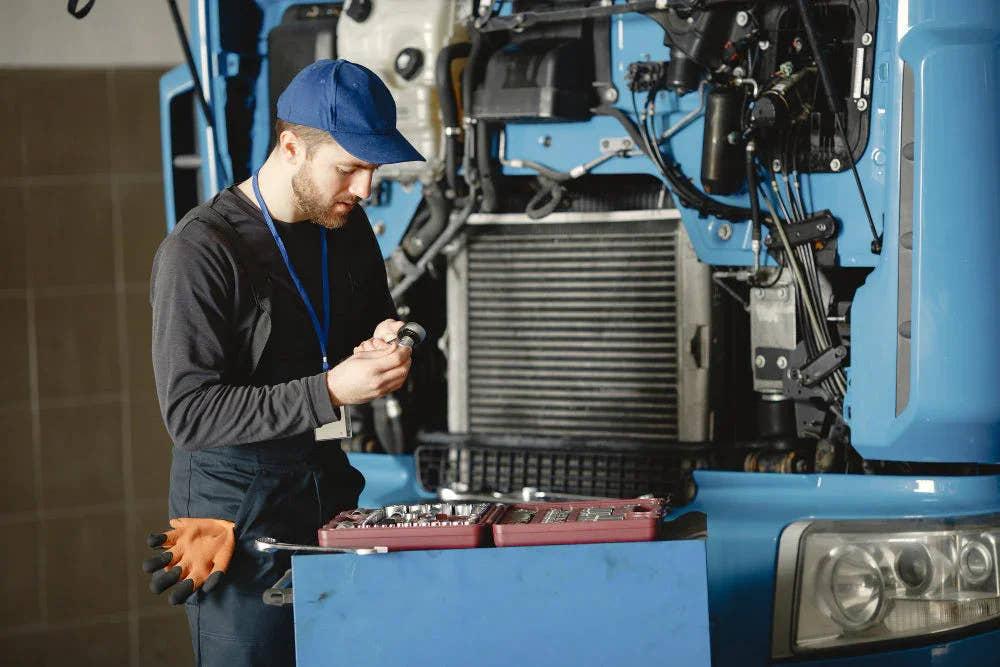
Turbocharged powertrains ingest enormous volumes of air, and even microscopic dust particles act as abrasives against cylinder walls and piston rings. Replace air filters at recommended intervals — more frequently in dusty environments. A restriction indicator gauge provides real-time feedback on filter condition.
Turbocharger bearings rely on clean oil delivered at proper pressure. Allow the engine to idle for 30–60 seconds after heavy load operation, giving the turbo time to cool before shutdown. This simple habit can double turbocharger lifespan.
Preventive Maintenance Schedule: A Practical Reference
| Maintenance Task | Recommended Interval | Consequence of Neglect |
|---|---|---|
| Oil and filter change | Every 5,000–7,500 miles | Bearing wear, sludge accumulation |
| Fuel filter replacement | Every 10,000–15,000 miles | Injector damage, power loss |
| Coolant testing | Every 6 months | Liner cavitation, overheating |
| Air filter inspection | Every 10,000 miles or by indicator | Cylinder scoring, reduced efficiency |
| Valve adjustment | Every 50,000–100,000 miles | Poor combustion, valve damage |
| Coolant replacement | Per OEM specification (typically 300,000 miles for ELC) | Internal corrosion, seal failure |
| Turbo inspection | Every 50,000 miles | Catastrophic turbo failure, oil contamination |
Driving Habits That Protect Your Powertrain
Mechanical sympathy costs nothing but delivers enormous returns. Avoid high-RPM operation during cold starts — allow oil pressure to stabilize and coolant temperature to rise before applying heavy loads. Most manufacturers recommend at least 3–5 minutes of gentle warm-up.
Consistent highway speeds are significantly easier on internal components than repeated hard acceleration cycles. According to a 2025 TMC study, fleets implementing progressive shifting and controlled cruising speeds reported 18% fewer unscheduled engine-related repairs compared to fleets without driver training programs.
When selecting the best diesel engine trucks for towing heavy loads, consider duty cycle compatibility. An undersized powertrain consistently operated at maximum capacity will age far faster than a properly rated unit working within its design envelope.
Diesel vs. Gasoline: The Efficiency Factor
The debate around diesel engine vs gasoline engine fuel efficiency 2026 continues as emission regulations tighten globally. Compression-ignition units still deliver 25–35% better fuel economy per gallon in comparable applications, largely due to higher thermal efficiency and energy-dense fuel properties.
However, this advantage depends on proper maintenance. A neglected fuel injection system or clogged DPF can reduce efficiency by 10–15%, erasing much of the inherent advantage. Keeping these systems in peak condition preserves both performance and economic benefits.
Navigating Modern Emissions Requirements
Current diesel engine emissions regulations and alternatives shape how owners maintain their equipment. Selective Catalytic Reduction (SCR) systems, Diesel Particulate Filters (DPF), and Exhaust Gas Recirculation (EGR) coolers all require attention. Using proper DEF fluid, avoiding extended idle periods, and keeping exhaust systems functioning correctly protects both compliance status and engine health.
Tampering with emissions equipment — while sometimes marketed as a “performance” modification — typically voids warranties, creates legal liability, and can actually accelerate wear on internal components not designed to handle altered combustion parameters.
Sourcing Quality Replacement Parts
When components do require replacement, part quality directly impacts longevity. OEM-specification parts maintain proper tolerances, surface finishes, and material properties. Inferior aftermarket alternatives may save money initially but often lead to premature re-failure and collateral damage to adjacent systems.
For heavy-duty applications, sourcing reliable diesel engine components from reputable suppliers ensures dimensional accuracy and metallurgical consistency — factors that matter enormously when parts must endure millions of combustion cycles.
Real-World Longevity: What the Data Shows
“Our fleet of 200 Class 8 trucks averages 847,000 miles before major overhaul, directly attributable to strict adherence to our preventive maintenance schedule and driver accountability programs.” — Fleet Maintenance Director, Midwest regional carrier (2025 fleet report)
Industry data from the American Trucking Research Institute shows that fleets following comprehensive maintenance protocols experience 40% lower lifecycle costs compared to reactive-maintenance operations. The upfront investment in scheduled service pays for itself many times over.
Summary: Key Principles for Maximum Engine Longevity
Extending the service life of a compression-ignition powertrain comes down to consistent, informed care. Clean fuel, quality oil, proper cooling, attentive driving habits, and genuine replacement parts form the foundation of any successful longevity strategy. None of these practices are complicated — they simply require discipline and commitment to a proven preventive maintenance schedule.
The financial case is clear: every dollar spent on proactive care saves an estimated $4–$6 in avoided repairs and downtime. Whether you operate a single pickup or manage a national fleet, these principles apply universally.
If you need expert guidance on parts sourcing or maintenance planning for your specific application, feel free to Contact Us for personalized recommendations.
Frequently Asked Questions
How often should I change the oil in a heavy-duty compression-ignition engine?
Most manufacturers recommend intervals between 5,000 and 7,500 miles for standard on-highway duty cycles. Severe-duty applications (frequent stops, extreme temperatures, dusty conditions) may require shorter intervals. Oil analysis programs help determine the optimal drain interval for your specific operating conditions.
What is the most common cause of premature powertrain failure?
Fuel contamination and cooling system neglect account for the majority of avoidable failures. Water in fuel damages injectors and pumps, while degraded coolant allows internal corrosion and overheating. Both are entirely preventable through routine maintenance.
Does idling harm the engine over time?
Extended idling causes incomplete combustion, leading to carbon buildup on injector tips, piston rings, and turbocharger components. It also dilutes oil with unburned fuel. Auxiliary power units (APUs) or automatic shutdown timers are preferable for applications requiring extended stationary power.
Are aftermarket performance modifications safe for long-term reliability?
Most aftermarket tuning increases stress on pistons, bearings, head gaskets, and transmission components beyond their designed limits. While short-term power gains are possible, they typically reduce overall lifespan significantly. Staying within factory-calibrated parameters is the safest approach for longevity.
How can I tell if my injectors need replacement?
Common symptoms include rough idle, excessive smoke, decreased fuel economy, and hard starting. A qualified technician can perform an injector balance rate test to identify underperforming units. Replacing injectors as a set ensures consistent spray patterns and cylinder balance across the entire power unit.


