
Why Is Your Diesel Truck Blowing Black Smoke? Let’s Get to the Bottom of It
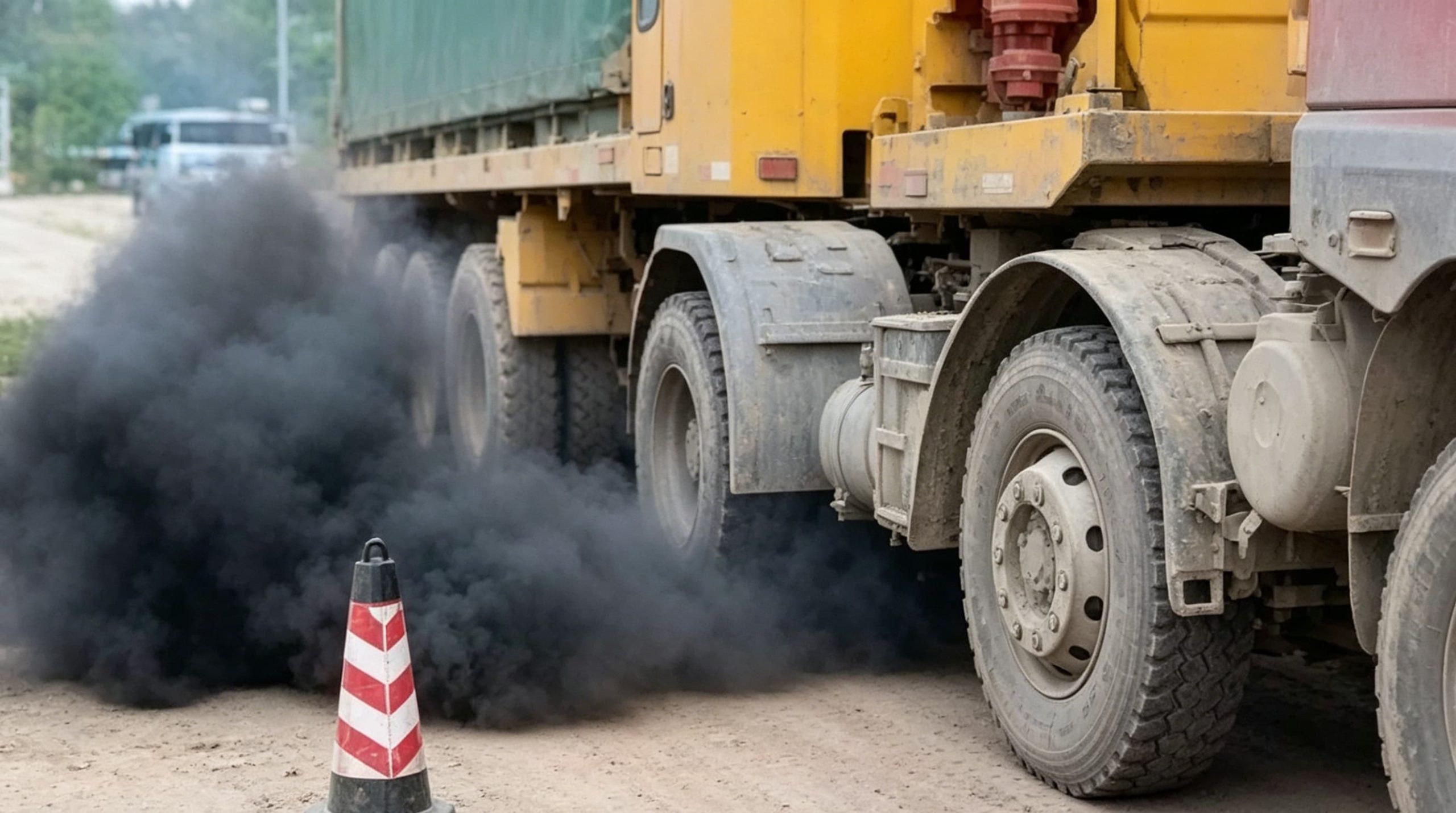
If you’ve ever been stuck behind a heavy-duty pickup belching thick, dark clouds from its exhaust, you know it’s not just an eyesore — it’s a cry for help from the powertrain. Black smoke from a diesel-powered vehicle signals incomplete combustion, meaning fuel is entering the cylinders but isn’t being burned efficiently. The causes range from minor maintenance oversights to serious mechanical failures that can cost thousands if ignored.
As someone who has spent over a decade diagnosing and writing about commercial vehicle issues, I can tell you this: black smoke is never “normal.” It’s your rig’s way of waving a red flag. In this guide, we’ll walk through the most common malfunctions, how to pinpoint them, and what you can do to get your vehicle running clean again.
Understanding Incomplete Combustion in Diesel Engines
Diesel powerplants rely on compression ignition — air is compressed until it’s hot enough to ignite fuel sprayed into the chamber. When this process goes wrong, unburned hydrocarbons exit through the engine as visible soot. The darker and thicker the smoke, the worse the imbalance between air and fuel.
Three fundamental conditions must be met for clean combustion: the correct air-to-fuel ratio, proper injection timing, and adequate compression pressure. A failure in any one of these areas will produce that telltale black plume. Let’s examine each failure category in detail.
Top Malfunctions That Cause Black Smoke
1. Faulty or Worn Fuel Injectors
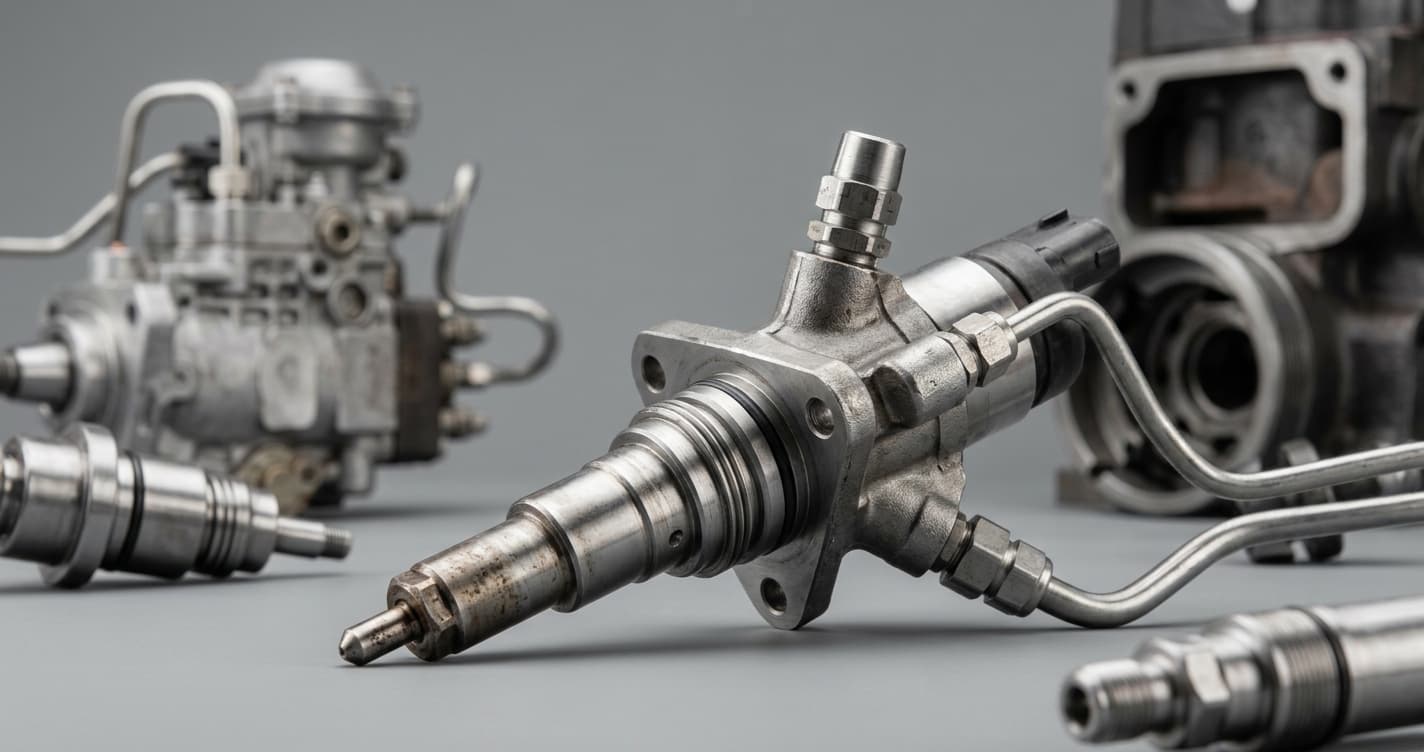
Injectors are precision components that atomize fuel into a fine mist. When they wear out, crack, or become clogged, they either over-deliver fuel or spray it in irregular patterns. The result? A rich mixture that can’t fully combust. According to a 2024 study by the American Trucking Associations, injector-related failures account for roughly 34% of all smoke-related complaints in commercial vehicles.
Symptoms include rough idling, reduced power, and — you guessed it — billowing dark exhaust under acceleration. Replacing injectors at recommended intervals is one of the most effective preventive measures you can take.
2. Restricted or Clogged Air Filter
Think of your air filter as the lungs of the powertrain. When it’s choked with dust, debris, or oil residue, the turbo diesel engine can’t breathe. Less air entering the combustion chamber means the existing fuel charge burns incompletely. This is perhaps the simplest and cheapest fix on the list — yet it’s overlooked with alarming frequency.
A good rule of thumb: inspect your air filter every 15,000 miles in normal conditions, or every 5,000 miles if you operate in dusty or off-road environments.
3. Turbocharger Failure
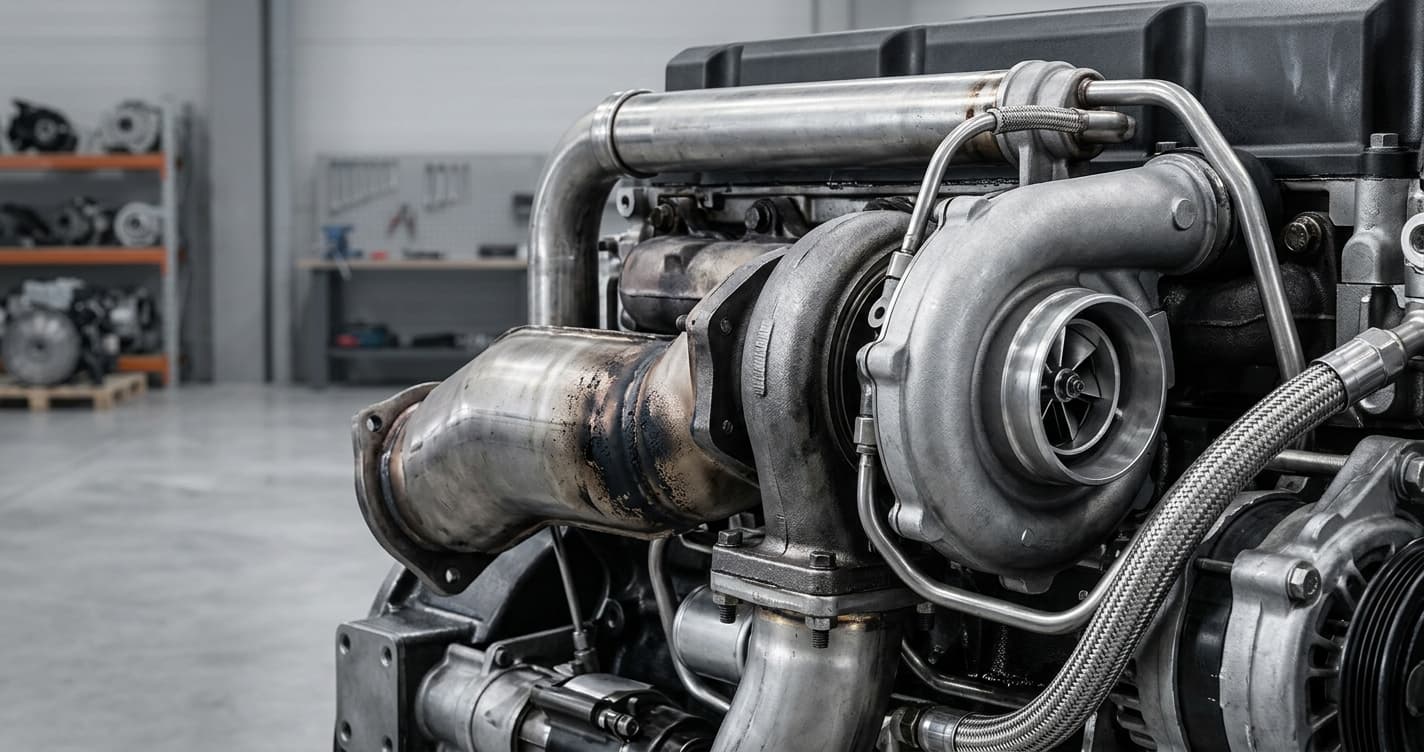
The turbo’s job is to force more air into the cylinders, boosting power and efficiency. When the turbine wheel is damaged, the wastegate sticks, or the boost pressure sensor fails, the system can’t deliver adequate airflow. This starves the combustion process and generates excessive soot.
Warning signs of turbo trouble include a whining or grinding noise, oil leaks around the turbo housing, and a noticeable loss of truck torque performance. Catching these early can save you from a catastrophic — and expensive — turbo replacement.
4. Incorrect Injection Timing
Timing is everything. If fuel is injected too early or too late in the compression stroke, it won’t ignite at the optimal moment. Late timing, in particular, causes fuel to burn in the exhaust stroke rather than the power stroke, producing black smoke and wasting energy. Modern electronic control modules (ECMs) manage timing precisely, but sensor failures or software glitches can throw things off.
5. EGR Valve Malfunction
The Exhaust Gas Recirculation valve redirects a portion of exhaust back into the intake to reduce nitrogen oxide emissions. When it sticks open or becomes clogged with carbon deposits, it displaces fresh air and disrupts the combustion balance. A malfunctioning EGR is a common culprit in vehicles with higher mileage — and it’s a frequent topic in our technical support resources.
6. Diesel Particulate Filter (DPF) Issues
The DPF captures soot before it exits the diesel exhaust system. When it becomes saturated and regeneration cycles fail, back-pressure builds up, forcing the engine to run rich. Some operators remove or tamper with the DPF — which is illegal in most jurisdictions and creates far worse emission problems.
7. Worn Piston Rings or Cylinder Liners
When internal engine components wear beyond tolerance, compression drops. Low compression means lower combustion temperatures, which means fuel doesn’t burn completely. This type of failure usually appears in high-mileage rigs and is often accompanied by excessive oil consumption and blow-by gases.
Diagnostic Flowchart: How to Pinpoint the Problem
Before throwing parts at the problem, a systematic approach saves time and money. Here’s the sequence experienced technicians follow:
- Visual inspection: Check the air filter, intake piping, and turbo connections for obvious damage or blockages.
- Scan for fault codes: Use an OBD-II or manufacturer-specific scanner to pull ECM codes related to boost pressure, injector circuits, or EGR function.
- Boost pressure test: Verify the turbo is producing spec-level boost under load.
- Injector balance test: Measure fuel delivery rates across all cylinders to identify a weak or leaking injector.
- Compression test: If all else checks out, perform a cylinder compression or leak-down test to assess internal wear.
This logical progression moves from the cheapest, most accessible checks to the more invasive (and expensive) diagnostics. Don’t skip steps — it’s tempting to jump to conclusions, but methodical troubleshooting always wins.
Common Causes at a Glance
| Malfunction | Primary Symptom | Typical Repair Complexity | Urgency Level |
|---|---|---|---|
| Clogged air filter | Smoke under load, reduced power | Low (DIY) | Moderate |
| Faulty injectors | Rough idle, heavy smoke at all RPMs | Medium | High |
| Turbocharger failure | Whining noise, oil leaks, power loss | Medium–High | High |
| Incorrect injection timing | Smoke on acceleration, poor fuel economy | Medium | High |
| EGR valve stuck open | Rough running, increased soot | Medium | Moderate |
| Saturated DPF | Warning lights, limp mode, back-pressure | Medium–High | High |
| Worn piston rings/liners | Oil consumption, blow-by, low compression | High (overhaul) | Critical |
Real-World Case: Fleet Operator Solves Chronic Smoke Issue
A logistics company operating a fleet of 18 Class 8 vehicles reported that five units were consistently failing emissions inspections due to excessive opacity readings. Initial diagnosis pointed to injector wear — the fleet had accumulated over 400,000 miles per unit without injector replacement. After installing new injectors and performing ECM recalibration, opacity readings dropped from 45% to under 8%, well within regulatory limits.
The fleet manager noted that the annual diesel truck maintenance cost per year for those five units dropped by approximately 22% in the following twelve months, largely because the new injectors improved diesel fuel economy and reduced strain on the turbo and DPF systems. This is a textbook example of how one failing component creates a cascade of secondary issues — and why proactive maintenance matters. You can explore similar success stories in our cooperative case archive.
Solutions and Preventive Measures
Replace Wear Components on Schedule
Injectors, air filters, turbo seals, and EGR valves all have finite lifespans. Following OEM-recommended service intervals — or better yet, condition-based monitoring — prevents most smoke-related failures before they start. If you’re shopping for a used diesel truck buying guide, pay close attention to maintenance records; gaps in service history are red flags.
Use Quality Fuel and Additives
Low-quality fuel introduces contaminants that accelerate injector wear and carbon buildup. A reputable cetane booster or injector cleaner used periodically can extend component life significantly. This is especially important for operators concerned with diesel truck fuel efficiency comparison across their fleet.
Monitor Boost and Exhaust Pressures
Aftermarket gauges or telematics systems that track boost pressure and exhaust back-pressure in real time give you early warning of turbo degradation or DPF saturation. Catching a problem at 80% efficiency is far cheaper than waiting for a roadside breakdown.
Invest in Quality Replacement Parts
Not all aftermarket components are created equal. Cheap injectors or turbo cartridges may save money upfront but often fail prematurely, creating the very problems you’re trying to solve. When sourcing parts, look for suppliers with verified engineering standards and transparent testing data. At Mettlead, we provide OE-quality components across our full product category system, and you can browse options by manufacturer in our product category brand section.
When to Seek Professional Help
Some diagnostics — like injector pop testing, turbo actuator calibration, or cylinder leak-down analysis — require specialized tools and expertise. If your basic checks (air filter, visual inspection, code scan) don’t reveal the culprit, it’s time to bring in a qualified technician. Attempting internal engine work without proper tooling can turn a moderate repair into a full rebuild.
For those researching the best diesel truck for towing 2026, keep in mind that even the most reliable diesel truck brands ranked by industry publications require diligent upkeep. No powertrain is immune to wear — but the right maintenance strategy makes all the difference.
Frequently Asked Questions
Can I keep driving if my vehicle is producing black smoke?
Technically, yes — but you shouldn’t. Continued operation with incomplete combustion accelerates wear on the turbo, DPF, and catalytic components. It also wastes fuel and may violate local emissions regulations. Address the root cause as soon as possible to avoid compounding damage.
Is black smoke always a sign of a serious mechanical failure?
Not necessarily. Sometimes it’s as simple as a clogged air filter or a stuck EGR valve — both relatively inexpensive fixes. However, if the smoke persists after basic maintenance, deeper issues like injector failure or internal engine wear may be at play. A proper diagnostic sequence will clarify the severity.
How much does it typically cost to fix black smoke issues?
Costs vary widely depending on the root cause. An air filter replacement is minimal, while a full set of injectors or a turbo rebuild represents a more significant investment. The key takeaway: early detection and repair almost always costs less than waiting for a catastrophic failure. For parts sourcing and guidance, feel free to contact us directly.
Does black smoke affect fuel economy?
Absolutely. Black smoke means unburned fuel is literally going out the tailpipe. Operators frequently report 10–20% improvements in fuel economy after resolving the underlying malfunction. That’s money you’re burning — quite literally — every mile you drive with the issue unresolved.
How can I prevent black smoke from recurring after repairs?
Stick to scheduled maintenance intervals, use quality fuel, monitor boost and exhaust pressures, and replace wear items proactively rather than reactively. Building a relationship with a trusted parts supplier and keeping detailed service records will help you stay ahead of problems. Learn more about us and how we support fleet operators and independent owners alike.
Final Thoughts
Black smoke from a diesel-powered rig is never cosmetic — it’s diagnostic. Whether the culprit is a $30 air filter or a $3,000 injector set, the smoke is telling you something important about the health of your powertrain. Listen to it. Diagnose methodically. Fix it properly the first time. Your wallet, your engine, and the air we all breathe will thank you.


