
Why Clutch Failures Remain a Top Concern for Truck Operators
For fleet managers and owner-operators, truck clutch problems represent one of the most disruptive mechanical failures on the road. A malfunctioning clutch assembly can sideline a vehicle for days, costing thousands in lost revenue and emergency repairs. With over 15 years of experience diagnosing drivetrain failures across Class 6–8 vehicles, I’ve seen how early detection and proper maintenance dramatically reduce downtime.
According to the American Trucking Associations’ 2025 maintenance cost survey, drivetrain-related repairs account for approximately 18% of total unscheduled maintenance expenses. The clutch system sits at the center of this cost burden. This guide walks you through the ten most frequent issues, their root causes, and actionable solutions.
Understanding How the Clutch System Works in Heavy Vehicles
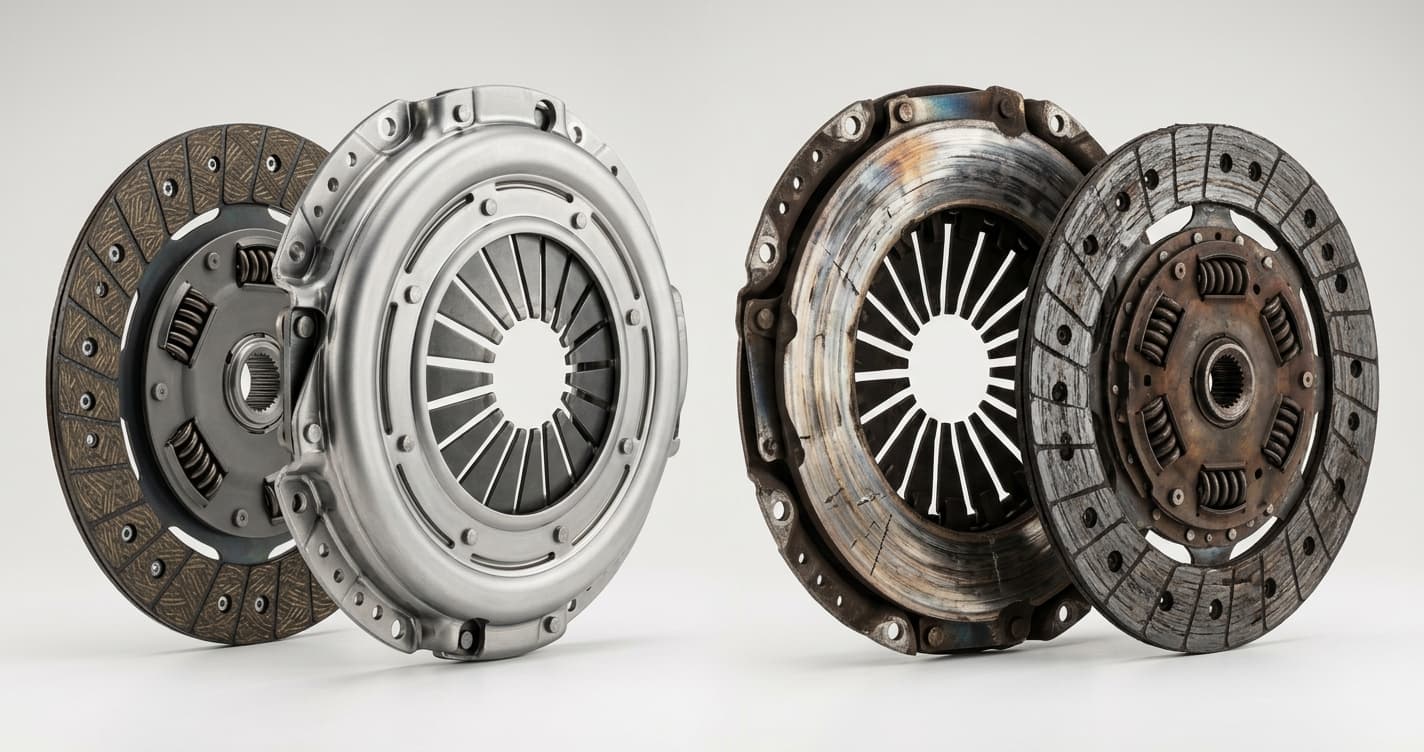
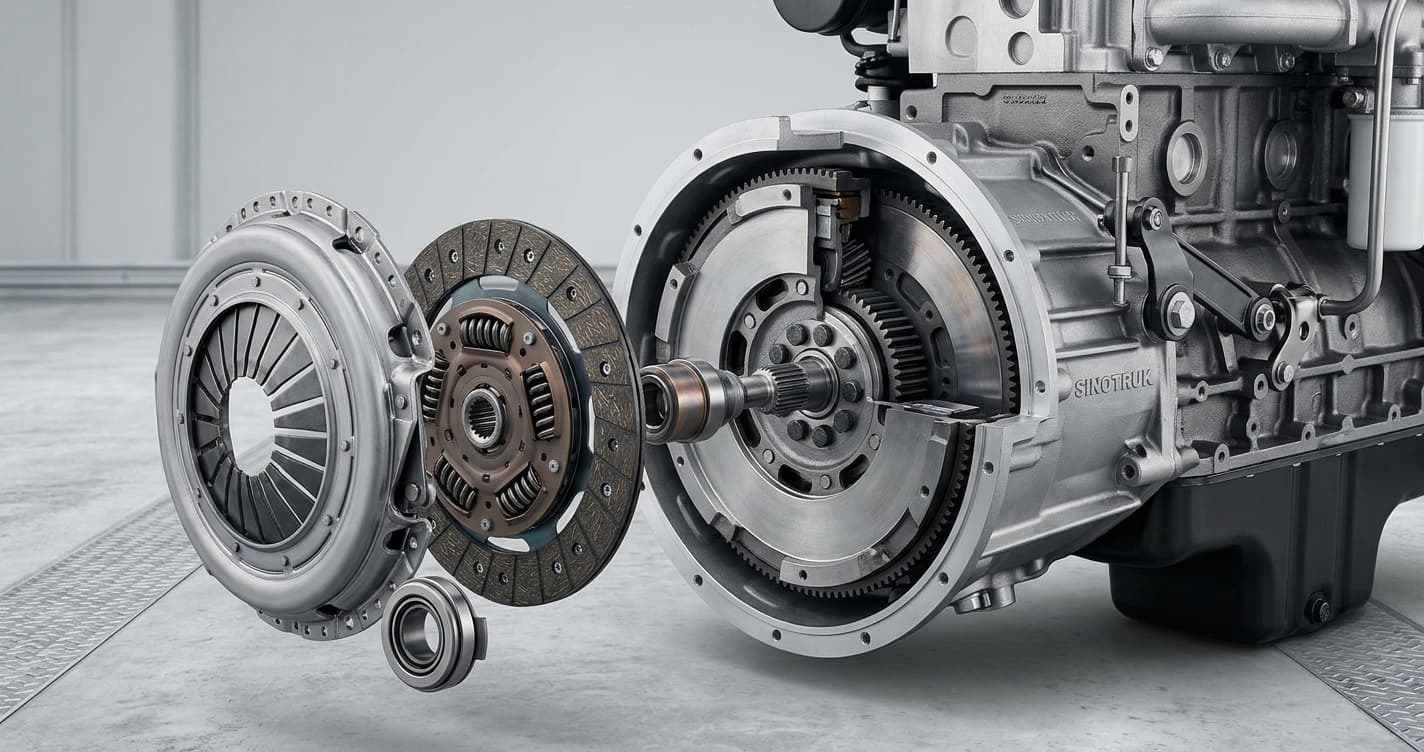
The clutch assembly in a commercial truck transfers torque from the diesel engine to the transmission. It consists of the pressure plate, clutch disc, release bearing, flywheel, and linkage mechanism. When the driver depresses the pedal, the release bearing disengages the disc from the flywheel, interrupting power flow.
In heavy-duty applications, these components endure extreme thermal and mechanical stress. Understanding this system helps operators identify warning signs before a minor issue becomes a catastrophic failure requiring a full teardown.
10 Common Clutch Issues and Fast Fixes
1. Clutch Slipping Under Load
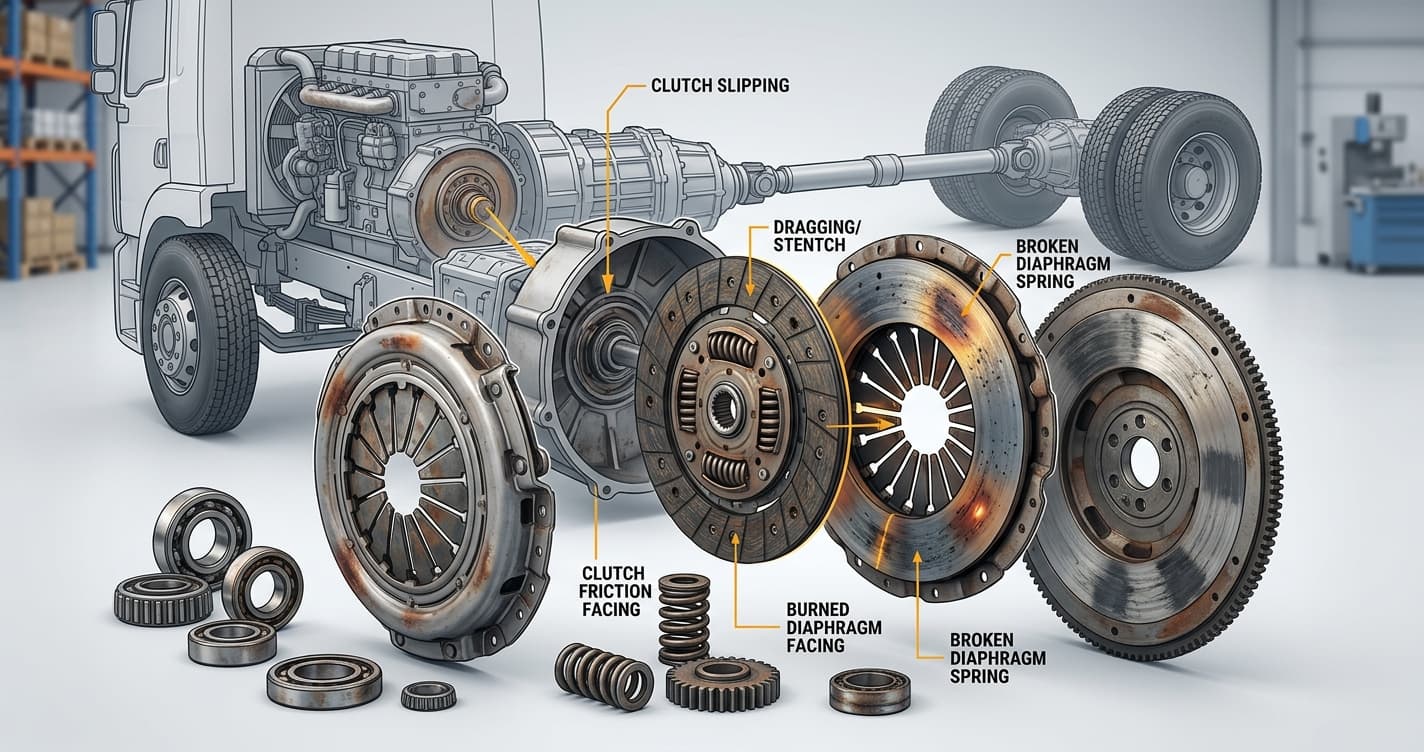
Slipping occurs when the friction disc cannot maintain grip against the flywheel under torque. Drivers typically notice this as a truck clutch slipping when accelerating uphill — the engine RPM rises without a corresponding increase in road speed. Worn friction material, oil contamination, or a weak pressure plate spring are the usual culprits.
Fix: Inspect the disc thickness. If it’s below the manufacturer’s minimum specification (typically 7–8mm for heavy-duty applications), replace the disc and resurface the flywheel. Check for rear main seal leaks that could contaminate the friction surface.
2. Shuddering at Low Speed Engagement
A shudder or vibration during initial engagement often points to glazed friction surfaces, warped flywheel, or contaminated disc material. Knowing how to diagnose truck clutch shudder at low speed starts with isolating whether the vibration originates from the drivetrain or the engine mounts.
Fix: Remove the inspection cover and check for hot spots or glazing on the flywheel face. Measure flywheel runout with a dial indicator — anything over 0.005″ warrants resurfacing or replacement.
3. Hard or Stiff Pedal
A pedal that requires excessive force usually indicates a failing hydraulic assist system, corroded linkage, or a worn cross-shaft bushing. In vehicles with hydraulic actuation, air in the lines or a deteriorating master cylinder seal can cause this symptom.
Fix: Bleed the hydraulic system completely. Inspect the master and slave cylinders for leaks. Replace worn bushings and lubricate all pivot points in the mechanical linkage.
4. Clutch Drag (Incomplete Disengagement)
When the disc doesn’t fully separate from the flywheel, drivers experience transmission grinding noise during shifts. This condition accelerates synchronizer wear and can damage gear teeth. Common causes include improper free play adjustment, warped disc, or a failing release bearing.
Fix: Verify clutch pedal adjustment per OEM specifications. For pull-type assemblies, check that the release bearing travel meets the required 12–15mm stroke. Replace warped discs immediately.
5. Burning Smell from the Bell Housing
A distinct acrid odor signals excessive friction heat — one of the heavy duty truck clutch burning smell causes that demands immediate attention. Riding the pedal in traffic, improper adjustment, or hauling loads beyond the clutch’s torque rating generates destructive temperatures.
Fix: Allow the assembly to cool completely before inspection. Check for driver habits contributing to the issue. Verify the clutch rating matches the vehicle’s GCWR. Upgrade to a higher-capacity assembly if the application demands it.
6. Noise at the Release Bearing
A squealing or grinding sound that appears only when the pedal is depressed points directly to the throw-out bearing. This component spins against the pressure plate fingers and wears over time, especially in stop-and-go operations.
Fix: Replace the release bearing. Since this requires transmission removal, it’s cost-effective to replace the entire clutch kit simultaneously — disc, pressure plate, and bearing as a set.
7. Pedal Pulsation or Vibration
A pulsating sensation through the pedal typically indicates flywheel runout or an unevenly worn pressure plate. This differs from engagement shudder because it’s felt through the pedal rather than the chassis.
Fix: Measure flywheel lateral runout and thickness variation. Replace or machine the flywheel to specification. Inspect the pressure plate fingers for uneven wear patterns.
8. Premature Disc Wear
When clutch disc wear occurs well before the expected service interval (typically 300,000–500,000 miles for heavy-duty applications), investigate root causes beyond normal friction. Misalignment between the engine and transmission, incorrect pilot bearing fit, or chronic overloading accelerates deterioration.
Fix: Perform a powertrain alignment check. Verify the pilot bearing condition and fit. Review load records and driver behavior data to identify contributing factors.
9. Hydraulic System Failure
Modern trucks rely on hydraulic actuation for consistent pedal feel. Fluid leaks, contaminated fluid, or internal seal failure in the concentric slave cylinder can cause complete loss of clutch control — a dangerous condition at highway speeds.
Fix: Inspect all hydraulic lines, fittings, and cylinders for leaks. Flush the system with fresh DOT-specified fluid. Replace any components showing external weepage or internal bypass.
10. Improper Free Play Adjustment
Both excessive and insufficient free play create problems. Too much play causes incomplete engagement and clutch slipping symptoms. Too little causes constant bearing contact and premature wear. Understanding semi truck clutch adjustment symptoms and fixes is essential for preventive maintenance.
Fix: Adjust free play to the OEM-specified range (typically 1.5″–2″ of pedal travel before resistance). For self-adjusting mechanisms, verify the adjuster is functioning and not seized.
Diagnostic Quick-Reference Table
| Symptom | Likely Cause | Urgency Level | Estimated Repair Time |
|---|---|---|---|
| Slipping under load | Worn disc / oil contamination | High | 4–8 hours |
| Shudder at engagement | Glazed flywheel / warped disc | Medium | 6–10 hours |
| Hard pedal | Hydraulic failure / seized linkage | Medium | 1–3 hours |
| Grinding during shifts | Incomplete disengagement | High | 4–8 hours |
| Burning smell | Overheating / overloading | Critical | 6–12 hours |
| Bearing noise | Worn release bearing | Medium | 5–8 hours |
| Pedal pulsation | Flywheel runout | Low | 6–10 hours |
| Premature wear | Misalignment / overloading | Medium | 8–12 hours |
| Hydraulic loss | Seal failure / fluid leak | Critical | 2–6 hours |
| Incorrect free play | Maladjustment / seized adjuster | Low | 0.5–1 hour |
Replacement Cost Considerations
Based on current market data, truck clutch replacement cost 2026 estimates range from $1,500 to $4,500 for parts and labor on Class 8 vehicles. The wide range reflects differences in component quality, vehicle accessibility, and regional labor rates. OEM-equivalent aftermarket kits typically offer 30–40% savings over dealer-sourced parts without sacrificing durability.
| Component | Parts Cost (USD) | Labor Cost (USD) | Total Estimate |
|---|---|---|---|
| Disc only | $200–$600 | $800–$1,500 | $1,000–$2,100 |
| Complete kit (disc + pressure plate + bearing) | $500–$1,200 | $800–$1,500 | $1,300–$2,700 |
| Kit + flywheel resurfacing | $700–$1,500 | $1,000–$2,000 | $1,700–$3,500 |
| Full assembly + flywheel replacement | $1,200–$2,500 | $1,000–$2,000 | $2,200–$4,500 |
Investing in quality components from a trusted product category brand reduces the risk of repeat failures and extends service intervals significantly.
Preventive Maintenance Best Practices
Proactive maintenance is far more economical than reactive repair. Implement these practices to maximize clutch assembly lifespan across your fleet.
- Inspect clutch pedal adjustment every 25,000 miles or during routine PM intervals
- Train drivers on proper engagement techniques — avoid riding the pedal or lugging the engine
- Monitor hydraulic fluid level and condition monthly
- Address any unusual noise or pedal feel changes immediately
- Keep detailed records of mileage, loads, and maintenance actions for each vehicle
For fleet-specific guidance, our technical support team provides tailored maintenance schedules based on your operating conditions and duty cycles.
Choosing the Right Replacement Parts
Not all aftermarket components deliver equal performance. When selecting a heavy duty clutch replacement kit, prioritize manufacturers that provide documented torque ratings, material certifications, and warranty coverage. Look for organic or ceramic friction materials matched to your application’s torque and thermal demands.
Browse our complete product category system to find drivetrain components engineered for commercial vehicle applications. Our inventory covers major OEM cross-references for Eaton, Meritor, and Dana platforms.
We’ve partnered with fleet operators across multiple industries — see real-world results in our cooperative cases showcasing measurable reductions in unscheduled downtime.
When to Seek Professional Diagnosis
While many clutch issues present clear symptoms, some failures involve overlapping causes that require specialized diagnostic equipment. If you’ve addressed the obvious adjustments and the problem persists, a qualified drivetrain technician with proper tooling can pinpoint issues like internal hub spline wear, torsional damper failure, or pilot bearing misalignment.
To learn more about our engineering team and manufacturing capabilities, visit our about us page. For direct assistance with part selection or technical questions, contact us for a prompt response from our applications engineers.
Frequently Asked Questions
How do I know if my truck’s clutch is slipping or if it’s a transmission issue?
A slipping clutch causes RPM to rise without proportional speed increase, especially under load. A transmission issue typically produces grinding, popping out of gear, or difficulty engaging specific gears. To isolate the problem, engage a high gear at low speed and apply throttle — if RPM climbs without acceleration, the friction assembly is the culprit.
How long should a heavy-duty clutch last in a commercial truck?
Under normal operating conditions with proper driver technique, a quality assembly should last 300,000 to 500,000 miles in linehaul applications. Vocational trucks in stop-and-go or off-road service may see 150,000 to 250,000 miles. Driver behavior is the single largest variable affecting service life.
Can I drive with a failing clutch, or should I stop immediately?
It depends on the failure mode. A slightly slipping disc allows limited driving to a repair facility at reduced load. However, a burning smell, complete loss of pedal pressure, or inability to disengage the assembly requires immediate shutdown. Continued operation risks flywheel damage, transmission input shaft wear, or complete loss of vehicle control.
What causes a new clutch to fail prematurely after installation?
The most common causes of early failure after replacement include contamination during installation (grease on friction surfaces), improper flywheel resurfacing, incorrect torque on pressure plate bolts, and failure to replace the pilot bearing simultaneously. Always follow the manufacturer’s installation procedure exactly.
Is it worth upgrading to a ceramic or dual-disc assembly for my application?
Ceramic friction materials offer superior heat resistance and torque capacity, making them ideal for heavy-haul or high-GCWR applications. Dual-disc assemblies distribute load across more surface area, extending life in severe-duty cycles. However, they require compatible flywheel configurations and may alter pedal feel. Consult with an applications engineer to match the upgrade to your specific duty cycle.


