
Why a Thorough Pre-Departure Vehicle Check Matters
Every year, thousands of roadside breakdowns and accidents trace back to mechanical failures that could have been caught before the vehicle left the yard. According to the Federal Motor Carrier Safety Administration (FMCSA), nearly 23% of commercial vehicles placed out of service during 2025 roadside stops had brake-related deficiencies alone. A disciplined truck inspection routine before departure is not just a regulatory obligation—it is a life-saving habit.
The Legal Framework: DOT and FMCSA Requirements
Whether you are a fleet manager or an independent owner-operator, understanding what to examine before hitting the road protects your cargo, your license, and everyone sharing the highway with you. This guide walks through each critical system, provides a structured checklist, and explains how to stay compliant with federal and state regulations.
Under 49 CFR §396.13, drivers of commercial motor vehicles must review the last driver vehicle inspection report and confirm that any defects noted have been repaired. Additionally, 49 CFR §392.7 mandates that no vehicle shall be driven unless its parts and accessories are in safe working order. Violations can result in fines exceeding $16,000 per occurrence.
It is worth noting that annual truck inspection requirements by state can vary. Some states adopt federal standards directly, while others—like California and Texas—impose additional emissions or weight-related checks. Always verify your operating state’s supplemental rules before planning routes.
Systematic Walk-Around: Where to Start
A structured driver walk-around inspection follows a consistent path around the vehicle so nothing gets overlooked. Most experienced drivers begin at the cab, move clockwise around the exterior, and finish underneath the chassis. This pattern ensures repeatability and reduces the chance of skipping a component.
Engine Compartment and Fluid Levels
Pop the hood and check engine oil, coolant, power steering fluid, and windshield washer levels. Look for visible leaks, cracked hoses, or corroded battery terminals. A well-maintained truck engine should show no pooling fluids beneath connections or gaskets.
Inspect belts for fraying and proper tension. Verify that the air compressor builds pressure within manufacturer specifications—typically 85–100 psi within three minutes at governed RPM.
Brake System
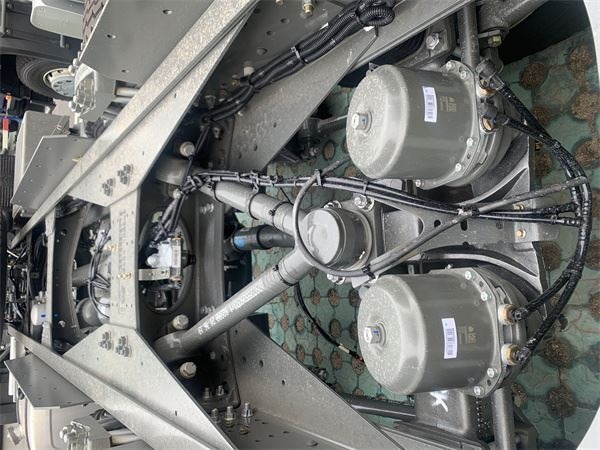
Brakes are the single most cited deficiency during DOT compliance inspections. Check pushrod stroke length, listen for air leaks with the system fully charged, and perform a static brake test. Ensure that truck brake pads have adequate lining thickness—minimum 6.4 mm (1/4 inch) for most drum configurations.
Verify that the parking brake holds the vehicle on a grade and that the low-air-pressure warning activates before the gauge drops below 60 psi.
Tires and Wheels
Examine tread depth (minimum 4/32″ on steer axles, 2/32″ on drive and trailer axles per FMCSA standards), sidewall condition, and inflation pressure. Look for lug nut rust streaks—a telltale sign of loosening. Mismatched or under-inflated tires increase blowout risk and fuel consumption by up to 3%.
Lights, Reflectors, and Electrical
Activate all lighting circuits: headlamps, turn signals, brake lights, clearance markers, and hazard flashers. Walk the full perimeter to confirm each lamp illuminates correctly. Cracked lenses or burned-out bulbs are common citations during a commercial vehicle safety check.
Coupling Devices (Tractor-Trailer)
Confirm the fifth wheel is locked, the release handle is seated, and there is no visible gap between the upper and lower coupler. Tug-test the connection. Inspect safety chains or cables, air and electrical lines for chafing, and ensure glad-hand seals are intact.
Cab Interior and Safety Equipment
Verify that mirrors are adjusted, the horn functions, the windshield is free of cracks in the driver’s line of sight, and seat belts latch securely. Confirm the presence of a fire extinguisher (fully charged, accessible), warning triangles, and spare fuses.
Complete Pre-Departure Checklist
The following table consolidates every area into a quick-reference format. Many fleet operators use this as a pre-trip inspection checklist posted inside the cab door.
| System / Area | Key Items to Check | Pass Criteria |
|---|---|---|
| Engine Compartment | Oil, coolant, belts, hoses, leaks | Fluids at proper level; no visible leaks or damage |
| Brakes | Pushrod stroke, air pressure build-up, pad thickness | Stroke within limits; pressure builds in ≤3 min; pads ≥6.4 mm |
| Tires & Wheels | Tread depth, inflation, lug nuts, sidewall condition | Meets FMCSA minimums; no bulges or cuts; lugs tight |
| Lights & Electrical | All lamps, reflectors, wiring | All illuminated; no cracked lenses; wiring secured |
| Coupling | Fifth wheel lock, glad hands, safety chains | Locked with no gap; seals intact; chains secured |
| Steering | Free play, power steering fluid, linkage | Play ≤2″ on 20″ wheel; no leaks; linkage tight |
| Exhaust System | Leaks, mounting, proximity to wiring | No audible leaks; secure mounts; clearance maintained |
| Cab Interior | Mirrors, horn, wipers, seat belt, safety gear | All functional; extinguisher charged; triangles present |
| Cargo Securement | Straps, chains, load balance, door latches | Load immobile; securement meets 49 CFR §393 |
Real-World Case: How One Fleet Reduced Violations by 61%
Midwest carrier TransCon Logistics implemented a digital pre-trip checklist across its 340-truck fleet in early 2025. Drivers used tablet-based forms with photo verification for each checkpoint. Within nine months, their roadside violation rate dropped from 28% to 11%, and brake-related out-of-service orders fell by 74%.
The key takeaway: consistency and accountability matter more than speed. A thorough walk-around takes 12–15 minutes but can prevent hours of downtime and thousands in fines.
Leveraging Professional Services
Not every operator has in-house mechanics. If your fleet lacks dedicated maintenance staff, mobile truck inspection services near me searches can connect you with certified technicians who perform on-site evaluations. These services are especially valuable for owner-operators running long-haul routes far from their home terminal.
For sourcing quality replacement parts—from brake components to engine assemblies—mettlead.com offers a comprehensive catalog of heavy-duty truck parts backed by OEM-equivalent specifications.
Tips for Passing Roadside Evaluations
Understanding how to pass DOT truck inspection stops comes down to preparation. Officers follow the North American Standard Inspection Program (NAS), which has defined levels (I through VI). Level I is the most comprehensive, covering both driver credentials and vehicle mechanics.
- Keep your medical certificate, CDL, and logbook current and accessible.
- Maintain a written record of your last pre-departure check with dates and signatures.
- Address any amber warning lights before departure—they often escalate to red on the road.
- Ensure cargo securement meets the minimum tiedown requirements for your load type.
CDL Holders: Specific Obligations
For drivers holding a Commercial Driver’s License, the pre-trip truck inspection steps for CDL testing are also part of the skills exam. Examiners expect candidates to verbalize each checkpoint and physically demonstrate checks (e.g., pulling on hoses, pressing brake pedal). Practicing this routine daily builds the muscle memory that keeps you safe—and keeps your license intact.
A truck inspection checklist for drivers 2026 should reflect the latest regulatory updates, including revised hours-of-service electronic logging requirements and updated brake adjustment criteria published by FMCSA in late 2025.
Seasonal Considerations
Winter
Check antifreeze concentration (should protect to at least −34°F), verify heater and defroster operation, and inspect tire chains if required by route. Battery cold-cranking amps degrade in freezing temperatures—test batteries older than three years.
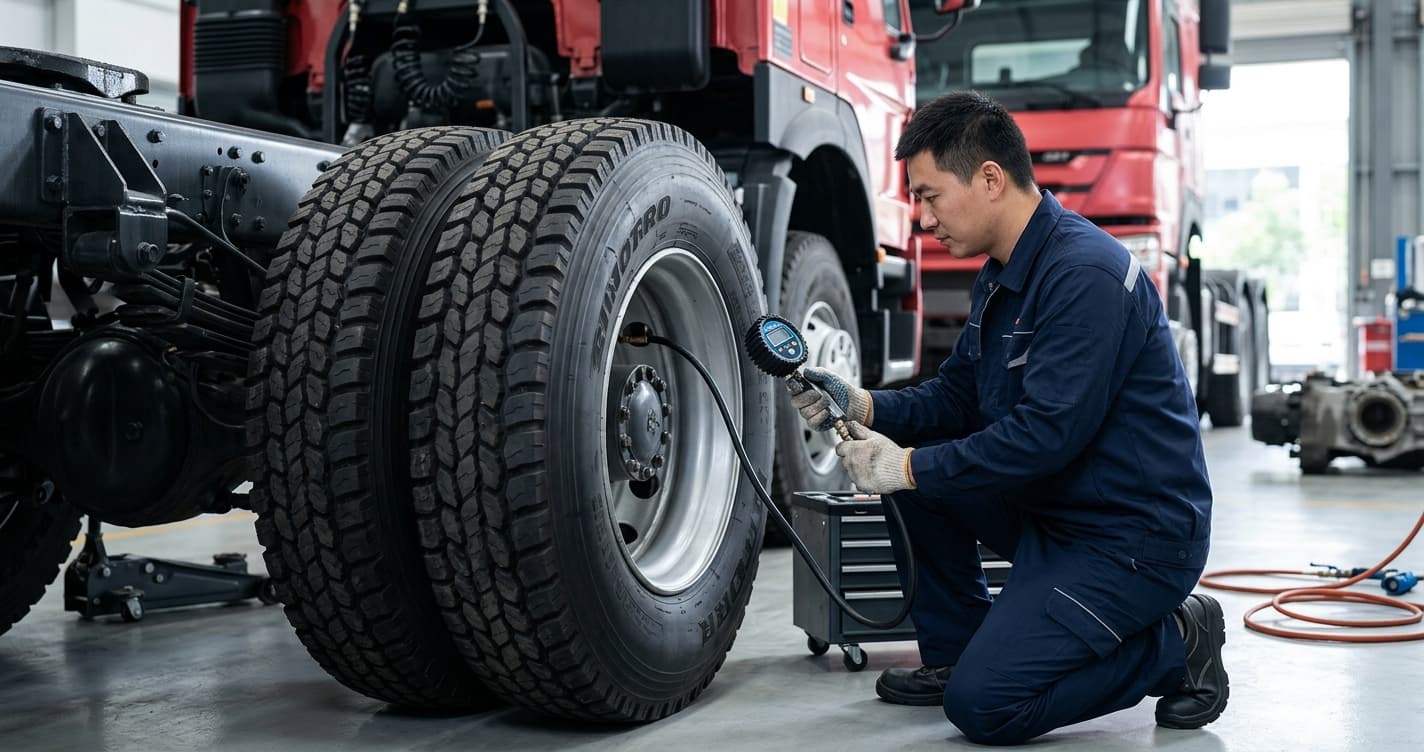
Tire blowouts spike in hot weather due to pavement temperatures exceeding 150°F. Verify inflation at ambient temperature before driving. Inspect the cooling system for leaks and confirm the A/C compressor engages properly to prevent driver fatigue.
Frequently Asked Questions
How long should a pre-departure vehicle check take?
A thorough walk-around typically takes 12 to 15 minutes for a tractor-trailer combination. Rushing the process defeats its purpose. Experienced drivers develop a rhythm that balances speed with completeness, but safety should never be sacrificed for schedule pressure.
What happens if a defect is found during the check?
If the defect affects safe operation—such as a brake malfunction or a flat tire—the vehicle must not be dispatched until repairs are completed. Minor issues (e.g., a cracked mirror housing that does not impair visibility) should be documented and scheduled for repair at the earliest opportunity.
Are electronic inspection apps accepted by DOT officers?
Yes. The FMCSA permits electronic Driver Vehicle Inspection Reports (DVIRs) as long as they meet the content requirements of 49 CFR §396.11 and §396.13. Many carriers have transitioned to digital platforms that timestamp entries and store photographic evidence.
How often must a full annual evaluation be performed?
Federal regulations require a comprehensive periodic assessment at least once every 12 months (49 CFR §396.17). This is separate from daily pre-trip routines and must be performed by a qualified inspector. The inspection decal must be displayed on the vehicle.
Can a driver be held personally liable for vehicle defects?
Yes. Under FMCSA regulations, both the carrier and the driver share responsibility for ensuring the vehicle is safe to operate. Drivers who knowingly operate a defective vehicle can face personal fines, CSA points, and even license suspension in severe cases. Performing truck maintenance before departure is a shared legal duty.


