
Buying a 10 wheeler truck should feel like hiring a dependable teammate, not adopting a mystery pet with “surprise behaviors.”
This guide focuses on real job fit, reliability, and inspection steps you can actually use on-site.
If you want help narrowing specs or reviewing photos/videos before you travel to see a unit, start from our homepage and use Contact Us.
Understand Your Job Before You Shop (So the Truck Doesn’t “Argue Back”)
Define the primary use case (dump, flatbed, mixer, hauling)
A 10 wheeler truck can be a hero on highways and a drama queen in muddy job sites if it’s spec’d wrong.
Before looking at listings, map the truck to your payload type, duty cycle, site conditions, and road legality.
- Payload type: sand/aggregate, demolition debris, asphalt, concrete, containers, or mixed loads.
- Duty cycle: long-haul steady speed vs. stop-and-go urban routes vs. quarry shuttle runs.
- Site conditions: soft ground, steep ramps, tight turns, dust, water crossings, potholes.
- Compliance: axle load limits, body dimensions, safety requirements, and local inspection rules.
If you’re comparing configurations and want a structured path, our Product Systems page can help you match truck setup to application.
Match axle configuration to real operating conditions
Axle ratings, wheelbase, and axle spacing decide whether your 10 wheeler truck feels stable and legal—or constantly “on edge.”
In tight urban routes, shorter wheelbase and smarter axle spacing reduce turning stress and curb strikes.
- Stability: better axle/load distribution reduces sway under load and improves braking stability.
- Turning radius: matters for urban demolition sites, concrete plants, and tight gates.
- Compliance: axle spacing affects legal load distribution and inspection outcomes.
Real-world example: job mismatch costs time
A contractor once spec’d a highway-oriented truck (taller gearing, less cooling reserve) for a stop-and-go construction route.
Within weeks, overheating became frequent, brake wear accelerated, and drivers reported fatigue from constant shifting and braking.
Fleet maintenance reporting commonly shows that repeated overheating and brake/air issues snowball into downtime, even when the engine itself is “strong.”
The fix wasn’t a magic part—it was matching gearing, cooling capacity, and brake condition to the real duty cycle.
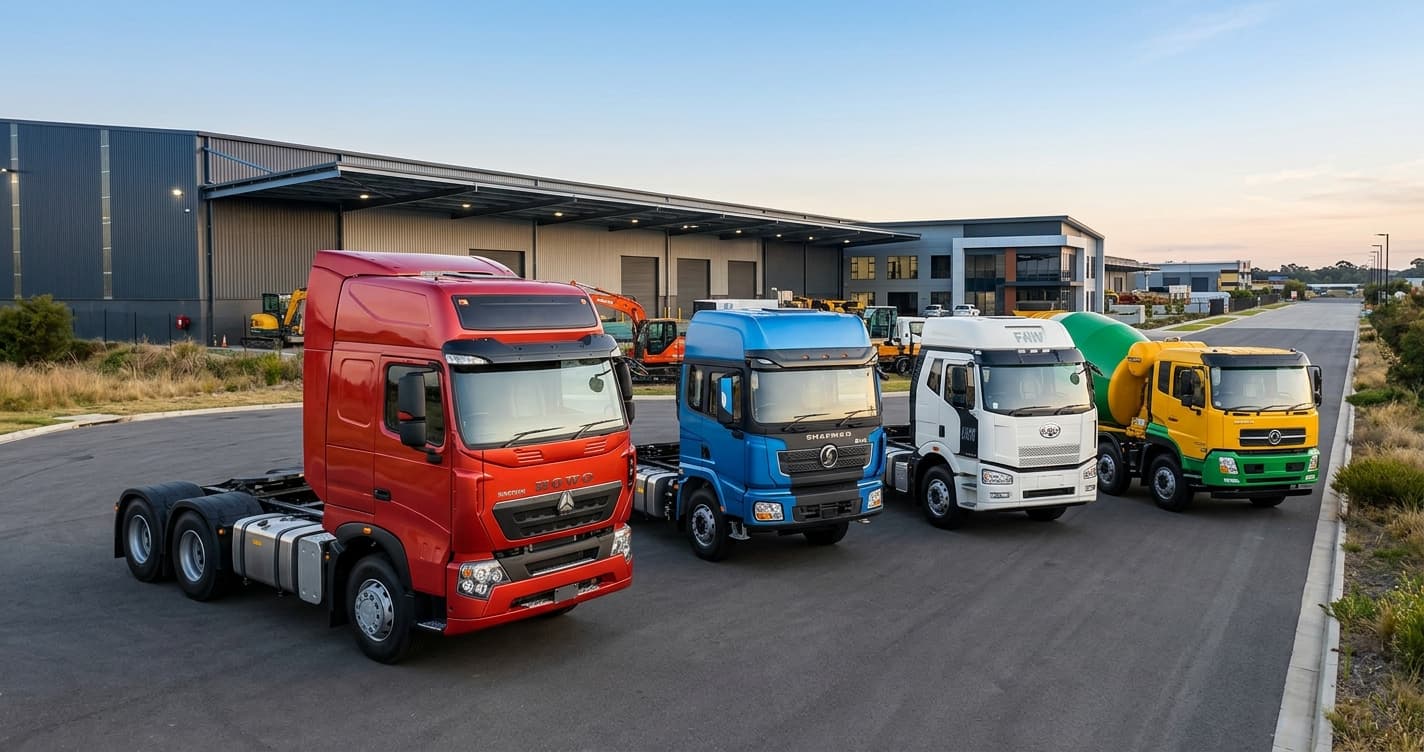
Key Specs That Make or Break a 10 Wheeler Truck (Beyond “It Looks Strong”)
Engine: torque curve, emissions system, and duty suitability
Engines don’t just need horsepower; they need usable torque where you actually drive.
For heavy start-stop work, torque delivery at lower RPM and robust thermal management are practical advantages.
- Torque curve: smoother low-end torque helps reduce clutch stress and improves launch with load.
- Cooling reserve: stop-and-go and slow-speed climbing expose weak radiators, fan clutches, or clogged fins.
- Emissions behavior: city cycles can increase regeneration frequency; frequent interruptions can raise downtime risk.
If you’re selecting among Chinese truck options by application, browse our Product Brands hub for model families and configurations.
Transmission & drivetrain: gearing that fits your terrain
Wrong gearing is like wearing dress shoes to a quarry—technically possible, emotionally painful.
Gear ratios and differentials affect fuel use, clutch life, and driveline wear more than most buyers expect.
- Gear ratios: steep grades and short hauls usually want different ratios than highway cruising.
- Differential condition: listen for whine under load and check for leaks at seals.
- Driveline health: U-joint play and vibration often predict upcoming failures.
Frame & suspension: the hidden backbone
A clean cab can hide a tired frame, but the frame never forgets overloads.
Look for cracks, poorly executed reinforcement, rust scaling, and crossmember damage.
- Frame rails: inspect around suspension mounts and dump body mounting points.
- Suspension: worn bushings and sagging springs show up as uneven stance and tire wear.
- Repair quality: good repairs are consistent and documented; bad repairs look rushed and uneven.
Brakes & tires: where safety and operating cost meet
Brakes and tires are the truck’s “body language.”
They reveal alignment issues, overload habits, and air system health.
- Brake performance: check air build time, straight stopping, and ABS warnings.
- Tire wear patterns: cupping often points to suspension wear; feathering points to alignment problems.
- Heat checking: visible heat stress can indicate aggressive driving or dragging brakes.
Commercial Truck Reliability Factors (What Actually Predicts Fewer Headaches)
Service history quality beats “low mileage” myths
Low mileage can be misleading if the truck spent its life idling, crawling in dust, or overloaded in short cycles.
Consistent maintenance records, fluid service intervals, and documented repairs are stronger reliability indicators.
This directly supports the LSI concept: 10 wheeler truck maintenance and service history is often more predictive than the odometer.
Operating environment matters (dust, salt, overload culture)
Trucks age differently depending on where they worked.
Quarry dust accelerates wear in bushings, cooling fins, and air filters, while winter road salt attacks frames, wiring, and air lines.
- Dust: increases cooling system clogging risk and shortens filter life.
- Salt: raises corrosion risk at frame/crossmembers and electrical grounds.
- Overload habits: often show up as frame stress, suspension sag, and brake overheating.
Driver behavior shows up in the metal
Even if the seller is polite, the truck tells the truth.
Pay attention to physical clues that suggest harsh driving or neglected daily checks.
- Clutch history hints: burnt smell residue and abnormal engagement feel.
- Shifter wear: excessively loose or worn linkages can indicate hard use.
- Brake heat signs: heat checking and uneven wear patterns.
- Uneven tire wear: alignment neglect or constant overloading on one side.
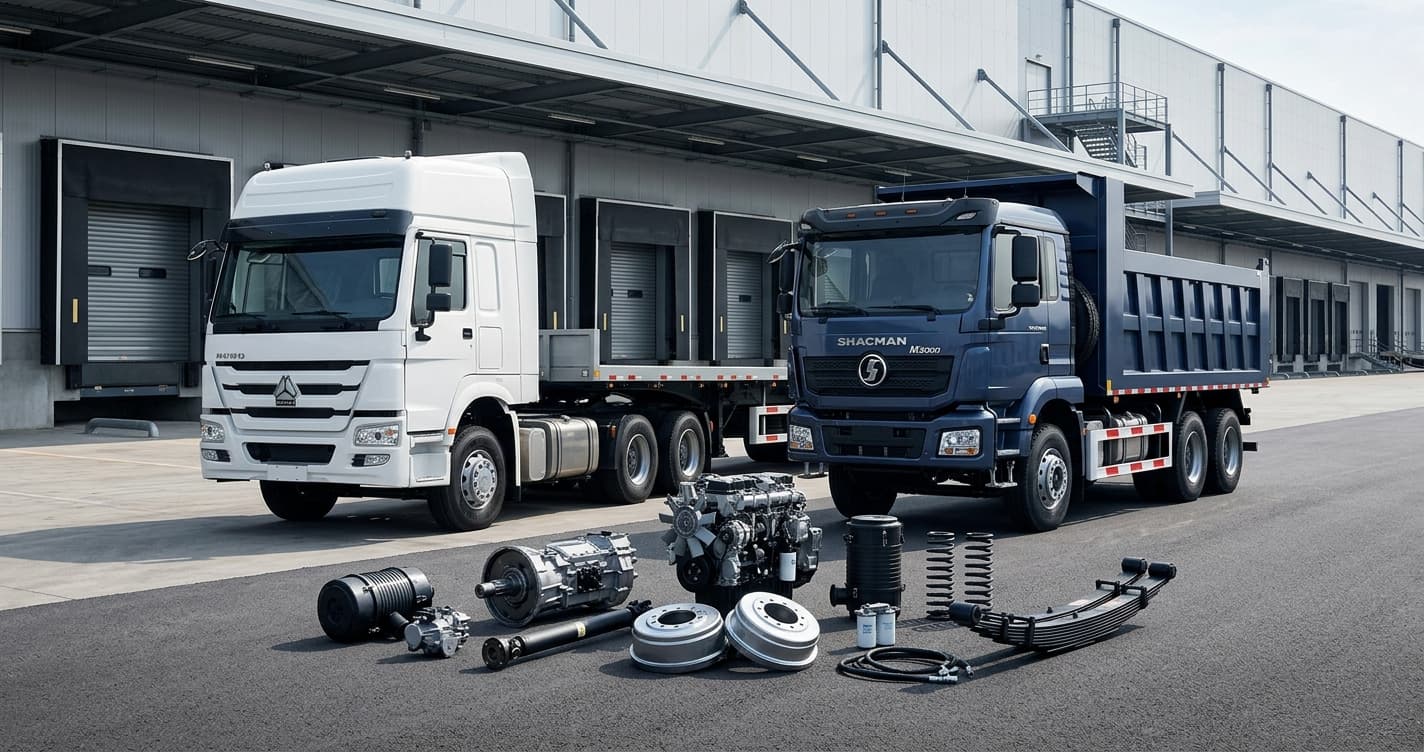
Used 10 Wheel Dump Truck Evaluation (What to Check Before You Trust It With Your Site)
Walk-around inspection: fast signals of deeper problems
A quick walk-around can save you hours and prevent expensive surprises.
Start with stance, leaks, and symmetry, because gravity never lies.
- Uneven stance: may indicate spring issues, frame twist, or uneven loading history.
- Mismatched tires: can signal inconsistent maintenance or repeated curb damage.
- Leaking hubs: possible seal/bearing issues.
- Sagging suspension: worn springs or bushings.
- Dump body misalignment: may point to hinge wear or previous impacts.
Cab and controls: “the driver’s truth detector”
The cab is where small neglect becomes big downtime.
Warning lights, air pressure build time, and electrical hacks are your early-warning system.
- Dashboard warning lights: verify key-on bulb check and scan for stored faults where possible.
- Switch wear: extreme wear may indicate very high duty cycles.
- HVAC: comfort is safety; fogged windows and fatigue increase risk.
- Air pressure build time: slow build suggests leaks or compressor issues.
- Aftermarket wiring: “mystery wires” often equal intermittent faults.
Dump body & hydraulics: the “heavy lifting” reality check
Hydraulics don’t fail politely; they fail at the worst moment, usually when everyone is watching.
Inspect lift smoothness, leaks, fluid condition, hinge points, and tailgate fit.
- Cylinder seals: check for wetness and dust-stuck oil.
- Pump noise: abnormal whining can suggest cavitation or wear.
- Hydraulic fluid: milky or burnt odor indicates contamination or overheating.
- Hinge pins: excessive play suggests long-term heavy cycles.
- Floor/sidewall wear: severe abrasion hints at harsh materials and high cycle counts.
If you run into inspection questions during evaluation, our Support page is built for common buyer problems and practical fixes.
Heavy Duty Truck Inspection Checklist (Bring This Like a Flashlight—and Use Both)
Pre-start checks (cold start reveals the most)
Cold start is where hidden wear tends to show up.
Ask the seller not to warm up the truck before you arrive, and verify engine temperature is truly cold.
- Oil/coolant condition: look for contamination and abnormal levels.
- Blow-by signs: excessive crankcase pressure can signal wear.
- Belt wear: cracks, glazing, and tension issues.
- Visible leaks: especially around turbo plumbing, radiator, and hoses.
- Battery/charging: weak starts can hint at electrical or charging problems.
Road test checks (listen to what the truck whispers)
Drive it like you work it, within safe limits.
Use varied throttle and braking to reveal shift issues, vibrations, and steering play.
- Boost response: sluggish response can signal intake leaks or turbo issues.
- Shift quality: delayed engagement and harsh shifts are warning signs.
- Vibrations: can indicate driveline imbalance or worn mounts.
- Braking straightness: pulling suggests brake imbalance or suspension issues.
- ABS behavior: confirm no warning lamps and stable braking.
Post-test checks (heat exposes leaks and weak seals)
After driving, heat and pressure reveal what a cold inspection cannot.
Re-check for fresh leaks, unusual smells, and air system recovery speed.
- Fresh leaks: look under engine, transmission, diffs, and hydraulic lines.
- Hot spots: check for overheating clues around hubs and brakes.
- Brake odor: strong smell suggests dragging brakes or imbalance.
- Coolant pressure behavior: abnormal pressure can indicate cooling issues.
- Air system recovery: slow recovery can hint at leaks or compressor wear.
Table: Quick heavy duty truck inspection checklist
| Area | What to Check | Red Flags | Why It Matters |
|---|---|---|---|
| Engine | Cold start, idle stability, smoke | Hard start, blue/white smoke, rough idle | Signals wear, injector issues, compression problems |
| Cooling | Hoses, radiator, fan clutch | Coolant stains, overheating history | Overheating shortens engine life dramatically |
| Transmission | Shift quality under load | Slipping, delayed engagement | Expensive repairs; affects productivity |
| Driveline | U-joints, differential noise | Clunks, whining | Predicts imminent driveline failures |
| Brakes | Air build time, pull, ABS | Slow air build, pulls, ABS faults | Safety + compliance risk |
| Suspension/Steering | Bushings, alignment, play | Wander, uneven tire wear | Indicates frame/suspension wear |
| Frame | Rails, crossmembers, repairs | Cracks, poor welds, rust scaling | Structural integrity and longevity |
| Hydraulics (dump) | Lift cycle, leaks, noise | Jerky lift, fluid leaks | Downtime risk and safety hazard |
| Electrical | Harness, battery, lights | Corrosion, “mystery wires” | Hard-to-diagnose reliability issues |
Real-World Data: What Fails Most Often in Heavy Trucks (And What That Means for You)
Use failure patterns to prioritize inspection time
Fleet maintenance summaries repeatedly show that many downtime events cluster in a few systems: brakes/air, cooling, electrical, suspension/steering, and hydraulics on dump units.
So instead of spending 30 minutes admiring paint, spend 30 minutes hunting leaks, corrosion, worn bushings, and fault indicators.
This approach aligns with a practical heavy duty truck inspection checklist: prioritize systems that statistically cause more breakdowns and compliance delays.
Table: Common heavy-truck issue categories seen in fleet maintenance reporting
| Category | Typical Symptoms | Common Root Causes | Pre-purchase Checks to Prioritize |
|---|---|---|---|
| Brakes & air system | Low air pressure, uneven braking | Leaks, worn chambers, neglected adjustments | Air leak test, brake wear measurements |
| Cooling system | Overheating, coolant loss | Aged hoses, clogged radiator, fan clutch failure | Pressure test, radiator condition, fan operation |
| Electrical/charging | No-start, intermittent faults | Corrosion, poor grounds, aftermarket wiring | Battery/alternator test, harness inspection |
| Suspension & steering | Wandering, tire cupping | Worn bushings, misalignment | Play checks, tire pattern analysis |
| Hydraulics (dump) | Slow/jerky lift, leaks | Seal wear, contaminated fluid | Lift test, fluid inspection, cylinder check |
Maintenance and Service History: The Paper Trail That Saves You Later
What “good records” look like (and what’s missing in bad ones)
Good records read like a calm diary: dated work orders, consistent intervals, parts listed, and clear notes about recurring issues.
Bad records read like a fortune cookie: “serviced regularly,” with no dates, no details, and no proof.
For a 10 wheeler truck buying guide, this is one of the most reliable shortcuts: documentation reduces unknowns, which reduces downtime risk.
What to ask for (without sounding like a detective)
Keep the tone friendly and practical.
You’re not interrogating the seller; you’re protecting your schedule.
- Maintenance logs: oil, filters, coolant, air dryer service intervals.
- Major component documents: engine, transmission, differential repairs or rebuilds.
- Emission-system service notes: regen history, DTC trends, replaced sensors/components.
- Inspection reports: periodic safety inspection records and corrective actions.
Table: Service history documents and what they reveal
| Document | What It Reveals | Risk If Missing |
|---|---|---|
| Preventive maintenance logs | Routine care consistency | Hidden neglect, shortened component life |
| Repair invoices/work orders | What actually failed and how it was fixed | Repeat failures, unresolved chronic issues |
| Oil/fluid analysis (if available) | Early wear signals | Unknown internal engine/drivetrain condition |
| Annual inspection reports | Compliance and safety baseline | Surprise compliance costs or downtime |
| Emissions system service records | Regen/DTC trends, parts replaced | Unexpected derates and operational interruptions |
Seller Evaluation: Buy the Truck, Not the Story
Red flags in listings and conversations
Some listings are written like romance novels: “needs nothing,” “perfect condition,” and “must sell today.”
When the language is too polished but the records are too empty, that’s a mismatch worth noticing.
- No records: especially for a high-duty unit like a dump truck.
- Rushed pressure: “someone else is coming in an hour” tactics.
- Avoiding cold start: warm engines hide smoke and weak starting.
- Refusal of inspection: suggests the seller fears what you’ll find.
Trust-building signals
Transparency is the strongest “warranty” you can get before purchase.
Look for consistent documents, clear disclosures, and willingness to let you test properly.
- Documented history: repeatable intervals and detailed repairs.
- Third-party inspection friendly: they don’t mind you verifying.
- Open about known issues: explains what was fixed and what remains.
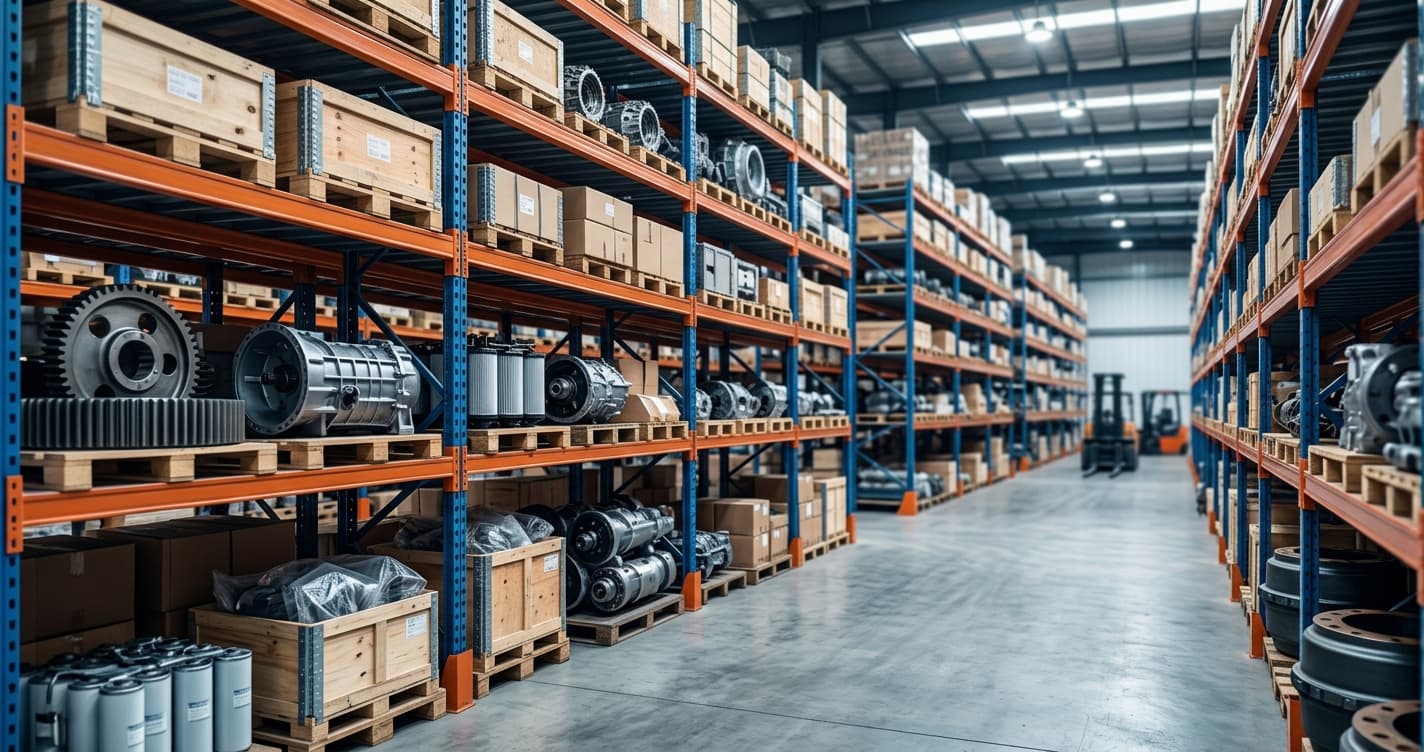
Test Drive + Operational Simulation (Make It Work Like You Work)
Simulate real duty: load, stop-and-go, grades, turning radius
Try to mimic your route patterns: tight turns, repeated braking, low-speed crawling, and short acceleration bursts.
For a dump unit, cycle the lift multiple times to confirm smooth operation and stable idle during PTO use.
This is especially important for used 10 wheel dump truck evaluation, because hydraulics and frame stress don’t always show up in a parking-lot glance.
Operator comfort is productivity
Cab comfort sounds “soft” until you realize discomfort creates mistakes, fatigue, and turnover.
Seat condition, visibility, noise, and control layout all affect daily productivity and safety.
- Seat & belts: check adjusters, tears, and locking function.
- Visibility: mirrors, blind spots, and wiper function.
- Noise/vibration: excessive vibration can signal mounts or driveline issues.
Decision Framework: Scoring a 10 Wheeler Truck Like a Pro
Build a simple scoring rubric (condition, records, job fit)
When decisions get emotional, scoring keeps you honest.
Weight job fit and mechanical condition heavily, then let service history and structure separate the “good” from the “great.”
This also reflects practical commercial truck reliability factors: a well-matched spec with good records usually has fewer surprises.
Table: Sample evaluation scoring sheet (no pricing)
| Criterion | Weight | What “Good” Looks Like | Notes |
|---|---|---|---|
| Job fit (spec match) | 30% | Axle ratings, gearing, body type match your routes | Prevents chronic over-stress |
| Mechanical condition | 30% | Clean road test, no major leaks/noise | Highest downtime predictor |
| Service history quality | 20% | Complete, consistent records | Reduces unknowns |
| Structural integrity | 10% | Frame/suspension sound, no bad repairs | Safety + longevity |
| Compliance readiness | 10% | No active faults, inspection-ready | Avoids immediate interruptions |
Common Problems When Buying a 10 Wheeler Truck (And How to Solve Them)
Problem 1: The truck looks strong, but it’s wrong for your route
Symptoms include overheating in slow traffic, frequent brake wear, and driver complaints about constant shifting.
To solve it, verify gearing suitability, cooling system condition, and brake/air health using your inspection checklist and a real route simulation.
Problem 2: “Clean and shiny” hides weak maintenance culture
A detailed wash can’t replace a detailed service log.
To solve it, prioritize the paper trail: ask for preventive maintenance records, repair work orders, and emissions service notes, then cross-check for consistent intervals.
Problem 3: Dump hydraulics work empty, but fail under real cycles
Empty lifts can look smooth while seals, pins, and fluid condition quietly complain.
To solve it, cycle the dump multiple times, listen for pump strain, inspect for seepage after the test, and check hinge pins and mounting areas for stress.
Problem 4: Electrical gremlins from “creative” wiring
Intermittent no-start issues and random warning lights often trace back to corrosion, poor grounds, or aftermarket wiring.
To solve it, inspect harness routing, look for non-factory splices, check ground points, and test charging health after the road test.
If you want examples of how other operators solved similar buying and uptime issues, visit our Customer Success Stories.


