Truck Oil Seals: What Does a Premium Seal Do for Commercial Trucks?
Work on commercial trucks long enough, and you learn one thing fast—little parts matter a whole lot. Oil seals are a perfect example. You just can’t afford to go cheap here. Skimp on quality, and it won’t just cost you cash. It messes up your whole schedule, makes your trucks unreliable, and brings on headaches that mess with your whole business. I’ve watched plenty of fleet owners cut corners on seals, only to get hit with big engine bills and late deliveries. Let me be straight—premium oil seals aren’t just a nice extra for your fleet. They’re non-negotiable. Even one tiny mistake with a low-quality seal can take your whole operation off the road for days, and that’s a risk no fleet can take.
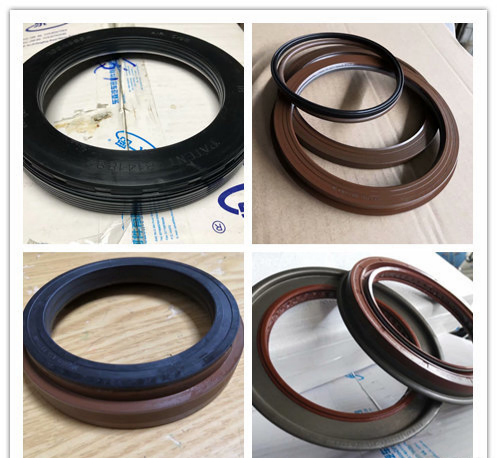
First off, let’s talk about what a premium oil seal actually does for your commercial truck. It’s not some tiny part you can just brush off—think of it like a barrier. It keeps your engine’s oil right where it should be, keeps dirt and gunk out, and stops leaks before they start.
If you skip out on a good seal and go cheap instead? Oil leaks out, dirt gets in, and before you know it, your engine’s seized up or you’re stuck on the side of the road. I’ve seen it happen: a client tried to save a few bucks with damage, and they missed out on deliveries. All that could’ve been avoided with a quality seal from the start. with a cheap seal, and within 3 weeks, it cracked. Oil leaked everywhere; they had to pay $1,500 to fix the engine.
The Hidden Cost of Cheap Oil Seals
Let me tell you—fleet folks love grabbing the cheapest oil seal they can find, thinking they’re scoring a deal. But it never works out. Those cheap seals? They dry out fast, crack as soon as you put them to use, and half the time they don’t even fit right. That means oil leaks, messed-up engines, and downtime that kills your schedule. Just last month, a guy brought in a truck that wouldn’t start—turns out, the cheap seal he used cracked, let dirt get into the bearings, and seized the whole engine up. He ended up paying three times what a premium seal would’ve cost, plus he lost three whole days of deliveries. Cutting corners here isn’t saving money—it’s throwing it away. Your fleet’s reliability depends on these small parts, and skimping on them is just asking for trouble.
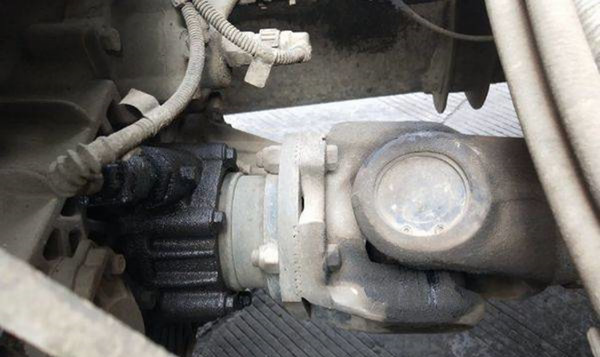
Phenomena Associated with Oil Leaks
The Core Job of Truck Oil Seals: Prevent Oil Leaks
Let’s start with the most basic thing a truck oil seal does: stop oil from leaking out of the truck’s important systems. Commercial trucks run on oil—engines, transmissions, differentials—all of them need that lubrication to not grind themselves to pieces. Without oil, those metal parts rub together, get hot fast, and break down before you can pull over. I’ve had a driver call me at 2 a.m. once, stuck on the side of the highway, because a single faulty truck oil seal sprung a transmission leak. By the time we got a tow and fixed it, he lost a full day of hauls—and spent $400 on repairs for a $25 part. That’s why I always tell drivers: don’t sleep on seals.
And here’s the thing—commercial trucks aren’t like your personal car. They’re hauling 40,000+ pounds, running 10+ hours a day, bouncing down potholed roads. That puts way more stress on the seals than a car ever would. A good truck oil seal isn’t just a flimsy barrier; it clings tight to those spinning shafts, making sure oil stays right where it needs to be. It’s not just “sealing” the oil, either—it keeps the pressure steady. So even when you’re hauling a heavy load up a steep hill, the lubrication doesn’t give out.Trust me, I’ve tested cheap seals and quality ones—there’s a night and day difference.
Want to learn how to spot oil leaks from worn-out seals before they leave you stranded? Head over to our guide on commercial truck oil leak troubleshooting for more tips I’ve picked up over the years.
Blocking Contaminants: A Hidden but Vital Role
Stopping leaks is big, but truck oil seals do something else that’s just as important—they keep dirt, dust, water, and road muck out of your truck’s systems. Think about where commercial trucks go: dirt roads, construction sites, muddy fields, even rainy highways. All that gunk gets kicked up, and if it gets into your engine or transmission? It’s like putting sand in a gearbox—scratching parts, wearing down gears, and costing you a fortune in repairs.
I had a driver come in last year with a seized differential—totaled, had to replace the whole thing. Turned out, a tiny crack in the oil seal let dirt get in, and over time, it wore down the gears faster than normal. That repair cost him $1,200—all because of a $30 seal he didn’t replace when he noticed a small oil spot. So a quality truck oil seal isn’t just about keeping oil in—it’s about keeping the bad stuff out. That’s the part most drivers miss, and it’s the one that costs ’em the most.
Protecting Key Components and Reducing Maintenance Costs
When truck oil seals work right, they’re protecting your truck’s most expensive parts—engine, transmission, differential. And let’s be real: replacing any of those is a nightmare for your wallet. Let me break down exactly how seals save you money, based on what I’ve seen:
Engine Protection
The crankshaft seal (that’s a type of truck oil seal) keeps oil in the engine block. Without it, oil leaks out, the engine overheats, and before you know it, you’re looking at a totaled engine. I’ve seen this happen twice—once to a driver who ignored a small oil leak for a month, thinking it was “no big deal.” The engine seized on the highway, and he had to spend $8,000 on a replacement. All because of a $20 seal. Don’t make that mistake—check your seals during every oil change.
Transmission and Differential Longevity
Transmissions and differentials run on gear oil, and truck oil seals keep that oil where it belongs. A leak here means gears grind together, which leads to transmission failure—a repair that can cost $3,000 to $5,000. I always tell drivers: checking your seals takes 2 minutes during maintenance, and it’s way cheaper than replacing a transmission. I had one client who started checking his seals monthly, and he cut his transmission repair costs in half over a year.
How to Tell When Your Truck Oil Seals Need Replacement
Even the best truck oil seals wear out—especially with heavy use. I’ve replaced hundreds of them, and there are a few signs I always tell drivers to watch for. First, check for oil stains under your truck—especially near the engine or transmission. If you park in the same spot and see a new puddle, that’s a red flag. I’ve had drivers say, “It’s just a small leak,” but small leaks turn into big problems fast.
Second, unusual noises—grinding, humming, or squeaking. If you hear that, it could mean oil is leaking, and parts are rubbing together without lubrication. I had a driver hear a grinding noise and ignore it for a week—it turned out his differential seal was shot, and he had to replace the gears. Third, overheating. If your engine or transmission is running hotter than normal, a faulty seal might be the culprit—no oil means more friction, which means more heat. Don’t wait until it’s too late—check those seals.
If you’re not sure which seal to replace (they come in different sizes for different trucks), our truck oil seals selection guide can help—I helped put it together, so it’s based on real trucks, not just generic info.
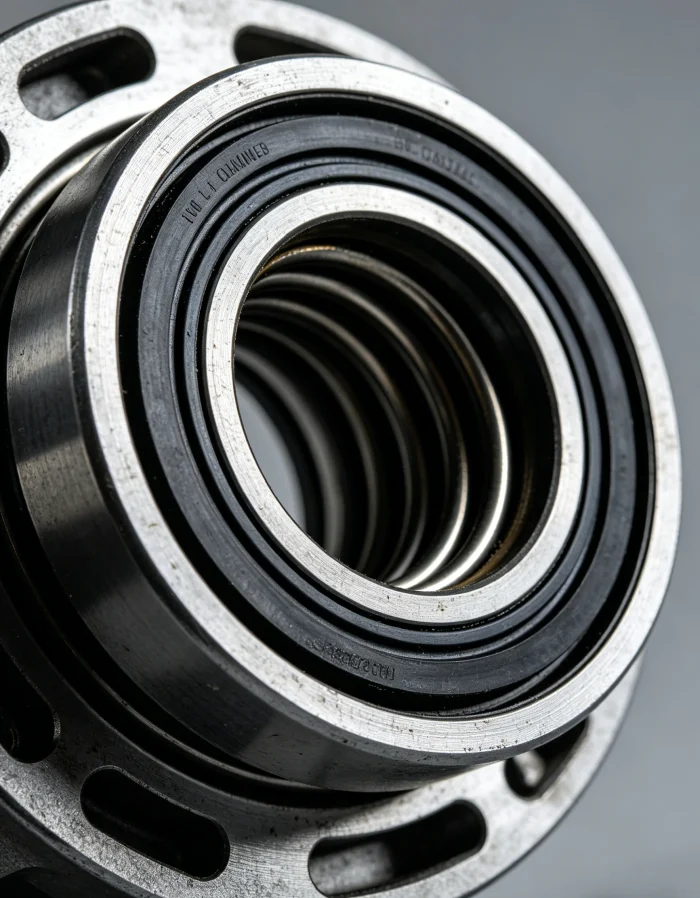
Close-up of high-quality truck oil seals
Why Quality Truck Oil Seals Matter
Let me tell you something I’ve seen time and time again—drivers trying to save a few bucks on cheap truck oil seals, and it always blows up in their face. Those cheap seals? They’re made with that thin, flimsy rubber that feels like it’ll tear if you pull it too hard. They crack easy, too—sometimes even before 6 months, not even the 2 years you get with a good one. I had this one driver a while back, he refused to spend more than $10 on a seal when the quality ones were $30. Ended up going through 3 sets in a single year, and then bam—transmission leak. Cost him $800 to fix, all because he didn’t want to drop an extra $20 per seal. Trust me, buying quality seals isn’t a waste—it’s saving you money down the line. They last way longer, seal tighter, and actually protect your truck’s parts like they’re supposed to.
Commercial trucks aren’t cheap—they’re a big investment. Think about it: you wouldn’t skimp on cheap tires, right? Because you know bad tires leave you stranded. So why skimp on oil seals? A good seal does one thing really well—it keeps your truck on the road. No breakdowns, no missed hauls, no costly downtime. I’ve got clients who switched to quality seals a couple years ago, and they tell me their maintenance costs dropped 30%. That’s not just a number—that’s extra cash in their pocket at the end of the month. Worth every penny, if you ask me.
Commercial trucks are an investment—you don’t skimp on tires, so why skimp on seals? A good seal ensures your truck stays on the road, hauls loads on time, and avoids costly downtime. I’ve had clients who switched to high-quality seals and saw their maintenance costs drop by 30%—that’s real money in your pocket.
Final Thoughts
So, to answer the question: what does an oil seal do for a commercial truck? It keeps oil in, keeps dirt out, protects your most expensive parts, and saves you from costly breakdowns. After 12 years in this industry, I can say with 100% confidence that neglecting truck oil seals is one of the biggest mistakes truck owners make.
Take 5 minutes during your next maintenance check to look at your seals. Replace them when they’re worn, buy quality ones, and don’t ignore small leaks. Your truck will thank you, and your wallet will too. For more tips I’ve learned from fixing trucks (not just reading manuals), visit our truck care resource center.