What Does a Premium Oil Seal Do for Truck Oil Seals?
If you run a truck fleet or handle maintenance, you’ve probably heard of truck oil seals—but do you know what a premium one actually does? I’ve been a truck maintenance tech for 8 years, and I can tell you this: skimping on oil seals is one of the costliest mistakes you’ll make. Last year, we used cheap seals on three fleet trucks; all three leaked within a month, costing us $800 in repairs and 2 days of downtime. Today, I’m breaking down exactly what a premium oil seal does for a truck, no fancy jargon—just real-world facts.
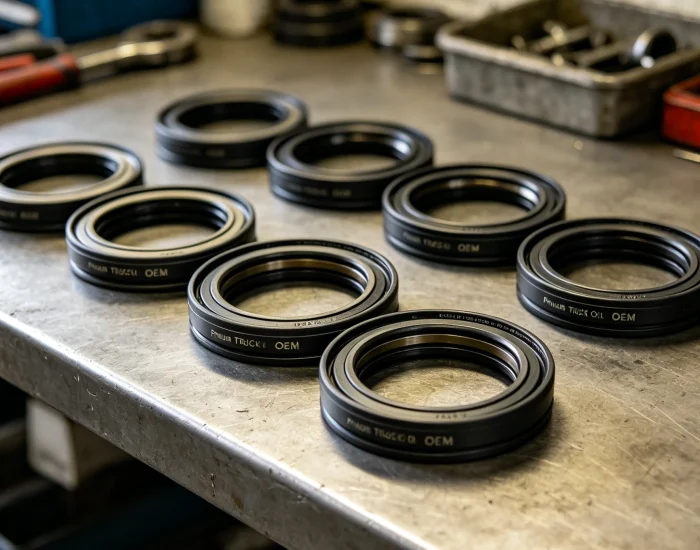
Premium truck oil seals
What Does a Premium Oil Seal Do for a Truck? Core Benefits
1. Prevents Costly Oil Leaks
First and foremost, a premium oil seal stops oil leaks—and not just any leaks, but the kind that ruin engines. Cheap seals dry out, crack, or wear down fast, letting oil seep out onto hot engine parts. That’s a fire risk, plain and simple. A premium seal? It’s made with tough materials that hold up to high heat and constant movement. I once swapped a cheap seal for a premium one on a truck that leaked nonstop; it’s been 18 months, and not a drop of oil has escaped. No more cleaning up messes or replacing lost oil.
2. Protects Engine Parts from Contamination
Beyond stopping leaks, a premium oil seal acts as a barrier against dirt, dust, and moisture. Trucks drive through all kinds of grime—mud, road salt, debris—and that stuff destroys engine parts if it gets inside. A premium seal keeps that junk out, protecting bearings, shafts, and other critical components. We had a truck once with a worn-out seal; dirt got into the crankshaft, and we had to replace the entire component for $1,200. A premium seal would’ve prevented that entirely.
Look, I get it—budgets are tight, and grabbing cheap truck oil seals to save a few bucks sounds like a good call. But let me be real with you: that “savings” ends up costing way more later. Those cheap seals? They wear out in 3 to 6 months max, tops. Premium ones? They last 1 to 2 years easily. We used to cut corners with budget seals, and our repair bills were through the roof—now we only use premium, and our oil-related repair costs dropped 60%.
And let’s talk about how premium truck oil seals hold up to the elements. Your truck sits in blistering heat and freezing cold and bounces over potholes all day—cheap seals crack under that stress. Premium ones? They’re built tough, with thick, durable materials that don’t dry out or break. I’ve seen a premium seal take a direct hit from a road stone and still not leak—you can’t say that about the cheap stuff.
Oh, and don’t sleep on the fit—cheap oil seals might look right, but they’re often off by a hair. We once had a cheap seal that was just a little too small; it leaked within a week, soaked the engine bay, and ruined a load of cargo we were hauling. Premium seals? They fit like a glove—no gaps, no leaks, just reliable protection for your engine.
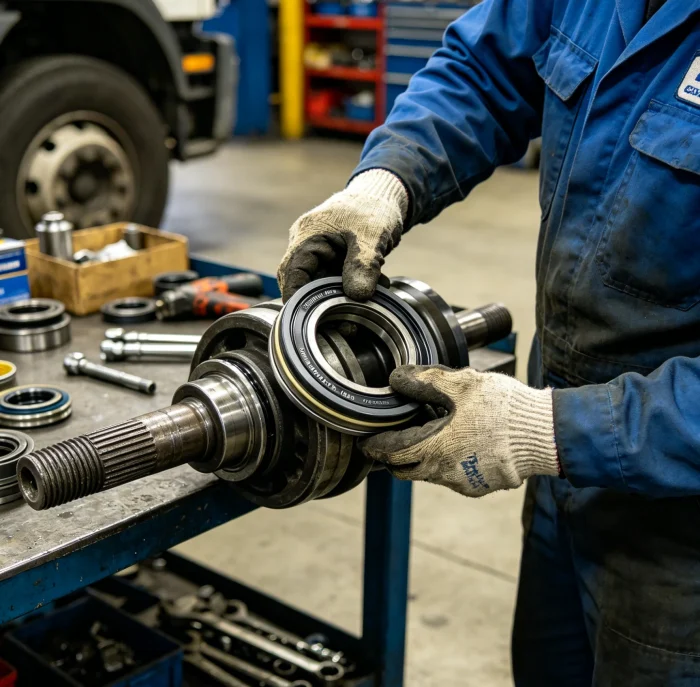
Mechanic installing a premium truck oil seal
How to Choose the Right Premium Truck Oil Seals
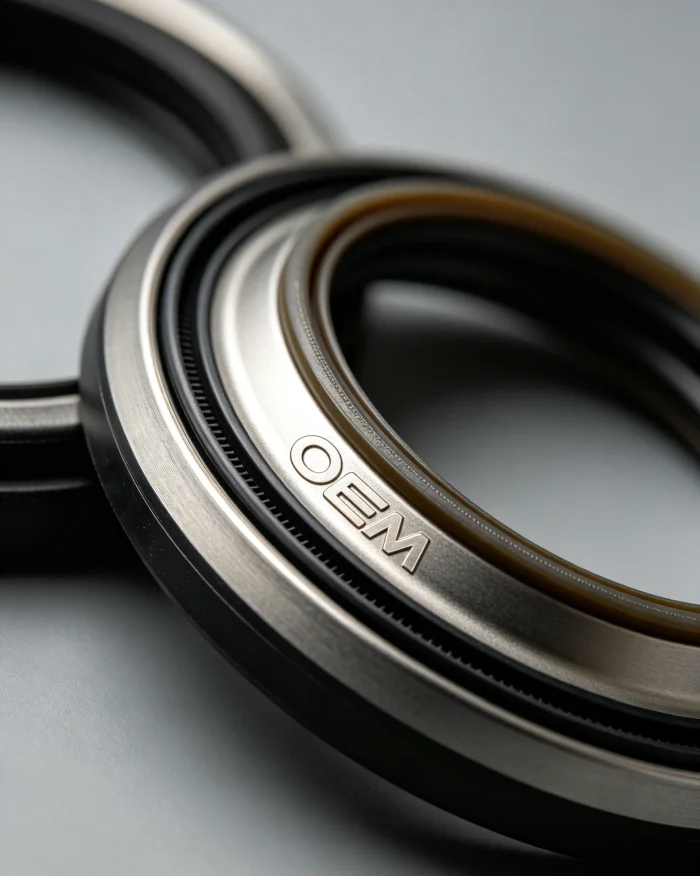
Not all premium truck oil seals are created equal—you need to pick the right one for your fleet. First, check the material: premium seals use nitrile rubber or fluoroelastomer, which resist heat and wear. Avoid seals made with cheap rubber; they’ll fail fast. I always check the OEM certification too—genuine premium seals have clear branding and documentation.
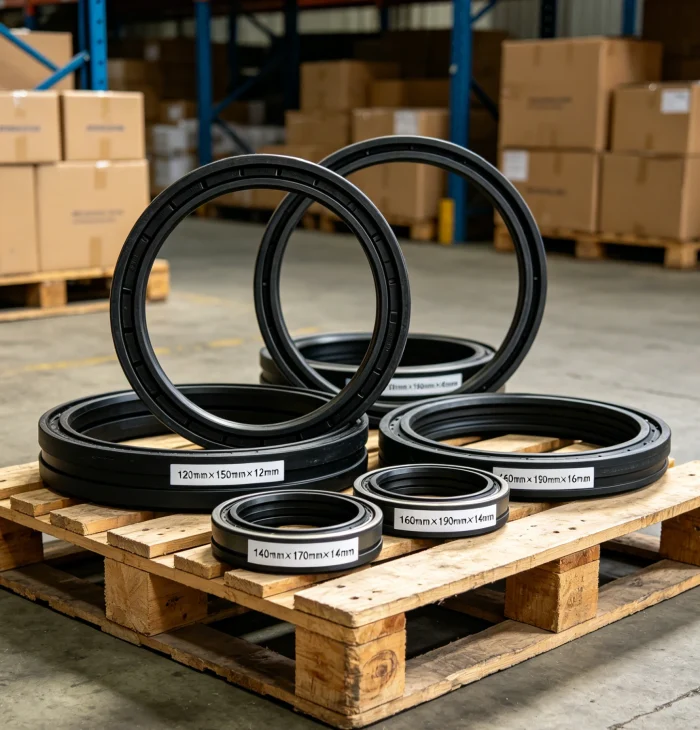
Also, match the seal to your truck’s make and model. A seal that fits a light-duty truck won’t work for a heavy-duty rig. We once made that mistake—bought a premium seal that was too small, and it leaked within a week. Now, we double-check the part number every time, and we haven’t had that issue since.
Even premium truck oil seals aren’t set-it-and-forget-it—they need regular care to last. I tell my team to check them every 6 months: look for cracks, wear, or any oil seepage. A quick visual check takes 2 minutes max, and it’ll save you from costly engine issues down the line. We also make it a habit to clean the seal area often—dirt buildup grinds down the seal’s lip way faster than you’d think, so that little extra effort pays off.
One more pro tip: don’t over-tighten seals during installation. Too much pressure crushes the flexible lip, rendering the seal useless. Our new tech learned this the hard way a few months back—he cranked a seal too tight, and it leaked by the end of the day. We swapped it out, tweaked the torque, and it’s been rock-solid ever since. Those small slip-ups? They cost time, money, and headaches—skip ’em.
Ever wonder how to keep your premium oil seals working their best? Don’t overcomplicate it—just check out the Premium Truck Oil Seal Maintenance Guide. It’s not full of fancy jargon, just straight-up, practical tips that actually work for real-world trucking.
Worried you’ll mess up your oil seals? Don’t stress—check out the Common Truck Oil Seal Mistakes to Avoid. It breaks down all the little slip-ups most fleets make (we’ve been there too!) and how to fix them fast, no guesswork needed.
Let me keep it real—premium oil seals aren’t some “nice-to-have” add-on. They’re non-negotiable if you want to keep your trucks on the road and your repair bills down. I’ve seen fleets cut corners on seals, only to end up replacing entire engine parts because of leaks. Spend a little extra on a quality seal now, and you’ll skip the late-night emergency calls, the costly engine repairs, and the stress of lost cargo. Trust me—this is one place you don’t want to cut corners. It’s worth every penny.