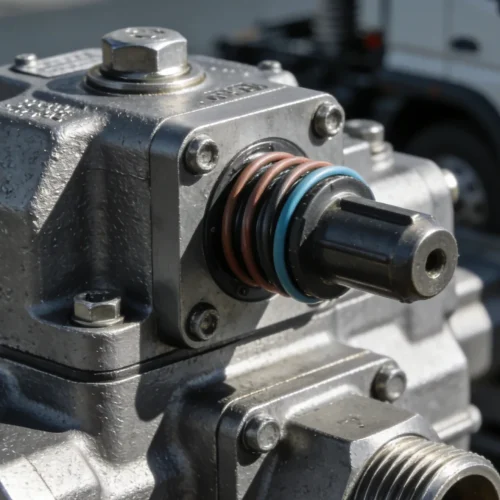
A solenoid valve is an indispensable component in heavy-duty truck systems, serving as a critical control mechanism for fluid flow.
It acts as a precision on-off switch, directly regulating how fluids move through the truck’s key systems—from braking and fuel delivery to hydraulic operations.
Without a properly functioning solenoid valve, a truck’s performance can decline rapidly, leading to costly delays, safety risks, and unexpected breakdowns.
Whether you manage a fleet of heavy-duty vehicles or operate a single truck, understanding how to care for, install, and maintain solenoid valves is essential to keeping your operations running smoothly and efficiently.
Proper care, timely maintenance, and correct installation of solenoid valves are non-negotiable for avoiding costly downtime.
Even small issues with a solenoid valve can snowball into larger problems, affecting the entire truck’s functionality.
This guide breaks down everything you need to know—from spotting early signs of a faulty valve to choosing the right part, installing it correctly, and keeping it in top condition for long-term reliability.
By following the guidance below, you’ll be able to minimize repair costs, extend the life of your solenoid valves, and ensure your heavy-duty truck operates at its best, whether you’re on long hauls or daily local routes.
⚙️ Solenoid Valves Are Execution Points in Truck Control Systems
In heavy-duty trucks, solenoid valves are not standalone components. They function as execution points within electronically controlled systems.
When the ECU sends a signal, the solenoid valve converts electrical energy into mechanical movement, controlling the flow of air, fuel, or hydraulic pressure.
This means solenoid valves act as the final control layer between electronic commands and physical system response.Because of this role, any failure in a solenoid valve directly affects system execution accuracy.
🔥 Why Solenoid Valve Failure Affects Multiple Truck Systems
A solenoid valve failure rarely affects only one function.In heavy-duty trucks, solenoids are used across multiple systems such as transmission shifting, fuel injection control, and air brake operation.
When a solenoid becomes stuck, delayed, or electrically unstable, it can disrupt pressure control or signal response across connected systems.This can result in shifting delays, power loss, or brake response inconsistency depending on the system involved.
⚠️ Why Solenoid Problems Are Often Misdiagnosed
Solenoid valve issues are frequently misdiagnosed because symptoms overlap with mechanical or sensor failures.For example, transmission shifting problems may be attributed to gearbox damage, when the actual issue is a faulty shift solenoid.
Similarly, fuel delivery instability may be mistaken for injector failure, when the root cause is electrical signal interruption to the solenoid valve.This makes system-level diagnosis essential before component replacement.
🧠 How Solenoid Valves Interact With ECU Control Logic
Modern heavy-duty trucks use ECU-controlled solenoid systems to regulate multiple operational functions in real time.The ECU sends electrical signals based on sensor data. The solenoid then activates or deactivates fluid or air pathways accordingly.
If signal timing is incorrect or valve response is delayed, the system experiences performance irregularities such as shifting delay, pressure imbalance, or unstable engine behavior.This tight integration means solenoid performance directly affects overall vehicle control precision.
💰 Fleet Impact of Solenoid Valve Failure
From a fleet operation perspective, solenoid valve issues can significantly increase maintenance complexity.A single faulty solenoid may cause symptoms across multiple systems, leading to unnecessary part replacement and extended diagnostic time.
This increases downtime and raises total maintenance costs, especially in vehicles with electronically controlled transmission and braking systems.
Common Signs of a Faulty Solenoid Valve
First and foremost, recognizing the early signs of a faulty solenoid valve is key to avoiding major system failures and expensive repairs.
Solenoid valves are critical to a truck’s operation, so even minor issues can have significant impacts. Being able to spot these signs quickly helps you address problems before they escalate.
One of the most obvious signs is unstable performance of the truck’s key systems. For example, if your truck’s brakes feel sluggish, unresponsive, or uneven, this may indicate a problem with the solenoid valve.
The valve may fail to open or close properly, interrupting the fluid flow needed for effective braking.
Abnormal fuel delivery is another clear indicator. If your truck experiences sputtering, unexpected stalling, or difficulty starting, the solenoid valve controlling fuel flow may be damaged.
This leads to reduced fuel efficiency and can even leave you stranded on the road if not addressed promptly.
In addition, unusual noises coming from the valve housing (such as clicking, buzzing, or rattling) are also warning signs.
These noises usually mean that the internal components of the solenoid valve are worn or misaligned.
Warning lights on the truck’s dashboard—especially those related to fluid pressure or the electrical system—also often indicate a solenoid valve malfunction.
Furthermore, leaks around the valve connections are undoubtedly a sign of trouble. These leaks usually come from worn seals or a faulty valve core, leading to fluid loss and reduced system efficiency.
Catching these leaks early can prevent further damage to other truck components and reduce repair costs.
Key Features of High-Quality Solenoid Valves
Not all solenoid valves are the same—especially those designed for heavy-duty trucks operating in harsh conditions.
The right solenoid valve must be able to withstand extreme temperatures, constant vibration, high pressure, and harsh environments.
Below are two key features to prioritize when choosing a solenoid valve for heavy-duty trucks.
Material and Durability
Top-tier solenoid valves are made of high-quality materials that can withstand the rigors of heavy-duty use.
The valve core should be made of durable materials such as brass or stainless steel, which are rust-resistant, corrosion-resistant, and wear-resistant.
These materials can also withstand extreme temperature fluctuations—from hot summers to cold winters—without deforming or being damaged.
The seals of the solenoid valve are equally important. Seals should be heat-resistant and fit tightly to prevent fluid leakage.
High-quality seals can also resist corrosive chemicals, road salt, and other contaminants that may damage the valve over time.
Well-constructed solenoid valves have a longer service life, reducing the need for frequent replacement and minimizing downtime.
Compatibility with Truck Systems
A solenoid valve can only work effectively if it is compatible with your truck’s specific make, model, and fluid system. Using an incompatible solenoid valve can lead to serious problems—from poor performance to complete system failure.
It can also damage other components such as fuel lines or hydraulic systems, resulting in more expensive repairs.
Before purchasing a solenoid valve, be sure to check your truck’s Original Equipment Manufacturer (OEM) specifications.
This ensures that the solenoid valve matches your truck’s fluid type, pressure requirements, and installation points.
Proper installation is crucial to maximizing the service life of your solenoid valve and ensuring it works properly. Even minor mistakes during installation can lead to leaks, malfunctions, or premature damage.
Follow these simple step-by-step instructions to install your solenoid valve safely and effectively.
First, gather all the necessary tools: a set of wrenches, an electrical tester, new gaskets, and a clean cloth. It’s also a good idea to have your truck manual on hand for reference.
Park the truck on a flat, stable surface and engage the parking brake to prevent movement during installation.
Next, locate the old solenoid valve. It is typically mounted near the truck’s fluid lines, such as the fuel or hydraulic system.
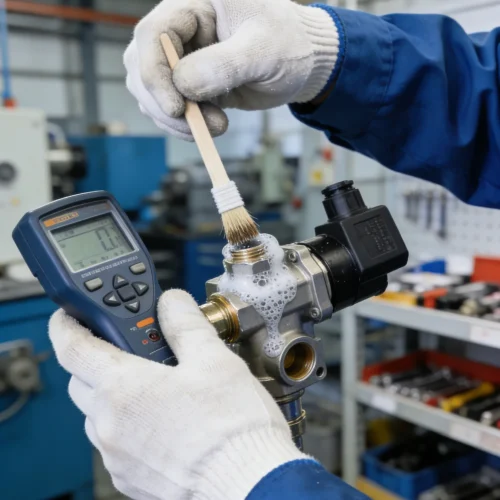
Carefully disconnect the electrical connectors attached to the valve—use the electrical tester to ensure there is no power running to the connectors to avoid electrical shock.
Then, use a wrench to loosen and remove the bolts or fittings that secure the valve to the truck’s system.
Before installing the new solenoid valve, clean the mounting surface thoroughly with a clean cloth to remove any dirt, debris, or old gasket material. This ensures a tight, leak-free seal.
Place the new gasket on the mounting surface—make sure it aligns with the bolt holes to prevent misalignment during installation.
Align the new solenoid valve with the mounting holes and hand-tighten the bolts to secure it in place. Do not over-tighten the bolts, as this can damage the valve or the mounting surface.
Once the valve is securely fastened, reconnect the electrical connectors—ensure they click into place to guarantee a proper electrical connection.
Finally, turn on the truck’s power and test the solenoid valve. Check for any fluid leaks around the valve connections and listen for unusual noises.
If the valve operates smoothly without leaks or abnormal sounds, the installation is complete. If you notice any issues, double-check the connections and gasket alignment before re-testing.
Daily Maintenance Tips for Solenoid Valves
Regular maintenance is the key to extending the service life of your solenoid valve and preventing unexpected breakdowns.
Heavy-duty trucks operate in tough conditions, so solenoid valves are exposed to dirt, vibration, and temperature changes—all of which can affect performance over time.
Follow these simple maintenance tips to keep your solenoid valve in top condition.
First, inspect the solenoid valve regularly—at least once a month or after every 5,000 miles of operation. Check the valve housing for cracks, corrosion, or damage.
Examine the electrical connectors for signs of wear, looseness, or corrosion, as poor electrical connections can cause the valve to malfunction. Tighten any loose connectors and clean them with a dry cloth if needed.
Second, keep the valve and its surrounding area clean. Use a dry cloth to wipe away dirt, dust, and debris that can accumulate on the valve.
Avoid using harsh chemicals or high-pressure water, as these can damage the valve’s seals and internal components. If the valve is particularly dirty, use a mild cleaning solution and a soft brush to gently remove debris.
Third, check the seals regularly for signs of wear or damage. Worn or cracked seals are a common cause of fluid leaks, which can lead to reduced system efficiency and costly repairs.
Replace any damaged seals immediately with OEM-approved parts to ensure compatibility and performance.
Fourth, monitor the truck’s fluid levels and quality. Contaminated or low fluid can damage the solenoid valve’s internal components.
Follow the truck manufacturer’s recommendations for fluid type and replacement intervals.
Regularly change the fluid and replace the filter to keep the system clean and protect the valve.
Finally, avoid overloading the truck or operating it beyond its recommended capacity. Excessive pressure on the fluid system can strain the solenoid valve, leading to premature wear and failure.
Adhering to the truck’s load limits and operating guidelines helps protect the valve and other critical components.
Solenoid Valve Routine Maintenance
Troubleshooting Common Solenoid Valve Issues
Even with proper maintenance, solenoid valves can sometimes malfunction. Knowing how to troubleshoot common issues can save you time and money and help you get your truck back on the road quickly.
Below are common solenoid valve problems and step-by-step solutions.
Solution: First, check the electrical connections. Ensure the connectors are securely attached and free of corrosion.
Use an electrical tester to check if power is reaching the valve—if not, check the truck’s fuse, wiring, and electrical system for faults.
If power is reaching the valve but it still doesn’t operate, the valve’s internal coil may be burned out. In this case, replace the solenoid valve with a new OEM-compatible unit.
Solution: Inspect the valve’s gaskets and seals for wear, cracks, or misalignment.
Replace any damaged gaskets or seals with OEM-approved parts. Check the bolts securing the valve—if they are loose, tighten them to the recommended torque.
If the valve housing is cracked, the valve must be replaced, as cracks cannot be repaired effectively.
Solution: Check for loose electrical connections or corroded terminals.
Clean the connectors and tighten them securely. Inspect the truck’s electrical system for voltage fluctuations, which can cause intermittent operation.
If the problem persists, the valve’s internal components may be worn or misaligned—consider replacing the valve to ensure consistent performance.
Disassemble the valve (if possible) and clean the internal components with a mild cleaning solution.
If the valve is severely clogged or damaged, replace it. Also, check the truck’s fluid filter—if it’s clogged, replace it to prevent further contamination.
❓ FAQ – Heavy Duty Truck Solenoid Valve
What is the working principle of a solenoid valve in a heavy-duty truck?
A solenoid valve works by converting electrical signals from the ECU into mechanical movement that controls the flow of air, fuel, or hydraulic pressure inside a system.
When the ECU sends an electrical current, the solenoid coil generates a magnetic field that moves a plunger inside the valve. This movement opens or closes internal passages, regulating pressure or flow in real time.
Because this process happens instantly and repeatedly, solenoid valves act as precision execution units in modern electronically controlled truck systems.
Why is a solenoid valve critical for modern truck operation?
Solenoid valves are critical because they serve as the interface between electronic control systems and mechanical execution systems.
In modern heavy-duty trucks, systems such as automatic transmission, air braking, fuel injection, and emission control rely on solenoids to execute ECU commands.
Without properly functioning solenoid valves, even a fully operational ECU cannot correctly control system behavior, leading to performance instability or system failure.
What happens when a solenoid valve starts to fail gradually?
When a solenoid valve begins to fail gradually, it typically shows intermittent or delayed response rather than complete failure at once.At the early stage, the valve may still function but respond slower than normal due to coil weakening, contamination, or internal wear.
As degradation continues, the valve may become stuck in open or closed positions, leading to unstable pressure regulation or incorrect system behavior.In advanced stages, the system may trigger error codes or enter protection mode due to inconsistent execution signals.
Can a bad solenoid valve cause transmission shifting problems?
Yes, a faulty transmission solenoid valve is one of the most common causes of shifting problems in automatic heavy-duty transmissions.The solenoid controls hydraulic pressure distribution inside the gearbox. If it fails, the transmission may experience delayed shifting, harsh gear engagement, slipping, or failure to change gears.
Because symptoms are similar to mechanical gearbox failure, solenoid issues are often misdiagnosed as internal transmission damage.
Why are solenoid valve failures often intermittent?
Solenoid valve failures are often intermittent because the problem is usually electrical or contamination-based rather than complete mechanical breakage.
Factors such as temperature changes, vibration, or inconsistent voltage supply can temporarily affect coil performance or valve movement.As a result, the valve may function normally during inspection but fail under real driving conditions, making diagnosis more difficult.
Can a faulty solenoid valve affect multiple truck systems at the same time?
Yes, in modern trucks, solenoid valves are used across multiple interconnected systems, meaning a failure can affect more than one function.
For example, electrical instability in a solenoid system may impact transmission shifting accuracy while also influencing engine performance or braking response, depending on system integration.
This cross-system influence is especially common in electronically controlled vehicles where multiple functions rely on shared ECU signals.
What are the most common causes of solenoid valve failure?
The most common causes of solenoid valve failure include electrical coil degradation, contamination from oil or debris, overheating, moisture intrusion, and long-term vibration stress.
In heavy-duty truck applications, continuous operation under high load significantly accelerates these wear factors, increasing the likelihood of failure over time.Poor maintenance of surrounding systems can also indirectly shorten solenoid valve lifespan.
Is it safe to continue driving with a failing solenoid valve?
Continuing to drive with a failing solenoid valve is not recommended because the affected system may operate under unstable conditions.Depending on the system involved, this can lead to delayed shifting, braking inconsistencies, or fuel control issues.
Even if the vehicle remains operable, continued use may increase wear on related components and lead to more expensive repairs.