Diesel truck engines are the backbone of heavy-duty hauling, powering fleets through long routes, heavy loads, and harsh working conditions.
Unlike gasoline engines, diesel units rely on compression ignition and robust components to handle extreme pressure, but constant wear and tear inevitably lead to issues.
Proactive monitoring of common problems and key parts is critical to keeping your rigs running smoothly, avoiding costly breakdowns, and maximizing the lifespan of your diesel truck engines.
Whether you’re a fleet manager, repair technician, or truck owner, understanding these common issues and their associated parts will help you address problems early and maintain consistent performance.
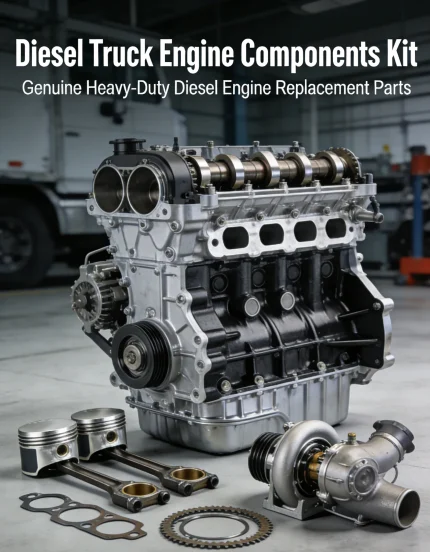
Genuine Heavy-Duty Diesel Engine Replacement Parts
Common Diesel Truck Engine Problems
Diesel truck engines are built for durability, but they are not immune to issues—especially when subjected to heavy use, poor maintenance, or harsh environments.
Below are the most prevalent problems, broken down with clear causes and warning signs to help you detect issues early.
Hard Starting (Cold or Warm Conditions)
First and foremost, hard starting is a prevalent issue for diesel truck engines, affecting both cold and warm starts.
This typically stems from clogged fuel filters or weak fuel delivery, as dirty filters restrict fuel flow and prevent smooth ignition—especially in cold weather, where diesel fuel can thicken and struggle to flow properly.
Additionally, a faulty glow plug (critical for cold starts) or a weak battery can also cause hard starting, as the engine needs sufficient power to generate the compression required for ignition.
If your truck takes multiple cranks to start or fails to start altogether in cold temperatures, it’s likely related to one of these issues.
Black exhaust smoke
Additionally, black exhaust smoke is a clear sign of trouble that should never be ignored. It indicates an imbalanced air-fuel mixture, often caused by a dirty air filter or faulty injectors that disrupt complete combustion.
When the engine receives too much fuel or not enough air, unburned fuel exits through the exhaust as black smoke, wasting fuel and damaging internal parts (like the turbocharger) over time.
Other causes include a clogged EGR valve or a malfunctioning fuel pressure regulator, both of which can throw off the air-fuel balance and lead to excessive smoke.
Low Oil Pressure
Moreover, low oil pressure poses a serious risk to internal components, as it directly impacts lubrication.
Worn oil pumps or blocked oil passages reduce the flow of oil to critical moving parts, leading to increased friction between components like bearings, pistons, and crankshafts.
This friction can cause excessive heat, wear, and even seizure of the engine if left unaddressed. Warning signs of low oil pressure include a lit oil pressure warning light, knocking noises from the engine, or increased oil consumption.
Regular oil changes and inspections of the oil pump can help prevent this issue.
Engine Overheating
Furthermore, engine overheating is common during heavy use or long hauls, as the cooling system struggles to keep up with the engine’s heat output.
A failing water pump, clogged radiator, or broken thermostat disrupts the cooling system, preventing coolant from circulating properly.
Prolonged overheating can warp cylinder heads, blow gaskets, or even seize the engine—resulting in costly repairs and significant downtime.
Signs of overheating include a rising temperature gauge, steam from the engine bay, or a sweet smell (indicating coolant leakage).
Unusual Engine Noises
Lastly, unusual noises—such as knocking, rattling, or squealing—should never be ignored, as they often signal mechanical trouble.
Knocking noises typically indicate worn injectors, loose bearings, or a faulty timing chain, while rattling may point to failing turbo parts or loose components.
Squealing noises are often caused by a worn fan belt or pulley, which can lead to overheating if the fan fails to operate properly.
These sounds can escalate to complete engine failure if left unaddressed, so it’s critical to inspect the engine at the first sign of unusual noise.
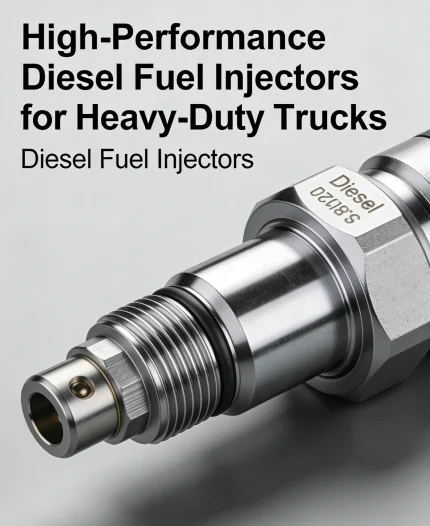
High-Performance Diesel Fuel Injectors for Heavy-Duty Trucks
Key Diesel Truck Engine Parts to Monitor
A diesel truck engine’s performance and lifespan depend on the condition of its core components.
Regular monitoring and timely replacement of these parts can prevent common problems and avoid costly breakdowns. Below are the key parts to keep an eye on, along with their functions and signs of wear.
Fuel Injectors
Fuel injectors are critical for engine performance, as they control precise fuel delivery into the combustion chamber.
They atomize fuel into a fine mist, ensuring efficient combustion and optimal power output. Worn or clogged injectors cause rough idling, poor acceleration, increased fuel consumption, and even black exhaust smoke.
Over time, injectors can become clogged with dirt or carbon deposits, or their nozzles can wear out, leading to inconsistent fuel delivery. You can find reliable, OEM-matching replacements in our diesel fuel injectorscollection.
Piston Rings
Piston rings seal compression within the engine’s cylinders, preventing air and fuel from leaking into the crankcase and oil from entering the combustion chamber.
Damaged or worn piston rings allow oil to leak into the combustion chamber—leading to blue exhaust smoke, lost power, and reduced fuel efficiency.
They can also cause a loss of compression, which weakens engine performance and increases wear on other components.
Regular inspection during oil changes can help catch wear early and avoid costly engine overhauls.
Water Pump
The water pump regulates coolant flow throughout the engine, ensuring that heat is dissipated through the radiator and preventing overheating during continuous operation and heavy loads.
It is driven by a belt and uses impellers to circulate coolant, and a faulty water pump (indicated by leaks, unusual noise, or a loose belt) quickly leads to engine overheating.
A failing water pump can also cause coolant to leak, which further exacerbates overheating issues. Replace it promptly at the first sign of trouble; explore our engine cooling parts for compatible options.
Oil Pump
Oil pumps maintain steady lubrication for the engine’s moving parts, ensuring minimal friction and wear.
They draw oil from the oil pan and deliver it to critical components like bearings, pistons, and the crankshaft, keeping them cool and protected.
A worn or failing oil pump starves components of vital oil, causing rapid damage and potential engine failure. Signs of a faulty oil pump include low oil pressure, knocking noises, and increased oil consumption. Pair replacements with high-quality diesel engine oil for optimal protection.
Gaskets and Seals
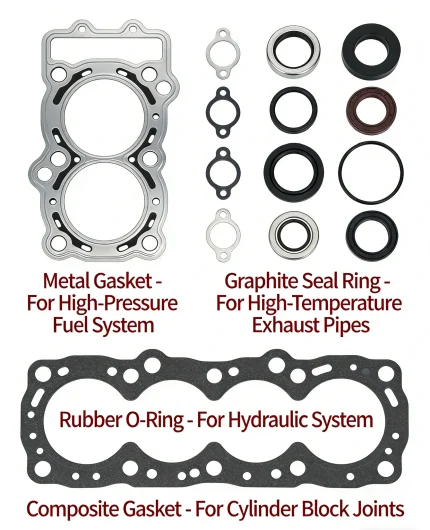
Gaskets and seals prevent leaks between engine sections, including the cylinder head, oil pan, intake manifold, and turbocharger.
They create a tight seal that keeps oil, coolant, and fuel from mixing or leaking out of the engine. Blown head gaskets are particularly problematic, as they can mix coolant and oil—destroying internal components and leading to engine failure.
Other common leaks include oil pan gaskets and valve cover gaskets, which can cause oil loss and increased wear. Our diesel engine gaskets offer durable, heat-resistant sealing for heavy-duty use.
Heavy-Duty Diesel Engine Sealing Components
🧠 Diesel Engine Is a Controlled Combustion Cycle System
Diesel engines operate through a continuous combustion cycle that depends on precise coordination between air intake, fuel injection, compression, and exhaust release.Air is first compressed inside the cylinder, increasing its temperature. At the same time, fuel injectors deliver a precise amount of diesel fuel into the combustion chamber. The mixture ignites due to compression heat rather than spark ignition.
After combustion, exhaust gases are expelled, and the cycle repeats continuously under high load conditions.Because this system depends on timing and balance, even small deviations in fuel delivery or air intake can significantly affect engine performance.
🔥 Why Diesel Engine Problems Usually Start Small but Grow Fast
Most diesel engine failures do not happen suddenly. Instead, they begin as minor inefficiencies that gradually affect combustion balance.For example, a slightly clogged fuel injector may not immediately cause failure, but it will gradually reduce fuel atomization quality. This leads to incomplete combustion, which increases carbon buildup inside the engine.
Similarly, restricted air intake may reduce oxygen supply, forcing the engine to operate under richer fuel conditions, increasing exhaust smoke and internal temperature.Over time, these small inefficiencies create additional stress on multiple engine components, leading to system-wide performance decline.
⚠️ Why Diesel Engine Symptoms Are Often Misleading
One of the biggest challenges in diesel engine diagnostics is that symptoms often appear in different locations from the actual root cause.For example, black smoke may indicate injector issues, but in some cases it is caused by turbocharger inefficiency or restricted airflow.
Similarly, engine vibration may appear to be a mechanical issue, but it could originate from uneven fuel delivery or compression imbalance between cylinders.This misalignment between symptoms and root causes makes diesel engine troubleshooting more complex than it appears.
🔍 What Fails First in a Diesel Engine System
In real-world operation, diesel engine components do not fail randomly. There is a predictable failure pattern based on heat exposure, pressure, and contamination.Fuel system components, especially injectors and filters, are usually the first to degrade due to fuel impurities and high injection pressure.
Next, turbochargers often show wear due to continuous exposure to high exhaust temperatures and lubrication dependency.Sensors and electronic control components may not physically fail as often, but they can introduce incorrect data that affects engine performance.
Finally, internal engine components such as pistons and cylinders are affected after long-term stress accumulation.
Simple Maintenance Tips to Avoid Issues
Preventive maintenance is the best way to avoid common diesel truck engine problems and extend the lifespan of your engine.
By following these simple tips, you can reduce downtime, lower maintenance costs, and keep your fleet running reliably.
Follow a Regular Filter Replacement Schedule
To start, replace fuel and air filters on the manufacturer’s recommended schedule. Clean filters improve airflow and fuel purity, preventing many common starting, performance, and exhaust issues.
Fuel filters prevent dirt and debris from entering the fuel system, while air filters ensure the engine receives clean air for combustion.
Neglecting filter replacement can lead to clogged injectors, reduced fuel efficiency, and engine damage over time.
Check Fluids Daily
Next, check oil and coolant levels daily before operating your truck. Low fluids accelerate component wear, so always use manufacturer-recommended oil and coolant to maintain optimal protection and performance.
Oil lubricates moving parts, while coolant regulates engine temperature—both are critical for engine health.
If you notice a sudden drop in fluid levels, inspect for leaks and address them promptly.
Inspect Key Components Regularly
Also, inspect injectors, turbo components, and hoses regularly for signs of wear or leaks. Clean or replace faulty parts promptly to restore power and reduce fuel consumption.
For example, a leaking turbo hose can reduce boost pressure and lead to poor performance, while a clogged injector can cause rough idling.
Even with regular maintenance, diesel truck engines can develop issues. Knowing how to troubleshoot common problems can help you identify the root cause quickly and avoid unnecessary repairs.
Below is a simple troubleshooting guide for the most frequent issues.
Troubleshooting Hard Starting
If your truck is hard to start, begin by checking the battery and glow plugs (for cold starts). A weak battery may not provide enough power to crank the engine, while faulty glow plugs will struggle to warm the combustion chamber in cold weather.
Next, inspect the fuel filters—clogged filters are a common cause of fuel delivery issues. If the filters are clean, check the fuel pressure regulator to ensure it’s delivering fuel at the correct pressure.
Troubleshooting Black Exhaust Smoke
Black exhaust smoke is almost always related to an air-fuel imbalance. Start by replacing the air filter—if it’s dirty, it will restrict airflow and cause excessive fuel consumption.
If the air filter is clean, inspect the fuel injectors for clogs or wear. You can also check the EGR valve, as a clogged or malfunctioning EGR valve can cause incomplete combustion and black smoke.
If these steps don’t resolve the issue, have a technician check the fuel pressure regulator.
Troubleshooting Low Oil Pressure
Low oil pressure requires immediate attention to avoid engine damage. First, check the oil level—if it’s low, add the recommended oil.
If the oil level is normal, inspect the oil pump for wear or leaks. A worn oil pump may need to be replaced, as it can’t maintain adequate pressure.
Additionally, check for blocked oil passages, which can restrict oil flow. If you hear knocking noises, shut off the engine immediately to prevent further damage.
Choosing the Right Replacement Parts
When it comes to replacing diesel truck engine parts, choosing the right components is critical for performance and durability.
Not all parts are created equal, and using low-quality or incompatible parts can lead to further issues and costly repairs. Below are key factors to consider when selecting replacement parts.
Prioritize Genuine/OEM Parts
Genuine or OEM parts are designed to match your diesel truck engine’s specifications, ensuring a perfect fit and optimal performance.
They are manufactured to the same standards as the original parts, so you can trust them to withstand heavy-duty use.
While they may cost slightly more than aftermarket parts, they offer better durability and reliability, saving you money in the long run.
Check Compatibility
Always check that the replacement part is compatible with your truck’s make, model, and engine type.
Diesel engines vary significantly between manufacturers and models, so a part that fits one truck may not fit another.
Ourdiesel engine parts catalog allows you to filter parts by truck model, making it easy to find compatible components.
Consider Performance Needs
If your truck is used for heavy hauling or off-road use, consider upgrading to high-performance parts that can handle increased stress.
For example, high-performance fuel injectors can improve fuel efficiency and power, while heavy-duty gaskets can withstand higher temperatures and pressure.
Choose parts that align with your truck’s usage to ensure long-lasting performance.
❓ FAQ – Diesel Truck Engine Problems & Parts
What are the most common diesel engine problems in trucks?
Diesel truck engines commonly experience issues related to fuel delivery, air intake, turbo performance, and emission system stability. Among the most frequent problems are hard starting, loss of power under load, excessive exhaust smoke, and rough idling.
These issues are usually not caused by a single component failure but by system imbalance. For example, fuel injector wear, clogged filters, or turbocharger inefficiency can all affect combustion quality and overall engine performance.
Because diesel engines operate under high compression and continuous load conditions, even small inefficiencies can quickly develop into noticeable performance issues.
Which diesel engine parts fail most frequently?
The most failure-prone diesel engine parts typically include fuel injectors, turbochargers, EGR valves, fuel filters, sensors, and high-pressure fuel pumps.
Fuel injectors are especially sensitive to fuel quality and contamination, making them one of the earliest components to degrade. Turbochargers are also commonly affected due to constant exposure to high temperatures and oil dependency.
Sensors such as MAP, MAF, and fuel rail pressure sensors may not physically fail often, but they can produce inaccurate readings that lead to incorrect engine behavior.These parts are all closely connected, meaning failure in one area often influences the performance of others.
Why do diesel engines lose power under load?
Power loss in diesel engines under load is usually caused by insufficient fuel delivery, restricted air intake, or turbocharger inefficiency.When fuel injectors become partially clogged or fuel pressure drops, the engine cannot deliver enough energy during combustion. Similarly, air restrictions or turbo wear reduce oxygen supply, leading to incomplete combustion.
This condition becomes more noticeable during uphill driving or heavy cargo transport because the engine is under maximum demand.If ignored, prolonged power loss can increase fuel consumption and accelerate internal engine wear.
Why do diesel engines produce black or white smoke?
Black smoke in diesel engines usually indicates incomplete combustion caused by excess fuel, restricted air intake, or faulty injectors. White smoke often points to unburned fuel or coolant entering the combustion chamber, while blue smoke indicates oil burning inside the engine.These smoke patterns are important diagnostic indicators because they reflect different types of system imbalance.
For example, black smoke is often linked to turbo underperformance or injector overfueling, while white smoke may suggest low compression or injector timing issues.Understanding smoke color helps identify which subsystem is likely affected before performing deeper diagnostics.
Can small diesel engine problems lead to major failures?
Yes, small diesel engine problems can escalate into major failures if not addressed early. Diesel engines operate under high pressure and temperature, so minor inefficiencies can quickly create additional stress on connected systems.For example, a slightly clogged fuel filter can increase pump strain, while weak injector performance can lead to incomplete combustion and carbon buildup.
Over time, these small issues increase internal friction, reduce efficiency, and accelerate wear across multiple engine components.This is why early detection and routine maintenance are critical in diesel engine operation.
Why do diesel engine problems often appear suddenly?
Although diesel engine issues usually develop gradually, they often appear sudden to drivers because the system compensates for small failures until a tipping point is reached.For instance, a partially failing injector or weakening turbocharger may not immediately affect performance. However, once efficiency drops below a certain threshold, the engine can no longer compensate, leading to sudden power loss or visible smoke.
This delayed failure behavior makes diesel engine diagnostics more complex compared to simpler mechanical systems.
What role do fuel injectors play in diesel engine performance?
Fuel injectors are responsible for delivering precise amounts of fuel into the combustion chamber at extremely high pressure and exact timing.Their performance directly affects combustion efficiency, power output, fuel economy, and emission levels. When injectors become worn or contaminated, fuel atomization becomes inconsistent, leading to poor combustion and performance issues.
Because diesel engines rely entirely on compression ignition, injector precision is critical for stable operation.Even small deviations in injector performance can create noticeable engine symptoms.
How does turbocharger failure affect diesel engines?
A failing turbocharger reduces the amount of compressed air entering the engine, which directly impacts combustion efficiency.Without sufficient air pressure, fuel cannot burn completely, leading to power loss, increased exhaust smoke, and higher fuel consumption.
Turbocharger issues are often caused by oil starvation, bearing wear, or excessive heat exposure over time.Since turbo systems operate under extreme conditions, even minor lubrication problems can quickly lead to performance degradation.
Why do diesel engines experience rough idle or knocking?
Rough idle or knocking in diesel engines is often caused by uneven fuel delivery, injector imbalance, or unstable combustion timing.When one or more cylinders receive inconsistent fuel supply, combustion becomes irregular, resulting in vibration or knocking sounds.
Air bubbles in the fuel system or low injection pressure can also contribute to unstable idle conditions.These symptoms often indicate early-stage injector or fuel system issues that should be addressed before they develop further.
How can diesel engine problems be prevented?
Diesel engine problems can be significantly reduced through consistent maintenance of fuel quality, air filtration, lubrication systems, and sensor accuracy.Regular replacement of fuel filters helps prevent injector contamination. Monitoring oil condition ensures proper lubrication of turbochargers and internal components.
Additionally, periodic diagnostic scanning can detect sensor irregularities before they affect engine performance.Preventive maintenance is especially important for heavy-duty trucks operating under continuous load conditions, where small issues can escalate quickly.