The shock absorber is one of the most critical components in a vehicle’s suspension system.
It directly affects driving comfort, stability, and overall safety.
Unlike ordinary vehicle parts with a single role, it mitigates road vibrations, keeps tires in contact with the road, and protects other key components from excessive wear.
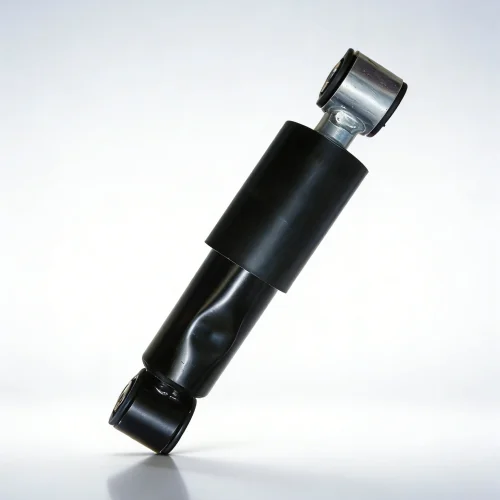
Shock Absorber Product
A well-functioning shock absorber improves driving experience and reduces accident risks, whether for daily commuting or long-distance transportation.
It works seamlessly with other suspension components to keep the vehicle running smoothly on uneven roads.
Many drivers overlook the shock absorber’s importance in daily use, only noticing it when faults occur.
However, its performance impacts vehicle handling, passenger comfort, and the service life of related parts.
This guide details its functions, fault diagnosis, maintenance, and selection to help you fully understand and use this essential component.
1. Core Functions of Shock Absorbers
The shock absorber’s core function is to control vehicle body movement and reduce vibrations from road irregularities.
It converts kinetic energy from road bumps into heat energy, which then dissipates naturally.
First, it absorbs and buffers impact from uneven roads, preventing excessive body bouncing.
This improves riding comfort and helps drivers maintain better control of the vehicle.
Second, it keeps tires in stable contact with the road at all times. This is crucial for good traction, especially during sudden braking or sharp turns, as it prevents tires from skidding.
Additionally, it protects other suspension components and the vehicle body from excessive wear.
By reducing road vibration impact, it extends the service life of tires, chassis, and steering components.
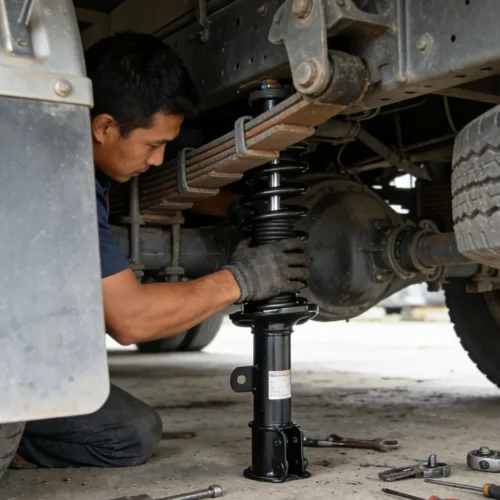
High-definition photo of technician maintaining shock absorber
2. Fault Diagnosis of Shock Absorbers
2.1 Common Fault Phenomena
Shock absorbers are prone to wear and failure due to long-term use and harsh road conditions.
Common faults include oil leakage, weakened buffering, abnormal noise, and reduced stability.
Oil leakage is the most obvious sign of a faulty shock absorber. Worn or damaged seals cause it, leading to lost hydraulic pressure and significantly reduced buffering performance.
Weakened buffering capacity is another common issue. It shows as excessive body bouncing when passing over bumps, affecting comfort and reducing vehicle stability and handling.
Abnormal noise—such as creaking or rattling when turning or driving on rough roads—often indicates internal component wear or loose connections.
2.2 Simple Diagnosis Methods
You can diagnose shock absorber faults easily without professional equipment. First, visually check for oil stains.
Any oil leakage means a seal failure that needs immediate attention.
Next, press firmly on the vehicle body above each wheel.
If the vehicle bounces more than 2-3 times after releasing, the shock absorber’s buffering capacity has dropped significantly and needs inspection or replacement.
For a more professional diagnosis, refer to the vehicle suspension fault diagnosis guide. It provides detailed steps and standards for identifying and resolving issues.
3. Daily Maintenance of Shock Absorbers
Proper maintenance extends the shock absorber’s service life and ensures stable performance.
Regular inspection and care reduce fault risks and avoid unnecessary repair costs.
First, regularly clean the shock absorber’s surface to remove dust, dirt, and debris. This prevents corrosion and ensures moving parts work normally.
Second, check connection bolts and fasteners regularly to ensure they are tight. Loose bolts cause abnormal noise, affect performance, and even create safety hazards.
Third, avoid overloading the vehicle. Excessive weight puts extra pressure on the shock absorber and accelerates wear.
Also, avoid frequent driving on extremely rough roads, as this stresses the component.
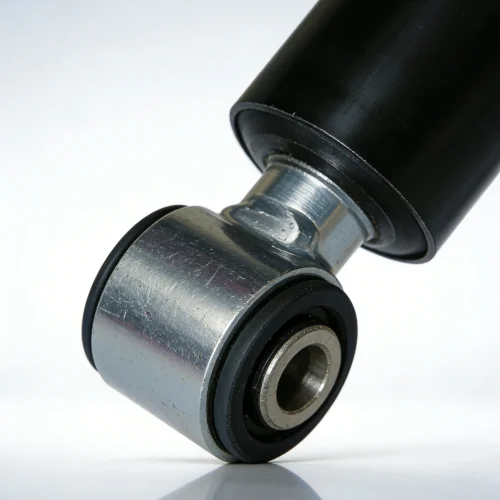
High-definition close-up photo of shock absorber
Address any abnormal signs—such as unusual noise or reduced comfort—promptly.
This prevents further damage to the shock absorber and other suspension components.
4. Selection of Shock Absorbers
Choosing the right shock absorber is crucial for optimal performance and safety.
Consider these key factors to avoid mismatches and potential failures.
First, ensure the shock absorber matches your vehicle’s model, load capacity, and suspension type.
A mismatched one will fail to buffer effectively and may damage other suspension components.
Second, prioritize products with reliable quality and good after-sales service. High-quality shock absorbers use durable materials and undergo strict testing for long-term stability.
Avoid low-quality, cheap shock absorbers. They fail prematurely and pose serious safety risks.
For detailed selection parameters and model guidance, refer to the vehicle parts selection guide.
5. Summary
The shock absorber is indispensable to a vehicle’s suspension system. Its functions directly affect driving comfort, stability, and safety.
It plays a vital role in absorbing road vibrations and extending other components’ service life.
Understanding its core functions, mastering fault diagnosis, performing regular maintenance, and choosing the right product extends its service life.
This reduces failure risks and ensures a safe, comfortable driving experience.
Whether you’re a daily commuter or commercial vehicle operator, proper maintenance and use of the shock absorber maximizes vehicle performance and avoids unnecessary safety hazards.