
How to Maintain Truck Suspension
The truck suspension system is the backbone of safe and efficient operation, responsible for absorbing road vibrations, supporting the vehicle’s weight, and ensuring stable handling—whether you’re hauling heavy loads or navigating rough terrain.
For truck owners and fleet managers, mastering proper suspension maintenance not only avoids costly repairs but also safeguards driver safety and minimizes downtime.
Additionally, a well-maintained suspension reduces wear on other vehicle components, improves fuel efficiency, and extends the truck’s overall lifespan.
Below, we’ve outlined a comprehensive, step-by-step guide to maintaining your truck’s suspension, complete with practical tips and key checks to keep the system running smoothly.
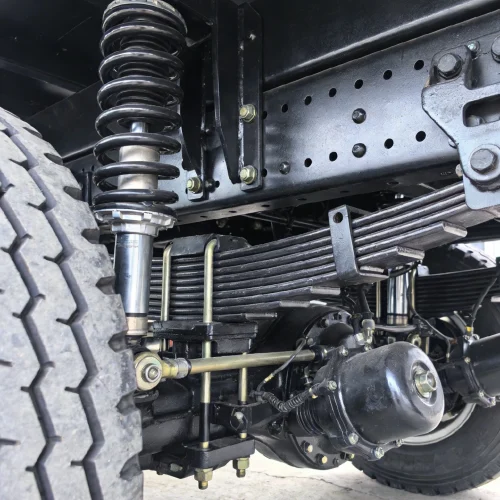
High-Quality Suspension Components for Longevity
1. Start with Daily Visual Inspections (5-Minute Check)
Daily visual checks are the simplest and most effective way to catch small issues before they escalate into major problems.
This quick routine takes just a few minutes but can save you from expensive future repairs. First, park your truck on a level surface and turn off the engine—safety always comes first.
Next, inspect the suspension components for obvious damage: look for bent leaf springs, leaking shock absorbers (visible oil stains around the shock body), loose mounting bolts, or cracked bushings.
Specifically, pay close attention to rubber bushings, as they wear easily; a cracked or missing bushing will cause excessive vibration and uneven tire wear.
Additionally, check the suspension’s overall alignment by examining the tires. If you notice uneven tread wear (e.g., one side of the tire wears more than the other), this clearly indicates the suspension is out of alignment or a component is failing.
Ultimately, these simple visual checks help you stay ahead of potential issues and keep your truck on the road.
2. Maintain Proper Lubrication for Moving Parts
The suspension system relies on smooth movement between its components, and proper lubrication is key to reducing friction and preventing premature wear.
Focus on critical moving parts: kingpins, shackle pins, and pivot joints. Since these parts bear the brunt of the truck’s weight and road vibrations, keeping them well-lubricated ensures smooth operation and extends their service life.
2.1 Choose the Right Lubricant
Not all lubricants are the same—you should select a high-quality grease specifically formulated for heavy-duty truck suspensions.
Be sure to look for products designed to withstand high pressure, extreme temperatures, and heavy loads.
Avoid generic or low-quality greases, as they break down quickly and fail to provide adequate protection, leading to increased friction and component damage.
2.2 Follow a Lubrication Schedule
For regularly used trucks (daily or weekly hauling), you should lubricate the moving suspension parts every 3,000 to 5,000 miles.
When applying grease, do so evenly to kingpins, shackle pins, and pivot joints, and wipe away any excess to prevent dirt and debris from sticking.
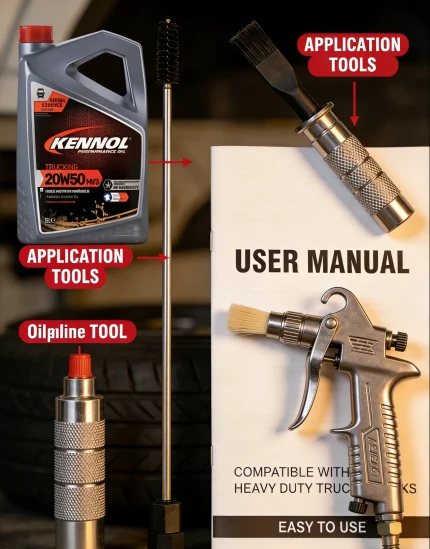
Premium Lubricants and Tools for Suspension Maintenance
3. Inspect and Replace Shock Absorbers Promptly
Shock absorbers are critical to suspension performance—they control bounce, reduce vibration, and ensure the tires stay in contact with the road.
A faulty shock absorber will lead to poor handling, increased braking distance, and uneven tire wear. To keep your suspension working effectively, you must regularly inspect your shock absorbers for wear signs.
3.1 Identify Signs of Wear
Common signs of a failing shock absorber include excessive bouncing (the truck continues to bounce after hitting a bump), oil leaks (visible on the shock body), or a rough, uncomfortable ride.
If you notice any of these issues, you should inspect the shock absorber closely immediately.
3.2 Choose Reliable Replacements
When replacing shock absorbers, opt for high-quality, heavy-duty options that match your truck’s make and model.
Our truck shock absorbers collection offers durable, compatible parts designed to handle heavy loads and rough road conditions.
Avoid cheap, low-quality replacements, as they wear out quickly and can cause further damage to the suspension system.
4. Check and Adjust Wheel Alignment
Wheel alignment is often overlooked, but it plays a crucial role in suspension health.
Misaligned wheels put extra stress on suspension components, leading to premature wear and poor handling. A properly aligned truck ensures even tire wear and stable driving.
Have your wheel alignment checked at least twice a year, or more frequently if you drive on rough terrain or hit large potholes.
A professional alignment ensures that the wheels are properly aligned with the suspension, reducing strain on components and improving overall handling.
This simple step can significantly extend the life of your suspension and tires.
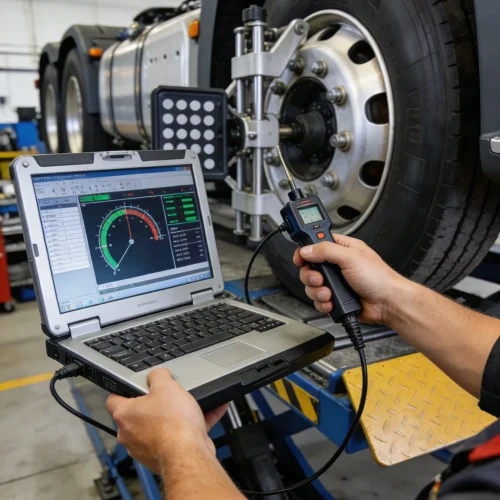
Precision Alignment Tool for Truck Suspension
5. Address Leaf Spring Wear and Tension
Leaf springs are responsible for supporting the truck’s weight and absorbing road shocks.
Over time, they can become weak, cracked, or lose tension, leading to a sagging suspension and poor handling. Regular inspections are key to catching these issues early.
Check leaf springs for cracks, rust, or fatigue signs. If you notice any damage, replace them immediately with high-quality, heavy-duty leaf springs.
Also, ensure the springs have proper tension to maintain the truck’s ride height and stability.
Finally, tighten all mounting bolts to keep the springs secure and prevent movement during operation.
6. Avoid Common Maintenance Mistakes
Many suspension issues stem from simple, avoidable mistakes. Below are the most common pitfalls to steer clear of:
- Overloading the truck: Exceeding the recommended weight capacity puts extreme stress on the suspension, leading to premature wear of leaf springs, shock absorbers, and bushings.
- Ignoring small issues: A minor squeak, vibration, or oil leak can quickly escalate into a major problem. Always address small issues immediately to avoid costly repairs.
- Using the wrong parts: Always use parts that match your truck’s make and model. Generic parts may not fit properly or withstand heavy use, leading to further damage
- Neglecting fluid checks: If your truck has a hydraulic suspension system, regularly check fluid levels and replace old fluid to prevent system failure.
7. Final Maintenance Best Practices
Maintaining your truck’s suspension doesn’t have to be complicated—consistency is the key.
First, create a maintenance schedule tailored to your truck’s usage: heavy-duty trucks used for frequent hauling need more frequent checks, while lighter-use trucks can follow a less frequent schedule.
Next, keep a detailed log of all maintenance tasks, including lubrication, part replacements, and alignment checks.
This log helps you track the suspension’s health over time and identify potential issues early.
If you have doubts, consult a professional mechanic for guidance—they can help you diagnose problems and ensure your suspension works at its best.
For all your truck suspension needs—from shock absorbers and leaf springs to lubricants and bushings—our truck suspension parts collection offers high-quality, compatible components designed to keep your suspension running smoothly and reliably for years to come.