
Clutch Master Cylinder Guide: Maintenance & Troubleshooting
The clutch master cylinder is a core component of a vehicle’s clutch system, directly affecting gear shifting smoothness and driving safety.
Many drivers overlook its maintenance due to its hidden installation and stable daily performance.
This often causes sudden failures while driving, such as gear shifting difficulty on busy roads or even failure to start, bringing great inconvenience and potential safety hazards.
This article details its maintenance methods, common faults, and selection suggestions, with practical tips to extend its service life and ensure stable clutch system operation.
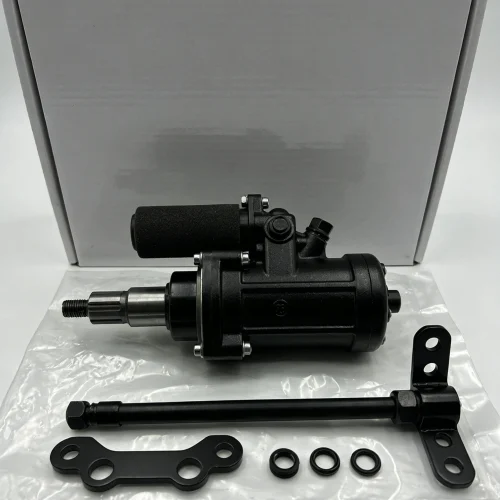
Premium Clutch Master Cylinder
1. Basic Introduction to Clutch Master Cylinder
First, clarify the core function of the clutch master cylinder. It converts the mechanical force from the driver’s clutch pedal press into stable hydraulic pressure.
This pressure then travels through the oil pipeline to the clutch slave cylinder, enabling smooth clutch separation and firm engagement.
Simply put, the clutch master cylinder acts as a “bridge” between the driver’s operation and the clutch system.
Without it, the vehicle cannot shift gears smoothly or even start normally—especially manual transmission vehicles that rely entirely on the clutch for power switching.
The clutch master cylinder usually installs near the driver’s cab, closely connected to the clutch pedal and oil pipeline.
Its structure is compact, mainly consisting of the cylinder body, piston, sealing ring, and oil inlet and outlet ports.
Though simple, it bears frequent pressure during daily use. Every time the driver steps on the clutch pedal, the clutch master cylinder works.
Regular inspection and maintenance are therefore crucial to prevent premature wear and failure.
For more details on the clutch system structure and its matching with the clutch master cylinder, refer to our vehicle clutch system maintenance guide.
2. Common Faults of Clutch Master Cylinder & Troubleshooting
2.1 Common Fault Phenomena
In daily driving, there are several typical faults of the clutch master cylinder that are easy to identify, and each fault has obvious performance characteristics.
First, the clutch pedal feels soft and fails to return automatically after being stepped on.
This usually happens due to insufficient hydraulic oil or internal leakage in the clutch master cylinder, which disrupts normal hydraulic pressure transmission.
Second, the clutch fails to separate completely, causing difficult gear shifting, jamming, or abnormal noise.
This may stem from a blocked internal oil circuit in the clutch master cylinder, hindering hydraulic oil flow.
Oil leakage around the clutch master cylinder is another common fault, easily spotted by observing the cylinder area.
Main causes include aging or damaged internal sealing rings, loose oil pipeline connections, or cylinder body damage.
Address oil leakage promptly. Left unchecked, it will not only affect clutch system operation but also cause excessive wear to other related components, increasing maintenance costs.
2.2 Simple Troubleshooting Methods
When encountering the above faults, you can first perform simple troubleshooting by yourself without immediately going to a repair shop, which can save time and cost.
For a soft clutch pedal, first check the hydraulic oil level in the clutch master cylinder’s reservoir.
If the level is too low, add the specified hydraulic oil promptly and check for oil pipeline leaks.
If the oil level is normal, further check for internal leakage in the clutch master cylinder—this usually requires professional tools.
For incomplete clutch separation, check if dust or debris blocks the clutch master cylinder’s oil circuit.
If blocked, use a professional cleaning agent to clear it, or replace the oil filter and related parts if needed.
For oil leakage, carefully inspect the sealing ring and oil pipeline connections. Replace aging, cracked, or damaged sealing rings and tighten loose connections to ensure tightness.
For professional maintenance guidance or unclear fault points, view our contact us.
3. Daily Maintenance Tips for Clutch Master Cylinder
Regular maintenance is key to extending the clutch master cylinder’s service life and reducing faults.
First, check the hydraulic oil level regularly—usually once a month during daily vehicle inspections. Ensure the level stays within the standard range marked on the reservoir.
Replace hydraulic oil according to the vehicle maintenance manual, generally once a year or every 20,000 kilometers.
Long-term use degrades hydraulic oil, making it thick or contaminated, which affects the clutch master cylinder’s efficiency.
Second, keep the clutch master cylinder and its surroundings clean. External dust, debris, and dirt can easily enter the oil circuit through the oil inlet or connections.
This may block the internal oil circuit or wear the piston and sealing ring. Regularly wipe the clutch master cylinder’s surface with a clean cloth.
Also, check connections regularly to ensure no looseness, oil leakage, or pipeline damage.
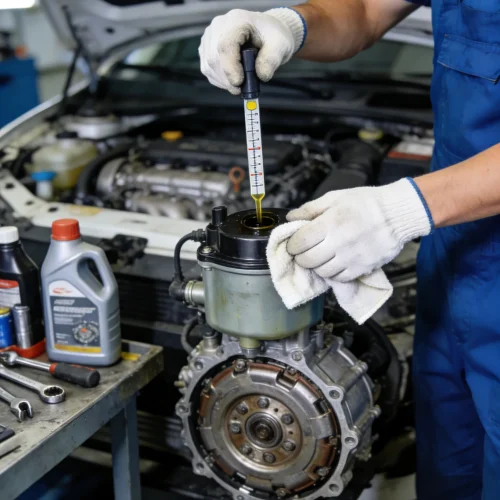
Clutch Master Cylinder Daily Inspection
Additionally, adopt good driving habits to reduce the clutch master cylinder’s load. Avoid stepping on the clutch pedal for long periods while waiting for red lights or driving at low speeds.
This keeps the clutch master cylinder working continuously, increasing wear and even causing overheating.
If you feel abnormalities when stepping on the pedal—such as obvious resistance, abnormal noise, or slow return—stop and check promptly.
This prevents minor faults from becoming major, hard-to-repair issues. For more practical vehicle maintenance skills, browse our daily vehicle maintenance column.
4. How to Choose a High-Quality Clutch Master Cylinder
When replacing the clutch master cylinder due to failure or wear, choosing a high-quality product is crucial to ensure the stable operation of the clutch system and avoid frequent replacement.
First, select products that fully match your vehicle’s model, displacement, and clutch type. Clutch master cylinder specifications vary by vehicle model.
Incompatible products will not work normally and may damage other components.
Choose products from regular manufacturers like VALEO and AISIN for reliable quality, strict quality control, and perfect after-sales support.
Second, pay attention to the clutch master cylinder’s material. High-quality models use high-strength, corrosion-resistant, and wear-resistant materials.
The cylinder body often uses aluminum alloy or stainless steel, while the sealing ring uses high-temperature and oil-resistant nitrile rubber.
These materials adapt to the harsh engine compartment environment—high temperature, vibration, and oil erosion—and have a longer service life.
Check the product’s sealing performance before installation to ensure no oil leakage during use.
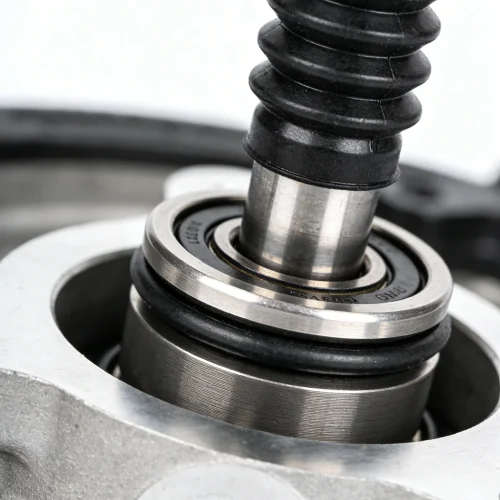
Precision Clutch Master Cylinder Components
Also, refer to user reviews and professional evaluations when purchasing. Choose products with a good market reputation and high user satisfaction.
If you’re unsure which product to pick, consult our professional customer service team.
They will recommend the most suitable clutch master cylinder based on your vehicle model and usage needs.
For more detailed purchase suggestions and brand recommendations, refer to our clutch master cylinder selection guide.
5. Conclusion
In summary, the clutch master cylinder is an indispensable core component of the vehicle clutch system.
Its normal operation directly relates to driving safety, driving experience, and the entire clutch system’s service life.
Master simple troubleshooting methods, develop daily maintenance habits, and choose high-quality, model-matching products when replacing.
This will effectively extend the clutch master cylinder’s service life, avoid sudden driving faults, and reduce unnecessary maintenance costs.
This article aims to help you understand, maintain, and select the clutch master cylinder.
Whether you’re a professional driver, maintenance enthusiast, or ordinary car owner, this knowledge will help you better manage your vehicle.
For more questions about the clutch master cylinder or other vehicle components, follow our official website for more professional content.