In the demanding world of heavy-duty trucking, where engines operate under immense loads and often for extended periods, maintaining optimal operating temperature is paramount. At the heart of a truck’s cooling system lies the radiator core, a critical component responsible for dissipating excess heat generated by the engine. Its efficient functioning directly impacts engine performance, fuel economy, and overall longevity. For fleet operators and truck owners relying on robust vehicles from brands like Sinotruk (HOWO), Shacman, FAW (Jiefang), Foton, and Dongfeng, understanding the radiator core’s role, recognizing signs of failure, and knowing when and how to replace it are essential for minimizing downtime and ensuring operational efficiency. As a specialized exporter of high-quality Chinese heavy-duty truck parts, we provide not only premium components but also the expert knowledge to keep your fleet running smoothly. This comprehensive guide will delve into the indispensable function of the radiator core, explore common problems it faces, and offer a detailed replacement guide, ensuring your heavy-duty trucks remain reliable workhorses.
The Critical Function of the Radiator Core in Heavy-Duty Trucks
The radiator core is the primary heat exchanger in a truck’s cooling system. Its design is a marvel of engineering, maximizing surface area for heat transfer within a compact space. Without an efficiently functioning radiator core, an engine would quickly overheat, leading to severe damage and costly repairs.
What is a Radiator Core?
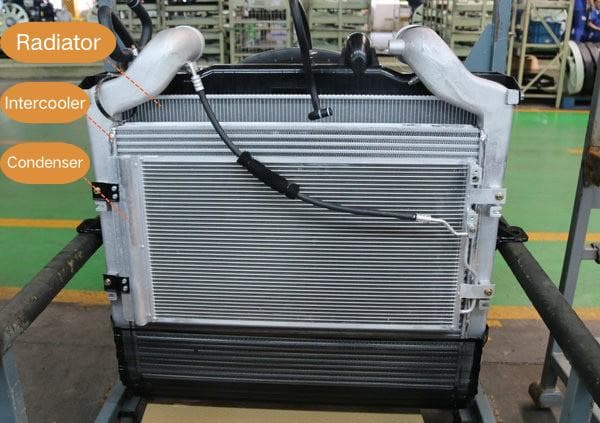
The radiator core is essentially a network of thin tubes and fins designed to facilitate the transfer of heat from the engine coolant to the ambient air. It typically consists of:
- Tubes: These channels carry the hot engine coolant from the inlet tank to the outlet tank. They are often flattened to increase surface area contact with the fins.
- Fins: Thin, corrugated metal strips positioned between the tubes. These fins significantly increase the surface area exposed to airflow, allowing for rapid heat dissipation.
- Headers/Tanks: The top and bottom (or side) tanks connect the tubes and provide reservoirs for the coolant, ensuring an even flow through the core.
How it Works: The Heat Exchange Process
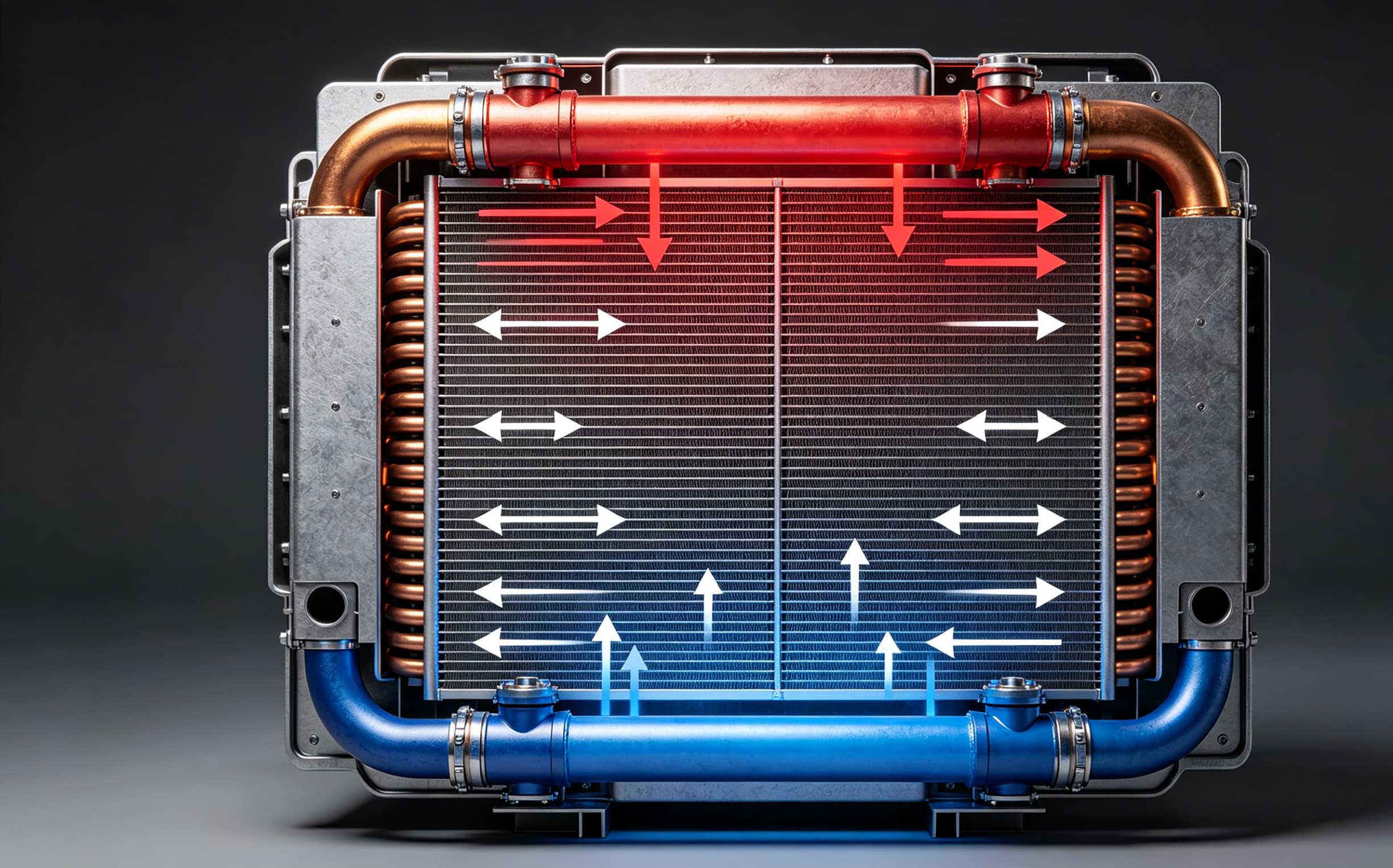
The process of cooling is straightforward yet highly effective:
- Hot coolant from the engine enters the radiator’s inlet tank.
- The coolant flows through the numerous tubes of the radiator core.
- As the truck moves, or when the cooling fan is active, air is drawn through the fins of the radiator core.
- Heat from the hot coolant transfers through the tube walls to the fins, and then to the cooler air passing over the fins.
- The now-cooled coolant exits the radiator core through the outlet tank and returns to the engine to absorb more heat, completing the cycle.
The efficiency of this heat exchange is crucial. Any obstruction to coolant flow or airflow through the core can severely compromise the cooling capacity, leading to engine overheating.
Materials and Design Considerations for Heavy-Duty Radiator Cores
Heavy-duty truck radiator cores are built to withstand extreme conditions, including high pressures, vibrations, and corrosive environments. Common materials include:
- Copper-Brass: Traditionally used, offering excellent heat transfer properties and good repairability. They are robust but can be heavier.
- Aluminum: Increasingly popular due to its lighter weight, good heat transfer, and corrosion resistance. Modern aluminum radiators often feature advanced designs for improved performance.
Key design features for heavy-duty applications include:
- Core Thickness: A thicker core generally means more cooling capacity, but it must be balanced with airflow. Too thick, and airflow can be restricted.
- Tube Design: High-frequency welded tubes or extruded tubes with internal struts are used to enhance durability and resist ballooning under pressure, crucial for heavy-duty engines like those in Sinotruk (HOWO) and Shacman.
- Fin Design: Fin density and louvered fins are optimized to maximize heat transfer while maintaining adequate airflow.
- Robust Construction: Reinforced tanks and strong tube-to-header connections are vital to withstand the constant vibrations and stresses of heavy-duty operation.
Common Problems Affecting Heavy-Duty Truck Radiator Cores
Despite their robust construction, radiator cores in heavy-duty trucks are susceptible to various issues that can compromise their efficiency and lead to engine problems. Early identification of these problems is key to preventing major engine damage.
1. Leaks and Punctures
Leaks are perhaps the most common radiator core problem. They can range from small pinhole leaks to significant cracks. Causes include:
- Corrosion: Over time, coolant can become acidic, or contaminants can lead to internal corrosion, weakening the metal and causing leaks.
- Physical Damage: Road debris, minor collisions, or even vibrations can cause punctures or cracks in the delicate fins and tubes.
- Pressure Stress: High pressure within the cooling system, often due to a faulty radiator cap or overheating, can stress seams and connections, leading to leaks.
- Electrolysis: An electrical current circulating through the coolant system (often due to improper grounding) can accelerate corrosion and lead to rapid failure.
Symptoms: Visible coolant puddles under the truck, frequent need to top up coolant, and a sweet smell of coolant. For trucks like FAW and Dongfeng, consistent monitoring is essential.
2. Clogging and Blockages
Both internal and external blockages can severely reduce the radiator core’s heat dissipation capability.
- Internal Clogging: Sediment, rust, scale, or degraded coolant can build up inside the tubes, restricting coolant flow. This is often a result of infrequent coolant changes or using incompatible coolants.
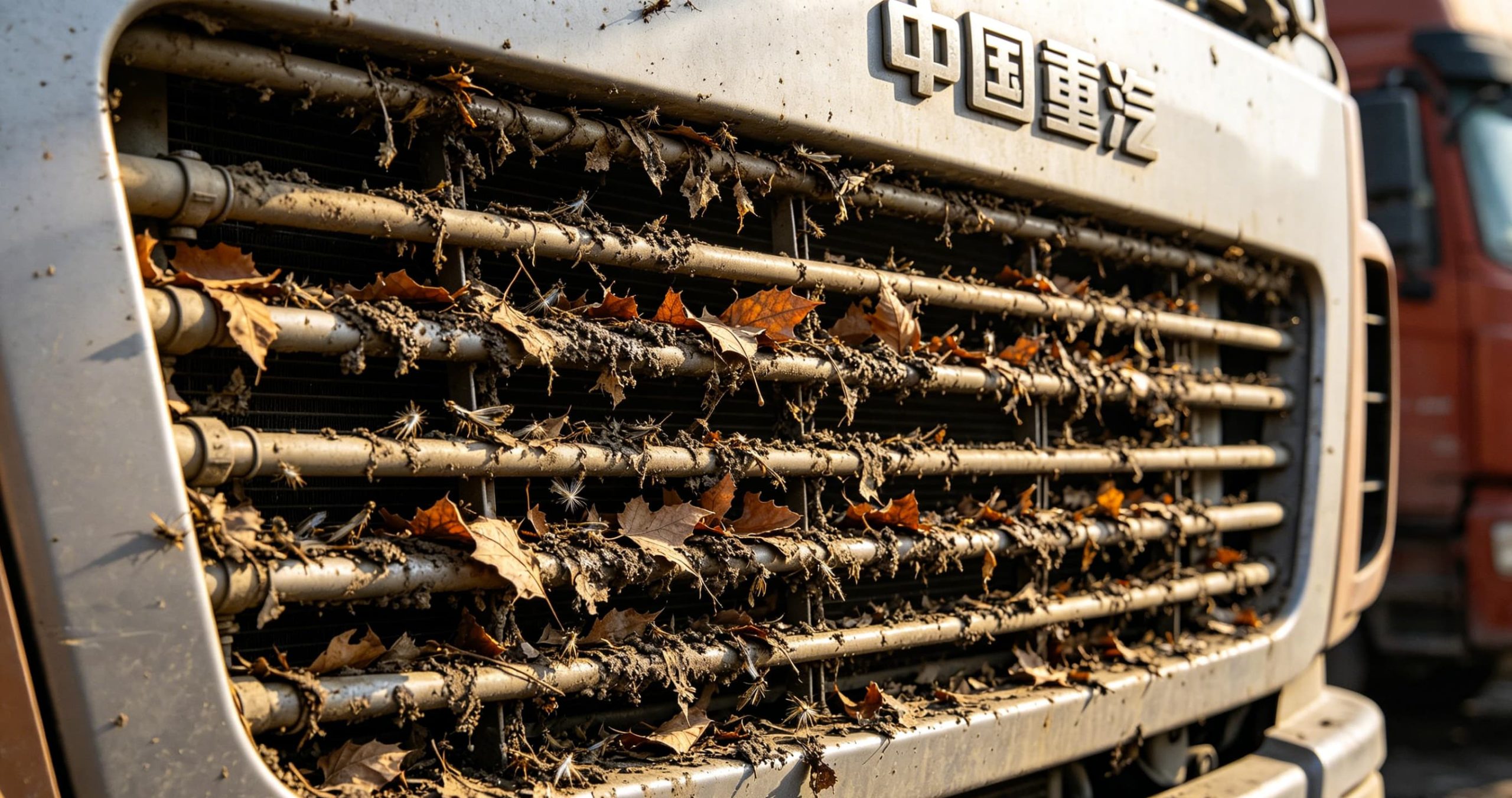
- External Clogging: Dirt, dust, leaves, insects, and other road debris can accumulate between the fins, blocking airflow. This is particularly common in off-road or construction vehicles.
Symptoms: Engine overheating (especially under load), reduced heating in the cabin, and visible debris on the radiator’s exterior. This can be a significant issue for Foton trucks operating in dusty environments.
3. Fin Damage and Erosion
The delicate fins of the radiator core can bend, flatten, or erode due to impacts, cleaning with high-pressure washers, or chemical exposure. Damaged fins reduce the surface area available for heat transfer, diminishing cooling efficiency.
4. Overheating
While overheating is a symptom of a failing cooling system, it can also be a direct result of a compromised radiator core. A core that cannot effectively dissipate heat will cause the engine temperature to rise, leading to potential engine damage, head gasket failure, or even engine seizure.
Diagnosing Radiator Core Problems: A Step-by-Step Approach
Accurate diagnosis is crucial for effective repair and maintenance. A systematic approach helps pinpoint the exact cause of cooling system issues.
1. Visual Inspection
- External Check: Look for visible signs of leaks (coolant stains), bent or damaged fins, and accumulation of debris on the radiator’s exterior.
- Internal Check: With the engine cool and the radiator cap removed, inspect the coolant for discoloration, rust, oil contamination, or sediment.
- Hoses and Connections: Check all hoses for cracks, bulges, or softness, and ensure clamps are secure.
2. Pressure Test
A cooling system pressure tester can identify leaks that are not immediately visible. The system is pressurized to its specified operating pressure, and any drop in pressure over time indicates a leak. This test can help locate leaks in the radiator core, hoses, or other components.
3. Thermal Imaging
For more advanced diagnostics, a thermal imaging camera can reveal cold spots on the radiator core, indicating internal blockages where coolant flow is restricted. Hot spots might suggest areas of poor airflow or external clogging.
4. Coolant Condition Analysis
Using a refractometer, the coolant’s freeze point and boiling point can be checked to ensure it has the correct concentration of antifreeze/coolant. Degraded or diluted coolant can lead to corrosion and reduced heat transfer capabilities.
5. Engine Performance Monitoring
Pay attention to the engine temperature gauge. Consistent operation at higher-than-normal temperatures, especially under load or in hot weather, is a strong indicator of cooling system inefficiency, often pointing to a compromised radiator core.
Radiator Core Replacement Guide for Heavy-Duty Trucks
When a radiator core is severely damaged by leaks, extensive clogging, or physical impact, repair may not be feasible or cost-effective. In such cases, replacement with a new, high-quality core is the most reliable solution to restore the cooling system’s integrity and prevent engine damage. This process requires careful attention to detail and often specialized tools.
When to Replace the Radiator Core
- Extensive Leaks: Multiple leaks or large cracks that cannot be reliably repaired.
- Severe Clogging: Internal blockages that cannot be cleared by flushing, or external fin damage that significantly impedes airflow.
- Physical Damage: Significant damage from collision or impact that compromises the core’s structural integrity.
- Repeated Overheating: If other cooling system components are confirmed to be functional, and overheating persists, the radiator core is likely the culprit.
Selecting a High-Quality Replacement Radiator Core
Choosing the right replacement core is paramount for heavy-duty trucks. Consider these factors:
- Material: Opt for materials (aluminum or copper-brass) that match or exceed OEM specifications for durability and heat transfer.
- Construction Quality: Look for robust tube-to-header connections, strong fin construction, and precise welding/brazing.
- Brand Compatibility: Ensure the core is specifically designed for your truck model, whether it’s a Sinotruk (HOWO), Shacman, FAW, Foton, or Dongfeng. Proper fitment is crucial for efficient cooling and ease of installation.
- Cooling Capacity: Ensure the replacement core has adequate cooling capacity for the truck’s intended application, especially for heavy-duty hauling or hot climates.
Step-by-Step Replacement Procedure (General Guide)
Note: This is a general guide. Always refer to the specific service manual for your truck model for detailed instructions and safety precautions. Professional assistance is recommended.
- Safety First: Ensure the engine is cool. Disconnect the battery. Wear appropriate personal protective equipment (gloves, eye protection).
- Drain Coolant: Place a drain pan under the radiator and open the drain cock to completely drain the coolant. Properly dispose of old coolant.
- Remove Hoses and Connections: Disconnect the upper and lower radiator hoses, transmission cooler lines (if applicable), and any other sensors or overflow lines connected to the radiator.
- Remove Fan Shroud and Fan (if necessary): Depending on the truck model, the fan shroud and/or fan assembly may need to be removed to access the radiator.
- Unmount Radiator: Remove mounting bolts or brackets securing the radiator to the truck frame. Carefully lift and remove the old radiator.
- Inspect Surrounding Components: While the radiator is out, inspect the fan, fan clutch, hoses, and thermostat for wear or damage. Replace any worn components.
- Install New Radiator Core: Carefully lower the new radiator core into position, ensuring it seats correctly on its mounts. Secure it with mounting bolts/brackets.
- Reconnect Components: Reattach the fan shroud, fan, hoses, and all other lines and sensors. Use new hose clamps if necessary.
- Refill Coolant: Fill the cooling system with the manufacturer-recommended coolant mixture. Bleed the system of any air pockets according to the service manual.
- Test for Leaks and Functionality: Start the engine, allow it to reach operating temperature, and check for any leaks. Monitor the temperature gauge to ensure proper cooling. Perform a pressure test to confirm system integrity.
Preventive Maintenance for Radiator Core Longevity
Proactive maintenance is the best defense against radiator core failures, ensuring your heavy-duty trucks remain on the road and out of the repair shop.
1. Regular Coolant Checks and Changes
- Monitor Coolant Level and Condition: Regularly check the coolant level in the reservoir and inspect its color and clarity. Discolored or murky coolant indicates contamination or degradation.
- Adhere to Change Intervals: Follow the manufacturer’s recommended intervals for coolant changes. Fresh coolant contains vital corrosion inhibitors and maintains optimal heat transfer properties.
- Use Correct Coolant Type: Always use the specific type of coolant recommended for your heavy-duty truck’s engine. Mixing incompatible coolants can lead to chemical reactions, corrosion, and premature system failure.
2. Keep the Radiator Core Clean
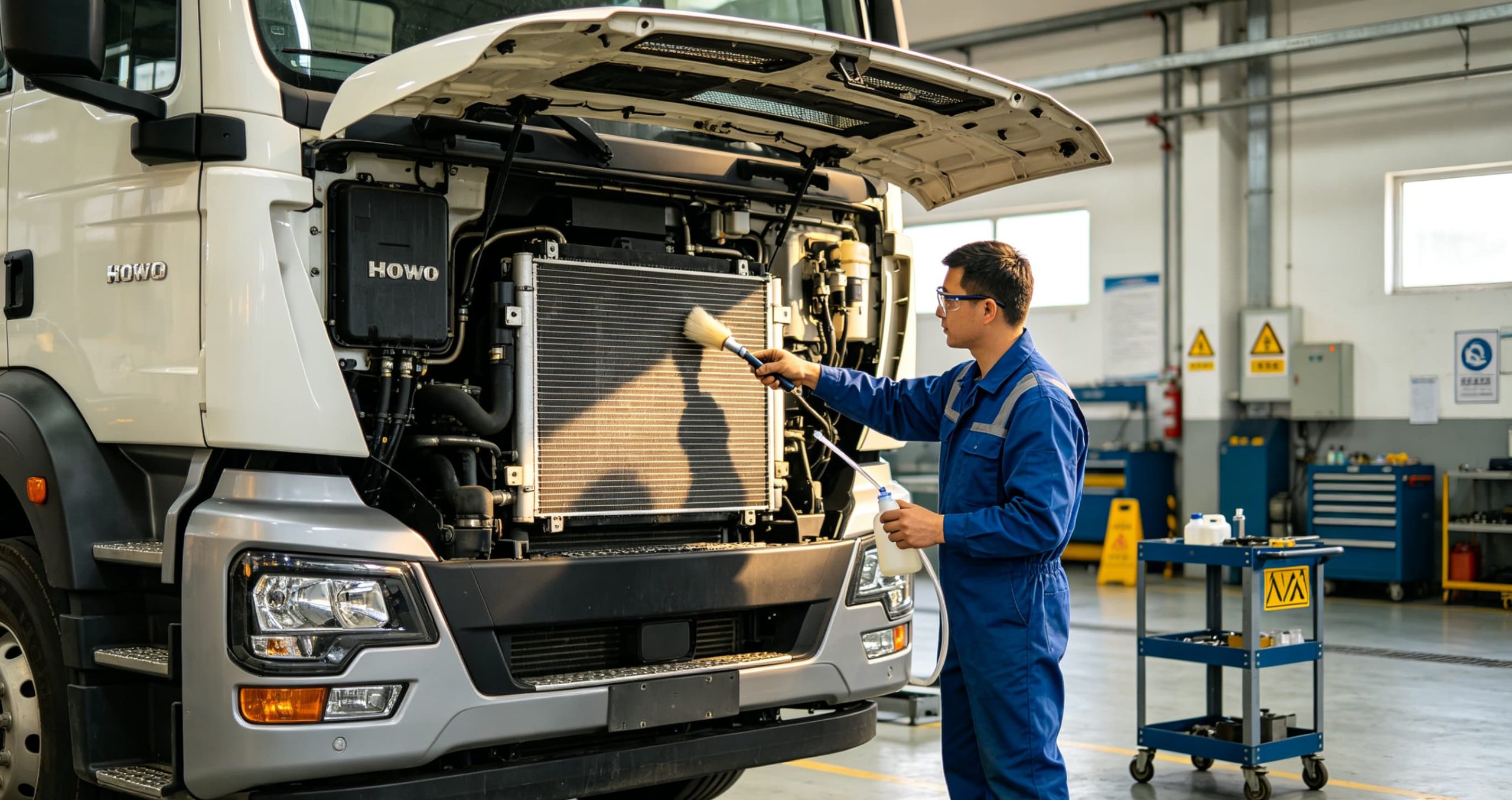
- External Cleaning: Regularly clean the exterior of the radiator fins to remove accumulated dirt, debris, and insects. Use a soft brush and low-pressure water or compressed air, spraying from the back to push debris out. Avoid high-pressure washers, which can bend fins.
- Internal Flushing: Periodically flush the cooling system to remove internal sediment and scale buildup. This should be done as part of routine maintenance or when changing coolant.
3. Inspect Hoses, Clamps, and Radiator Cap
- Hose Inspection: Check radiator hoses for cracks, hardening, softness, or swelling. Replace them if any signs of wear are present.
- Clamp Security: Ensure all hose clamps are tight and secure to prevent leaks.
- Radiator Cap Functionality: The radiator cap maintains system pressure. Test it periodically or replace it as part of routine maintenance to ensure it holds pressure correctly and releases it when needed. A faulty cap can lead to overheating or coolant loss.
4. Monitor Engine Temperature
Pay close attention to the engine temperature gauge during operation. Any consistent elevation in temperature, especially under varying load conditions, should be investigated immediately. Early detection of overheating can prevent minor issues from escalating into major radiator core damage.
5. Prevent Physical Damage
Be mindful of road conditions and potential impacts. Consider installing protective grilles or screens if operating in environments prone to debris. Regular visual inspections can help identify minor damage before it worsens.
The Advantage of Partnering with a Specialized Parts Exporter
For heavy-duty truck operators and fleet managers, sourcing reliable replacement parts is crucial for maintaining operational continuity and profitability. As a dedicated exporter of Chinese heavy-duty truck components, we specialize in providing high-quality radiator cores and related cooling system parts for leading brands like Sinotruk (HOWO), Shacman, FAW (Jiefang), Foton, and Dongfeng. Our expertise extends beyond mere product supply; we offer comprehensive support, including precise part identification, technical specifications, and troubleshooting assistance. We understand the unique demands of the global heavy-duty trucking industry and are committed to delivering products that meet stringent quality standards.
Our extensive inventory ensures that you have access to the right radiator core when you need it, minimizing downtime. Each component undergoes rigorous quality control to guarantee performance and durability, providing peace of mind for our international clientele. Our efficient global logistics network is designed to facilitate prompt and reliable delivery, ensuring your parts arrive on time, every time. Explore our Product Brand Page and Product System Page to discover our comprehensive offerings across various truck systems. Our Cooperative Cases highlight our successful partnerships and demonstrate our unwavering commitment to client satisfaction and long-term collaboration. For any direct inquiries, technical consultations, or to discuss your specific needs, please do not hesitate to Contact Us. Learn more about our company philosophy, our dedication to quality, and our mission to support global heavy-duty trucking operations on our About Us page, or visit our Homepage for a complete overview of our services and products.
Frequently Asked Questions (FAQ) about Truck Radiator Cores
Q1: What is the main function of a radiator core in a heavy-duty truck?
A1: The main function of a radiator core is to dissipate excess heat from the engine coolant into the ambient air. It’s a critical component of the cooling system, ensuring the engine operates at its optimal temperature. This heat exchange prevents engine overheating, which is vital for the performance and longevity of heavy-duty trucks, especially those from brands like HOWO and Shacman, which often operate under strenuous conditions.
Q2: What are the common signs that a radiator core is failing?
A2: Common signs of a failing radiator core include visible coolant leaks (puddles under the truck), frequent engine overheating (especially under load), a noticeable drop in coolant levels, and a sweet smell of coolant. You might also observe steam emanating from the front of the truck or a reduction in cabin heating. For trucks like FAW and Dongfeng, these symptoms warrant immediate attention to prevent severe engine damage.
Q3: Can a damaged radiator core be repaired, or does it always need replacement?
A3: Minor leaks or bent fins can sometimes be repaired, especially in copper-brass radiators. However, for extensive damage such as multiple leaks, severe internal clogging, or significant physical impact, replacement of the entire radiator core is usually the more reliable and cost-effective solution. Attempting to repair a severely compromised core often leads to recurring problems and compromises the cooling system’s efficiency, which is unacceptable for heavy-duty applications.
Q4: What are the key differences between aluminum and copper-brass radiator cores for heavy-duty trucks?
A4: Traditionally, copper-brass cores were common due to their excellent heat transfer and repairability. However, aluminum cores are increasingly popular for heavy-duty trucks due to their lighter weight, good heat transfer properties, and corrosion resistance. Modern aluminum designs often incorporate advanced tube and fin structures for enhanced durability and cooling efficiency, making them a preferred choice for brands like Foton. The choice often depends on specific application requirements and budget.
Q5: What preventive maintenance is essential for extending the life of a radiator core?
A5: Essential preventive maintenance includes regular checks of coolant levels and condition, adhering to manufacturer-recommended coolant change intervals, and using the correct type of coolant. Keeping the radiator fins clean from external debris and periodically flushing the cooling system internally are also crucial. Additionally, inspecting hoses, clamps, and the radiator cap, and promptly addressing any signs of overheating, will significantly extend the life of the radiator core in heavy-duty trucks like Sinotruk and Shacman.
Q6: What other components should be inspected when replacing a radiator core?
A6: When replacing a radiator core, it’s highly recommended to inspect all associated cooling system components. This includes radiator hoses (upper and lower), hose clamps, the thermostat, the water pump, the cooling fan and fan clutch, and the radiator cap. Any signs of wear, cracks, leaks, or malfunction in these components should prompt their replacement, as a faulty auxiliary part can quickly compromise the efficiency and longevity of the new radiator core. Ensuring the entire cooling system is in optimal condition is vital for preventing future issues.


