Sinotruk Howo Engine Parts: How the Air-Fuel Mixture Ignites
When you’re dealing with Sinotruk Howo engine performance, a lot of operators and maintenance folks end up asking the same question: which part of the engine actually ignites the air/fuel mixture?
It’s not just a random question—getting this right is key to figuring out how the engine ticks, because a good ignition system directly impacts how much fuel the truck uses, how much power it puts out, and whether it’ll hold up over time.
We’re going to break down this crucial part step by step—what it does, the problems it usually runs into, how to keep it in good shape, and all the practical stuff Sinotruk Howo users actually need to know day to day.
How Sinotruk Howo Engines Ignite the Air-Fuel Mixture
Key Features of Sinotruk Howo Spark Plugs
I’ve fixed countless Howo engines over the years, and one thing I always tell operators: focus on how the engine ignites the air-fuel mixture.
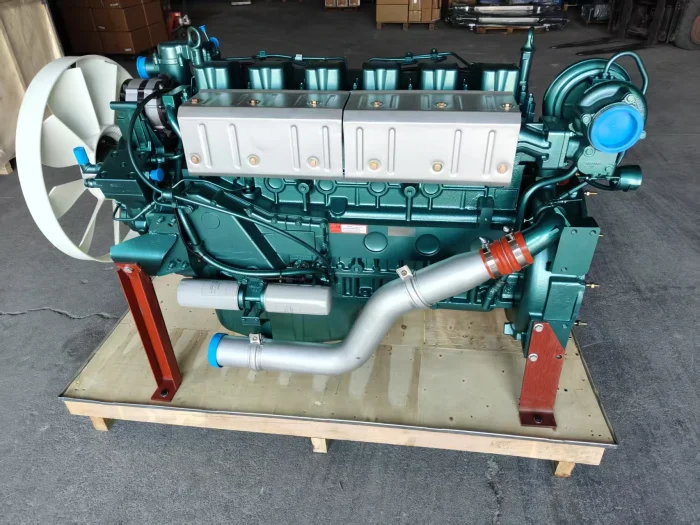
The engine uses compression ignition, which is straightforward and reliable. What that means is the piston squeezes the air so tightly that it gets hot enough to ignite the fuel on its own—no extra parts needed for ignition.
This isn’t some textbook theory; I’ve seen it firsthand. Even in below-freezing weather, this ignition method holds up and is way more reliable than any other setup.
A lot of new operators mix up different engine parts, so let me clear that up right now. Glow plugs aren’t for ignition—they’re just a helper for cold starts.
I’ve had operators call me confused, saying their truck won’t start in winter, and 9 times out of 10, it’s because the glow plug is burnt out or dirty.
These little parts heat up the combustion chamber just enough to get the fuel ignited when it’s cold—once the engine warms up, they shut off automatically, no extra work needed.
Let me break down how compression ignition works on Howo engines—no fancy jargon, just how I explain it to new operators.
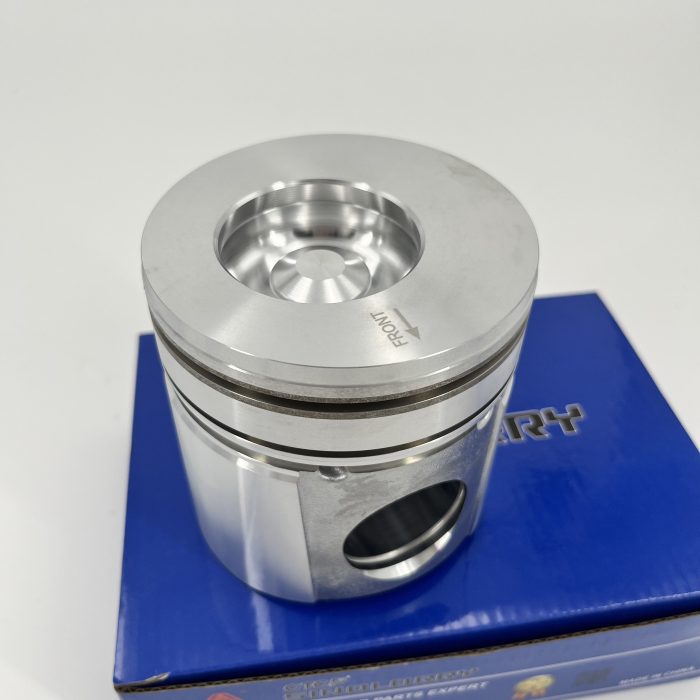
When the engine’s running, the piston moves up, squeezing the air inside the cylinder real tight. Like, super tight—so tight that the air gets hot enough to light the diesel the second it’s sprayed in. I’ve tested this myself, too.
Even when the engine’s stone cold, if the compression’s good? That diesel lights right up, no problem. No extra stuff, no complicated parts—just pressure and heat doing their job.
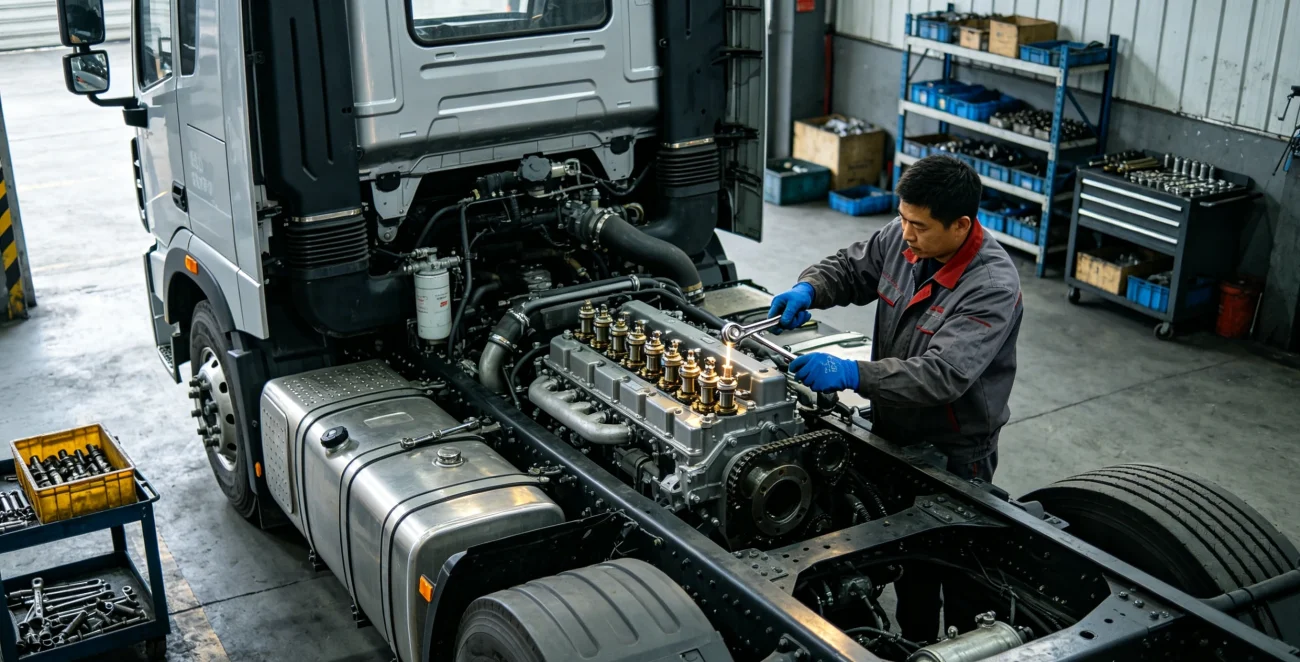
Now, let’s talkmaintenance—from what I’ve seen over the years, this is where most operators mess up. Glow plugs are so easy to forget about, but if you skip checking them, you’ll be in trouble.
Let me tell you a real story: I had a client once who never checked their glow plugs.
One cold morning, their truck just wouldn’t start—sat there for an hour waiting for a tow, lost a full day of deliveries, and even had to reschedule their whole route.
Don’t do that. My tip? Check your glow plugs every 30,000 km. If they look corroded, or if they don’t heat up like they should, just replace ’em right then and there—no need to wait for them to completely fail.
When you’re replacing glow plugs, don’t skimp on quality—stick with genuine Sinotruk. How about parts, no ifs or buts. Those cheap aftermarket glow plugs?
Total garbage, from what I’ve seen. I once had a guy use one, and it burned out in less than a month—left him stranded on the side of the road, couldn’t start his truck in the cold, and ended up spending more on repairs than he saved by buying the cheap one.
Aftermarket plugs don’t hold up, plain and simple—they’ll cause cold-start issues, even mess up the engine over time if you’re not careful.
If you need the deets on genuine Howo glow plugs—like what specs they have, how to pick the right one, or where to get them—check the official genuine parts page. No fancy links, just straight info to keep your truck running right.
Another thing to watch for: compression issues. If your Howo engine is sluggish, hard to start, or using more fuel than usual, it’s probably a compression problem.
I’ve diagnosed this dozens of times—worn piston rings or a damaged cylinder head can lower compression, meaning the air isn’t hot enough to ignite the diesel. Fixing this early saves you from bigger, costlier repairs later.
Rare Case: Gasoline-Powered Howo Models
I’ll be honest—most Howo trucks you see on the road are diesel-powered. Gasoline-powered Howos are super rare, usually only for light-duty, short-haul use.
I’ve only worked on 2 of these in 5 years, so they’re not something you need to worry about much. But if you do have one, the maintenance is different—you’ll need to check the ignition components regularly, not just glow plugs.
For those rare gasoline-powered Howo models (you’ll hardly see these in fleet use), regular maintenance is key—but since they’re so uncommon, I won’t go into detail here.
If you do happen to have one, just remember to check the ignition components regularly to avoid misfires and engine damage.
Look, here’s what I always tell the guys I work with—ignoring ignition maintenance ain’t no small thing.
It’ll cost you, plain and simple—time, money, all of it. Let me give you another real example: last year, I had a client who never bothered checking their glow plugs.
Hit a snowstorm on the highway, and their truck just died. Sat there for 3 whole hours waiting for a tow, lost a full day of deliveries, and ended up paying twice as much for emergency repairs ’cause they put it off. Trust me, don’t do that—ain’t worth the headache.
Whether you’re running a diesel Howo (which most of you are) or that rare gasoline model I mentioned earlier, keeping those ignition parts maintained is non-negotiable.
It’s what keeps your truck running smooth, keeps you from getting stranded on the side of the road, and saves you from dropping big money on emergency fixes.
If you need more in-depth maintenance tips or actual pro technical help, reach out to Sinotruk’s official support—no fancy links, just find their dedicated channel and ask.
Every little maintenance step counts—from checking glow plugs to making sure compression’s good.
Stay on top of that stuff, and you won’t have to deal with unnecessary downtime, you’ll keep your deliveries on track, and you’ll get way more life out of your Howo.
Need more info on genuine parts or step-by-step maintenance tricks? Just hit up Sinotruk’s official support team—they’ve got the deets you need, no runaround.