Truck engine overheating ranks among the most frustrating and costly issues for fleet managers and truck owners alike.
Heavy loads, long hauls, and harsh conditions put immense strain on a truck’s cooling system, often leading to overheating if not monitored closely.
Addressing this problem early not only prevents engine damage but also keeps your operations running smoothly.
Below, we break down the top causes of truck engine overheating, critical parts to inspect, and actionable solutions to resolve and prevent future issues.
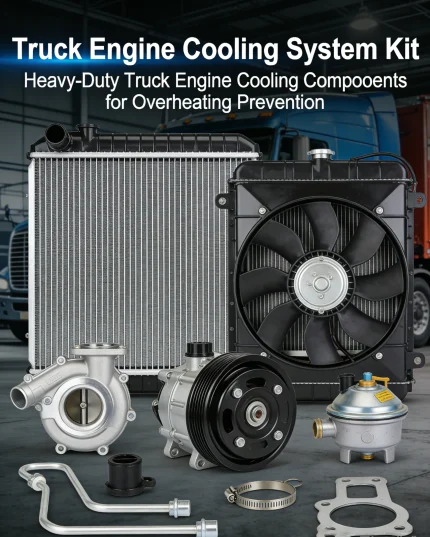
Heavy-Duty Truck Engine Cooling Components for Overheating Prevention
1. Common Causes of Truck Engine Overheating
Truck engine overheating rarely happens without warning; it typically stems from a malfunction in the cooling system or related components. Understanding these causes helps you spot issues before they escalate.
1.1 Faulty Water Pump
The water pump serves as the heart of the cooling system, circulating coolant to dissipate engine heat.
A worn or leaking water pump fails to move coolant efficiently, allowing heat to build up quickly. Signs of a faulty pump include coolant leaks under the truck, unusual squealing noises, or a loose drive belt.
Replacing a failing water pump promptly can prevent severe overheating and engine damage.
1.2 Clogged Radiator
Over time, radiators accumulate dirt, debris, and scale, which block airflow and reduce heat dissipation. This blockage traps heat in the engine, especially during heavy use or hot weather.
Additionally, a clogged radiator may cause coolant to boil, leading to sudden overheating. Regular cleaning and inspection of the radiator can keep it functioning optimally.
1.3 Broken Thermostat
A malfunctioning thermostat gets stuck in the closed position, preventing coolant from flowing to the radiator. This traps hot coolant in the engine, causing temperatures to spike rapidly.
Unlike other causes, a broken thermostat often leads to sudden overheating, even during short trips. Testing the thermostat regularly ensures it opens and closes correctly as engine temperature changes.
1.4 Low Coolant Levels
Low coolant levels are a simple yet common cause of truck engine overheating. Leaks in hoses, gaskets, or the radiator can deplete coolant over time, leaving the engine without enough fluid to regulate temperature.
Moreover, using the wrong type of coolant or mixing incompatible coolants can also contribute to overheating and system damage.
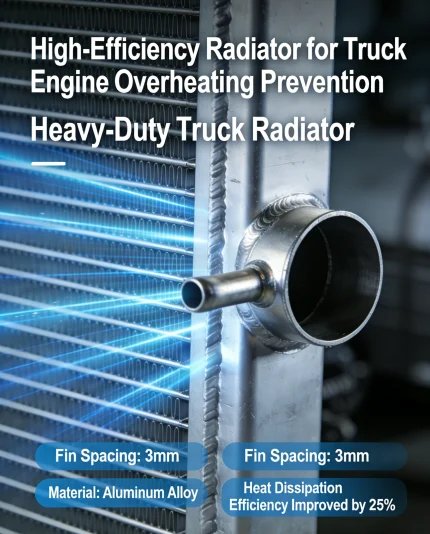
High-Efficiency Radiator for Truck Engine Overheating Prevention
2. Key Parts to Inspect for Truck Engine Overheating
When dealing with truck engine overheating, certain components are more likely to be the culprit. Regular inspection of these parts can catch issues early and reduce the risk of breakdowns.
2.1 Radiator Hoses and Clamps
Cracked, brittle, or loose radiator hoses often cause coolant leaks, leading to low levels and overheating. Over time, hoses degrade from heat and pressure, while loose clamps fail to secure connections.
Inspect hoses for cracks, bulges, or softness, and replace them at the first sign of wear. You can find durable replacement hoses in ourtruck radiator hose collection.
2.2 Cooling Fan and Fan Clutch
The cooling fan draws air through the radiator to cool the coolant. A faulty fan (either electric or mechanical) or fan clutch won’t provide enough airflow, especially at low speeds or when idling.
This lack of airflow causes heat to build up, resulting in overheating. Listen for unusual fan noises or check if the fan engages properly when the engine warms up.
2.3 Head Gasket
A blown head gasket is a serious consequence of untreated truck engine overheating. It allows coolant to mix with engine oil or escape into the combustion chamber, leading to further overheating and engine damage.
Signs of a blown head gasket include white exhaust smoke, milky oil, or coolant loss without visible leaks. Addressing overheating early can prevent this costly repair.
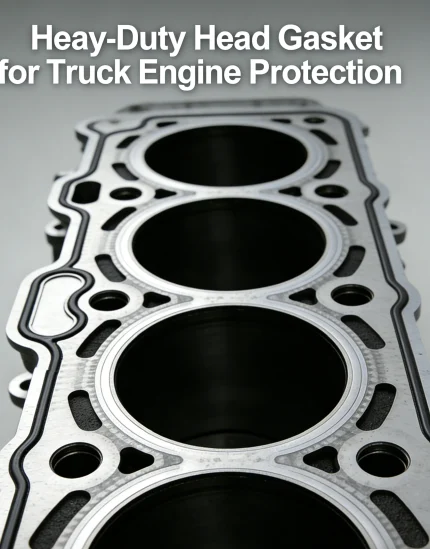
Heavy-Duty Head Gasket for Truck Engine Protection
3. Practical Solutions to Fix and Prevent Overheating
Resolving truck engine overheating requires a mix of immediate fixes and long-term maintenance. Follow these steps to get your truck back on the road and keep it running cool.
3.1 Immediate Steps for Overheating
If your truck engine starts overheating, pull over to a safe area and turn off the engine immediately. Allow the engine to cool completely before opening the radiator cap (never open it while hot, as pressurized coolant can cause burns).
Once cool, check coolant levels and top off with the manufacturer-recommended coolant. For guidance on safe coolant handling, visit our truck coolant maintenance guide.
3.2 Routine Maintenance Tips
Preventive maintenance is key to avoiding truck engine overheating. First, replace coolant according to the manufacturer’s schedule to ensure optimal performance. Second, clean the radiator and cooling fins regularly to remove debris.
Third, inspect all cooling system components (hoses, pump, and thermostat) during oil changes to catch wear early.
Additionally, avoid overloading your truck, as excess weight strains the engine and cooling system.
3.3 Choose Quality Replacement Parts
When replacing cooling system components, opt for genuine or OEM-grade parts to ensure durability and compatibility.
Cheap, low-quality parts fail faster and can lead to repeated overheating issues.
Our truck engine cooling parts catalog offers reliable, heavy-duty components designed to withstand the demands of commercial trucking.
4. When to Seek Professional Help
While many overheating issues can be resolved with basic maintenance, some require professional expertise.
If your truck continues to overheat after checking coolant levels and replacing key parts, it may indicate a more serious problem, such as a blocked coolant passage or engine damage.
A certified technician can diagnose the issue using specialized tools and ensure proper repairs to prevent future breakdowns.