Before starting the replacement, you must understand its importance.
Heavy-duty trucks carry significant loads and often operate in harsh conditions—from long-haul highways to off-road construction sites.
Their brake pads endure constant friction, high temperatures, and heavy stress with every stop.
Worn brake pads compromise stopping power and lead to more severe issues. For example, fully worn pads let metal grind rotors, requiring costly replacement of both pads and rotors.
Faulty pads cause uneven braking, increasing accident risks—especially with heavy cargo. Correct replacement avoids these costly repairs and keeps your fleet safe and efficient.
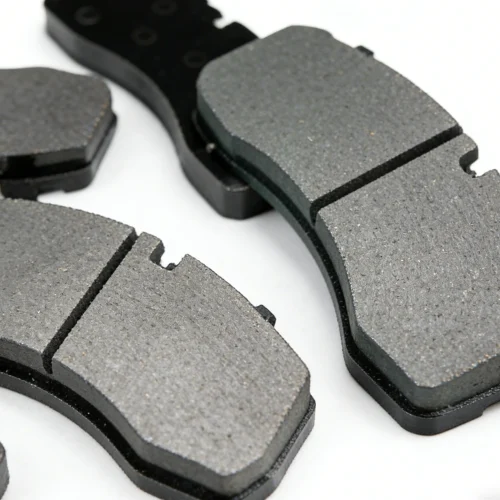
Genuine brake pads outperform cheap, low-quality ones. They withstand heavy use, deliver consistent performance, reduce noise, and last longer—making them a smart investment for any fleet or truck owner.
2. Tools You’ll Need to Replace Truck Brake Pads
The right tools ensure smooth, efficient brake pad replacement. You don’t need advanced gear, but the correct items prevent damage and get the job right the first time.
Here’s a detailed list of essential tools and tips for choosing them:
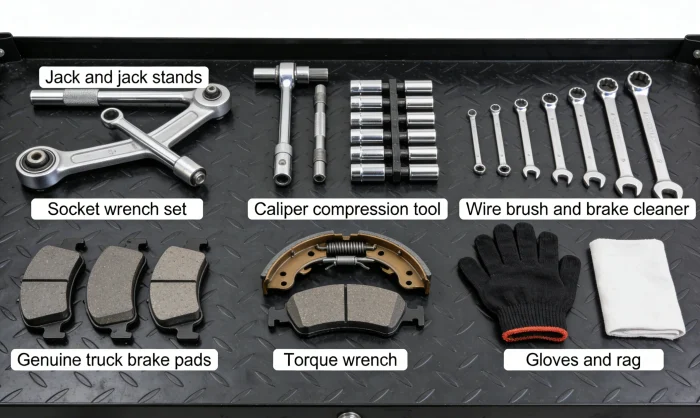
Jack and jack stands: Choose a heavy-duty jack (10+ ton) to support your truck. Jack stands are non-negotiable—never rely solely on the jack for safety.
Socket wrench set: Opt for standard and metric sizes, as truck caliper bolts and wheel nuts often vary. A ratchet wrench eases loosening and tightening bolts.
Caliper compression tool: Use this tool to retract the piston for new, thicker pads. Never use pliers or screwdrivers—they damage the piston seal.
Wire brush and brake cleaner: Dirt, rust, and debris build up on calipers and rotors, hurting performance. A wire brush removes loose debris; brake cleaner dissolves stubborn grime.
Genuine truck brake pads: Always choose pads that match your truck’s make and model. Find compatible ones via ourtruck brake pads page.
Optional tools: A torque wrench (for proper bolt tightness), gloves (to protect hands), and a rag to wipe components.
Essential Tools for Brake Pad Replacement
3. Step-by-Step Guide to Replace Truck Brake Pads
Replacing truck brake pads is straightforward but requires attention to detail. Follow these steps and take your time to avoid mistakes that compromise braking efficiency.
3.1 Prepare the Truck and Ensure Safety
Park the truck on a flat, level surface. Engage the parking brake firmly and place wheel chocks behind the opposite wheels to prevent rolling.
Turn off the engine and let the brakes cool completely—hot components can burn you.
Remove hub caps or wheel covers with a flathead screwdriver or socket wrench. Loosen wheel nuts slightly (don’t remove them) before lifting the truck to prevent wheel spin.
3.2 Lift the Truck and Remove the Wheel
Position the jack under the truck’s frame (never the body) and lift the truck until the wheel is 2-3 inches off the ground. Place jack stands under the frame to secure it, then lower the jack slightly to rest the truck on the stands.
Remove wheel nuts completely and take off the wheel. Set it aside safely. Inspect the caliper, rotor, and pads for visible damage like rust or leaking brake fluid.
3.3 Remove the Caliper and Old Brake Pads
Locate the two caliper bolts on the back of the brake caliper—they hold the caliper in place. Use a socket wrench to loosen and remove the bolts, then gently pull the caliper off the rotor.
Handle the caliper gently (it connects to the brake line). Use wire or rope to hang it from the truck’s frame to avoid straining the line and causing leaks.
Pry off the small metal clips holding the old pads, then pull the pads out of the caliper bracket. Note their position—new pads must go in the same way.
Clean the caliper bracket thoroughly with a wire brush and brake cleaner. Wipe it dry with a rag to ensure new pads fit snugly and don’t rub against debris.
3.4 Install New Brake Pads and Retract the Caliper
Attach any metal clips or shims to the new genuine brake pads. Carefully place the new pads into the caliper bracket, ensuring a secure fit and alignment with the rotor.
Use the caliper compression tool to retract the piston fully—this creates space for the new, thicker pads. Turn the tool slowly until the piston is flush with the caliper body.
If your caliper has a bleeder valve, open it slightly while compressing to release trapped brake fluid and pressure. Find detailed instructions for different caliper types via our caliper compression guide (non-keyword anchor).
3.5 Reassemble the Components and Test
Slide the caliper back over the rotor and align it with the bolt holes. Insert the caliper bolts and tighten them to the manufacturer’s recommended torque (check your truck’s manual).
Put the wheel back on and hand-tighten the nuts. Lower the truck slowly, remove the jack and jack stands, and then use a torque wrench to tighten the wheel nuts to specification.
Pump the brake pedal several times to engage the new pads with the rotor. Test the brakes in a safe, empty area to ensure smooth, even response. Adjust pad alignment if you hear squealing or grinding.
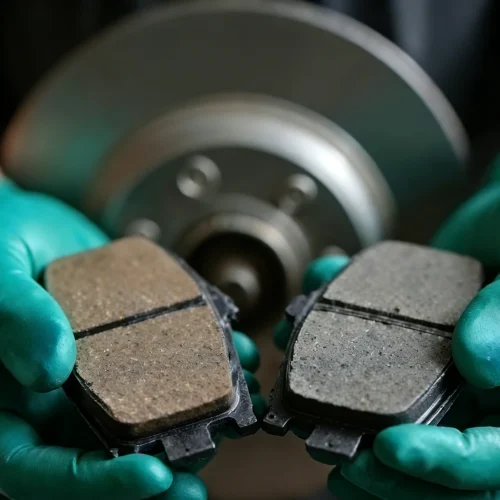
Comparison of Genuine New Brake Pads and Worn Pads
4. Common Mistakes to Avoid When Replacing Brake Pads
Even with a guide, small mistakes can harm brake performance or cause damage. Here are common pitfalls and how to avoid them:
Skipping caliper piston retraction: Forgetting this forces the caliper onto new pads, damaging the piston, caliper, or brake line. Always use a proper compression tool.
Using low-quality brake pads: Cheap, non-genuine pads wear quickly, make excess noise, and damage rotors. Invest in genuine, heavy-duty pads to save money long-term.
Neglecting component cleaning: Dirt and rust on the caliper bracket or rotor cause uneven pad wear, poor braking, and shorter pad life. Clean these parts thoroughly first.
Over-tightening bolts: This strips threads or damages components. Use a torque wrench to ensure correct tightness.
Forgetting to bleed brakes (if needed): If you opened the bleeder valve, bleed the brakes to remove trapped air—air reduces stopping power and causes spongy pedals.
For more detailed advice on avoiding these mistakes, visit our brake replacement mistakes guide (non-keyword anchor), which includes step-by-step solutions for common issues.
5. Final Tips for Long-Lasting Brake Pads
Once you replace truck brake pads, taking a few simple steps can extend their lifespan and keep your brakes performing at their best.
First, avoid sudden, harsh stops whenever possible—gradual braking reduces friction and wear on the pads.
Second, regularly inspect the pads for wear—most genuine pads have a wear indicator that makes this easy (a small metal tab that scrapes the rotor when the pad is too thin).
Additionally, keep the brake system clean and free of debris. Regularly check the brake fluid level and replace it according to the manufacturer’s recommendations—old or contaminated brake fluid can damage the caliper and reduce braking performance.
Finally, have your brakes inspected by a professional at least once a year, especially if you use your truck for heavy loads or long-haul trips.
For professional support, replacement parts, or personalized advice on choosing the right brake pads for your truck, contact our team via our contact page (non-keyword anchor). We’re here to help you keep your fleet safe and efficient.